Understanding Quantities Math Worksheets for Ages 3-6 - Page 2
47 filtered results
-
From - To
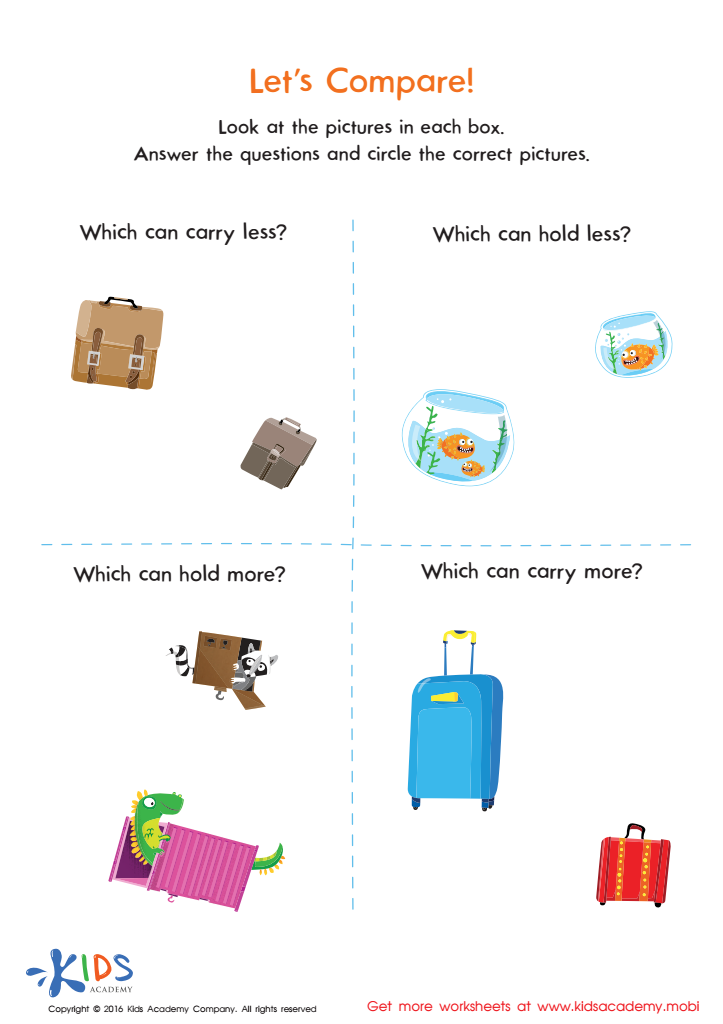
Let's Compare Worksheet: Big or Small
 Assign to My Students
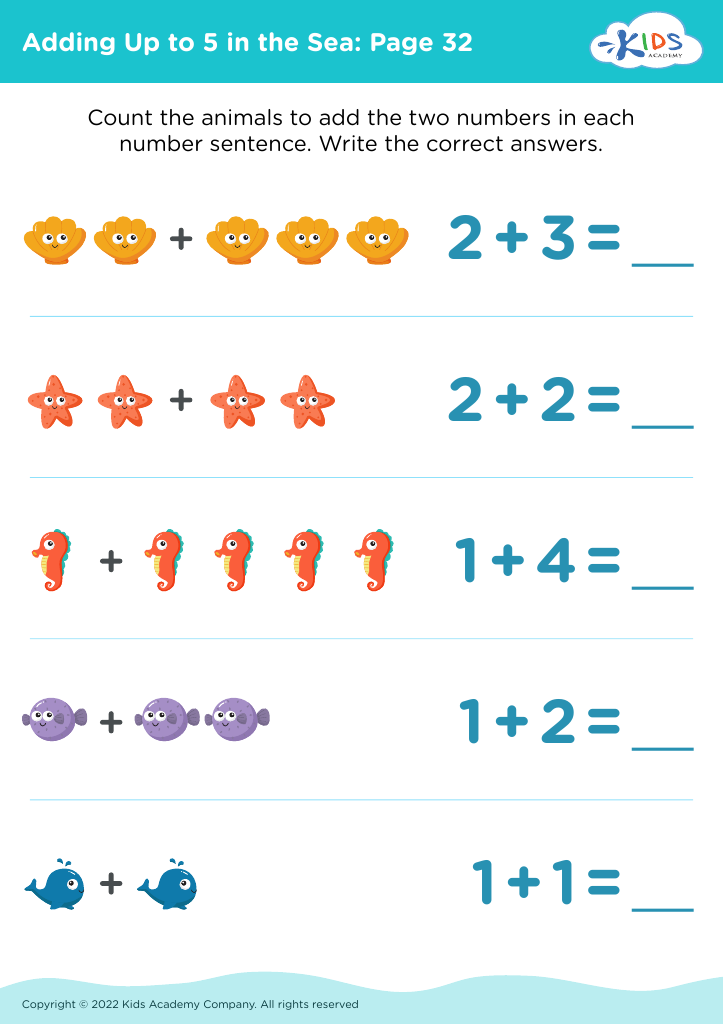
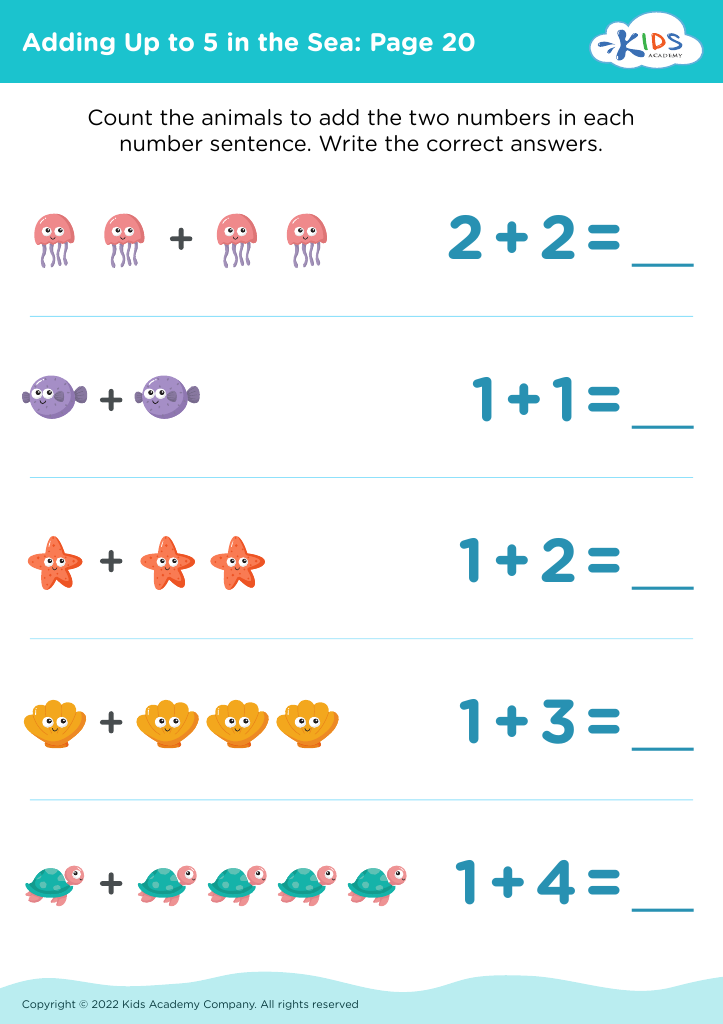
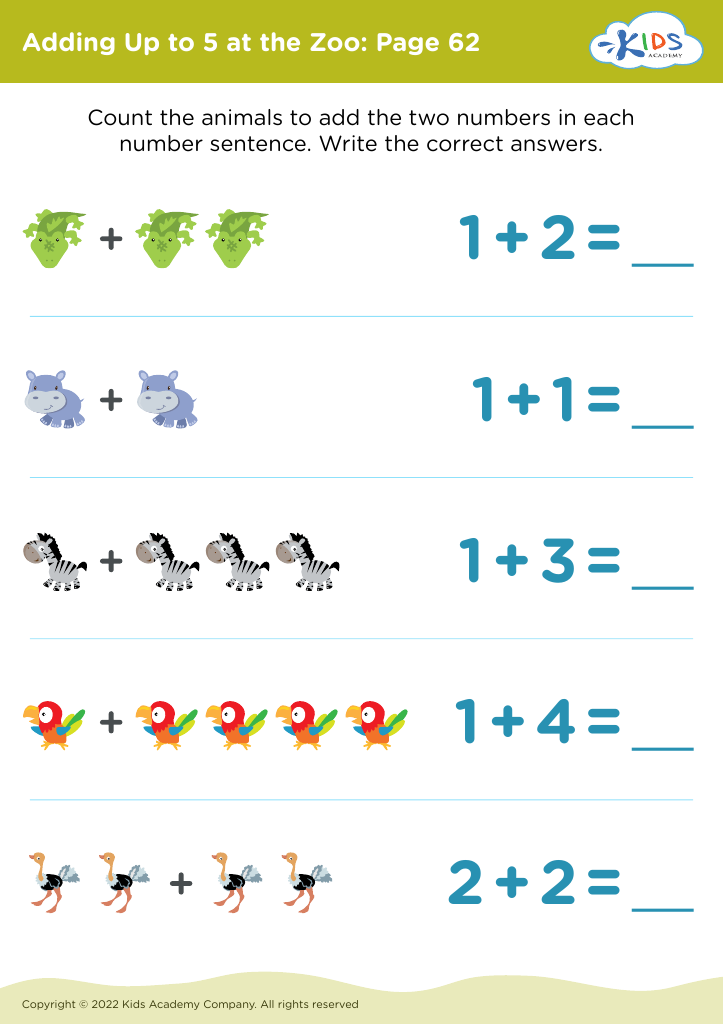
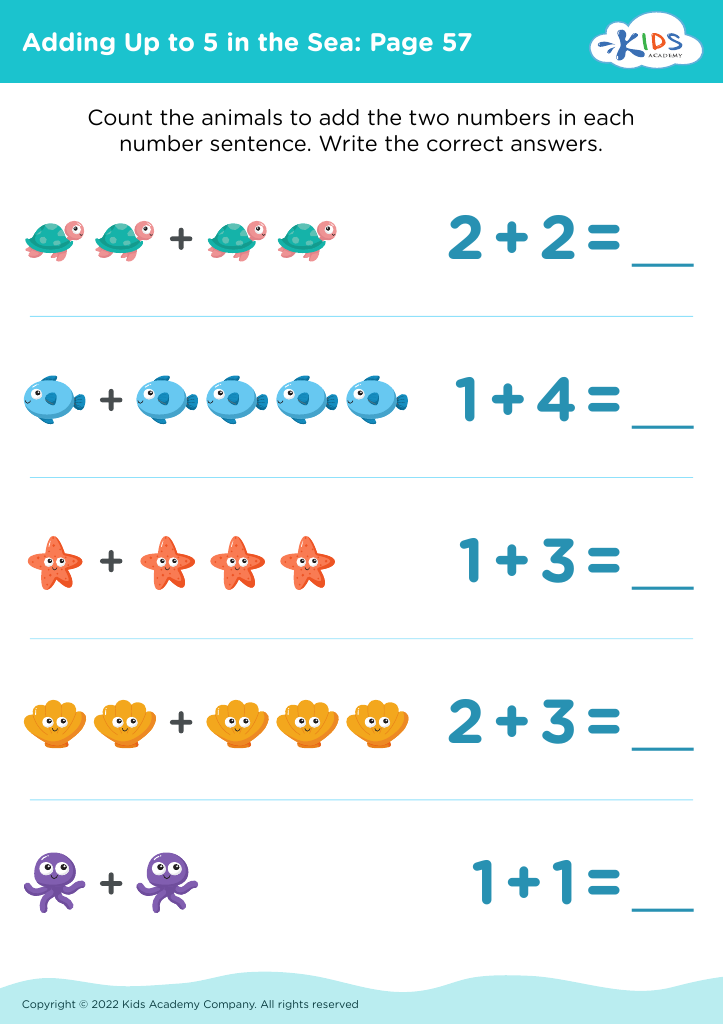
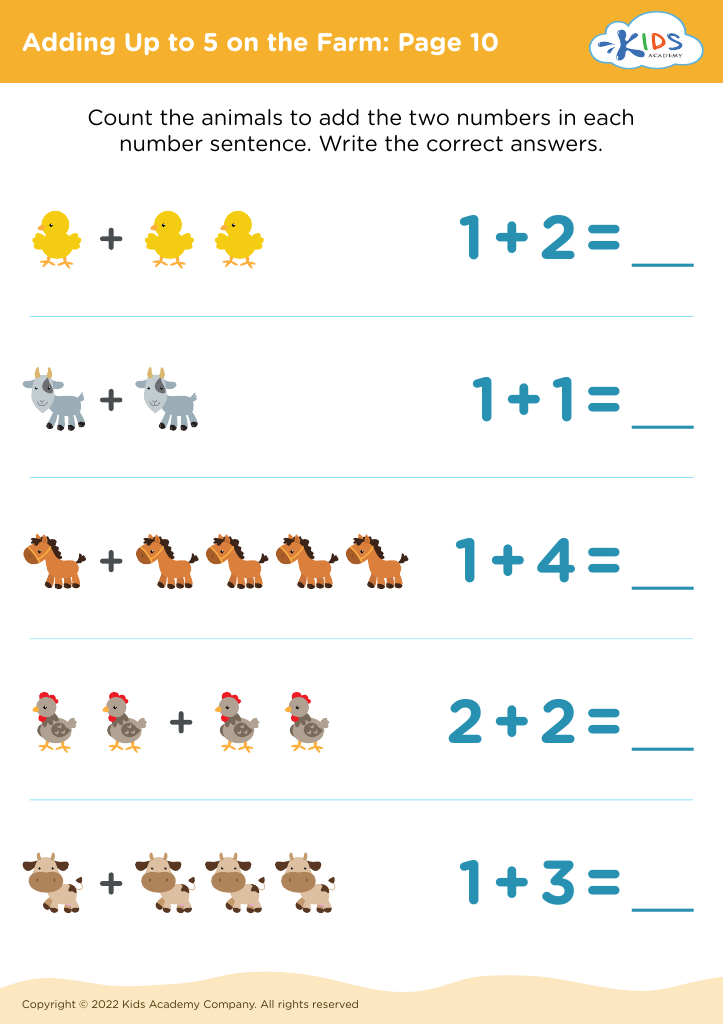
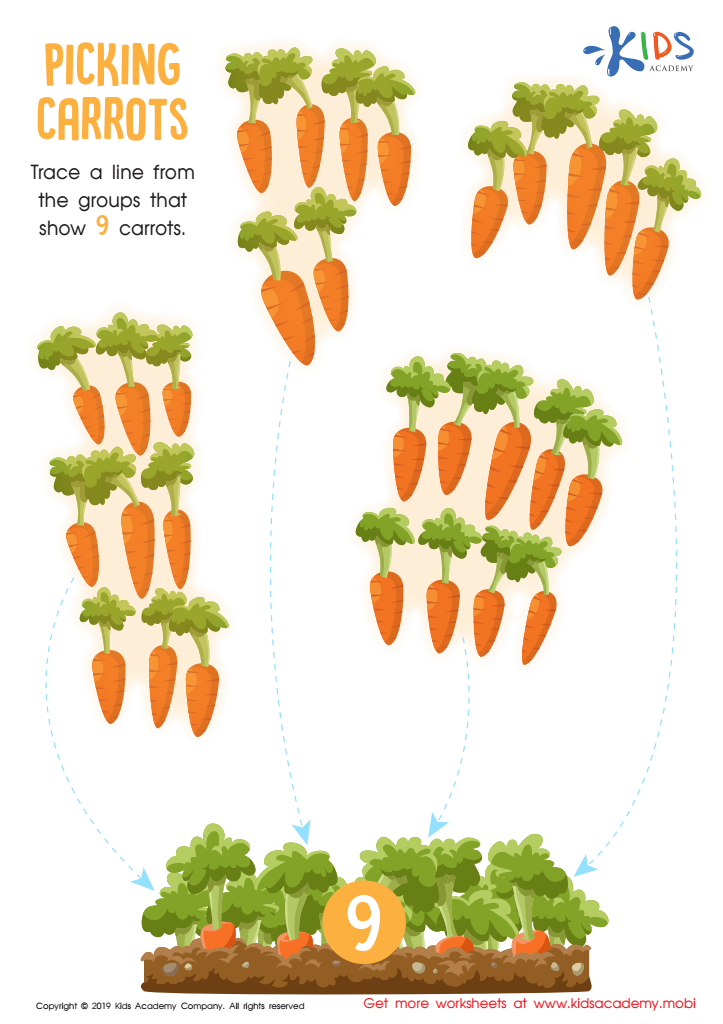
Picking Carrots Worksheet
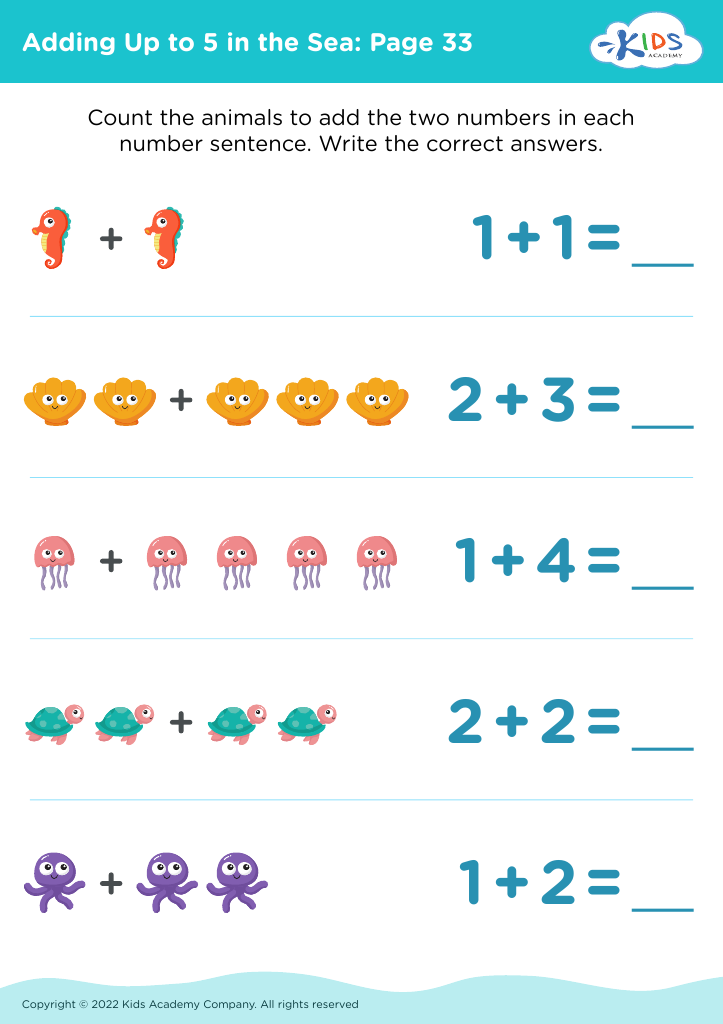
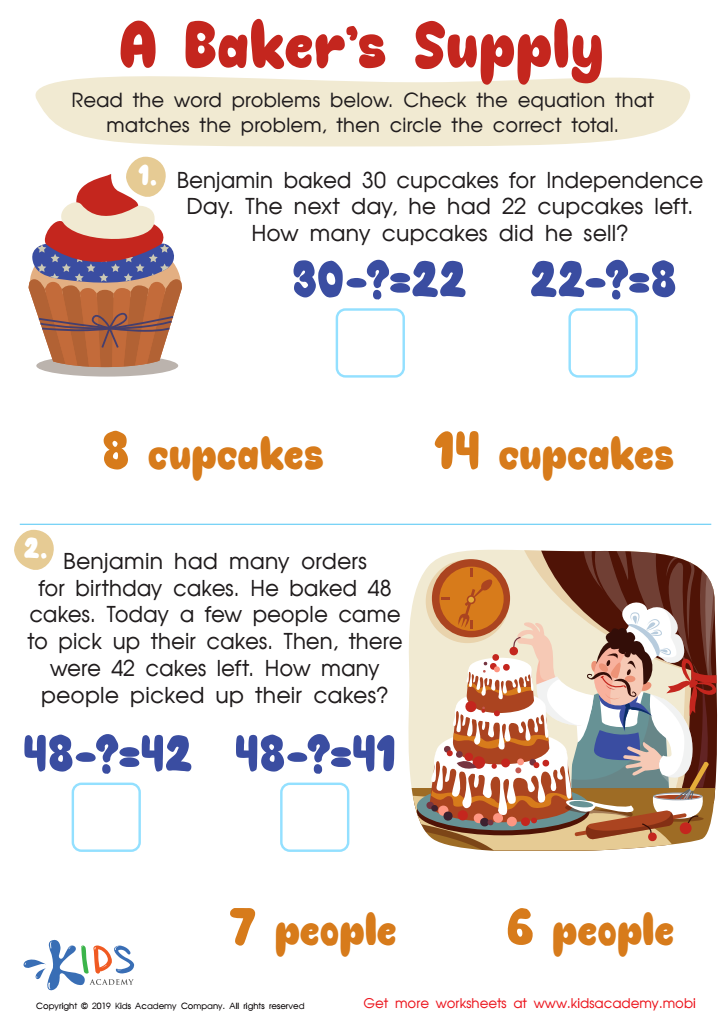
A Baker's Supply Worksheet
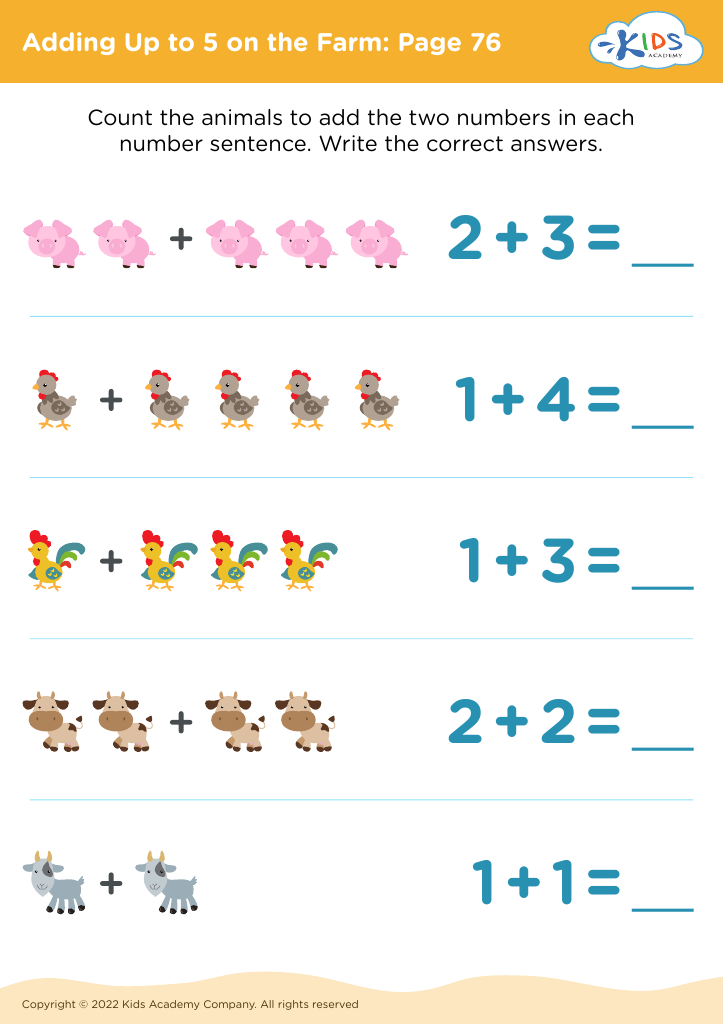
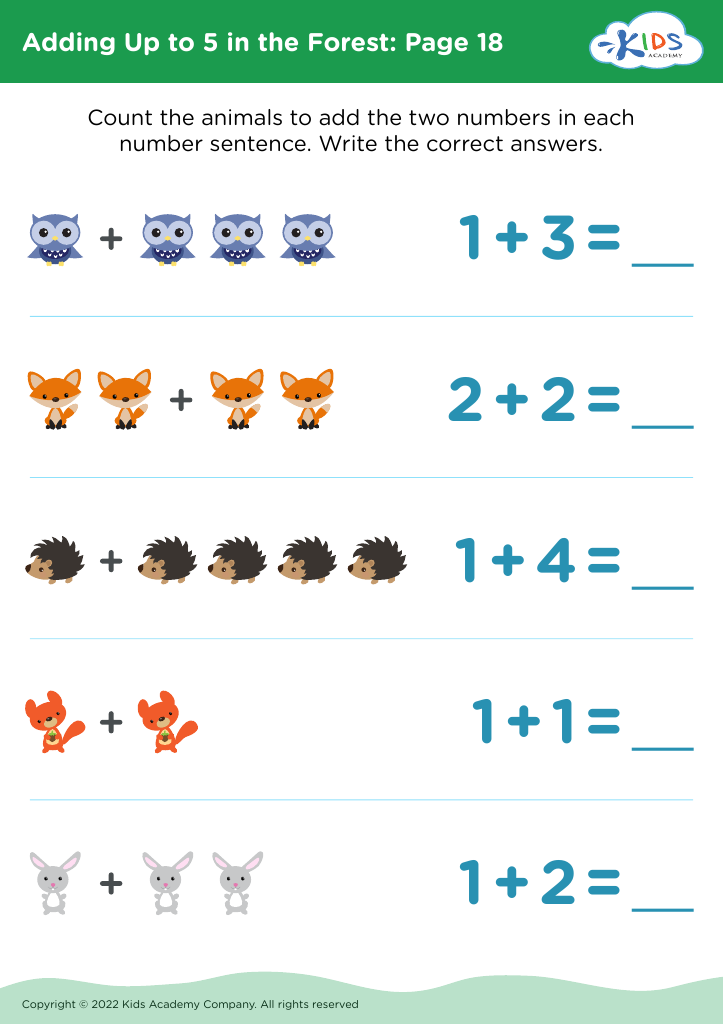
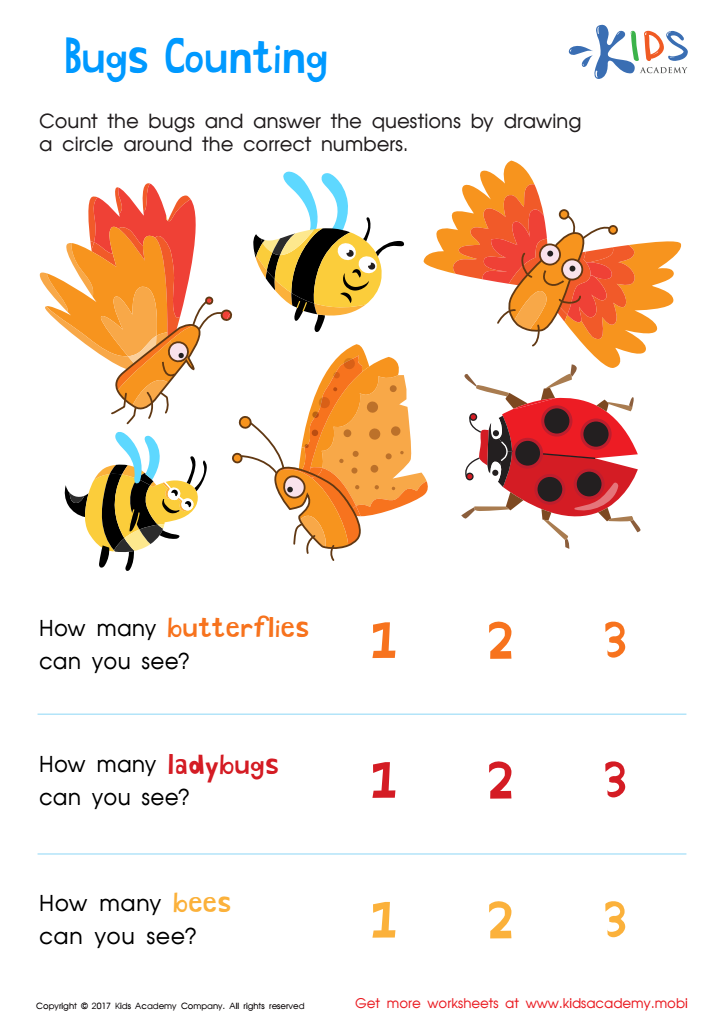
Bugs Counting Worksheet
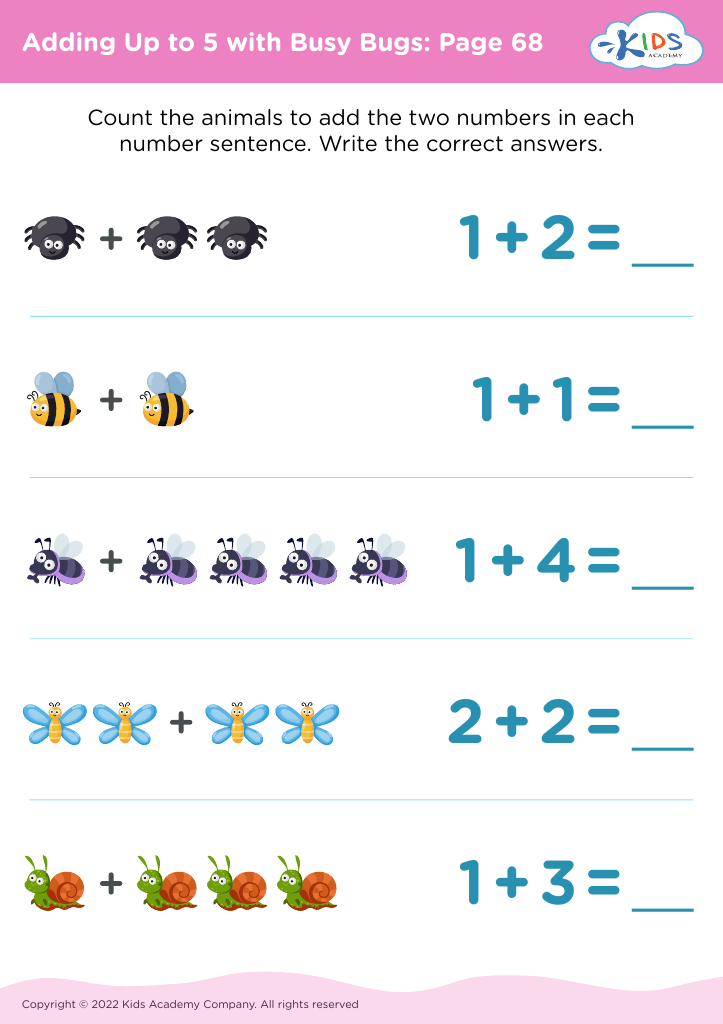
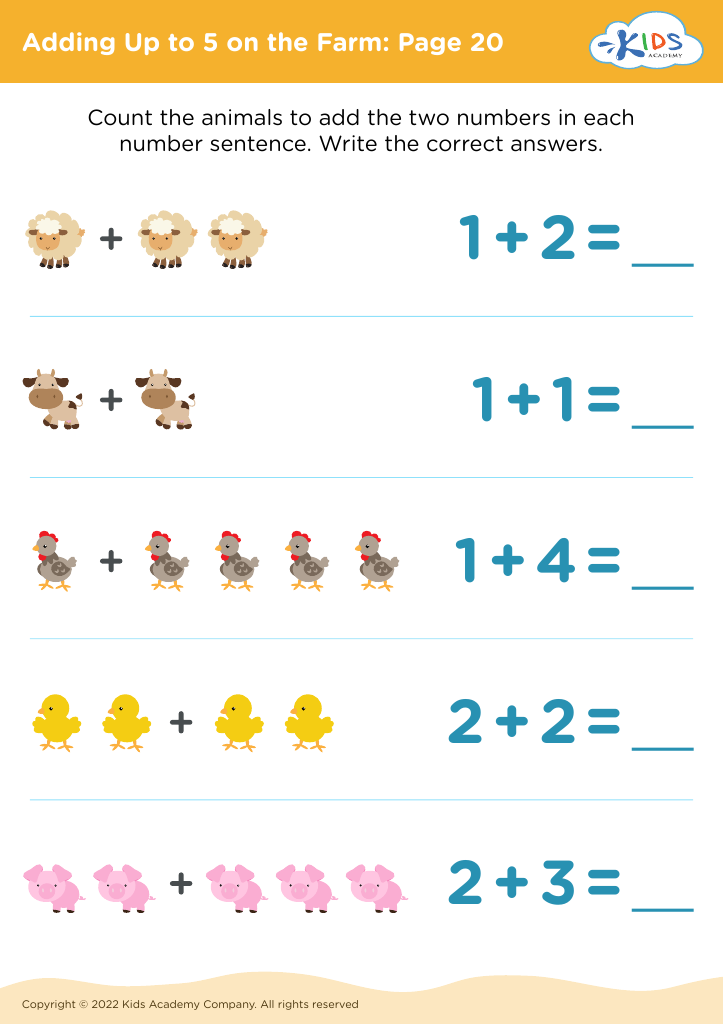
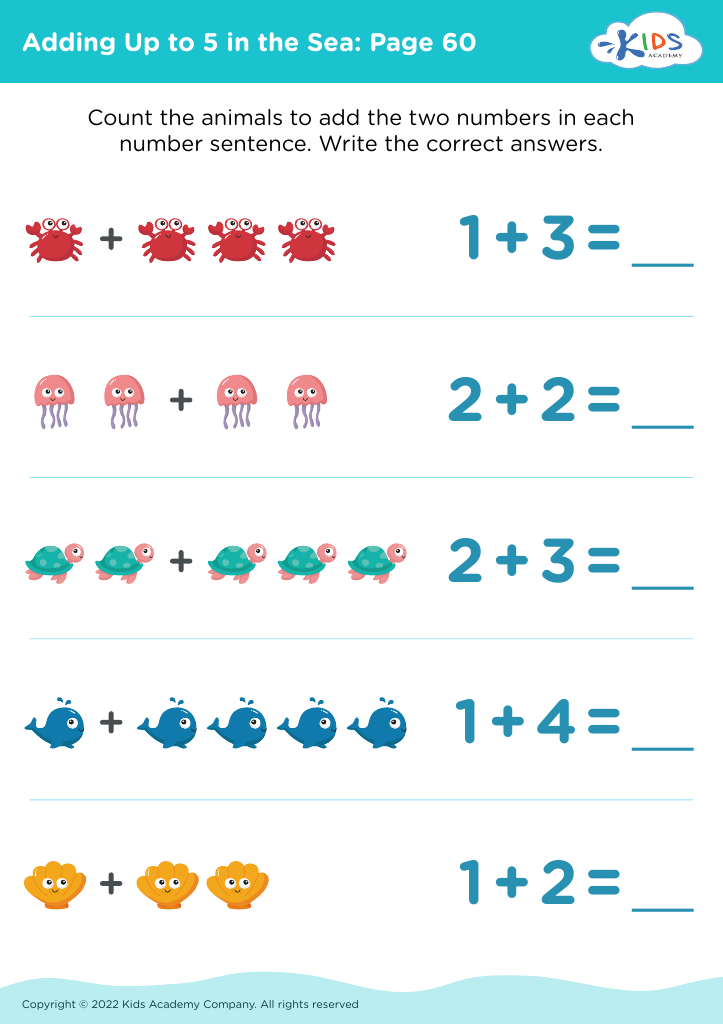
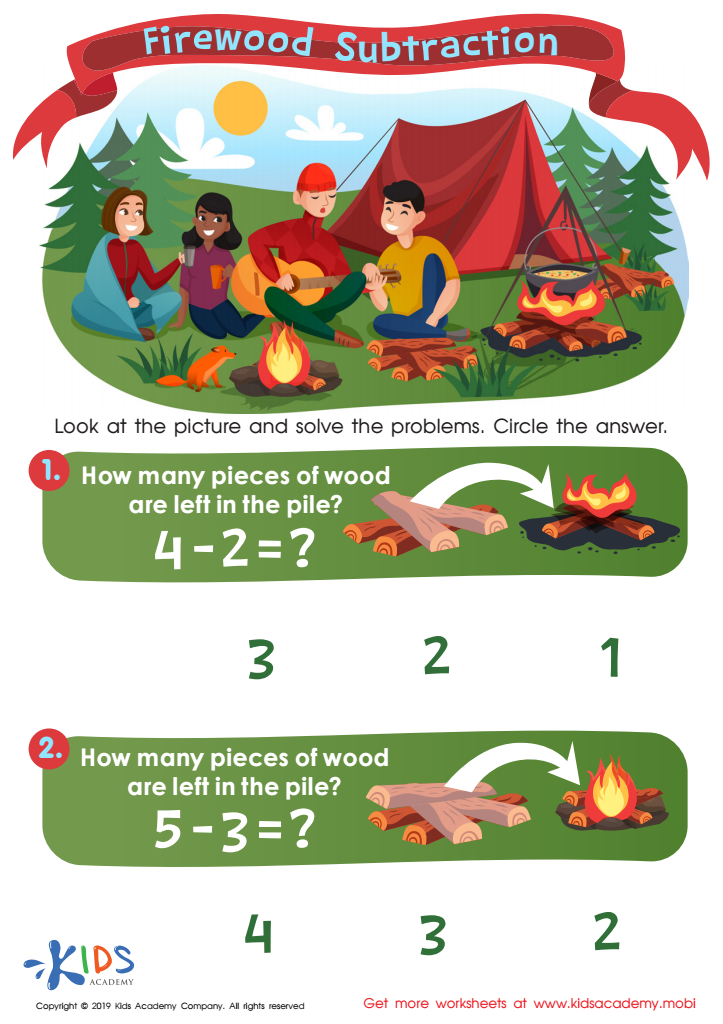
Firewood Subtraction Worksheet
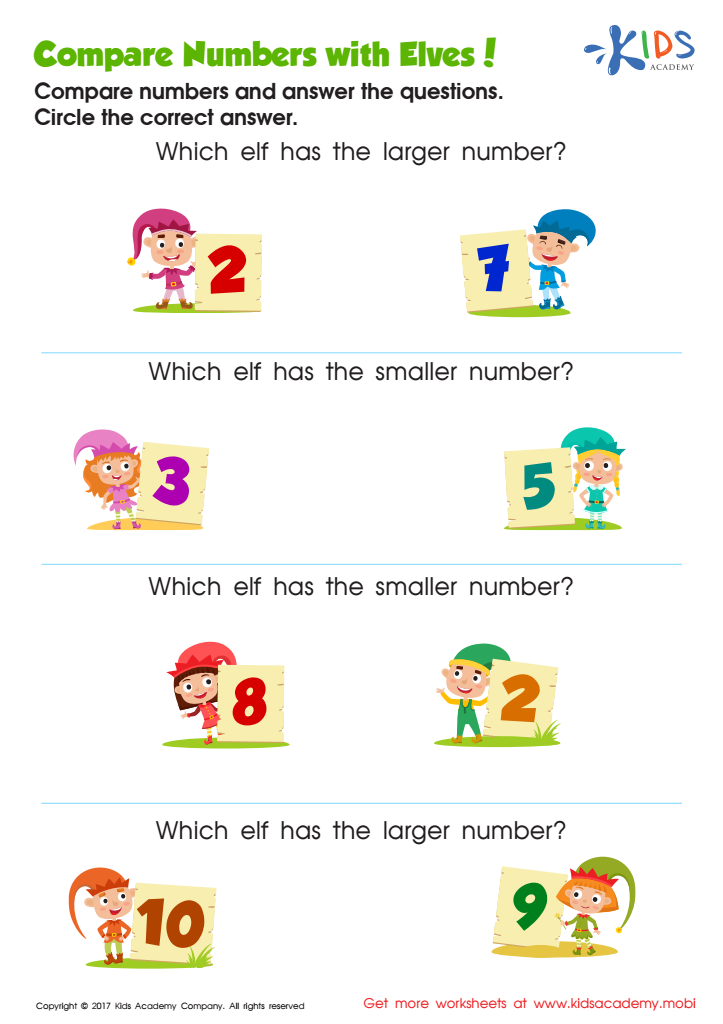
Comparing Numbers Worksheet for Kindergarten
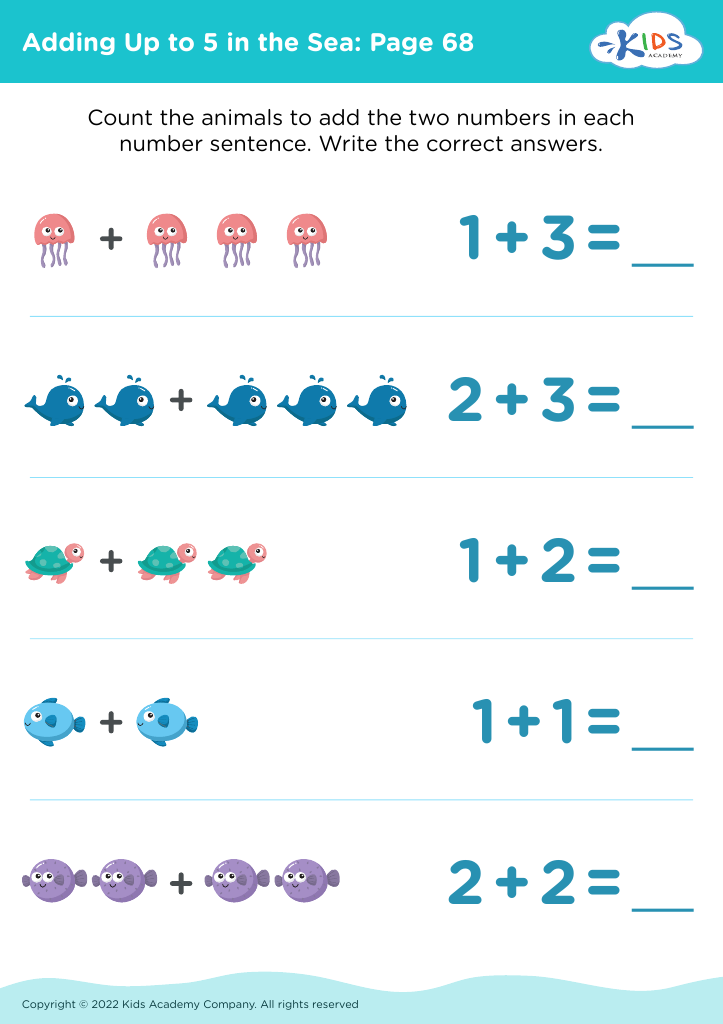
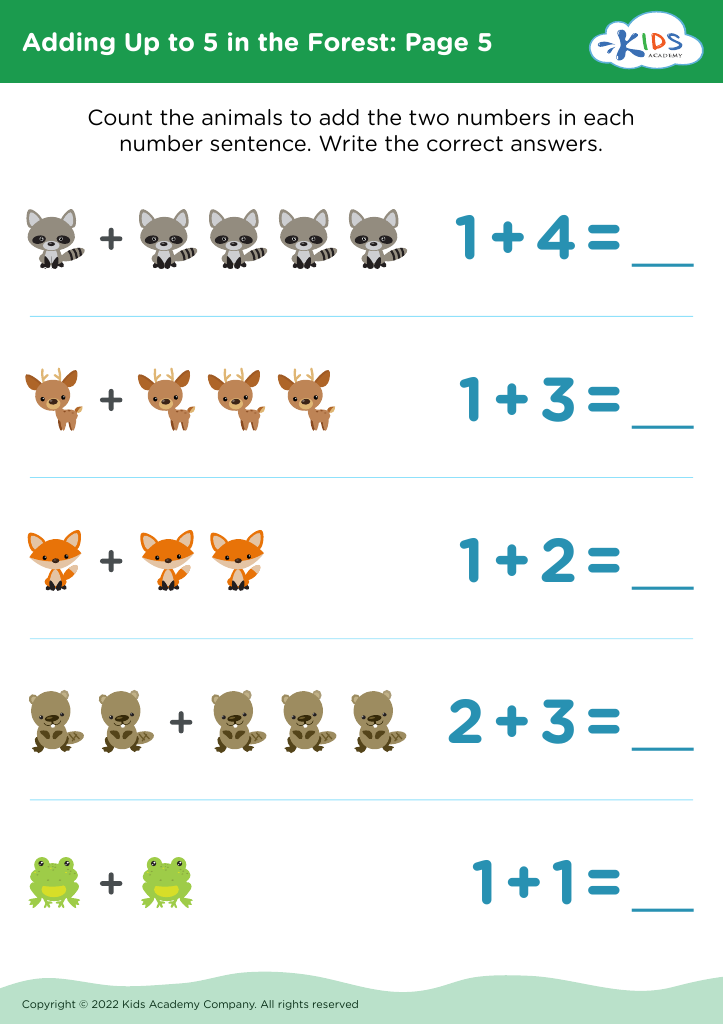
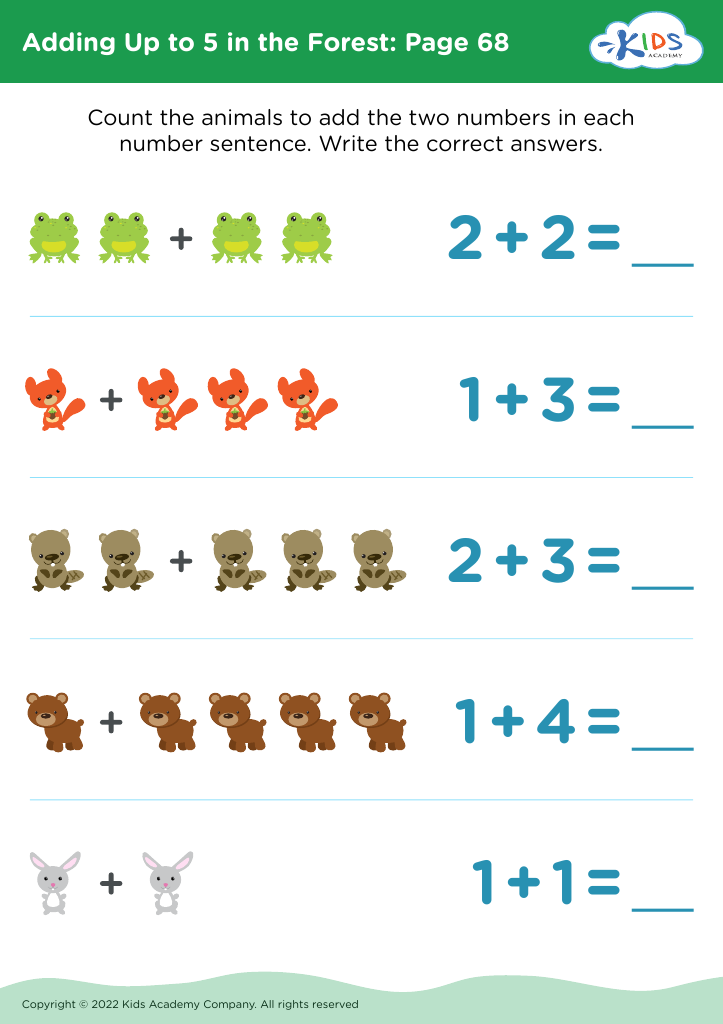
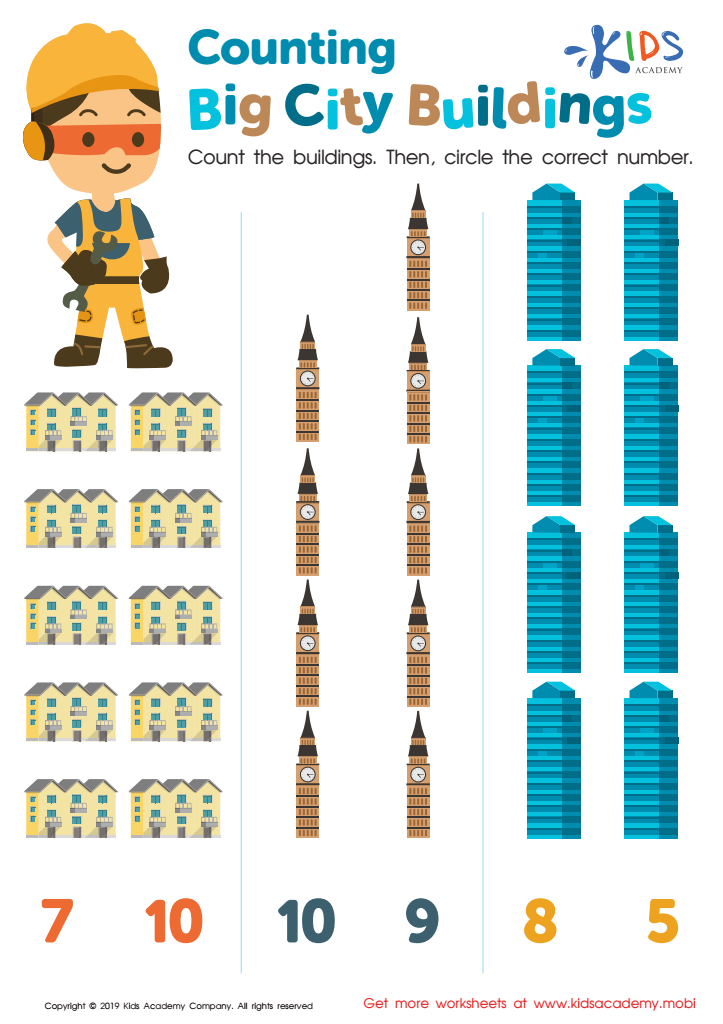
Counting Big City Buildings Worksheet






Understanding quantities is crucial for children aged 3-6 as it lays the foundation for their mathematical development. This early stage is when children begin to make sense of numbers, quantities, and their relationships, forming the basis for future math skills such as addition, subtraction, and even more complex operations.
Parents and teachers should take this seriously because early experiences with math shape attitudes toward the subject. Engaging children in activities that promote understanding quantities fosters curiosity and confidence, allowing them to explore mathematical concepts in a fun and meaningful way. Activities such as counting objects, comparing sizes, and recognizing patterns not only build quantitative skills but also enhance cognitive development.
Moreover, strong numeracy skills are linked to academic success later in life. Children who grasp quantity concepts are more likely to excel in math-related subjects in school, setting them up for future learning and career opportunities. Additionally, involving parents in this process creates a supportive learning environment at home, reinforcing classroom learning and encouraging collaboration. Thus, prioritizing understanding quantities in early math education is vital for fostering a lifelong appreciation and proficiency in mathematics.








