Visualization skills Math Worksheets for Ages 3-6
4 filtered results
-
From - To
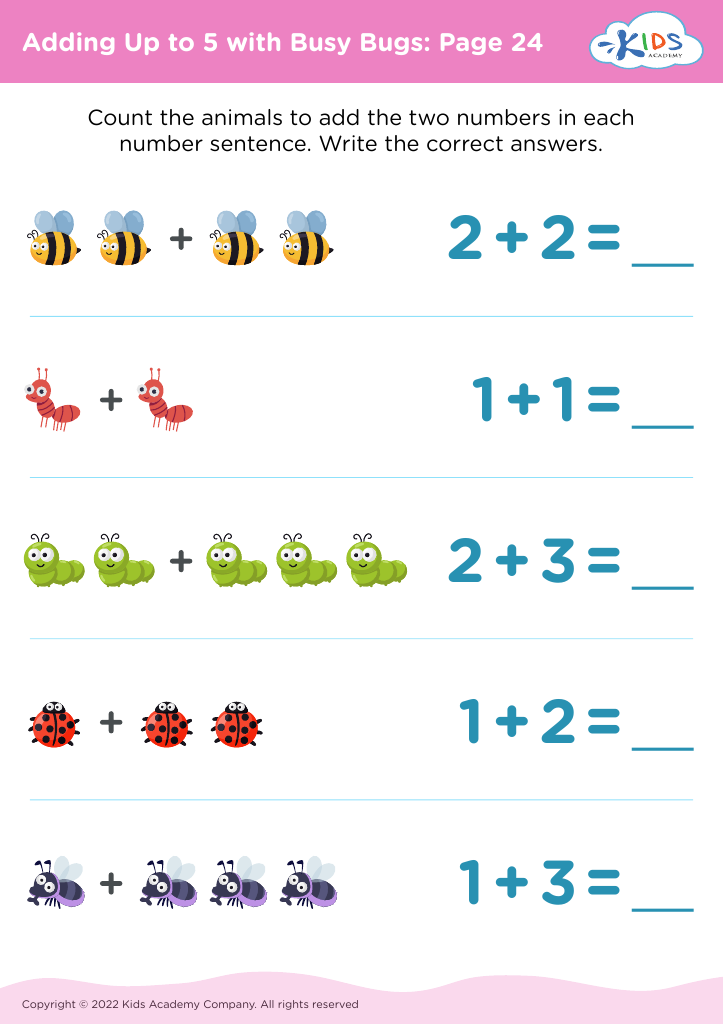
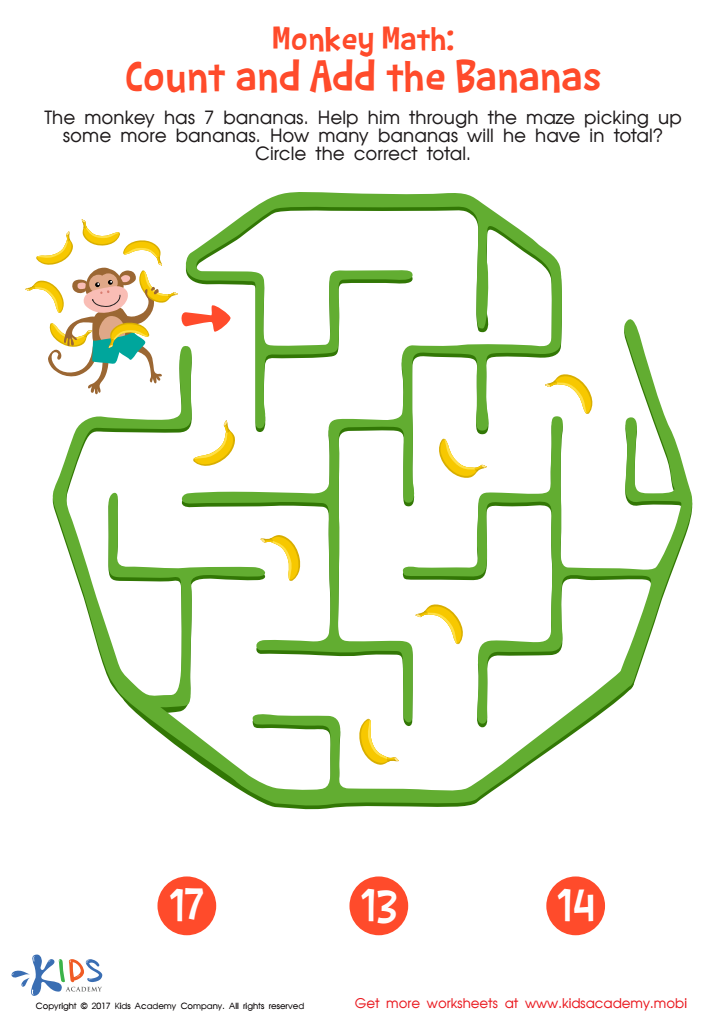
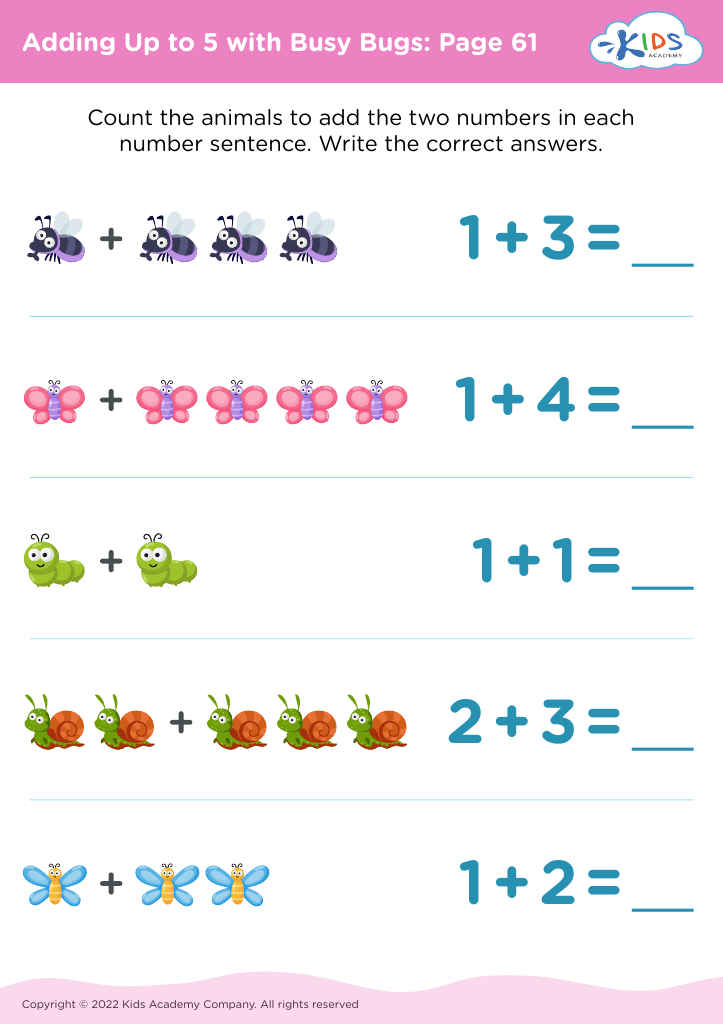
Enhance your child's early math learning with our Visualization Skills Math Worksheets for Ages 3-6. Specially designed to captivate young minds, these printables offer a fun, engaging approach to develop crucial visualization skills. Through colorful images and interactive activities, children will improve spatial reasoning, pattern recognition, and the ability to mentally manipulate shapes. Perfect for preschool and kindergarten readiness, our worksheets foster foundational math skills that support future academic success. Equip your little learner with the tools they need to confidently visualize and solve mathematical problems through imaginative and hands-on practice.
 Assign to My Students
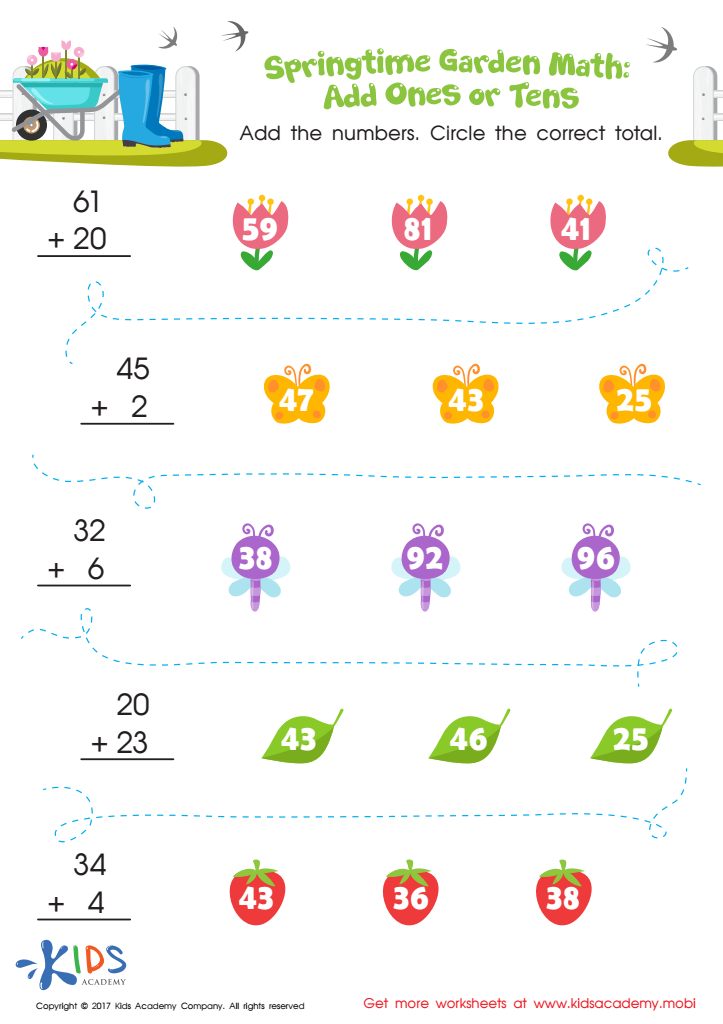
Springtime Garden Math Worksheet





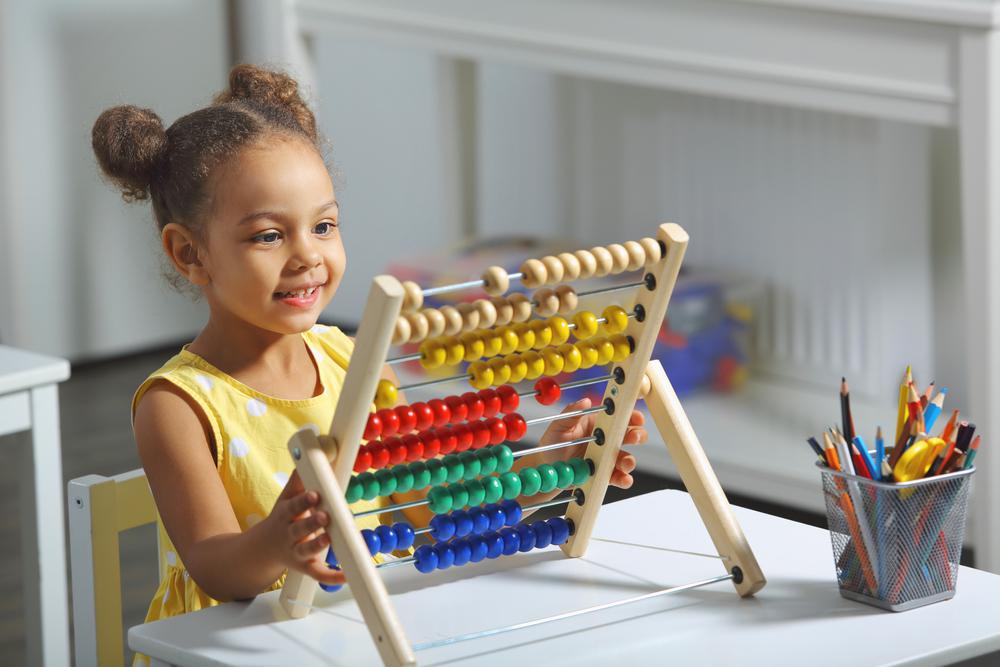
Visualization skills in mathematics are crucial for young children, ages 3-6, as they lay the foundation for later complex mathematical thinking and problem-solving abilities. Developing these skills at an early age helps children to better understand and internalize abstract mathematical concepts.
When children visualize math problems, they can create mental images or physical representations of numbers and operations, making it easier for them to grasp ideas like counting, addition, and subtraction. For instance, using visuals like blocks, finger counting, and drawing can bridge the gap between concrete experiences and abstract thinking. Approaching math this way makes learning a more tangible and enjoyable experience, which can foster a positive attitude towards the subject.
Moreover, strong visualization skills support spatial reasoning, which is essential not only in math, but also in science, technology, engineering, and everyday life. This capability enables children to interpret maps, understand geometry, and decipher patterns.
Additionally, fostering visualization skills can enhance problem-solving strategies and critical thinking. Children learn to break down complex problems into smaller, manageable parts, fostering a systematic approach to finding solutions. This not only boosts their confidence in handling mathematical challenges but also builds a strong cognitive foundation for their educational journey ahead.
Ultimately, prioritizing visualization in early math learning helps children develop a robust mathematical toolkit that benefits their academic and personal growth.








