Logical thinking Matching Worksheets for Ages 3-6
5 filtered results
-
From - To
Enhance your child's logical thinking skills with our engaging matching worksheets designed for ages 3-6! These worksheets provide a fun and interactive way for young learners to develop essential cognitive abilities. Through colorful images and relatable themes, children will enjoy matching items, fostering critical thinking, and improving their problem-solving skills. Ideal for home or classroom use, our worksheets cater to diverse learning styles while keeping young minds actively engaged. Each activity not only promotes cognitive development but also nurtures creativity and focus. Explore our collection today and watch your child’s logical thinking flourish as they learn through play!
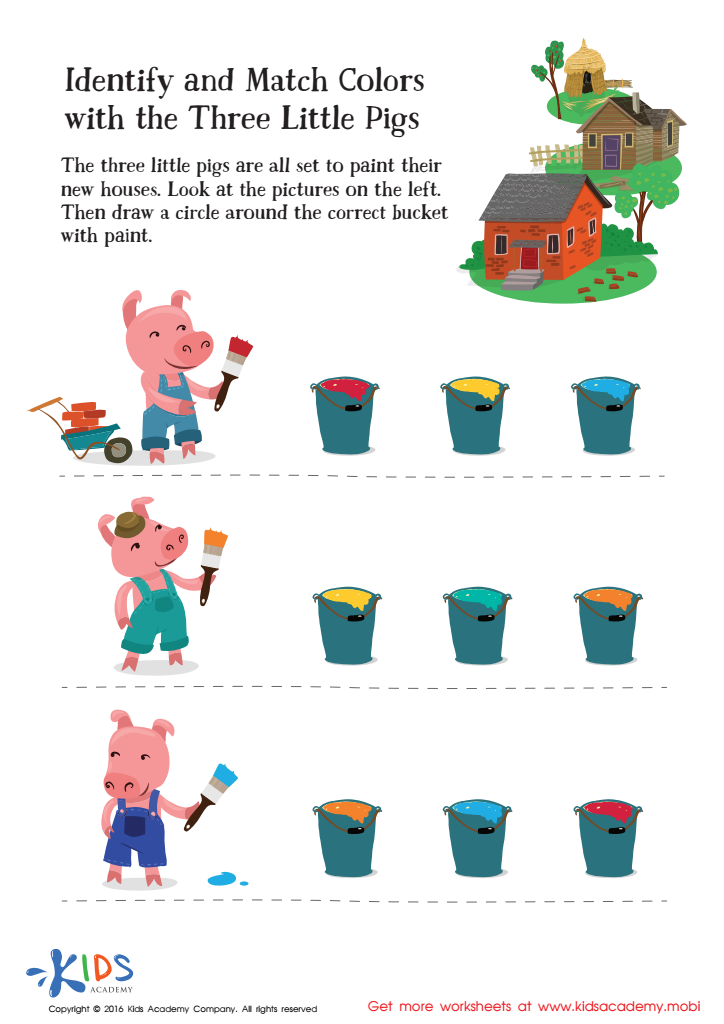
Fairy Tale Worksheet: Identify and Match Colors with Three Little Pigs
 Assign to My Students
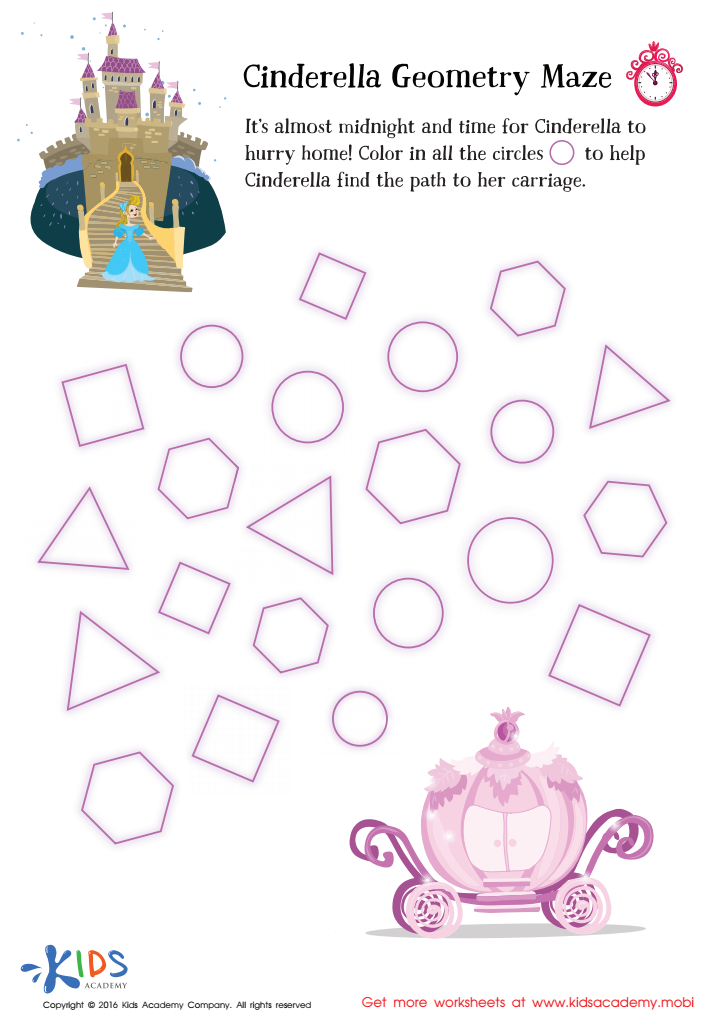
Cinderella Geometry Maze Worksheet
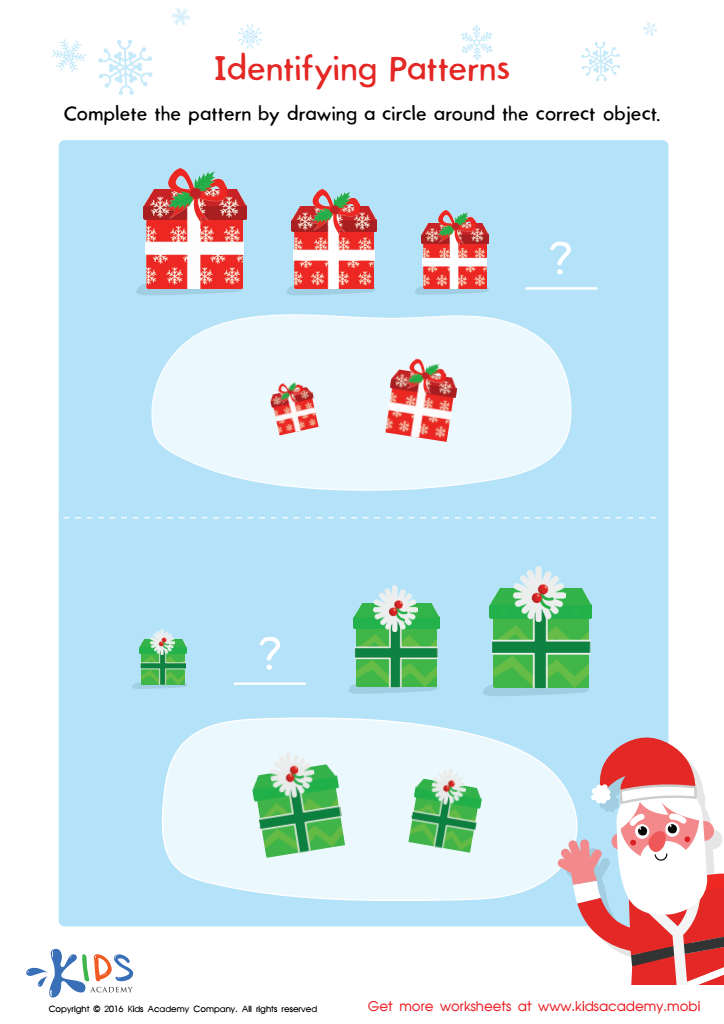
Identifying Patterns Worksheet
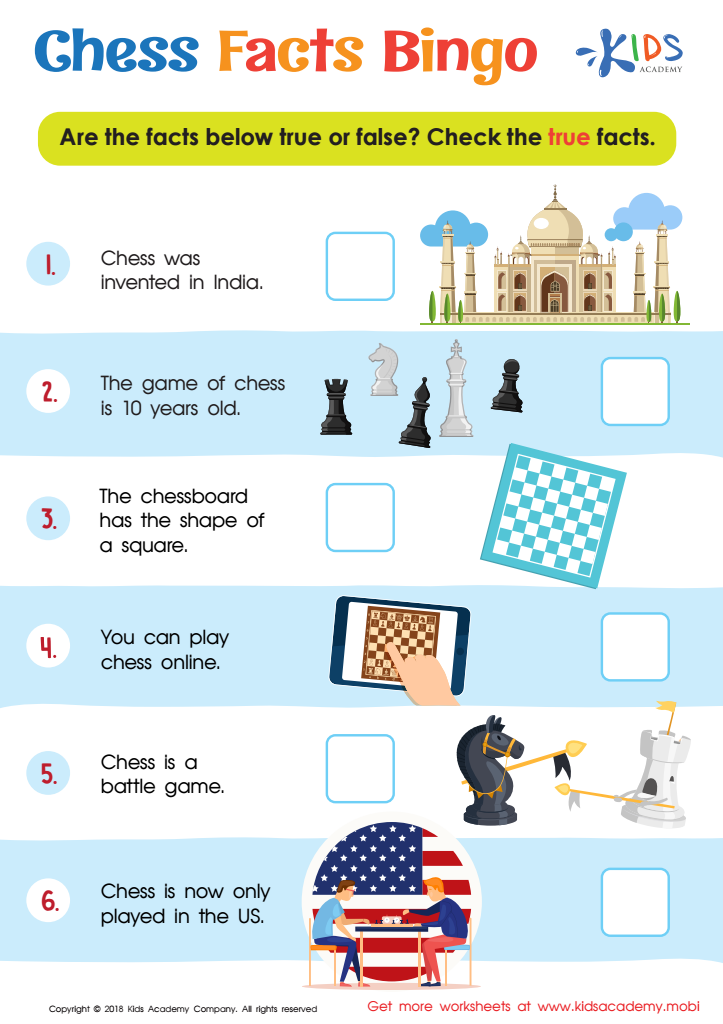
Chess Facts Bingo Worksheet
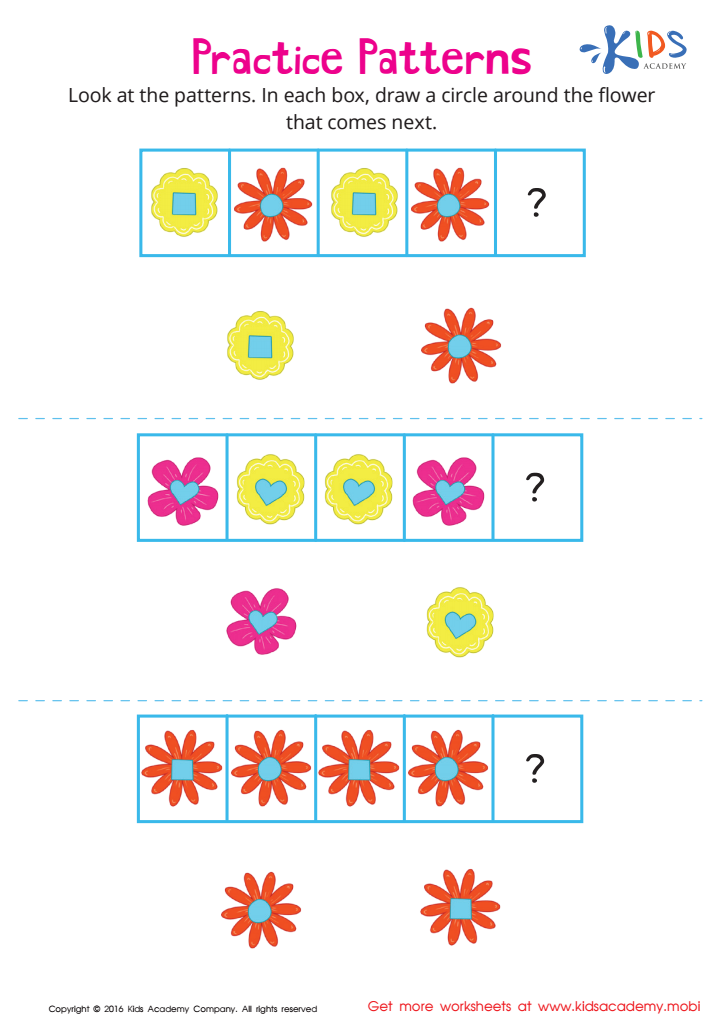








Logical thinking matching activities for children ages 3-6 are crucial for their cognitive development and future problem-solving skills. These activities help young learners make connections between similar concepts, enhancing their ability to discern patterns, categorize information, and develop critical thinking. Engaging in logical matching exercises fosters curiosity, encouraging children to explore relationships and draw conclusions, which are foundational skills for academic success.
Parents and teachers should care about logical thinking matching as it lays the groundwork for more complex reasoning later on. Early exposure to these activities not only boosts a child's confidence in their abilities but also nurtures creativity through exploration. By participating in matching games, children learn to communicate their thought processes, honing their verbal skills and promoting social interaction.
Moreover, logical thinking matching can be easily integrated into play, making learning enjoyable and effective. Adults can facilitate this learning by incorporating everyday objects or themed games, turning routine experiences into valuable educational opportunities. Investing in these activities now can lead to better academic performance and improved life skills, ultimately empowering children to navigate the challenges they will face as they grow. Hence, fostering logical thinking should be a priority for parents and educators alike.








