Numbers 0–10 Worksheets for Ages 3-6 - Page 2
157 filtered results
-
From - To
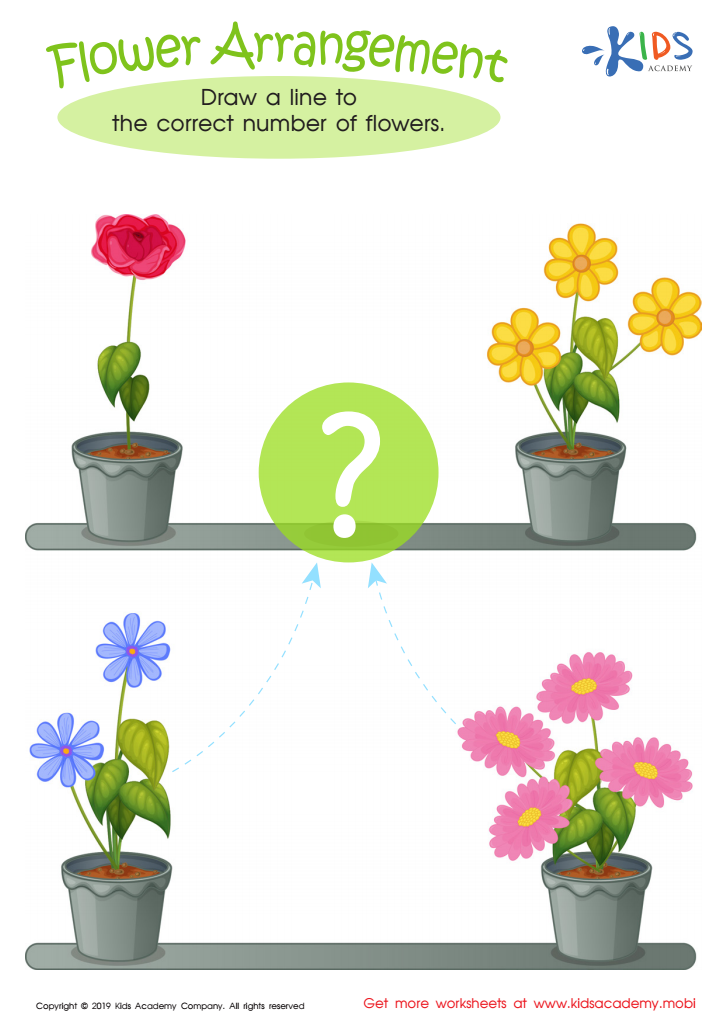
Flower Arrangement Worksheet
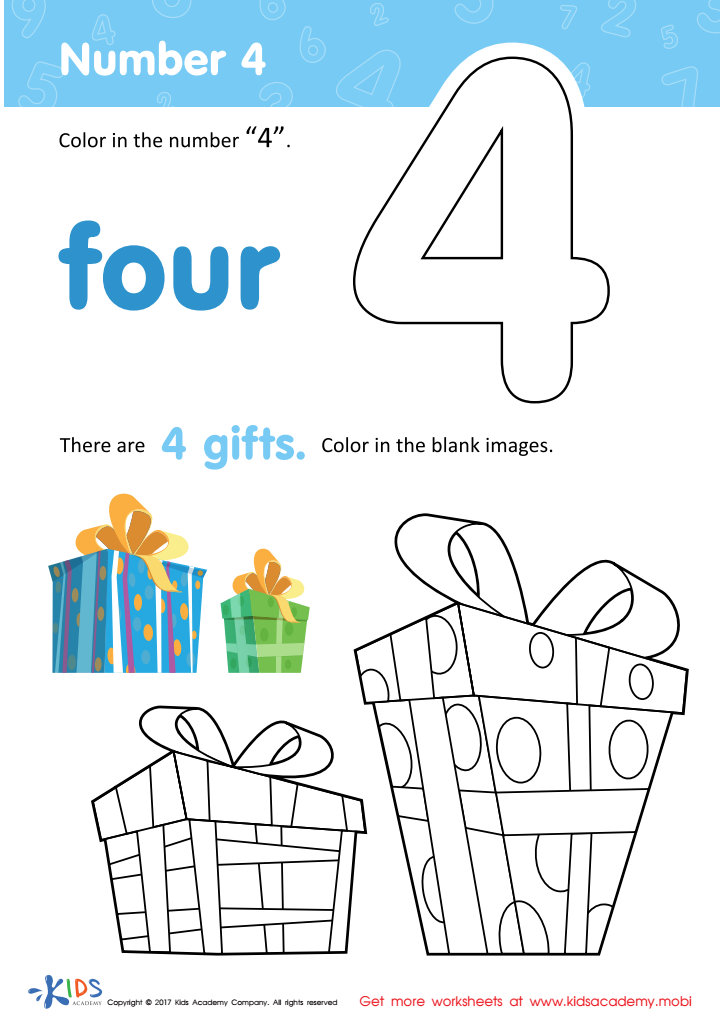
Number 4 Printable
 Assign to My Students
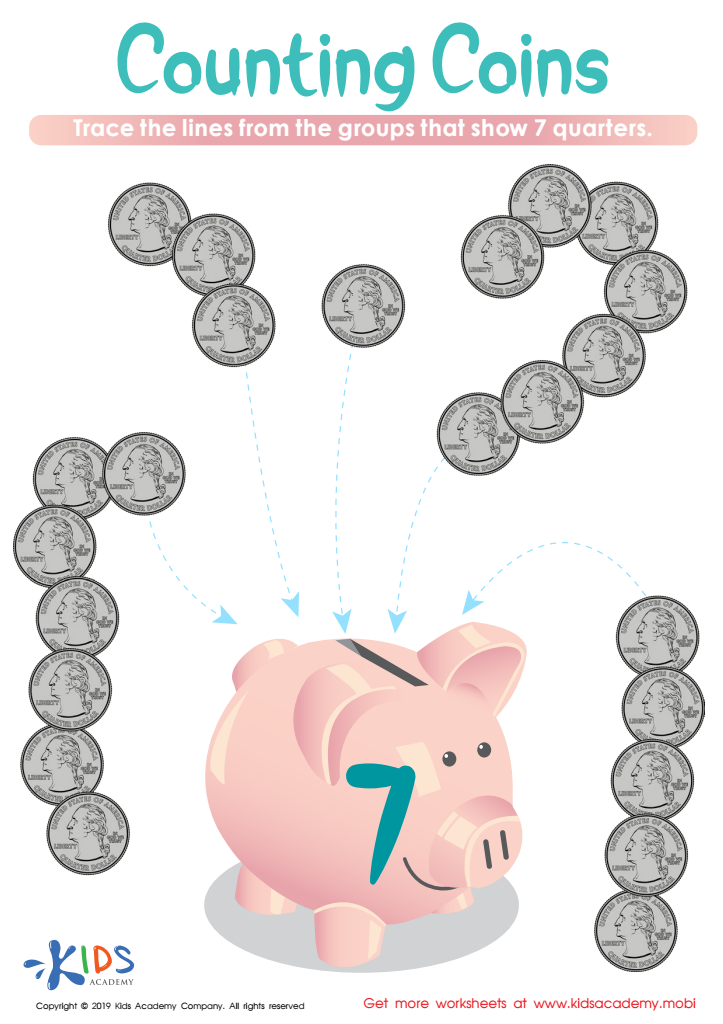
Counting Coins Worksheet
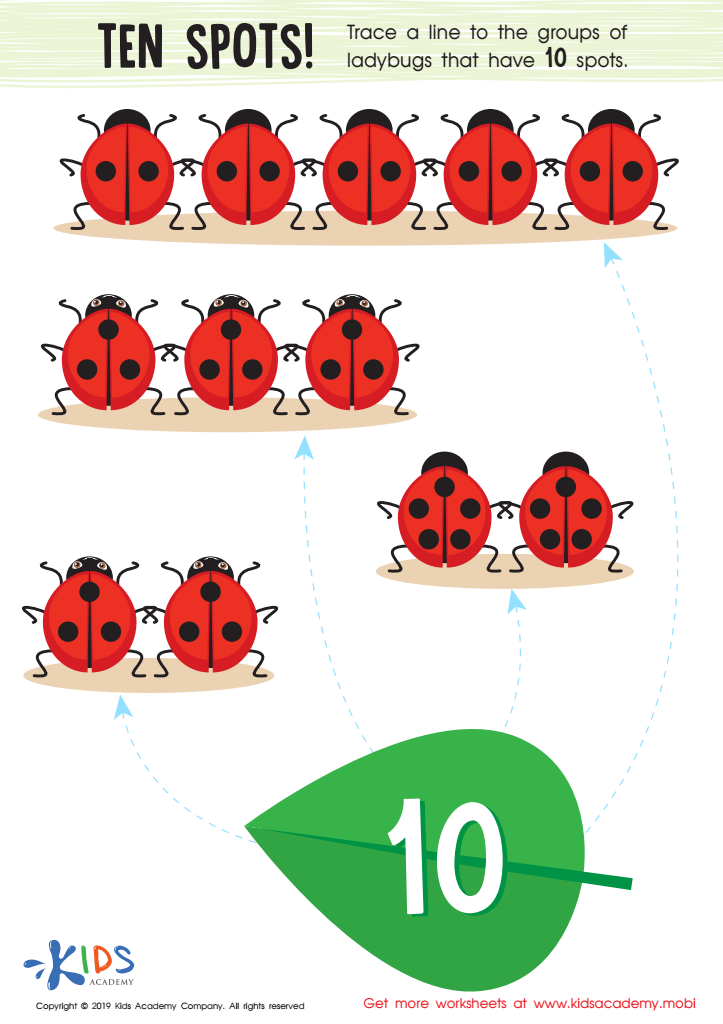
Ten Spots Worksheet
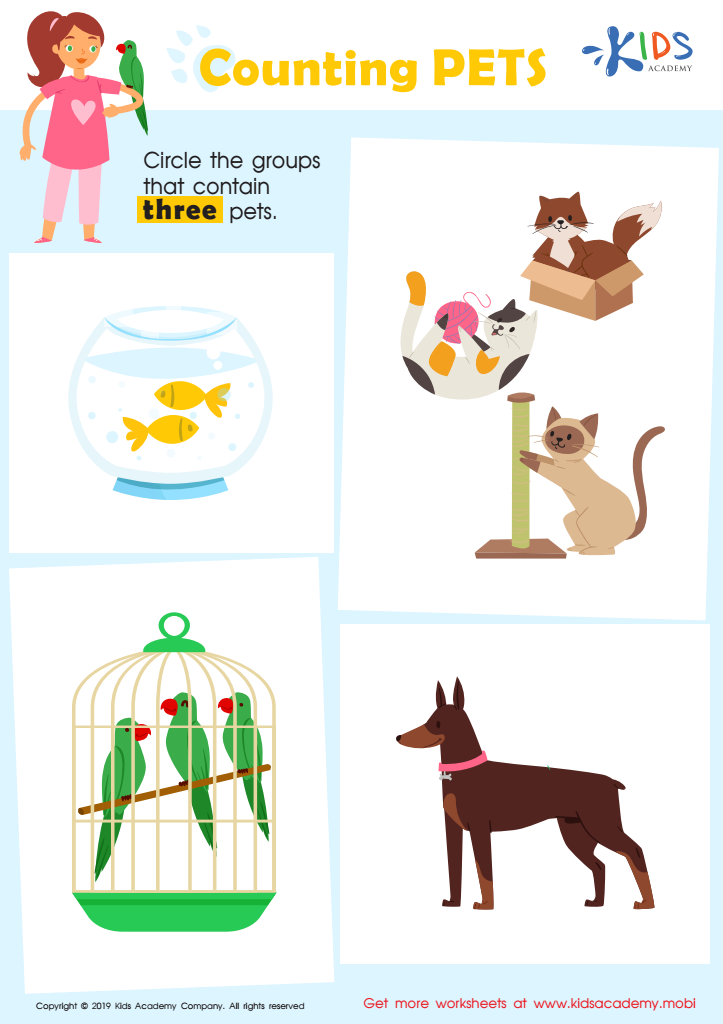
Counting Pets Worksheet
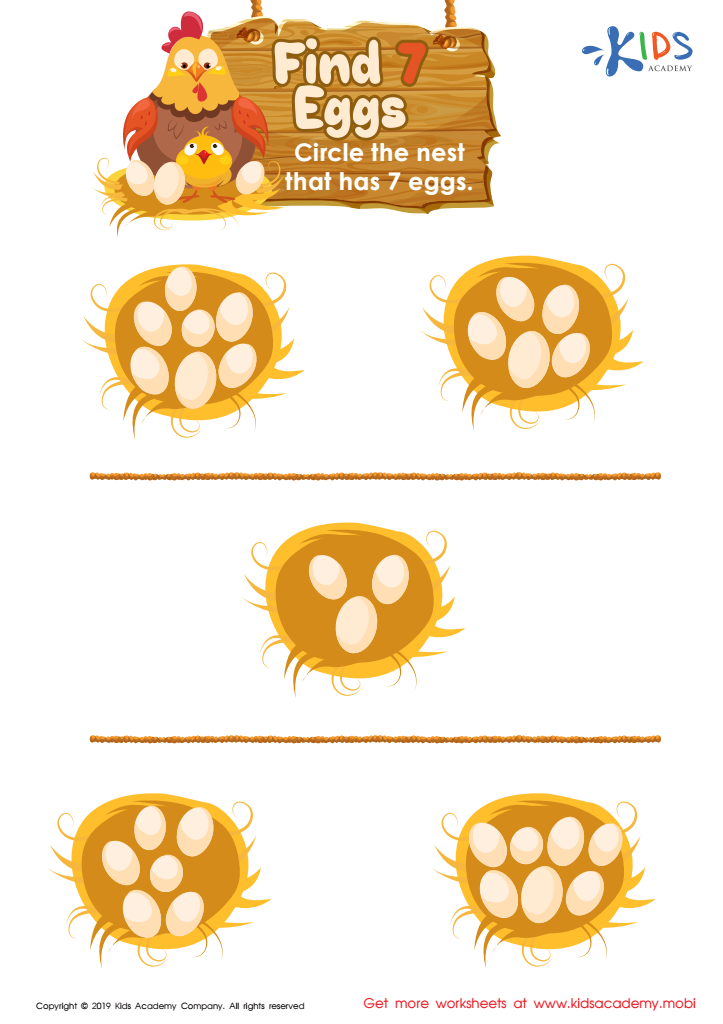
Find 7 Eggs Worksheet
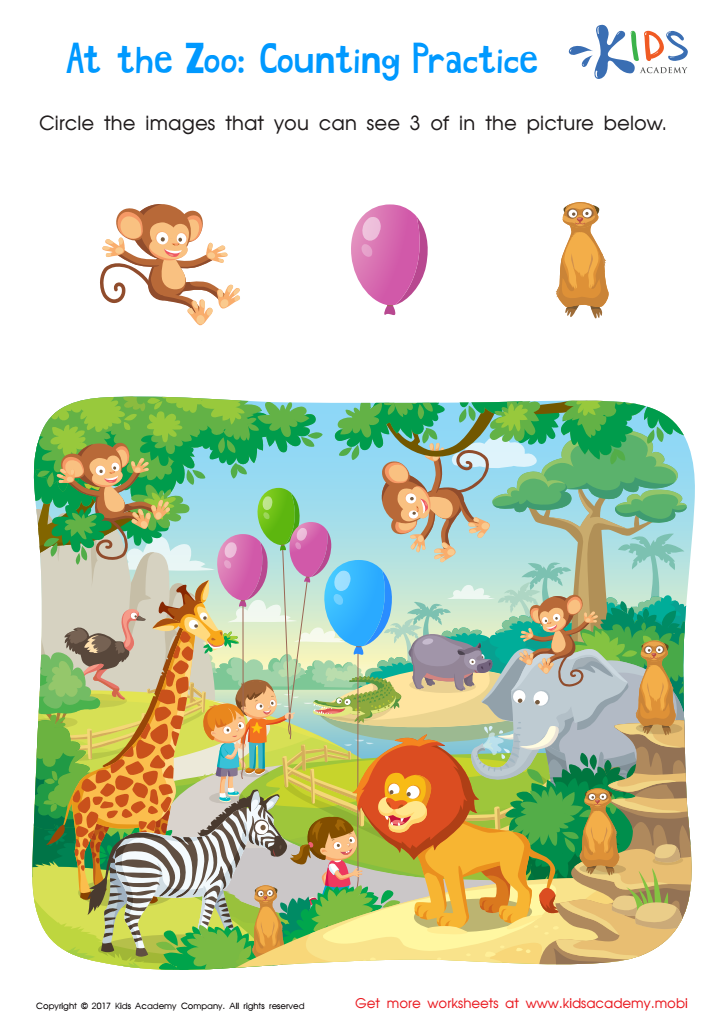
At the Zoo: Counting Practice Worksheet
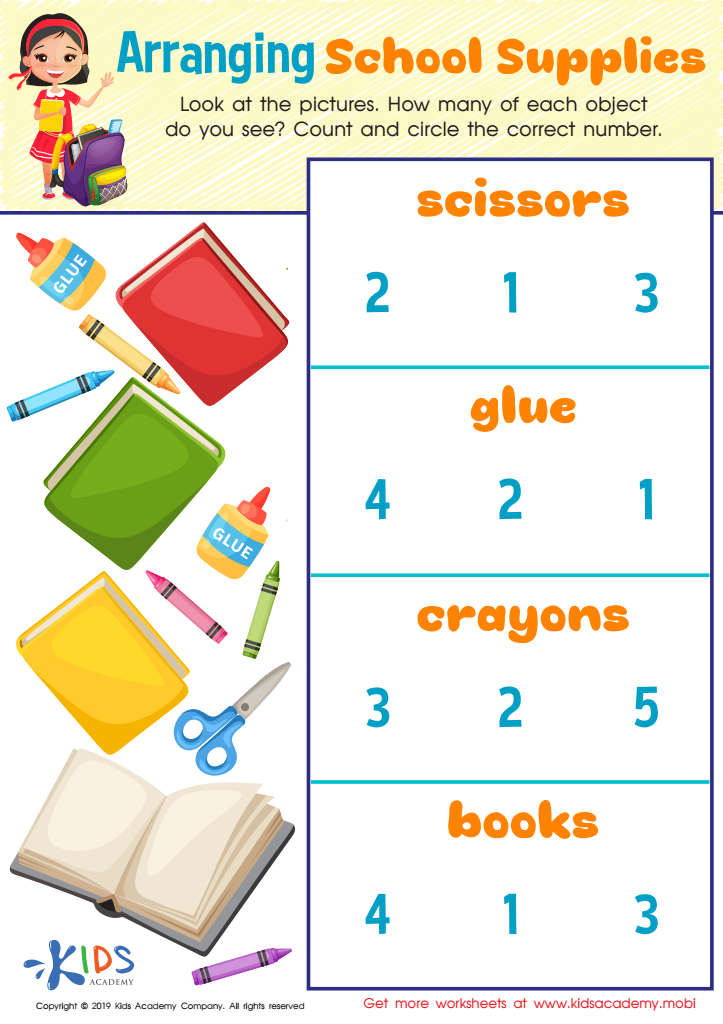
Arranging School Supplies Worksheet
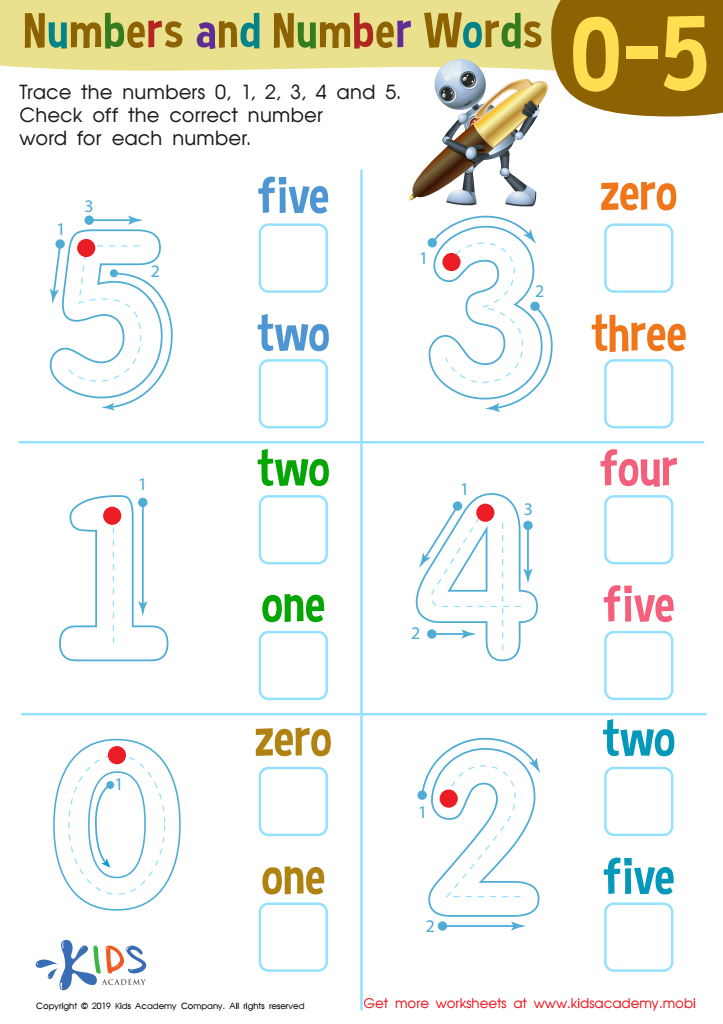
Numbers and Number Words Worksheet
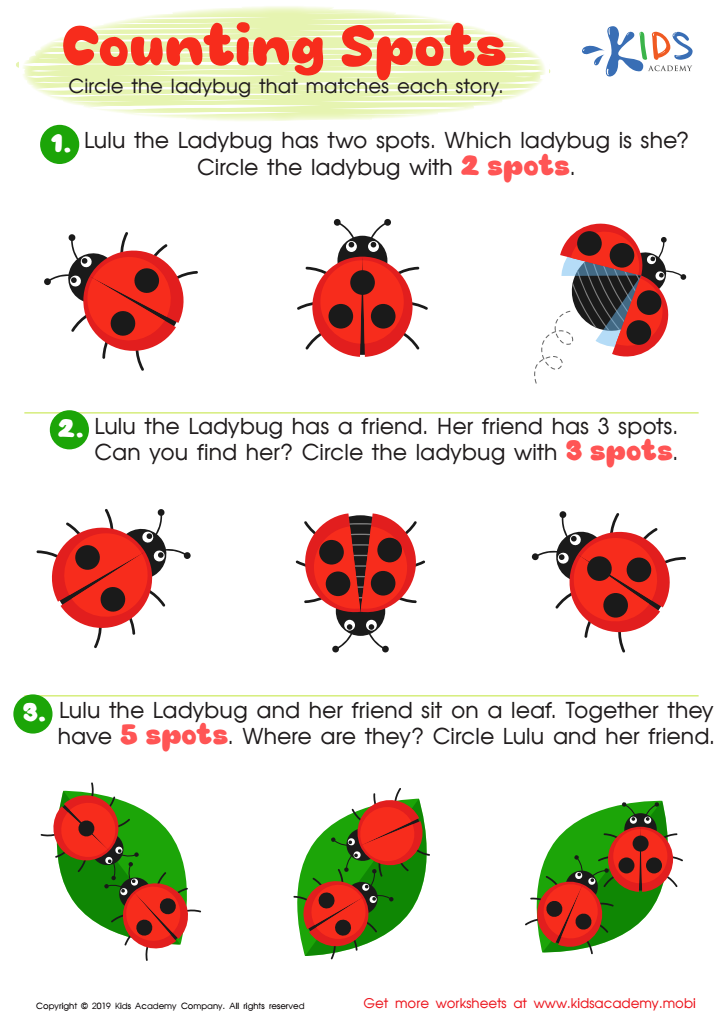
Counting Spots Worksheet
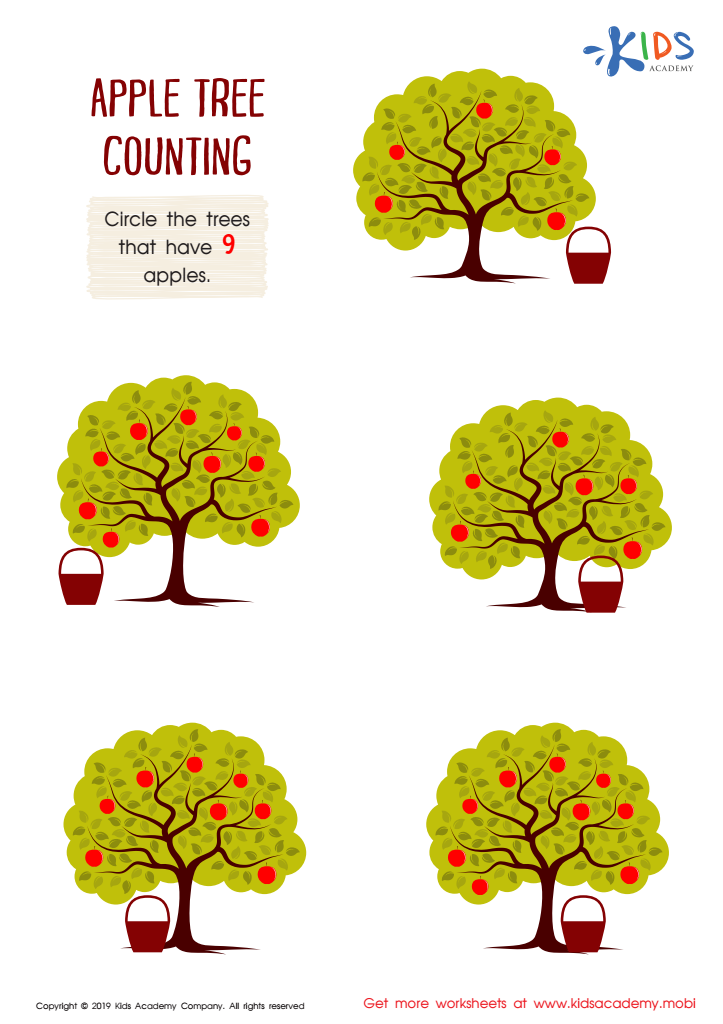
Apple Tree Counting Worksheet
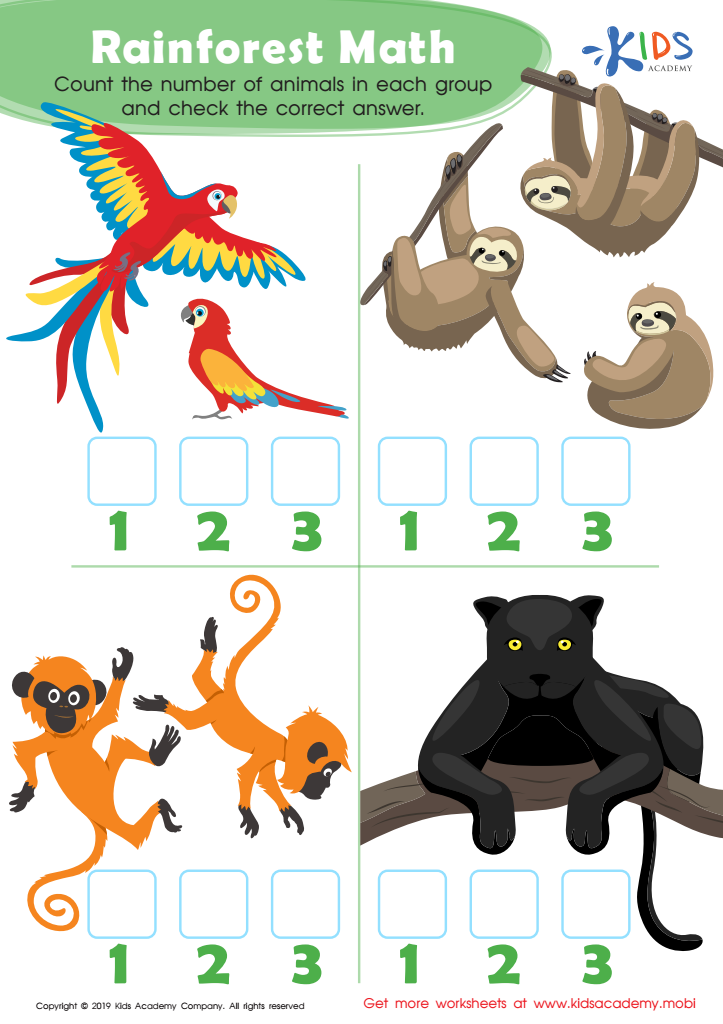
Rainforest Math Worksheet
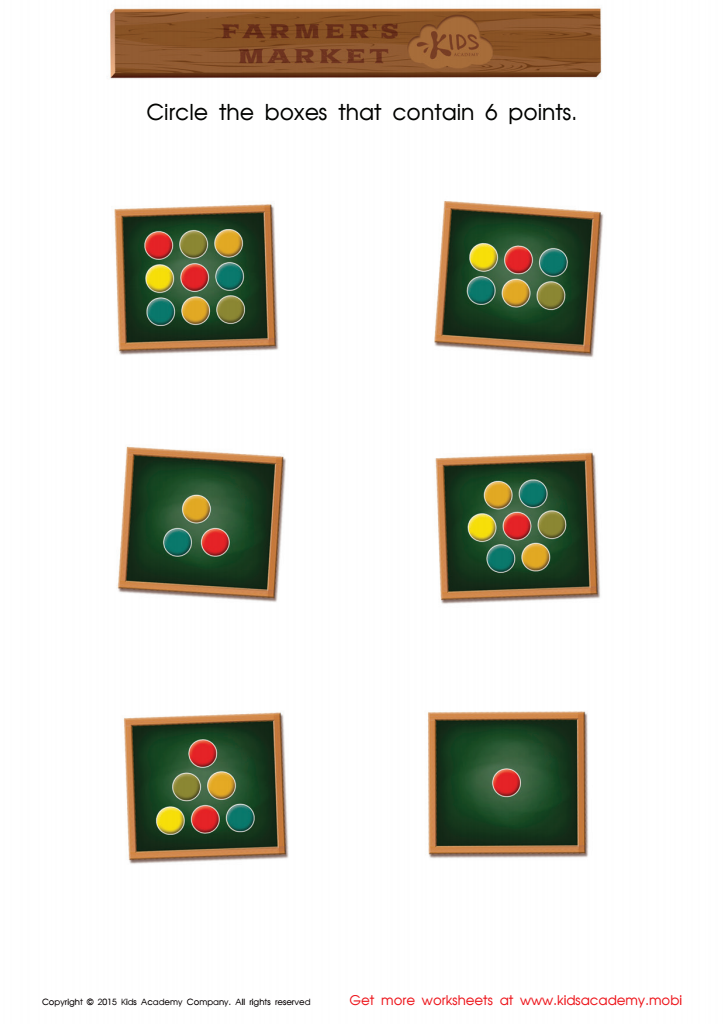
Count and Match Points 6 Math Worksheet
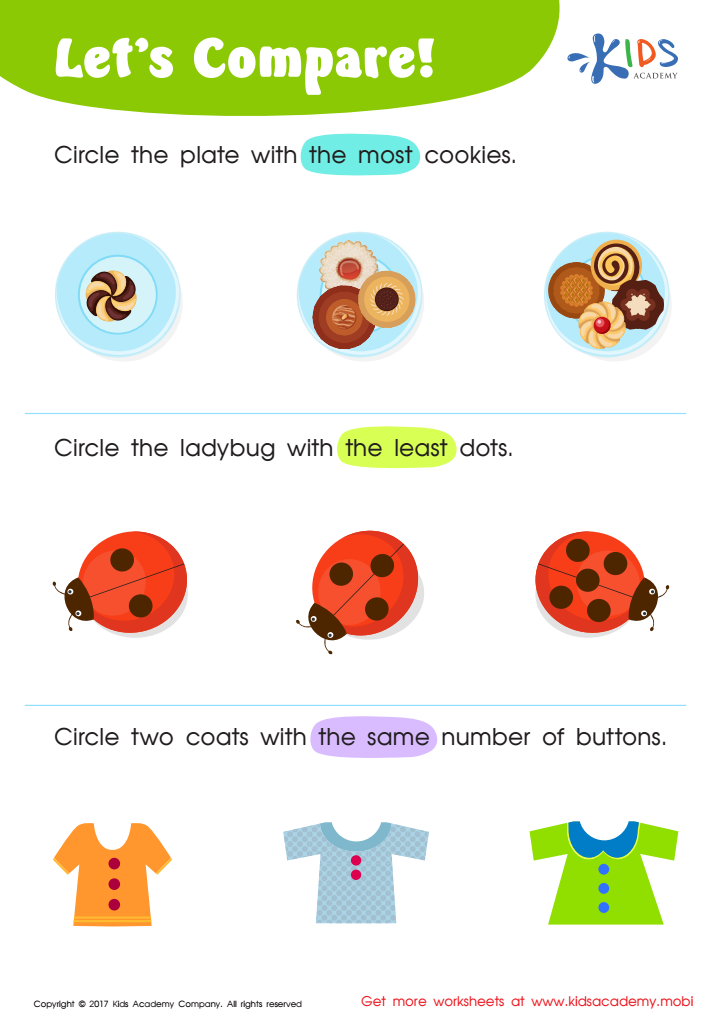
Matching: Classifying Toys by Size Worksheet
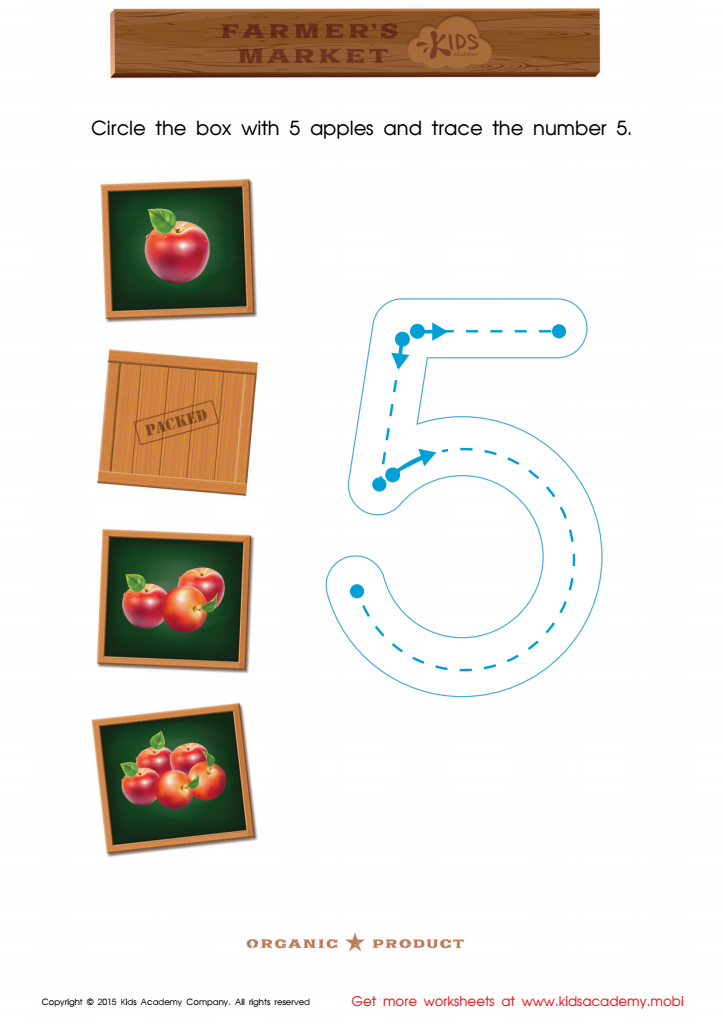
Count the Apples and Trace the Number 5 Printable
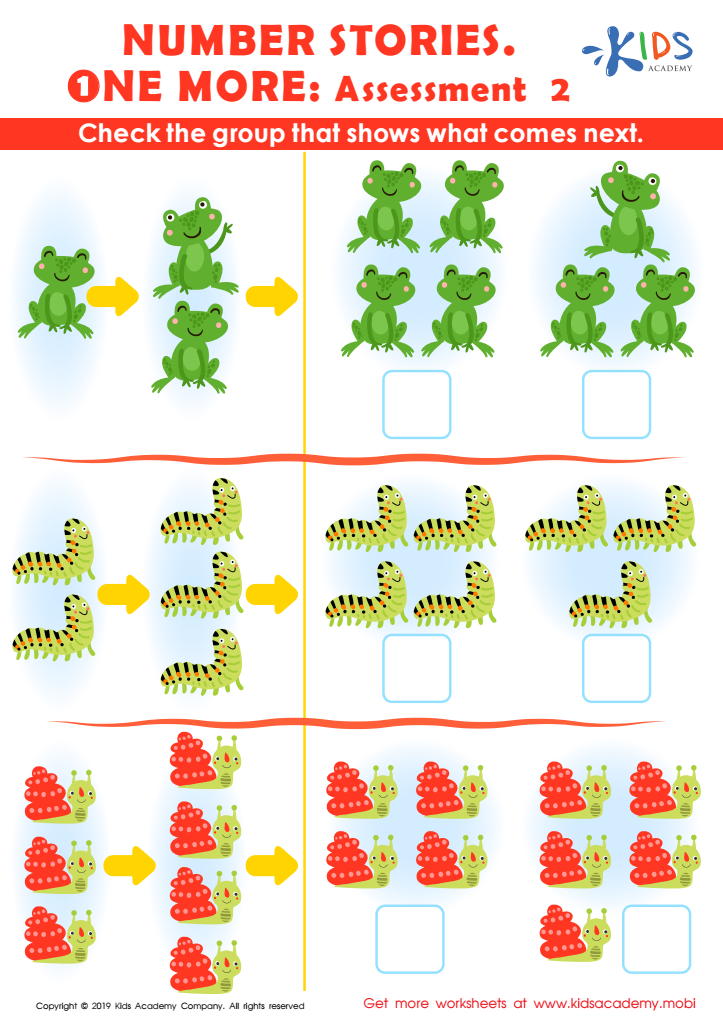
Number Stories One More – Assessment 2 Worksheet
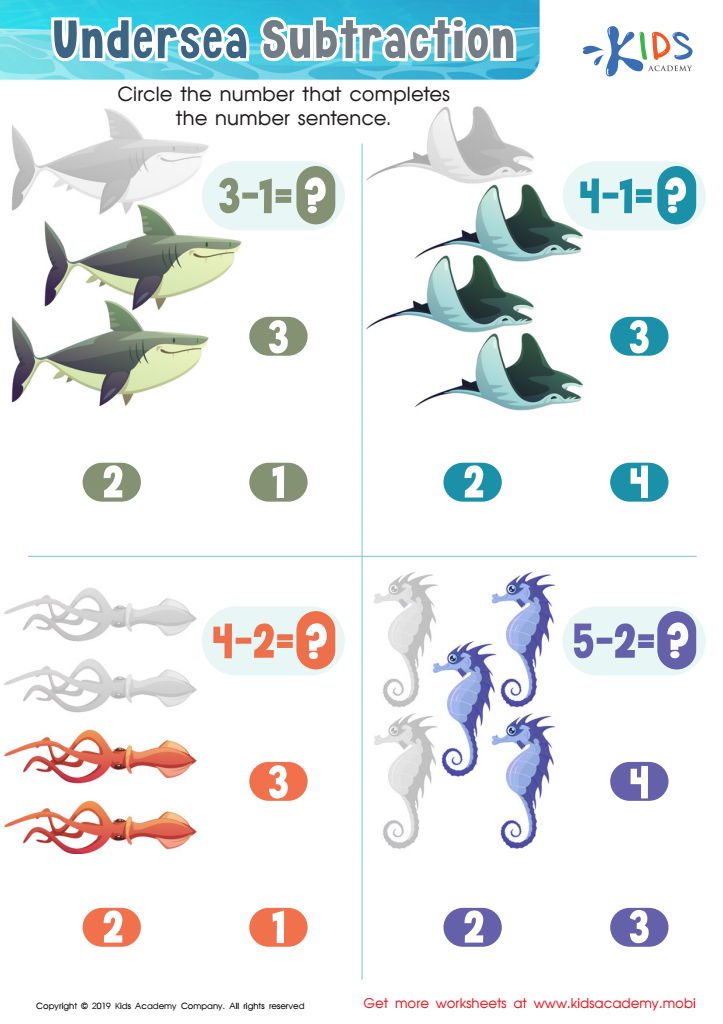
Undersea Subtraction Worksheet
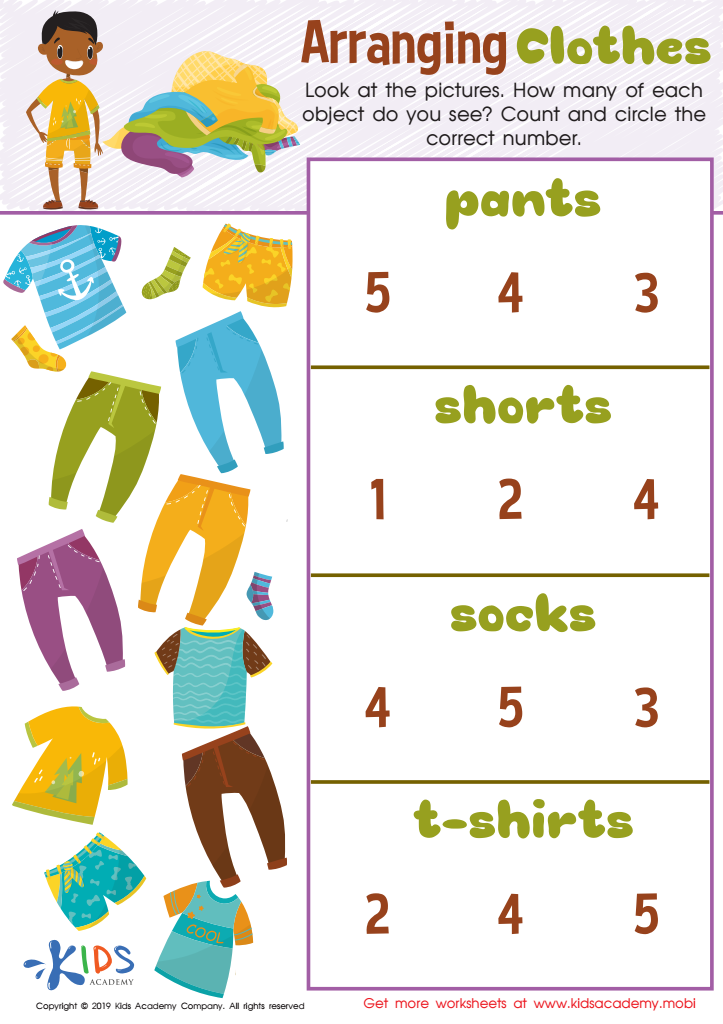
Arranging Clothes Worksheet
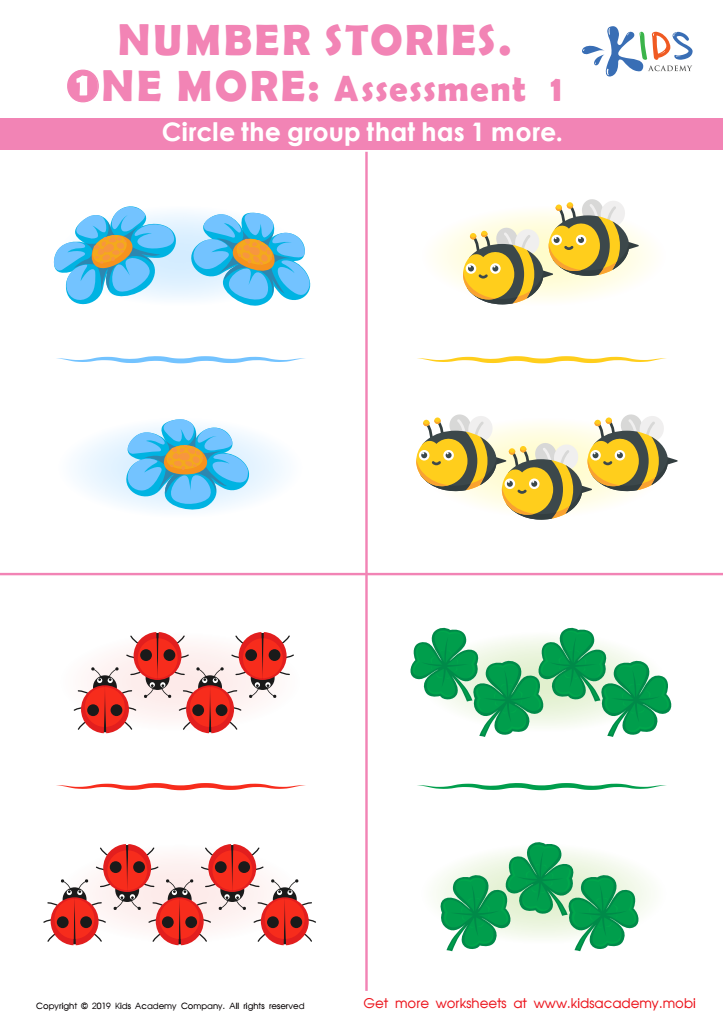
Number Stories One More – Assessment 1 Worksheet
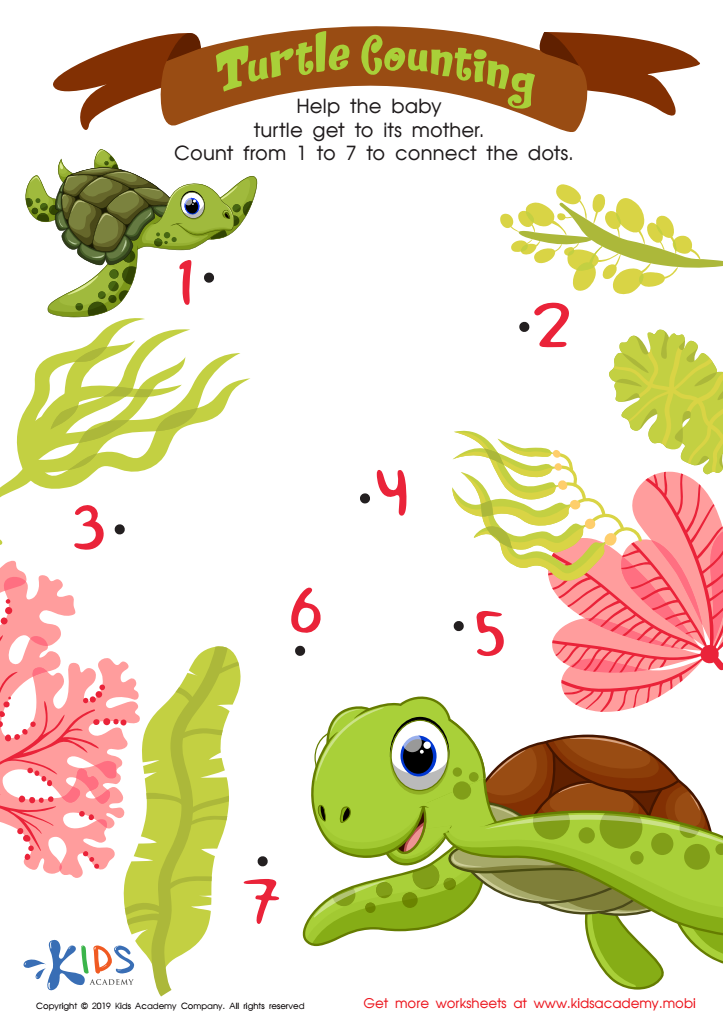
Turtle Counting Worksheet
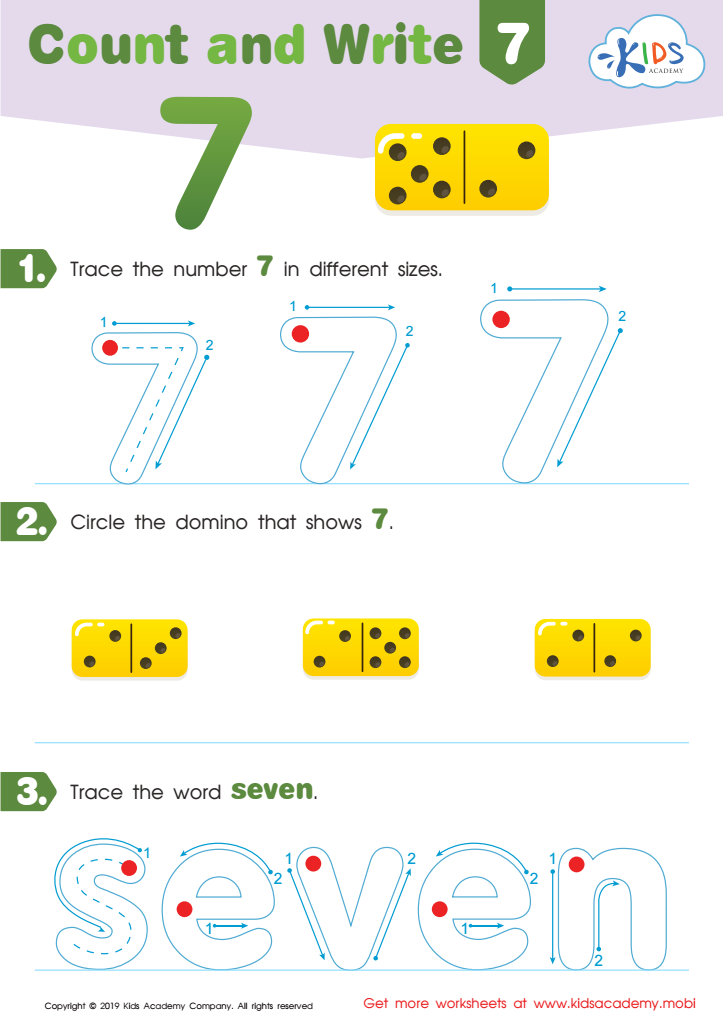
Count and Write 7 Worksheet
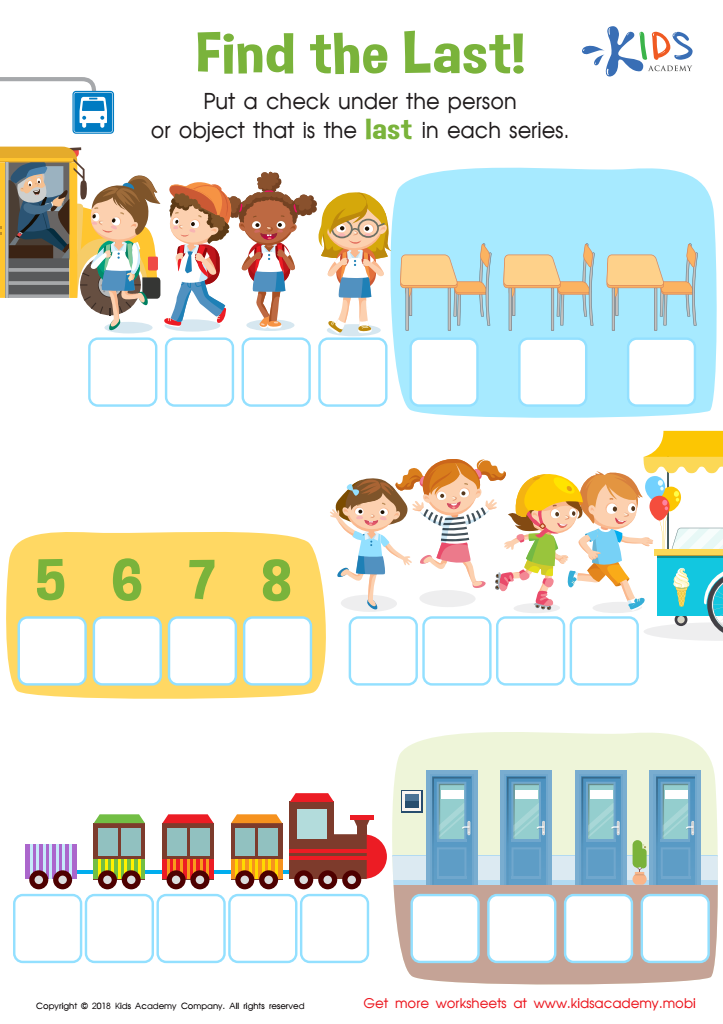
Find the Last! Worksheet
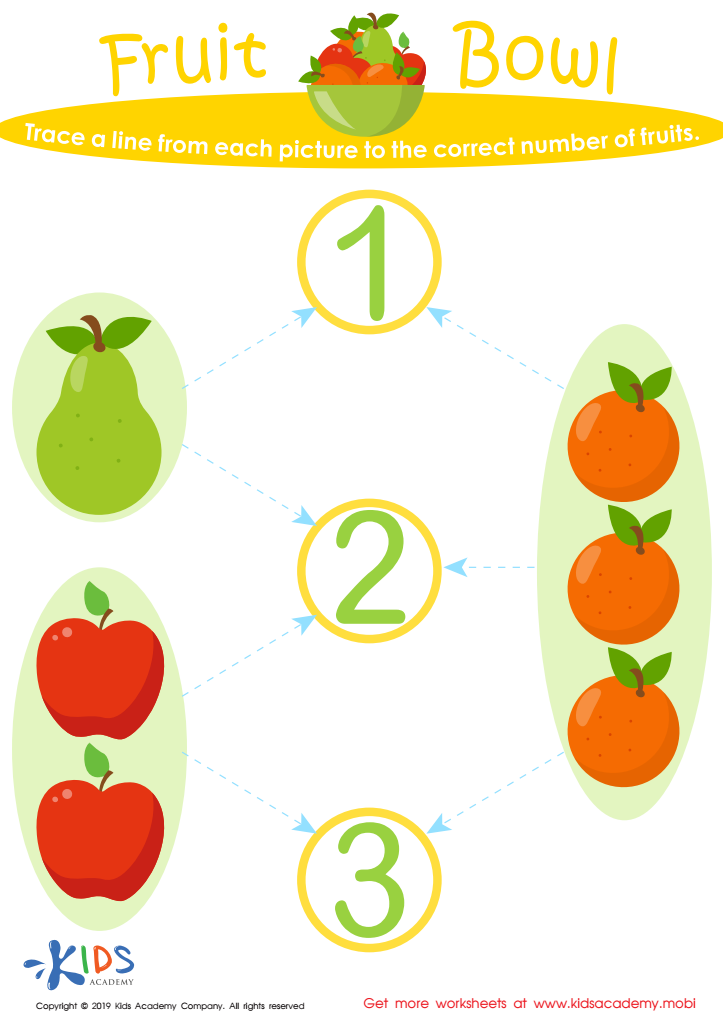
Fruit Bowl Worksheet








Parents and teachers play a critical role in a child’s early numeracy development, especially with numbers 0–10 for ages 3-6. Mastering these foundational numbers forms the basis for more complex mathematical concepts necessary for academic success and everyday life.
Firstly, recognizing and understanding numbers 0–10 help children develop counting skills, which are fundamental in identifying quantities and measuring objects. When children can count and understand these numbers, they start to grasp essential math operations like addition, subtraction, and even rudimentary multiplication and division. Secondly, early number skills support cognitive development by enhancing logical thinking and problem-solving abilities. Studies show that early math skills are strongly predictive of later academic achievement, making this early exposure crucial.
Additionally, familiarizing children with numbers 0–10 lays the groundwork for critical life skills. For instance, understanding concepts like more, less, and equal helps with day-to-day decision-making and builds financial literacy from a young age.
Parents and educators can create a rich, engaging environment filled with playful, fun activities that involve counting and number recognition. Simple actions, like counting steps when climbing or sorting toys by number, make learning interactive and enjoyable, fostering a positive attitude toward mathematics and learning in general.








