Vocabulary enhancement Building Vocabulary Worksheets for Ages 3-6 - Page 2
47 filtered results
-
From - To
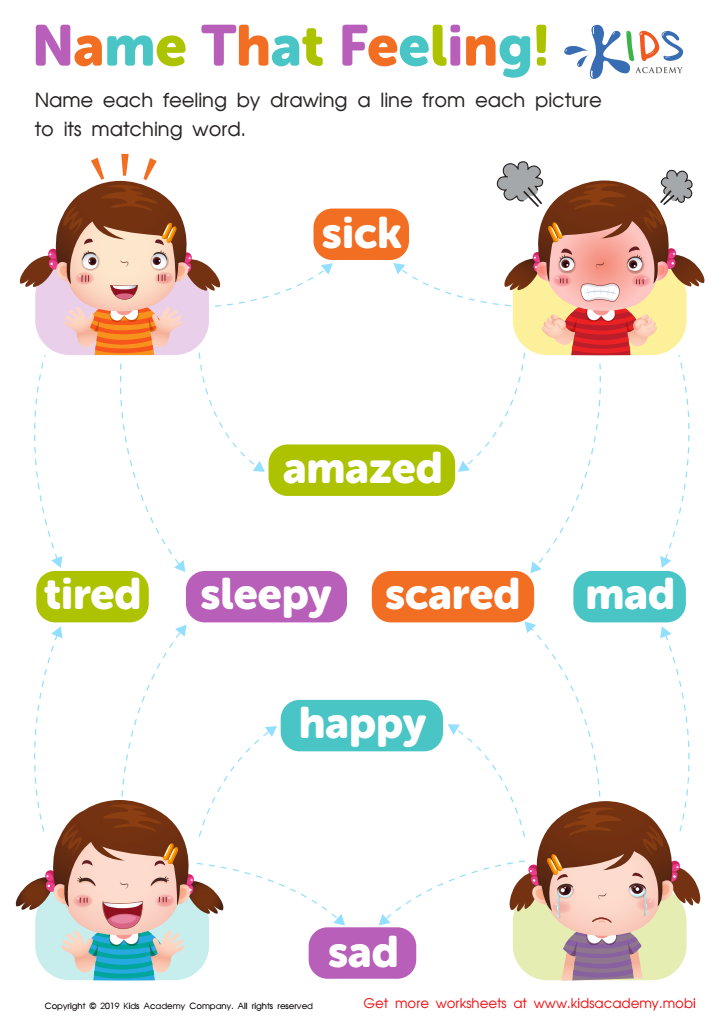
Name that Feeling Worksheet











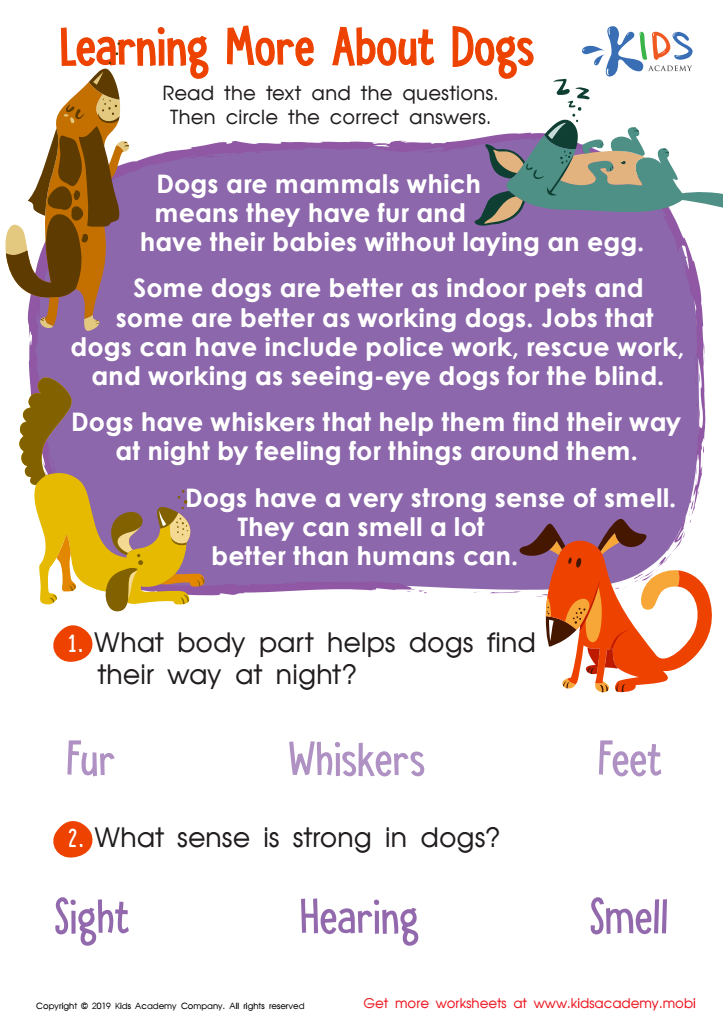
Learning More About Dogs Worksheet
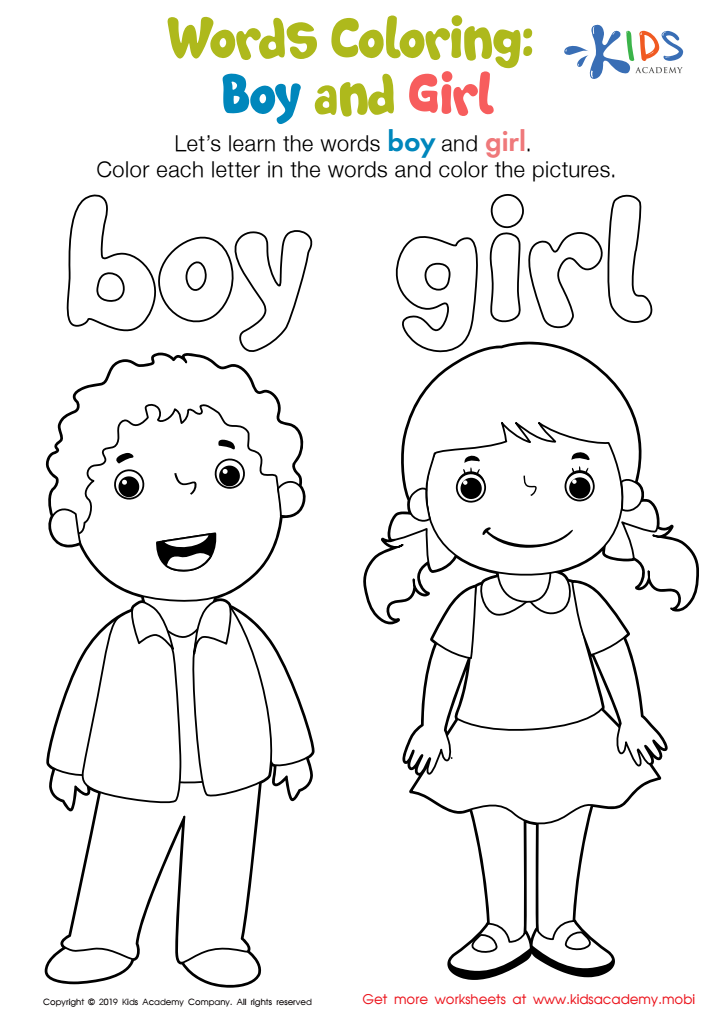
Boy and Girl Words Coloring Worksheet
 Assign to My Students
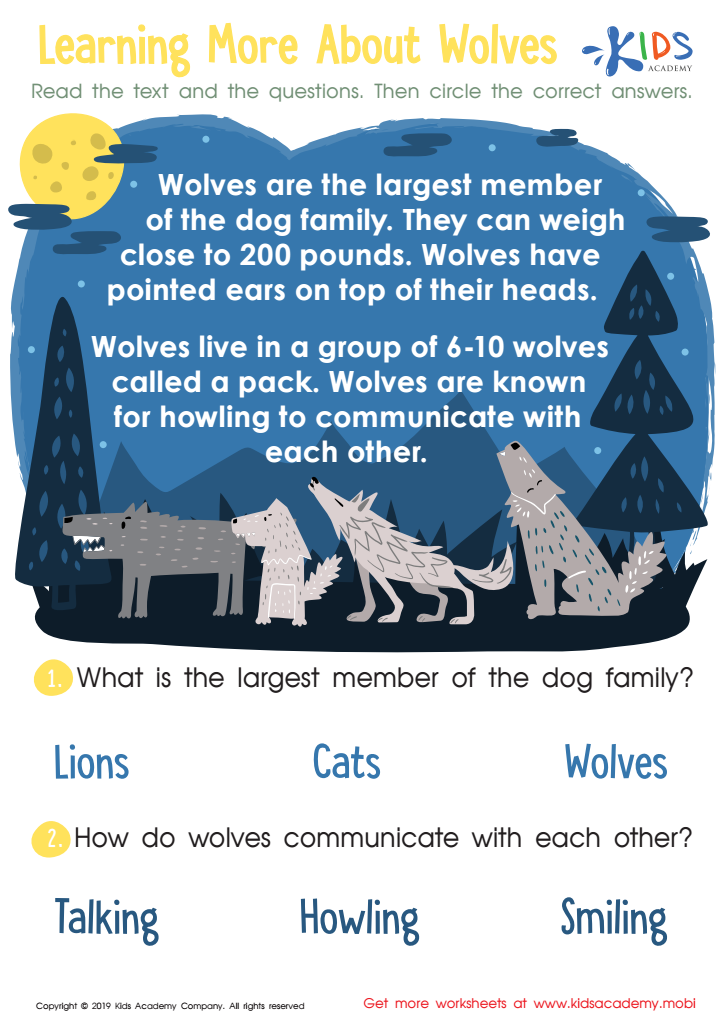
Learning More About Wolves Worksheet
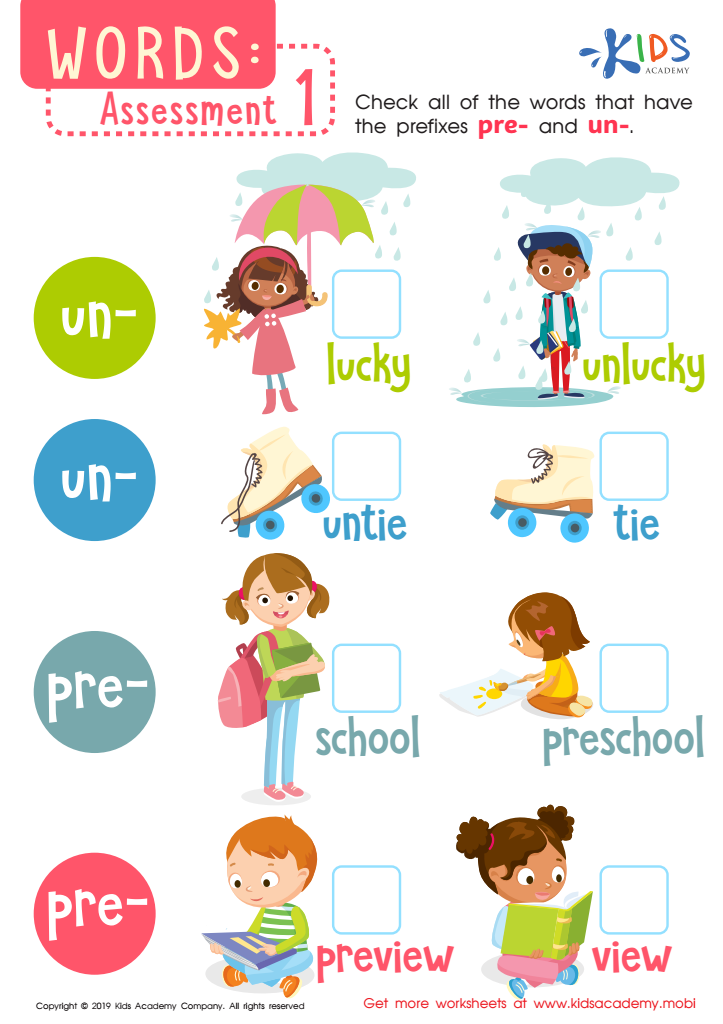
Words: Assessment 1 Worksheet
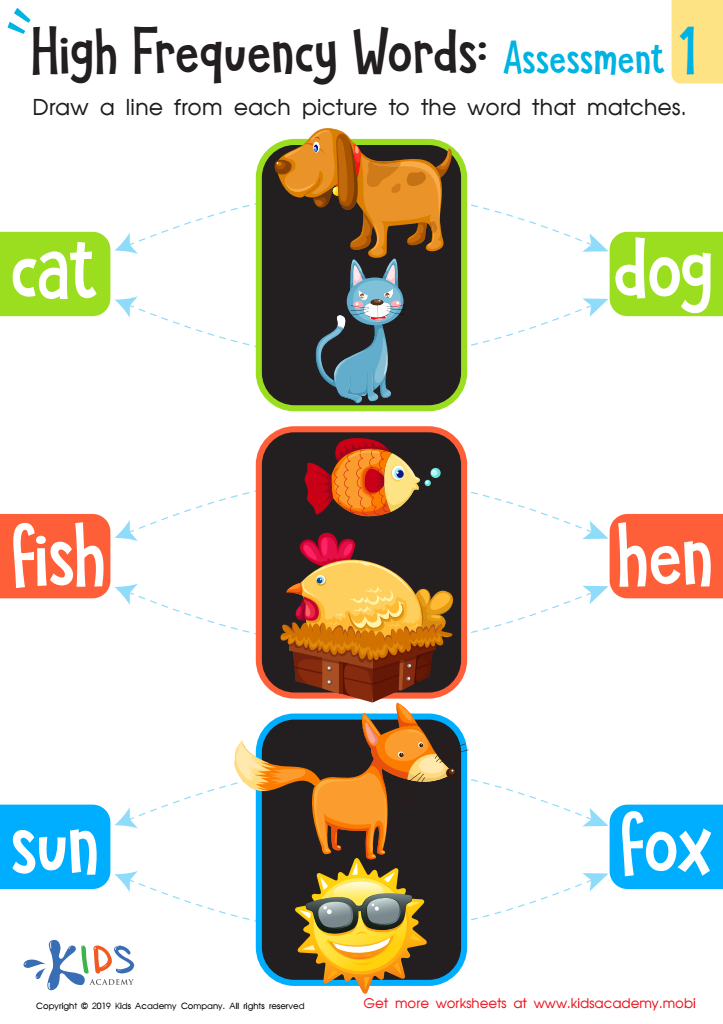
High Frequency Words: Assessment 1 Worksheet

Long Vowel Sound A Worksheet Worksheet
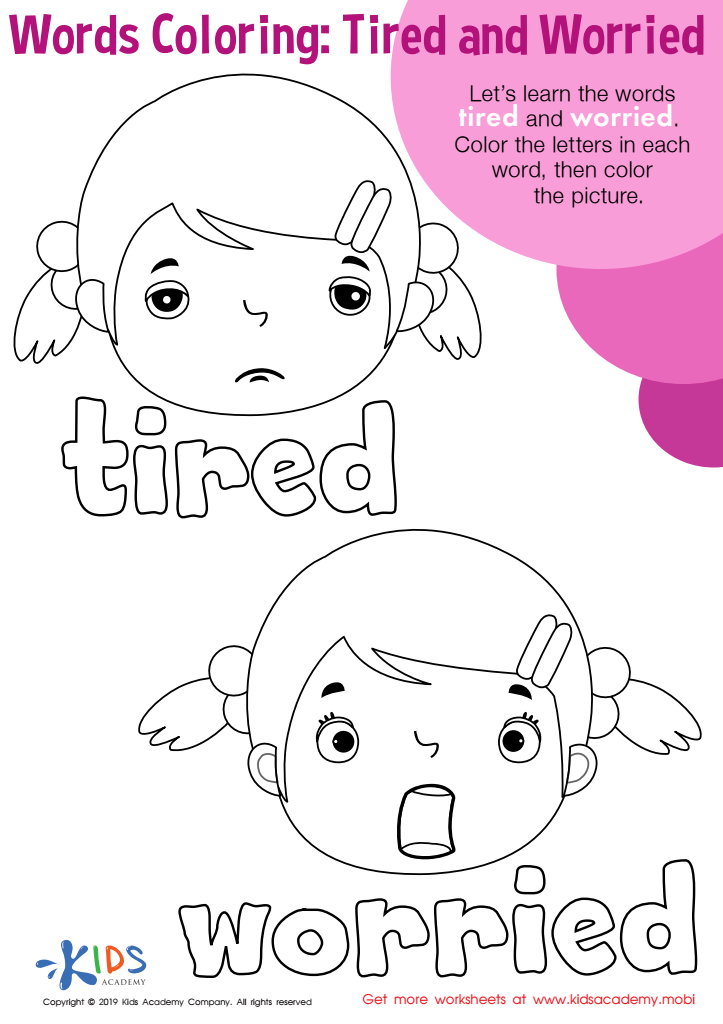
Tired and Worried Words Coloring Worksheet
Assign to My Students
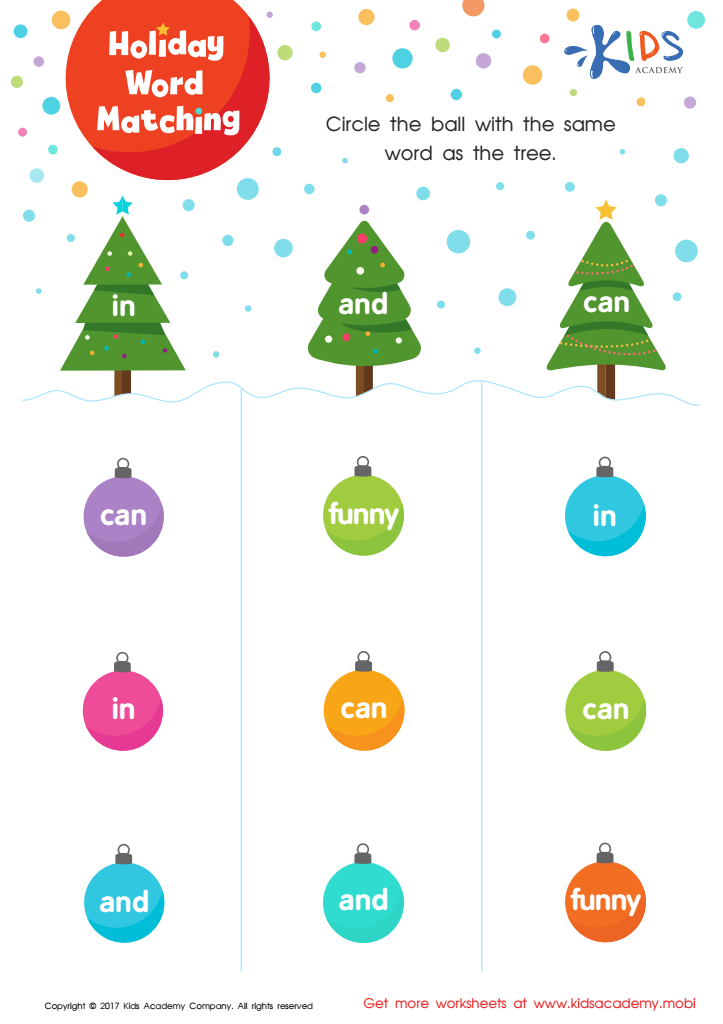
Holiday Word Matching Worksheet
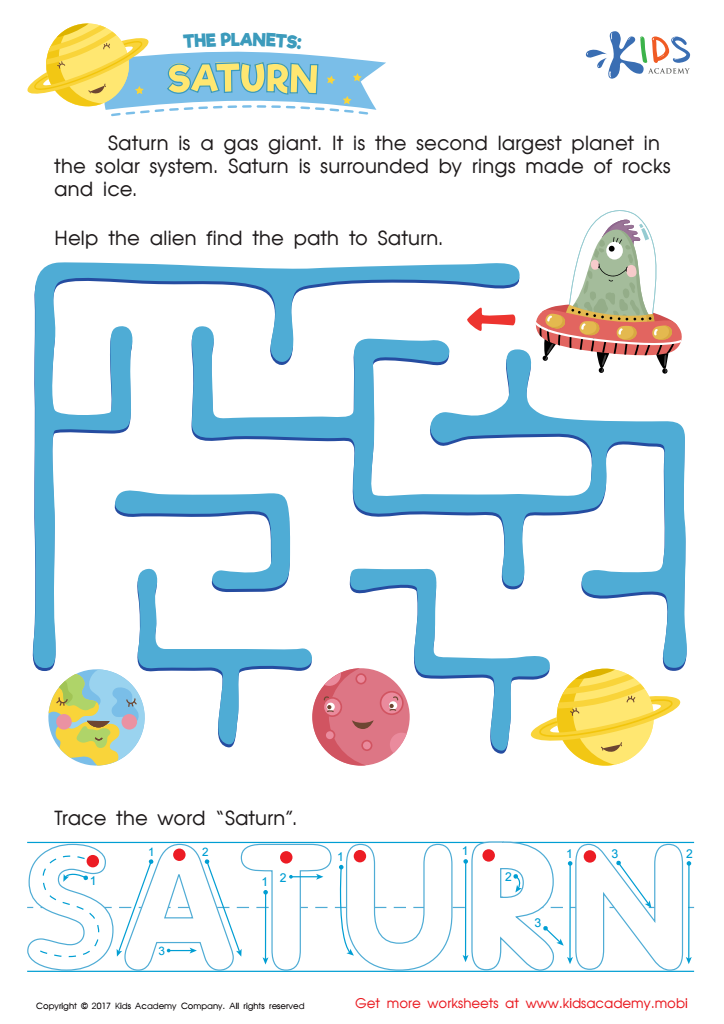
The Planets: Saturn Printable
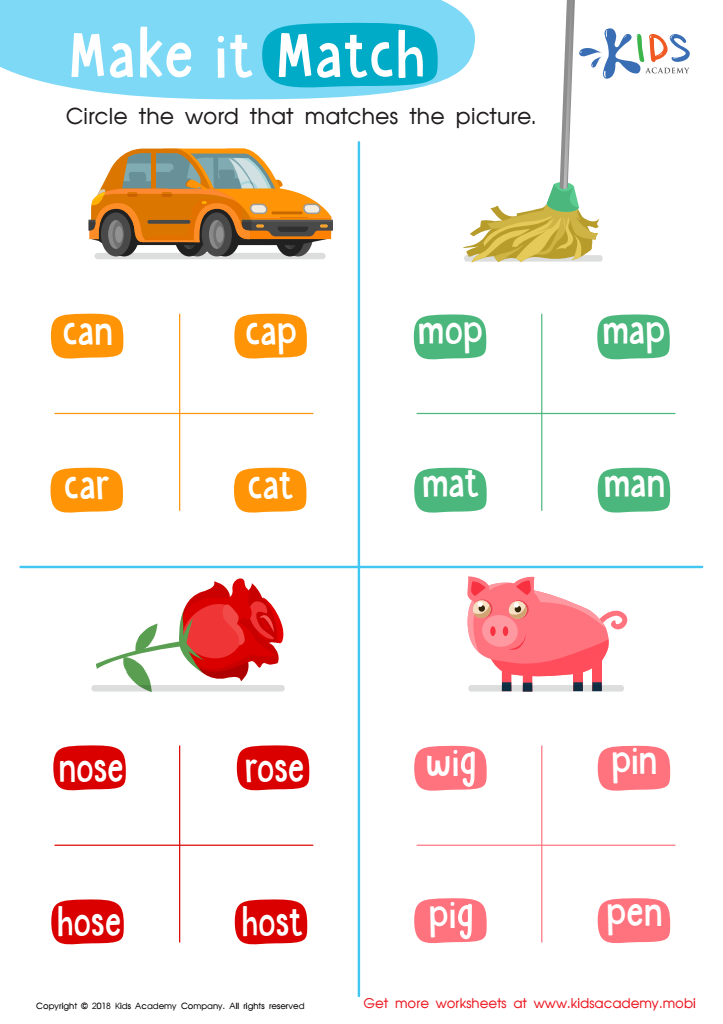
Make It Match Worksheet
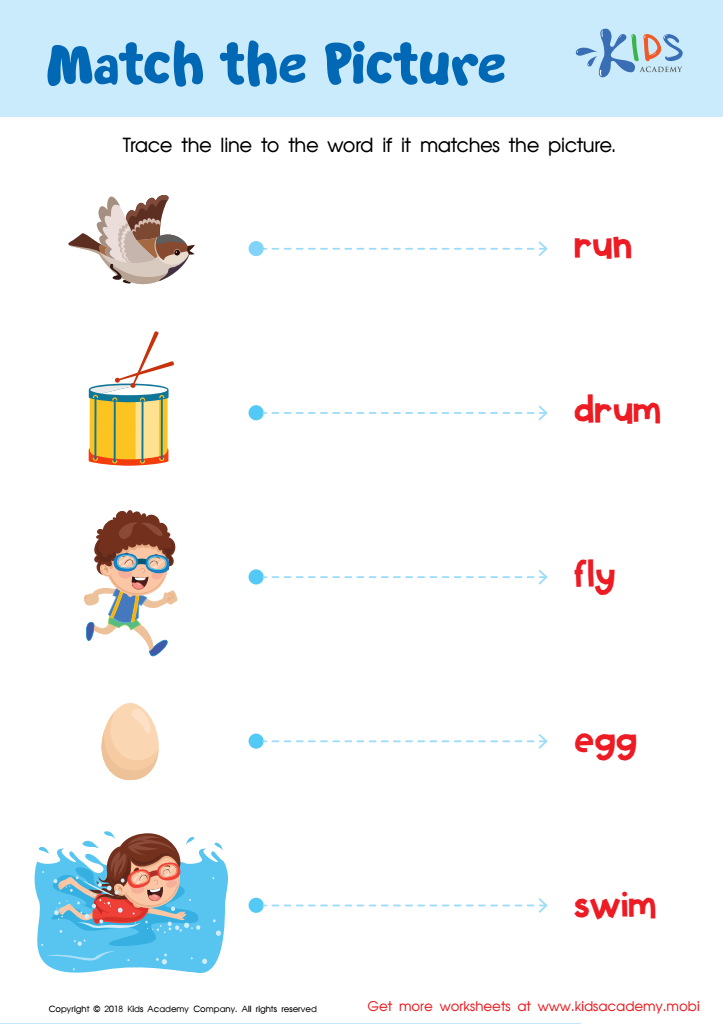
Match the Picture Worksheet
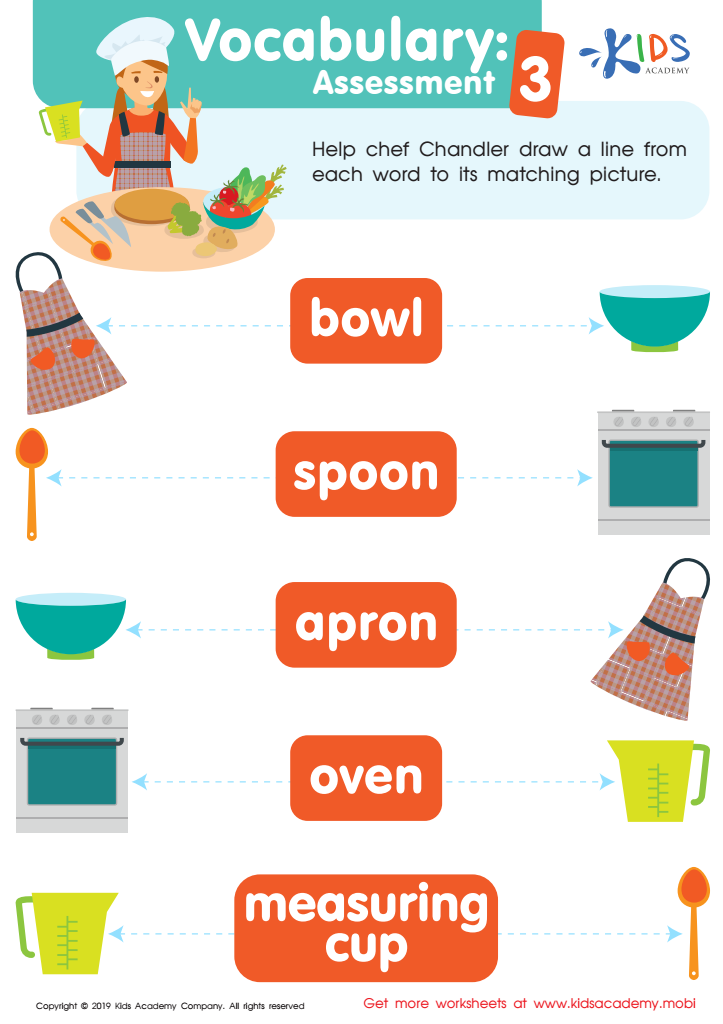
Vocabulary: Assessment 3 Worksheet
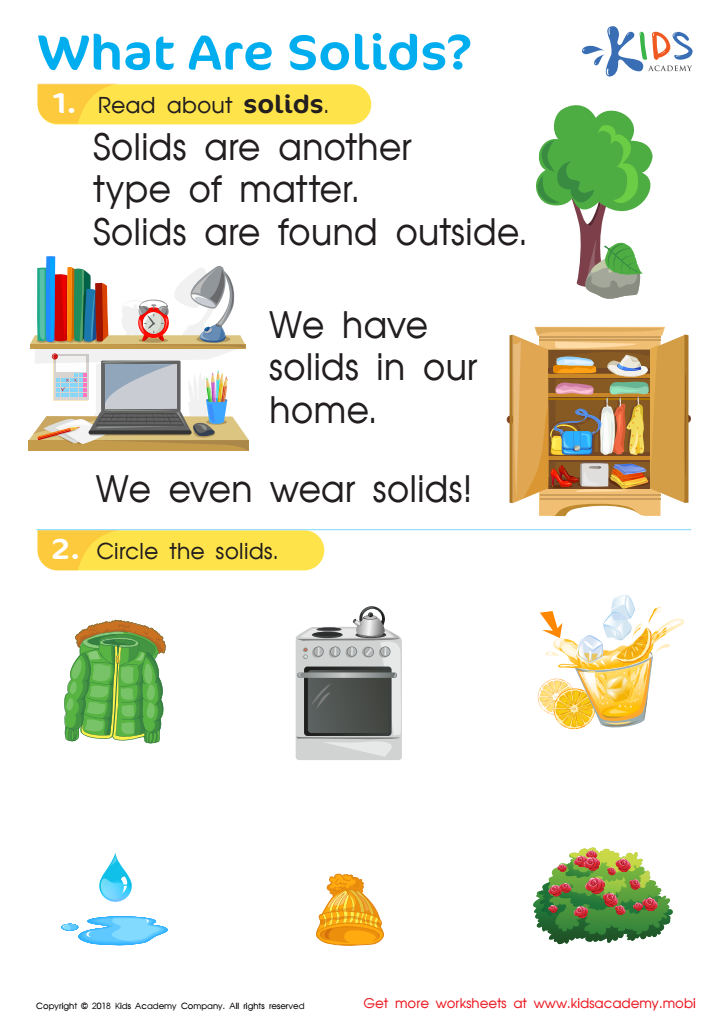
What Are Solids? Worksheet
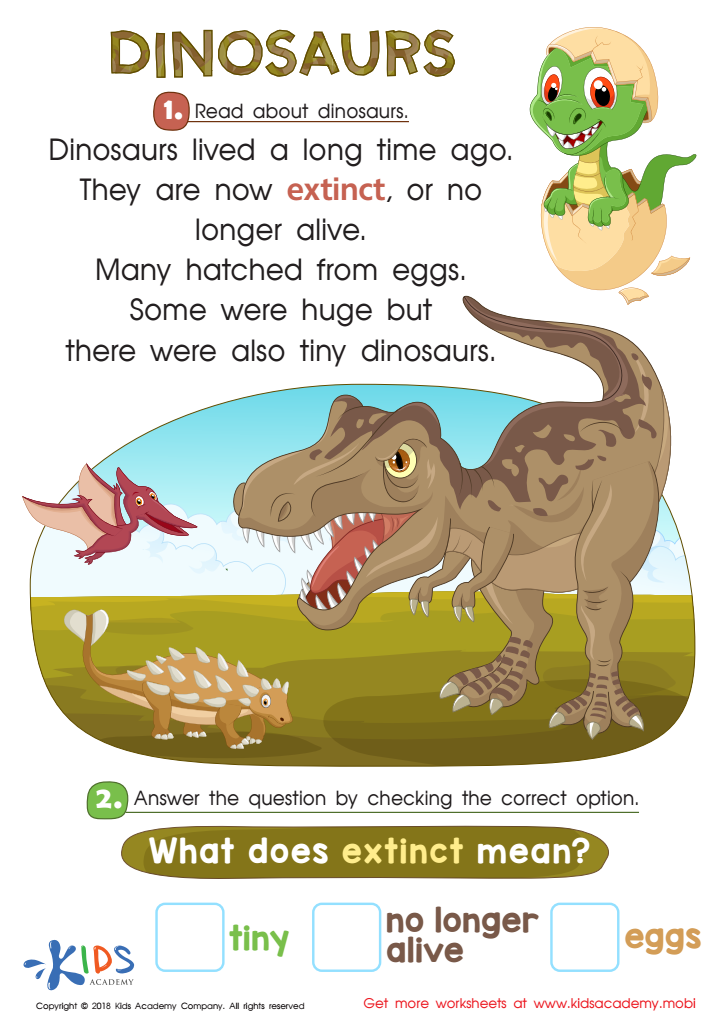
Dinosaurs Worksheet
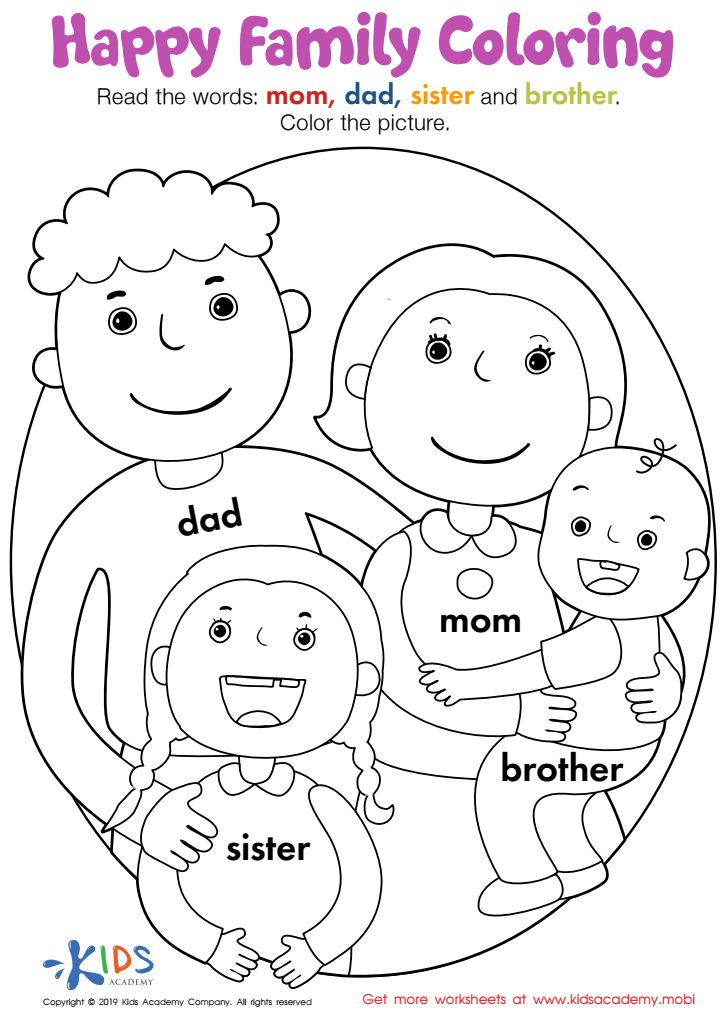
Happy Family Coloring Worksheet
Assign to My Students
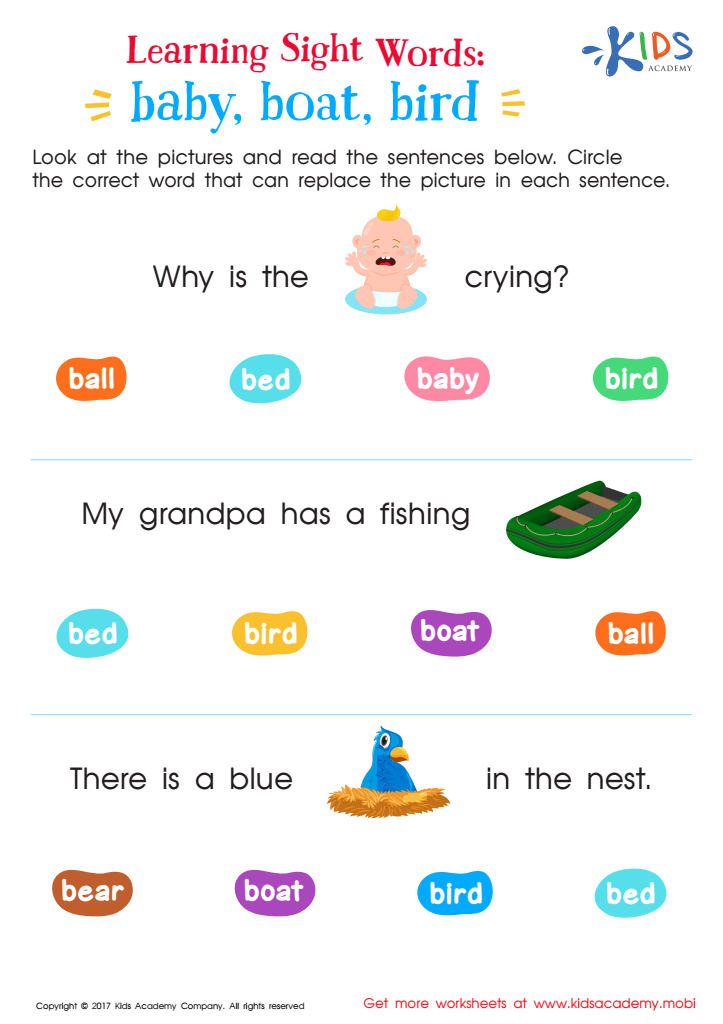
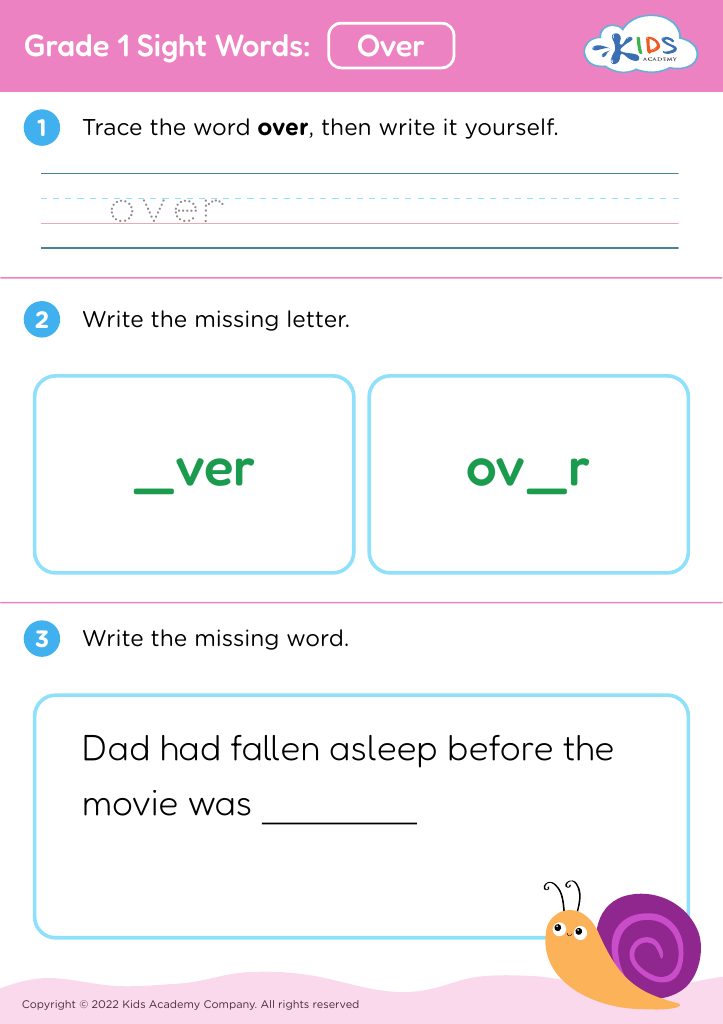
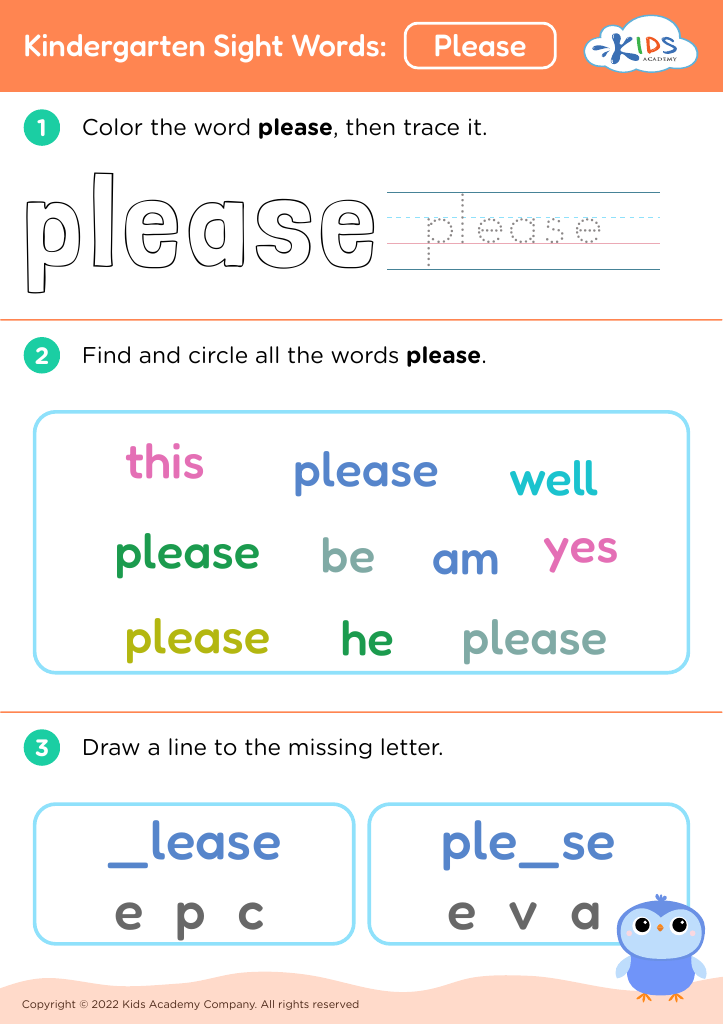
Baby, Boat, Bird Worksheet Sight Words Worksheet
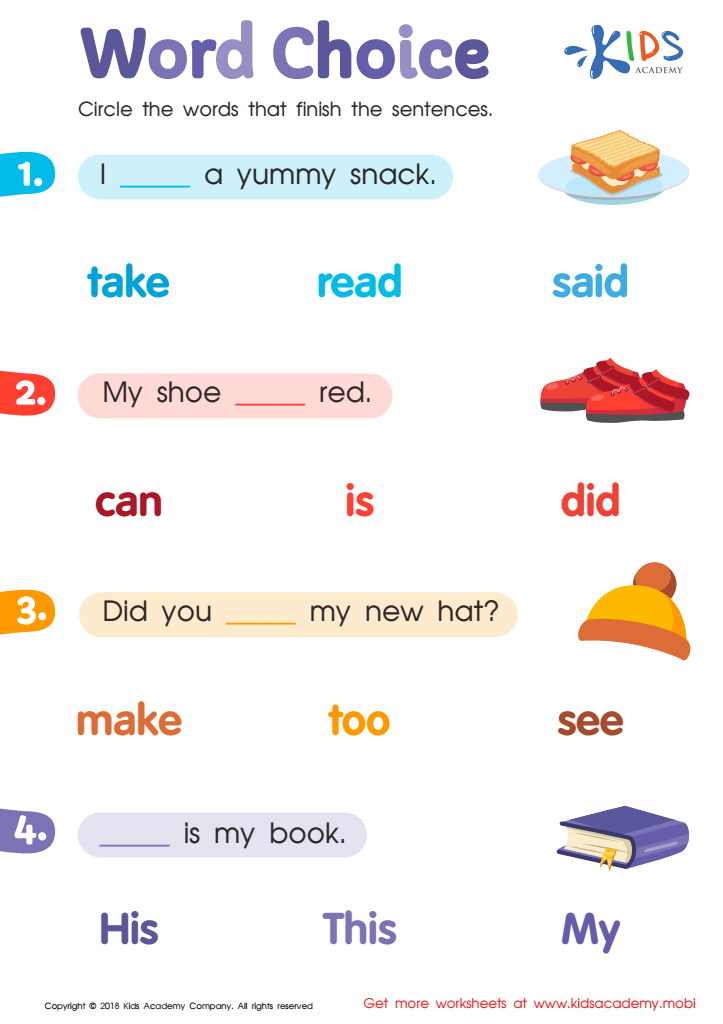
Word Choice Worksheet
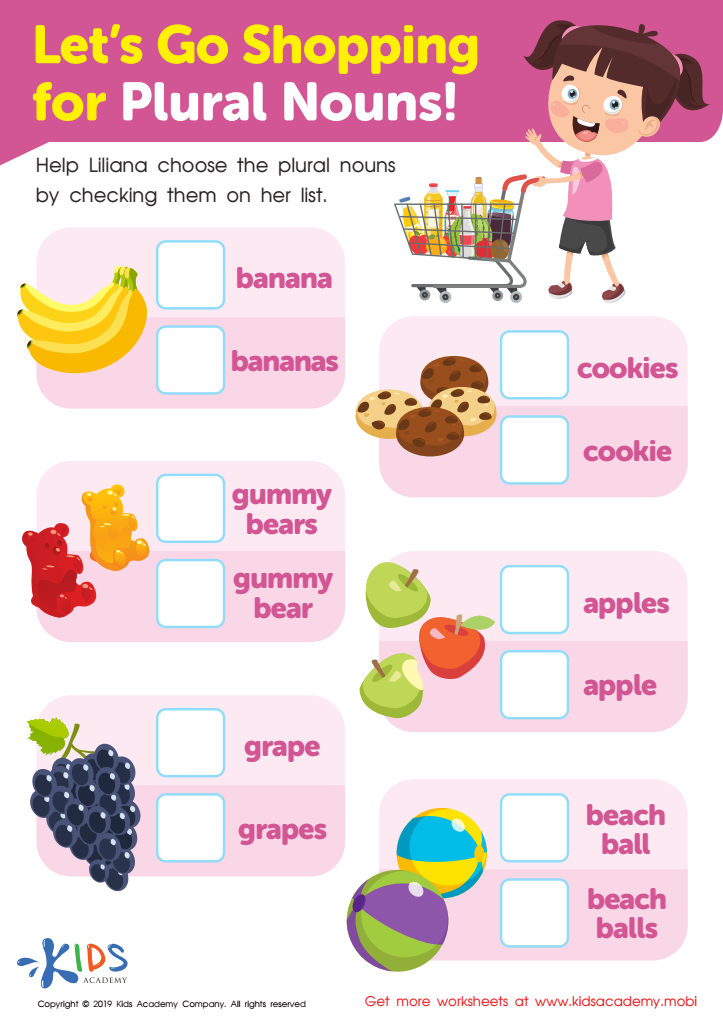
Let's Go Shopping for Plural Nouns! Worksheet
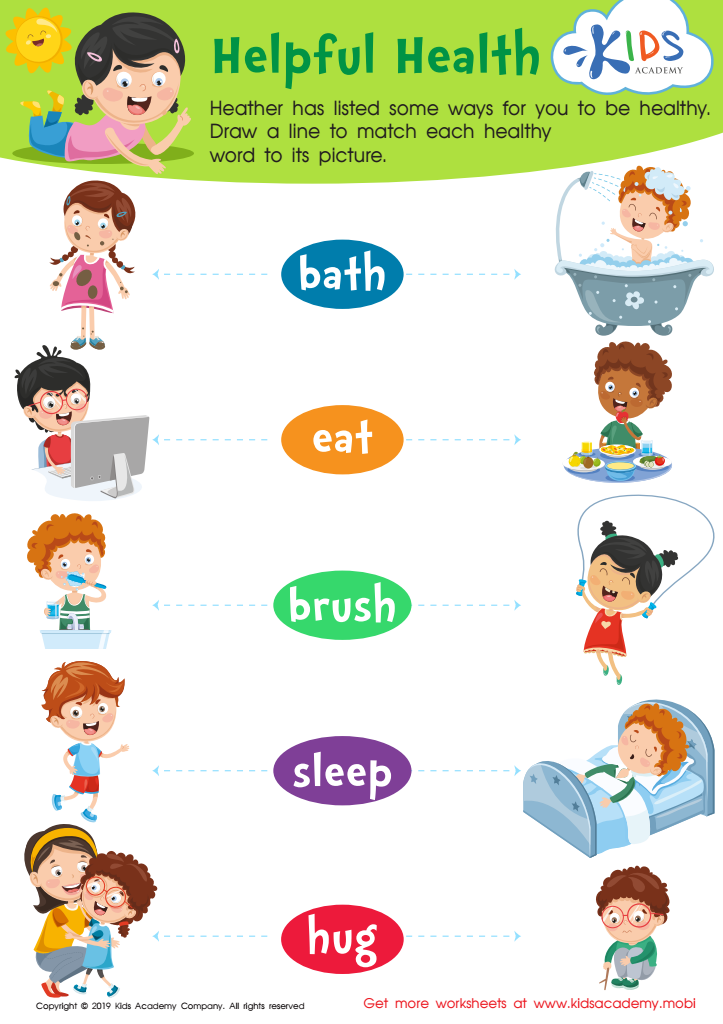
Helpful Health Worksheet
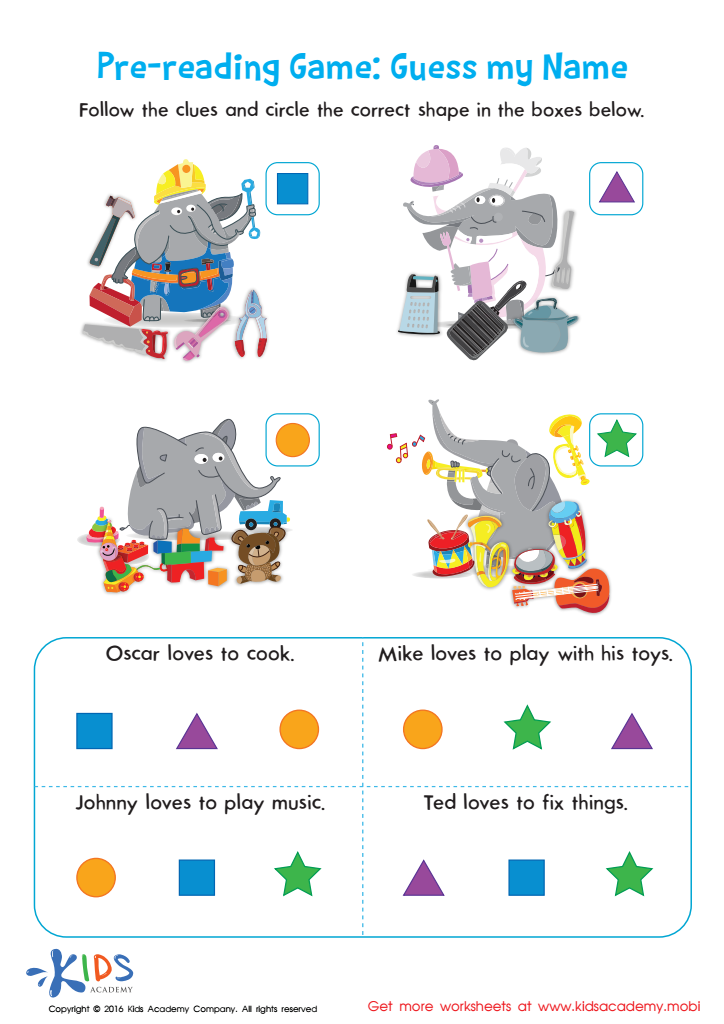
Pre Reading Worksheet Guess My Name


.jpg)
.jpg)




Enhancing vocabulary in children aged 3-6 is crucial due to its significant impact on their overall development and future academic success. Early vocabulary growth forms the foundation for effective communication, including listening, speaking, reading, and writing skills. At this age, children are highly receptive to learning new words, and a rich vocabulary allows them to express their thoughts, needs, and emotions more precisely and confidently.
A robust vocabulary during early childhood fosters cognitive development by enhancing critical thinking and problem-solving skills. It also lays the groundwork for reading comprehension, ensuring children can make sense of the texts they encounter. Studies show a strong correlation between early vocabulary acquisition and later literacy achievements; children who enter school with a limited vocabulary are more likely to struggle academically.
Moreover, vocabulary enhancement enriches a child's social interactions. With a more extensive vocabulary, children can better navigate friendships and comprehend social cues, contributing positively to their emotional and social well-being.
By prioritizing vocabulary building through engaging conversations, read-aloud sessions, and interactive activities, parents and teachers provide children with the tools needed for lifelong learning and success. The benefits extend beyond academics, influencing their ability to build relationships and actively participate in the world around them.








