Counting practice Reading Worksheets for Ages 3-6
10 filtered results
-
From - To
Discover our engaging Counting Practice Reading Worksheets designed specifically for children ages 3-6! These interactive resources blend counting skills with early reading to provide a fun learning experience. Each worksheet features vibrant illustrations and age-appropriate activities that encourage kids to practice recognizing numbers while developing their vocabulary. Through a variety of exercises, including counting objects and identifying numerical patterns, children will build confidence in their counting abilities while reinforcing their reading skills. Ideal for preschool and kindergarten settings, our worksheets promote essential foundational skills. Start your child’s educational journey with our expertly crafted worksheets today and watch them thrive!
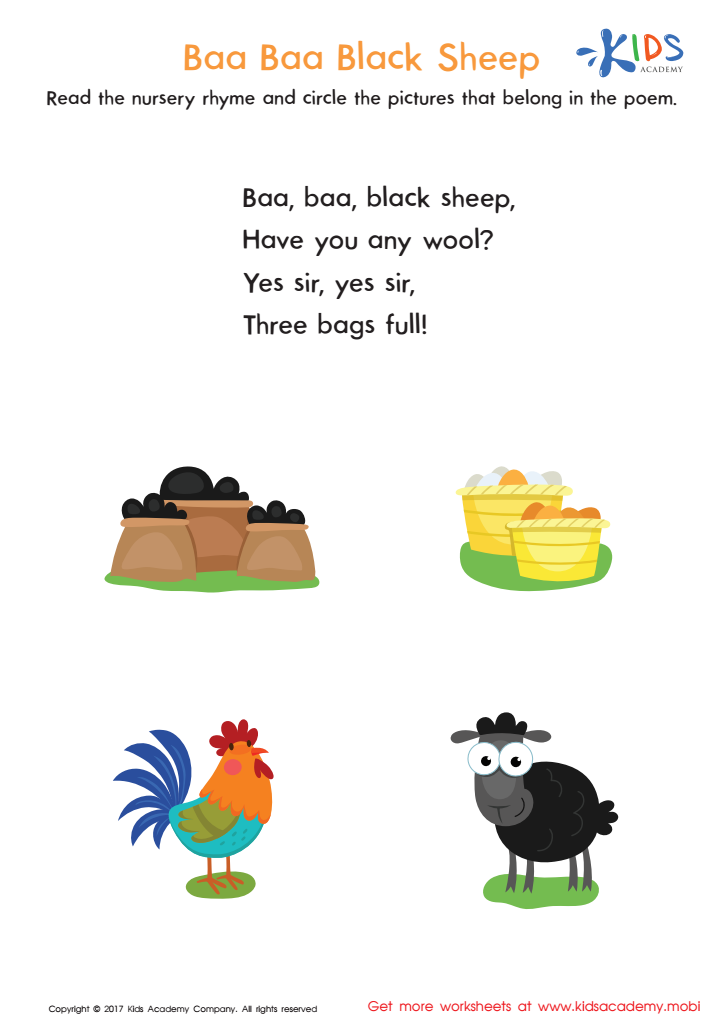
Baa Baa Black Sheep Printable
 Assign to My Students
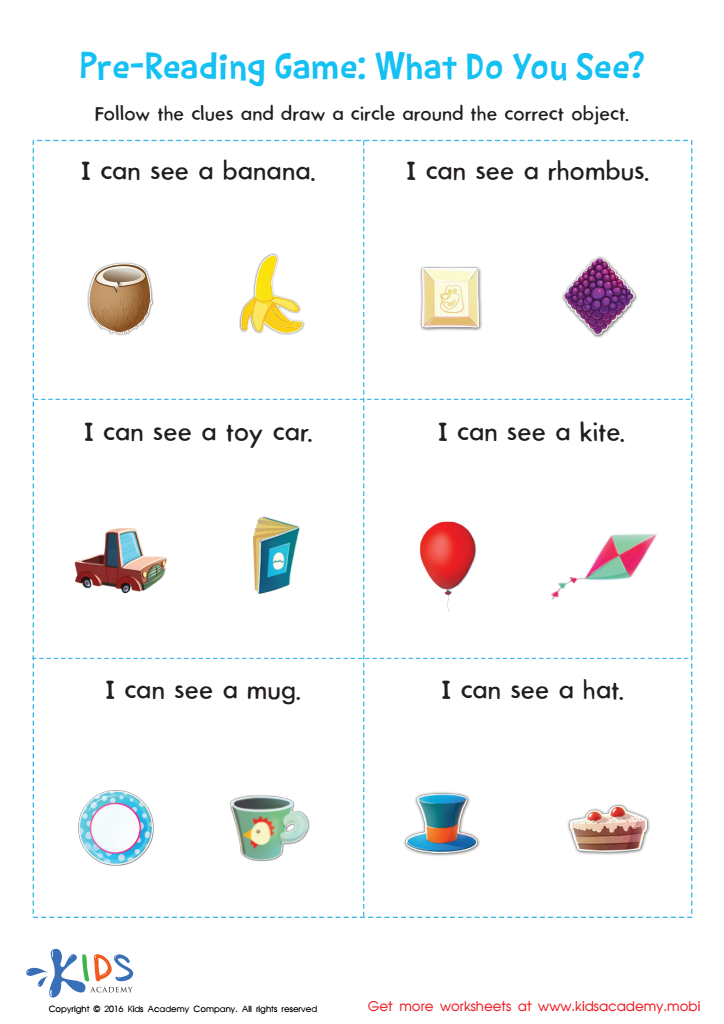
Pre–reading Worksheet: What Do You See?
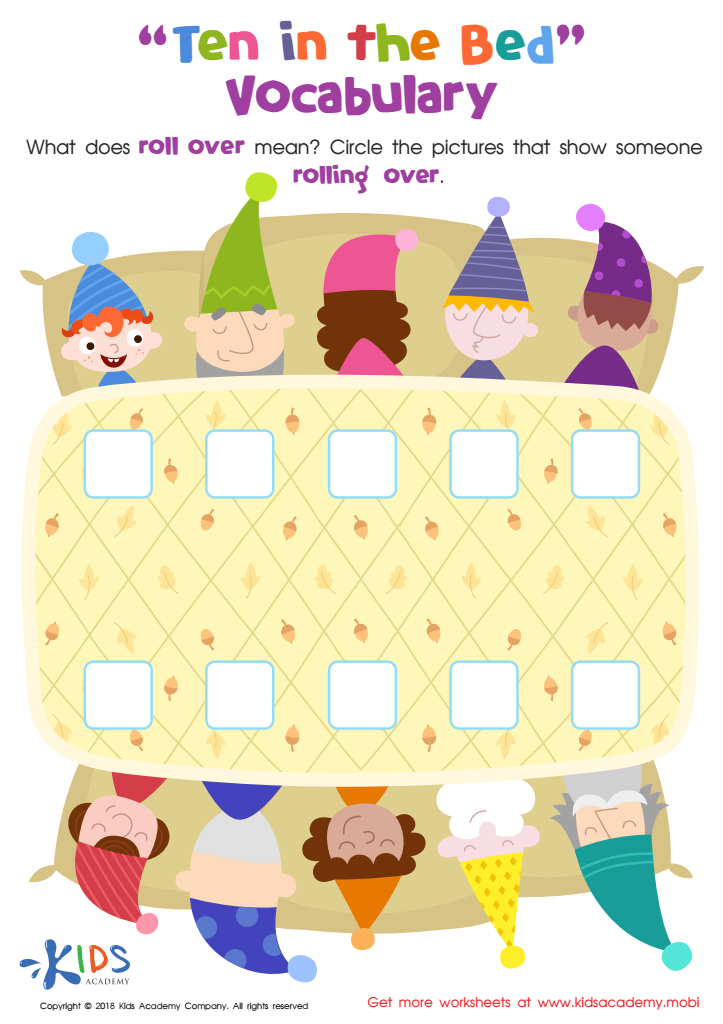
Ten in the Bed: Vocabulary Worksheet
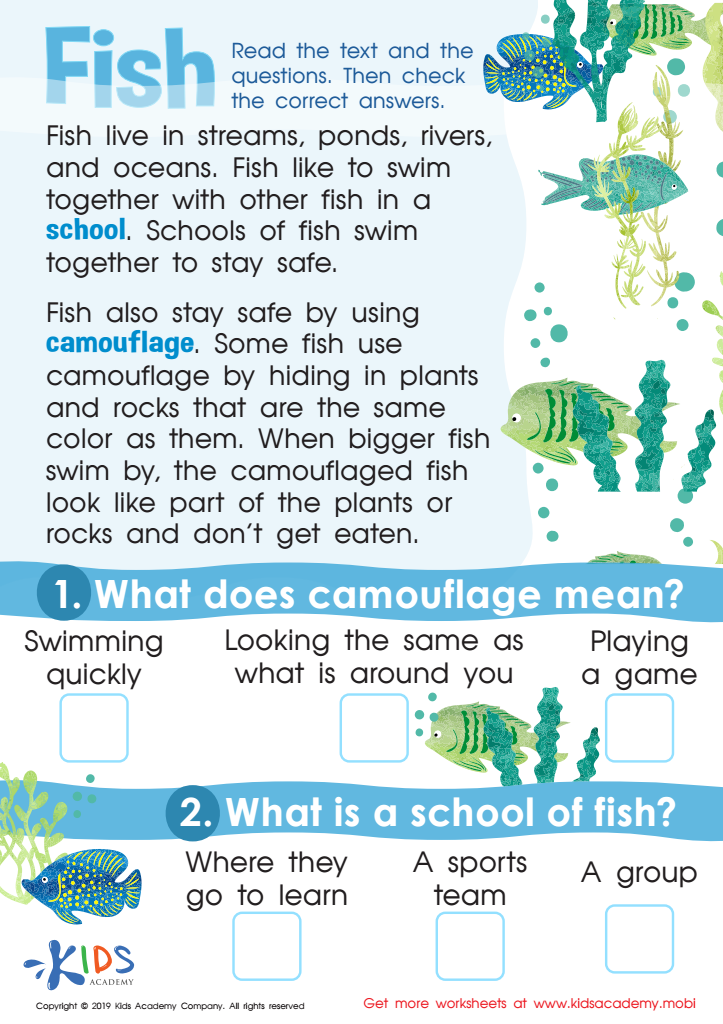
Fish Worksheet
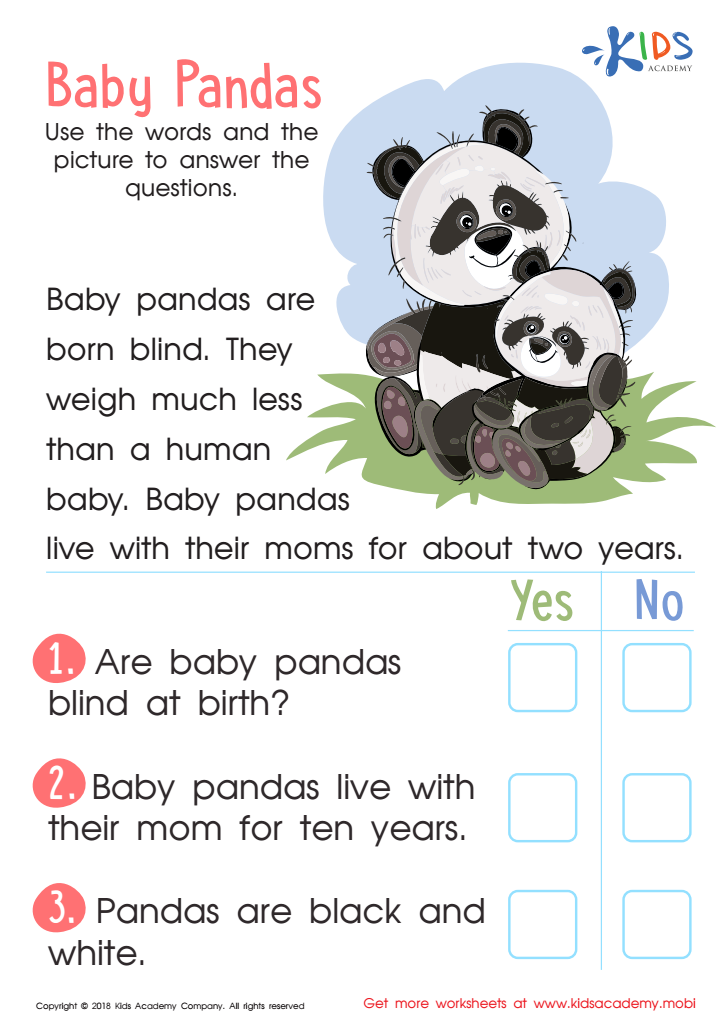
Baby Pandas Worksheet
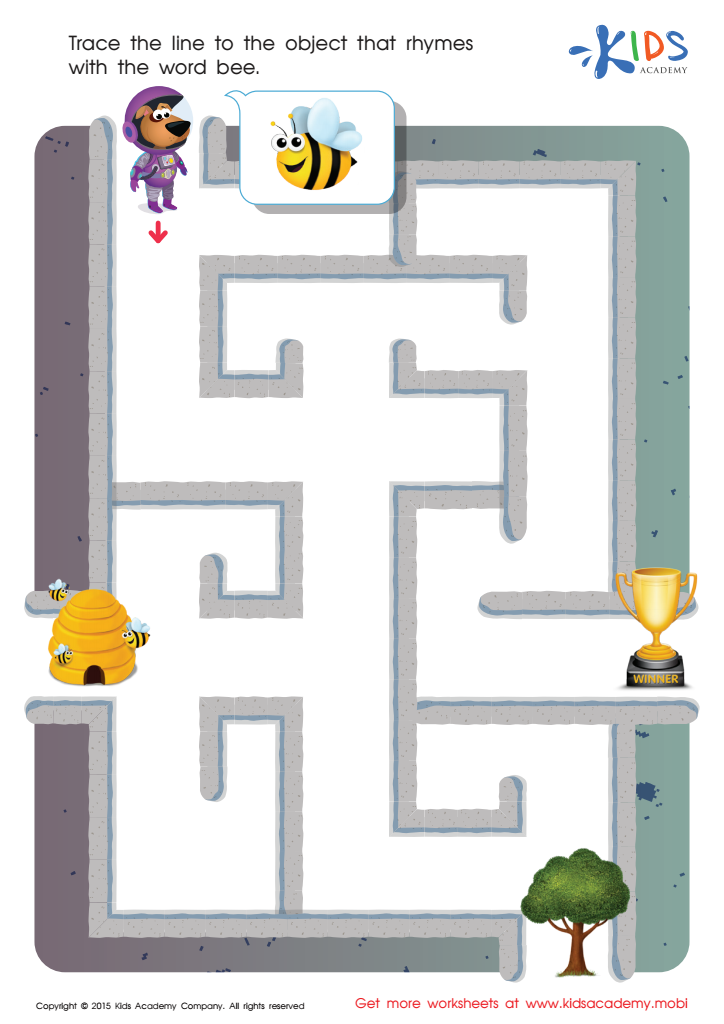
Bee Rhyming Words Worksheet
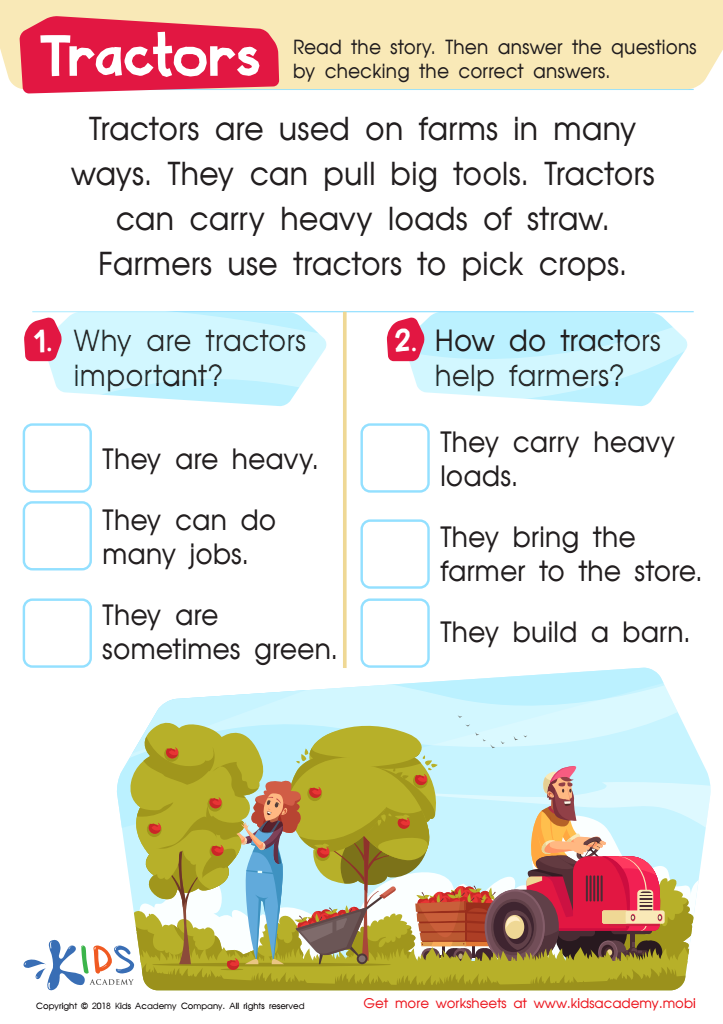
Tractors Worksheet
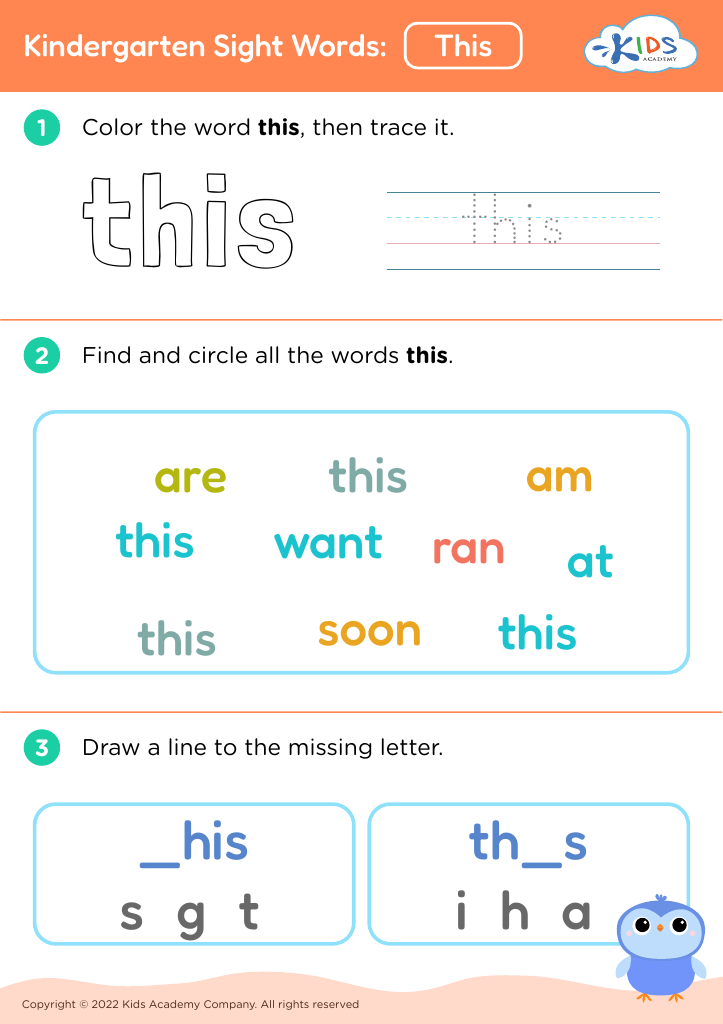
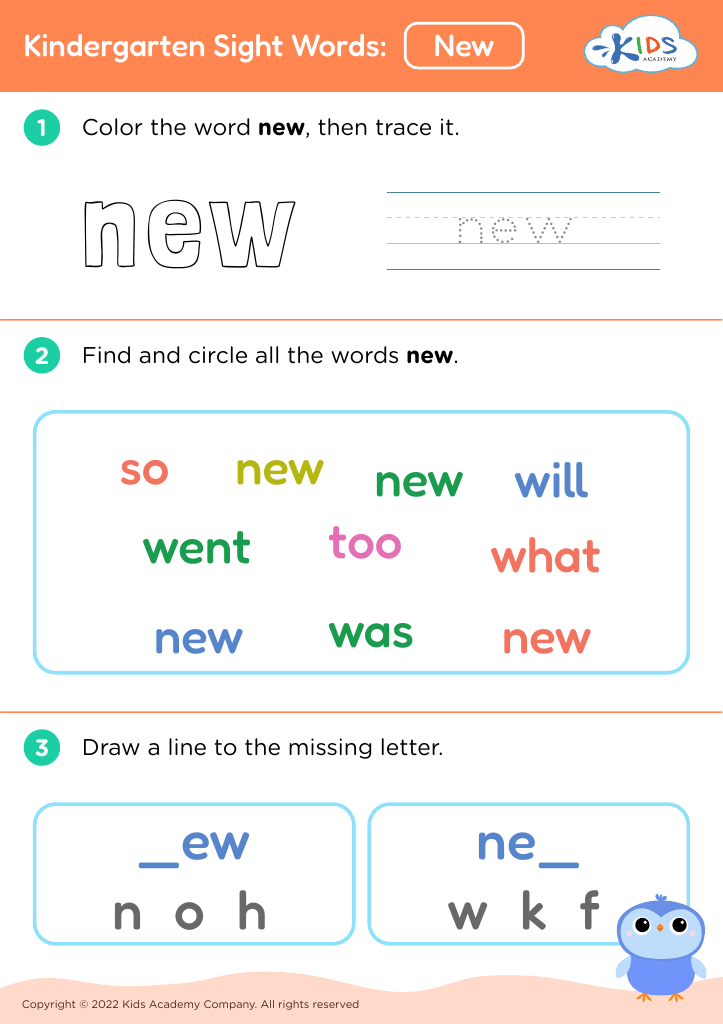








Counting practice and reading are foundational skills that significantly influence early childhood development. For children ages 3-6, these activities play a critical role in their cognitive and linguistic growth. Engaging in counting helps young learners understand basic math concepts, encourages their problem-solving abilities, and develops numerical fluency. Numbers also introduce them to patterns and relationships in the world around them.
Reading, on the other hand, enhances vocabulary, comprehension, and communication skills. It fosters imagination and curiosity, allowing children to explore different themes and ideas through storytelling. When combined, counting and reading become powerful tools for learning, promoting a rich understanding of both mathematics and language that integrate into everyday life.
Moreover, parents and teachers should recognize that practices involving counting and reading can strengthen the child-teacher and child-parent bond, as these activities often involve interaction, collaboration, and shared experiences. This teamwork builds confidence and a love for learning that can last a lifetime. By nurturing these essential skills early on, parents and educators set the stage for future academic success, social skills, and lifelong critical thinking abilities, ultimately ensuring children are better prepared to navigate their educational journeys.








