Data interpretation Reading Worksheets for Ages 3-6
3 filtered results
-
From - To
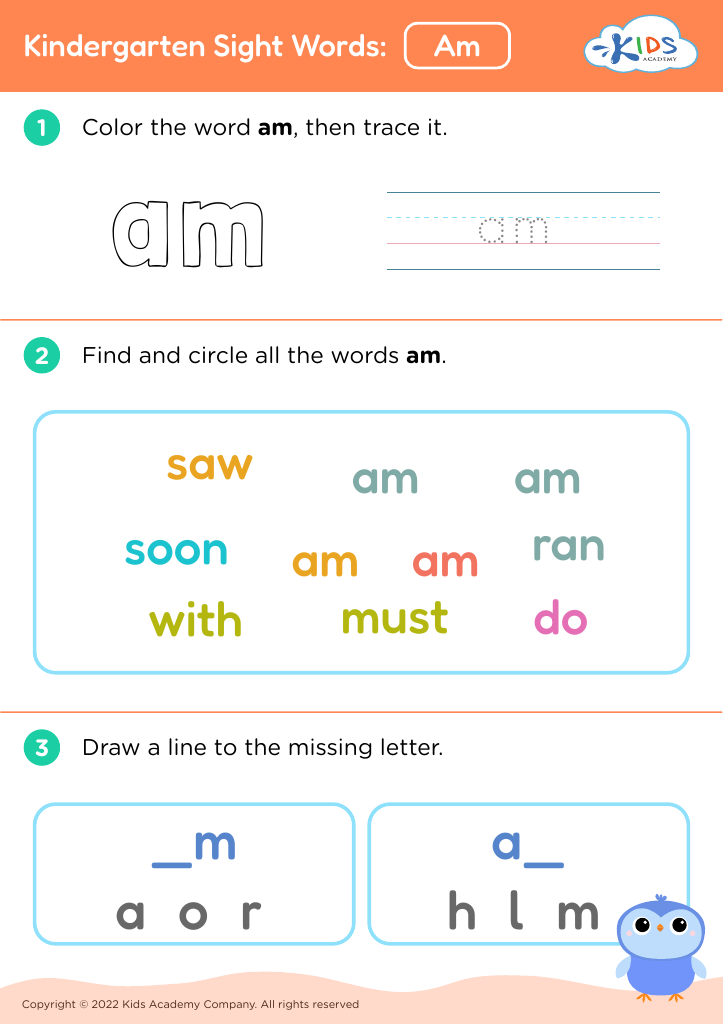
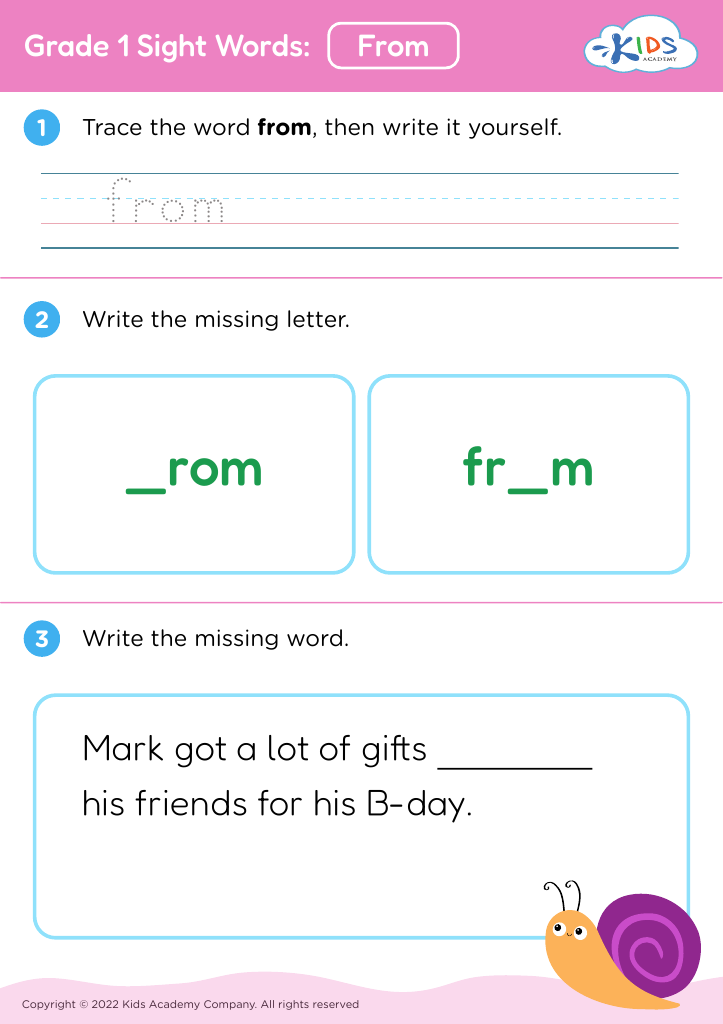
Introduce your little ones to the exciting world of data interpretation with our engaging reading worksheets tailored for ages 3-6. Designed to develop foundational learning skills, these worksheets help children understand and interpret simple data through fun and interactive activities. These expertly crafted exercises focus on visual aids, pattern recognition, and basic problem-solving, making learning both enjoyable and educational. Boost your child's cognitive abilities and prepare them for future academic success. Visit Kids Academy to explore our diverse range of printable data interpretation worksheets and watch your child's confidence and skills flourish!
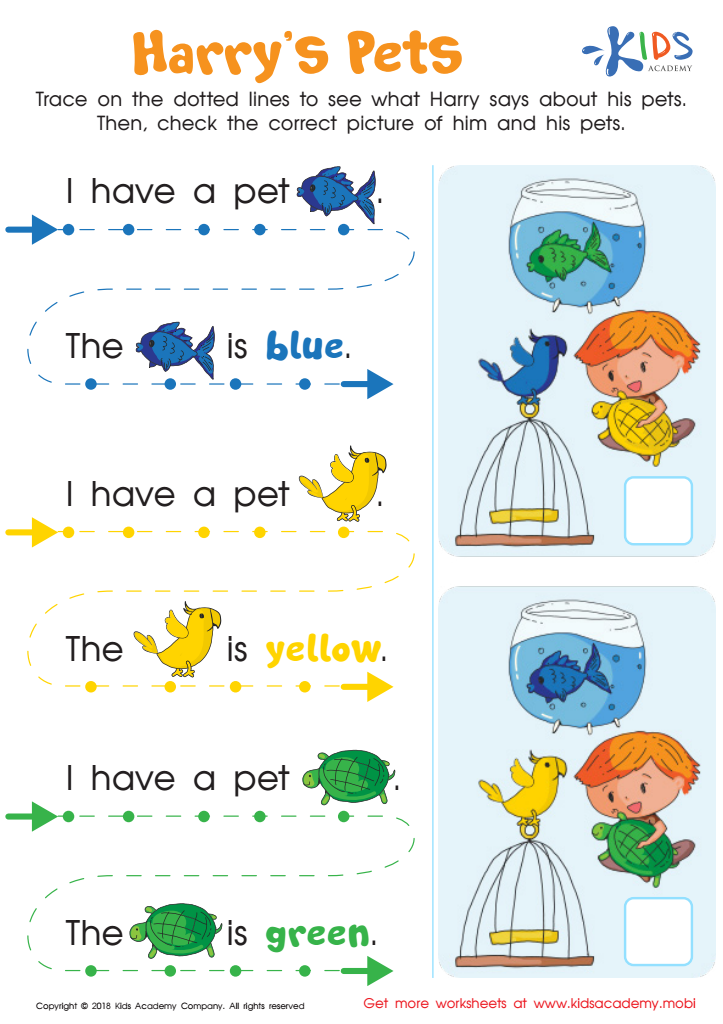
Read from Left to Right: Harry's Pets Worksheet
 Assign to My Students








Parents and teachers should prioritize data interpretation skills for children aged 3-6 as it forms the foundation for critical thinking and problem-solving abilities essential for future academic success and everyday life. At this age, children are developing cognitive skills and curiosity about the world around them. Introducing basic data interpretation helps them to understand and use information meaningfully.
For young children, data interpretation isn't about reading graphs or complex datasets; it's about recognizing patterns, categorizing objects, and understanding simple visuals like bar charts or pictograms. Activities such as counting objects, grouping similar items, or interpreting pictures foster these skills. These activities not only support mathematical thinking but also enhance language development, reasoning, and observation.
Furthermore, early exposure to data interpretation nurtures a growth mindset and patience. It encourages children to investigate, ask questions, and seek evidence before making conclusions. This mindset is crucial for lifelong learning and adaptability in an ever-changing world.
Teachers and parents play a vital role by creating an engaging, safe, and supportive environment for learning these skills. Interactive games, storytelling with charts, and hands-on activities can transform abstract concepts into enjoyable learning experiences, setting the stage for a child's future success in a data-driven society.








