Fraction simplification Reading Worksheets for Ages 3-6
7 filtered results
-
From - To
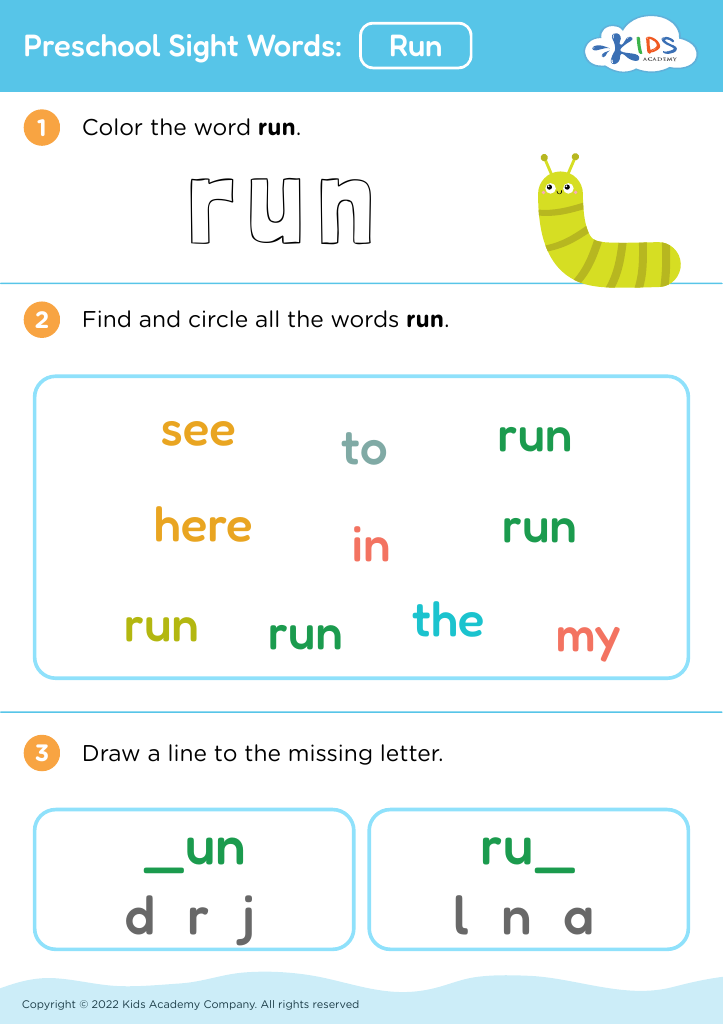
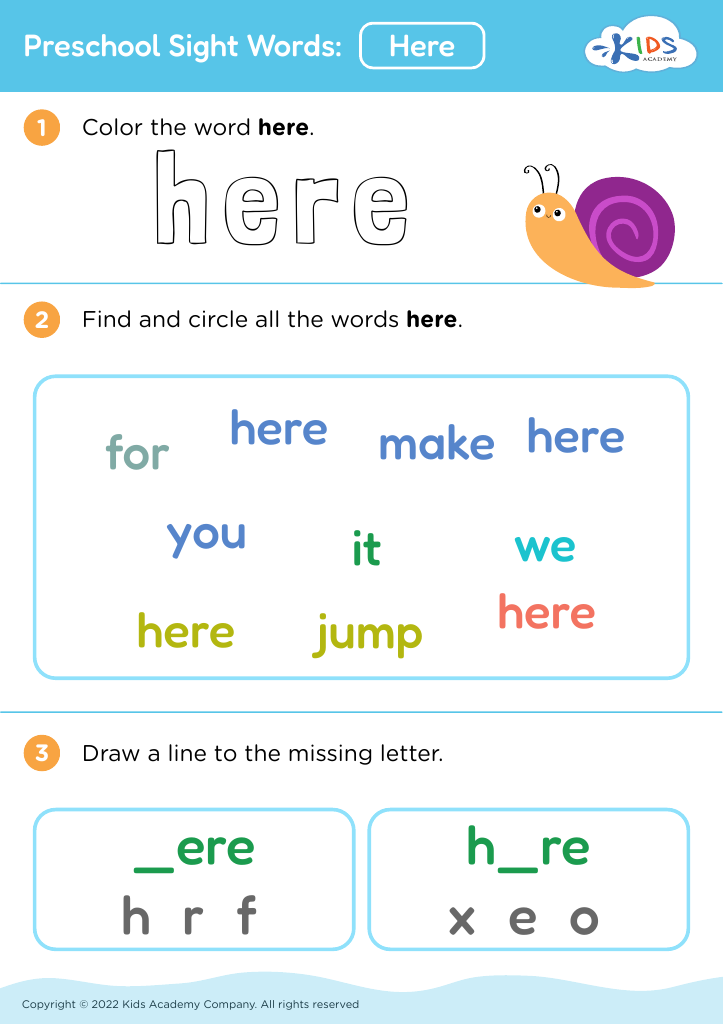
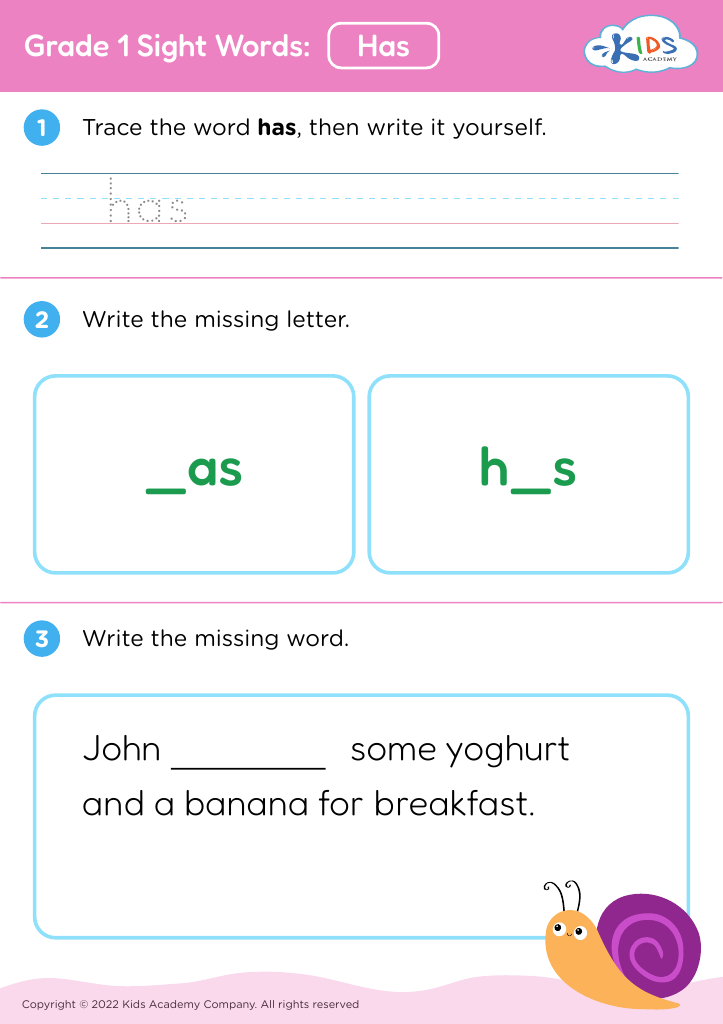
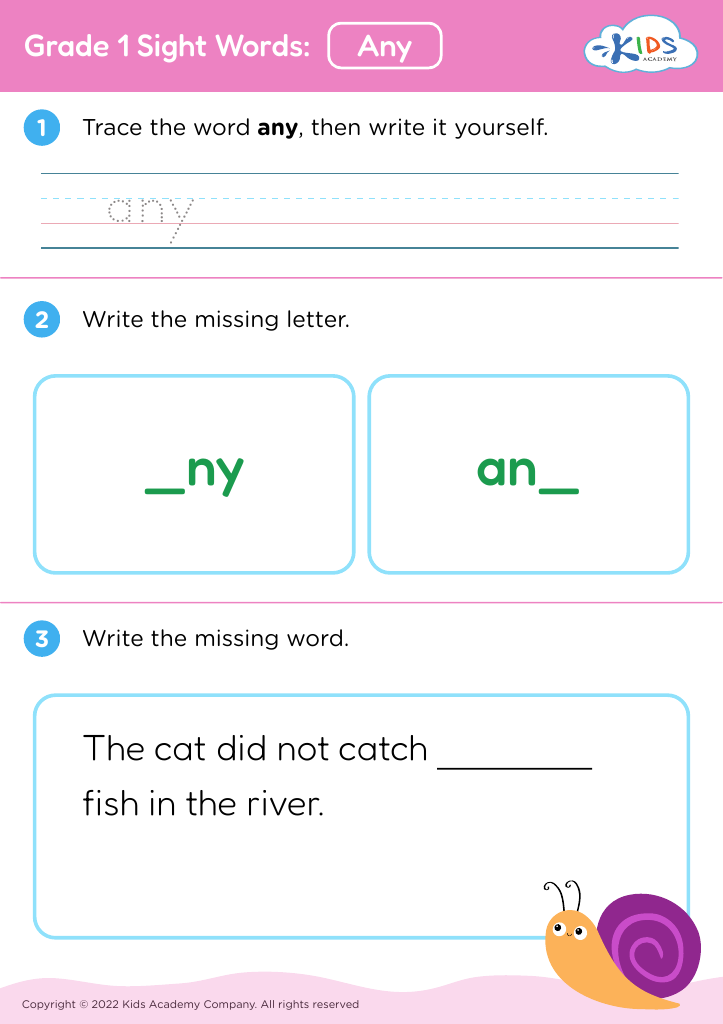
Explore our engaging Fraction Simplification Reading Worksheets, specially designed for children aged 3-6! These worksheets combine fun and interactive elements to introduce basic fraction concepts in a playful way. Perfect for early learners, they encourage the development of essential reading and comprehension skills while exploring fractions. Each activity is tailored to capture young minds with vibrant visuals and age-appropriate language. As children simplify fractions, they also enhance their critical thinking and problem-solving abilities. Our worksheets are an excellent resource for parents and educators to foster an early understanding of math through captivating reading-based activities. Start your child's fraction journey today!
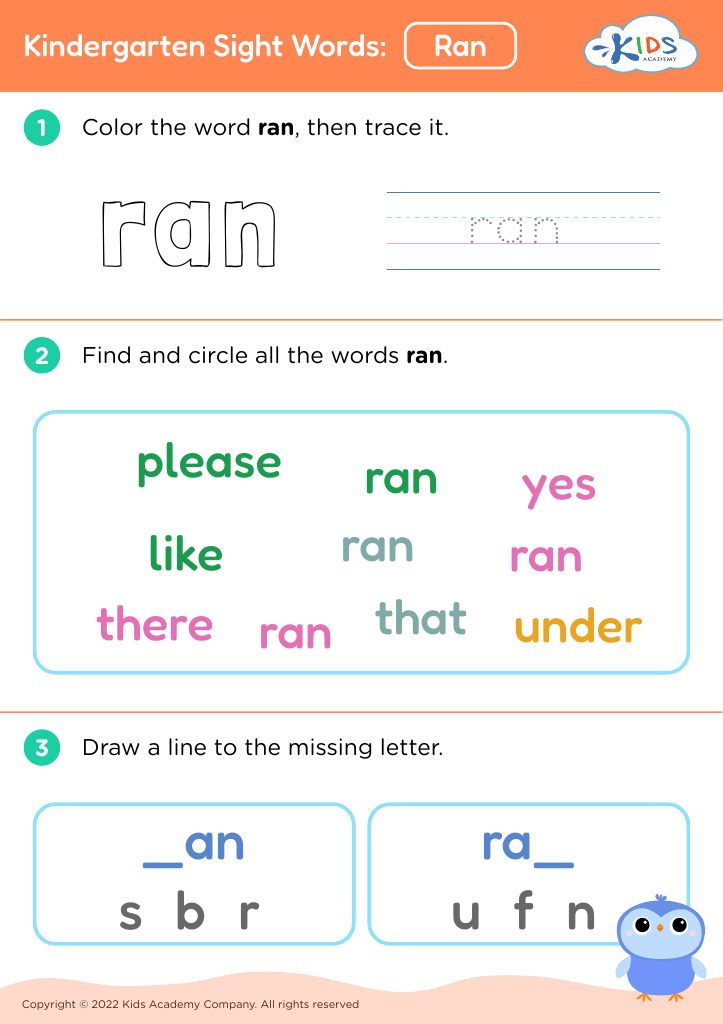
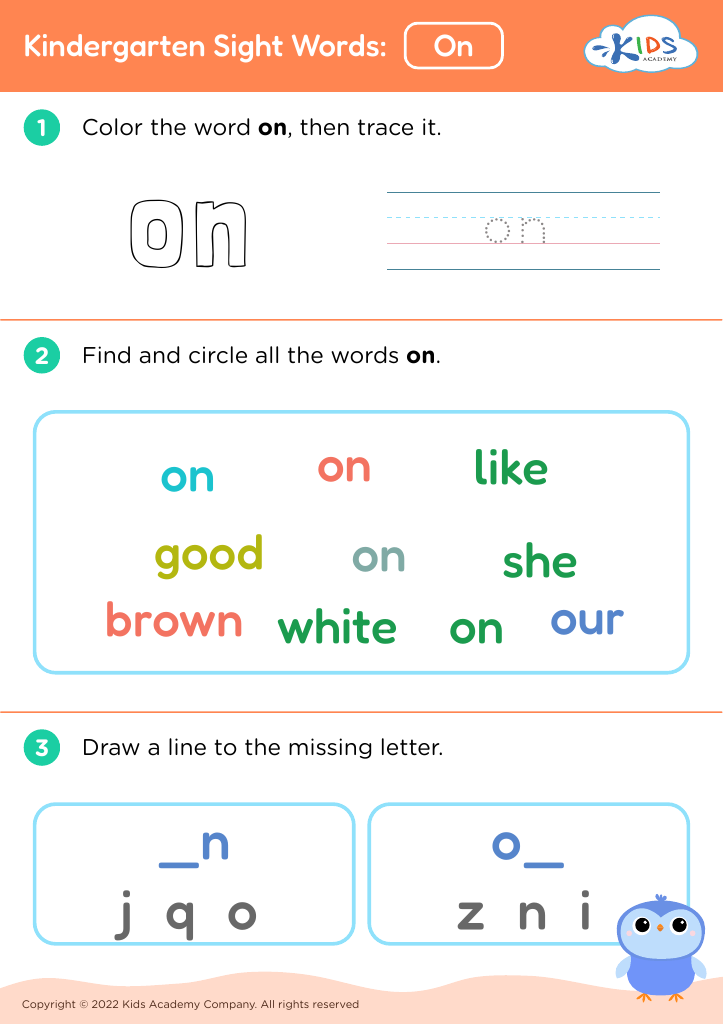
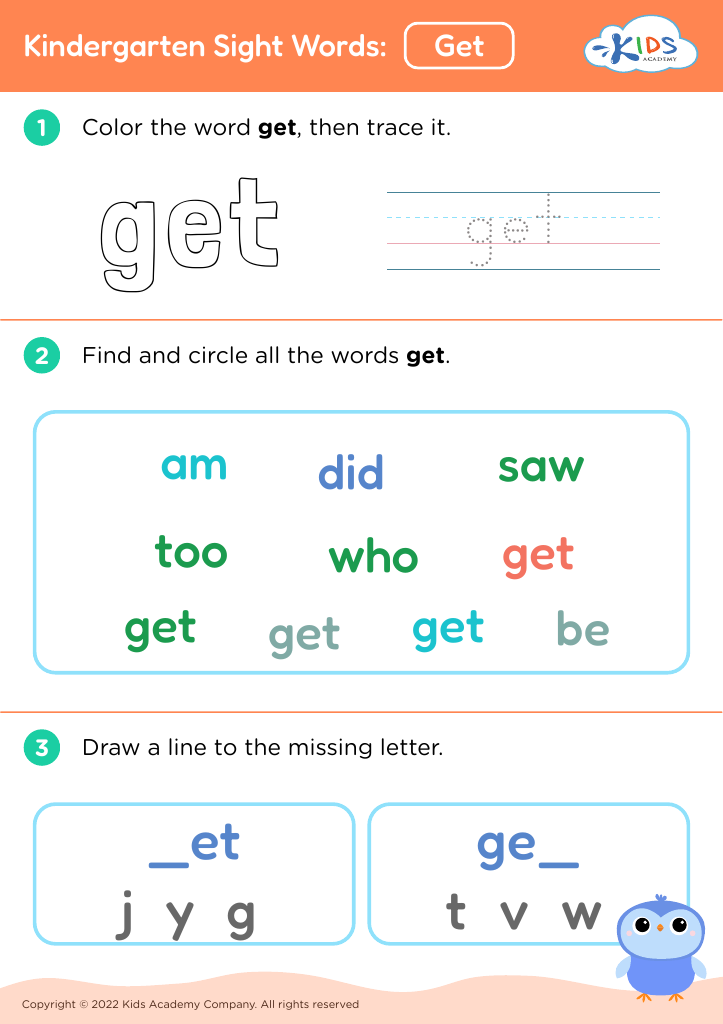








Teaching fraction simplification to young children ages 3-6 is vital for several reasons. First, foundational math skills established at this age can significantly impact a child's future academic success. Understanding fractions, even at a basic level, fosters mathematical reasoning and logical thinking. Simplifying fractions aids in recognizing relationships between parts and wholes, laying the groundwork for more complex math concepts later on.
Additionally, engaging with fractions promotes language development. As children explain their thought processes and reasoning, they enhance their vocabulary and communication skills. This age is crucial for cognitive development, and incorporating fun activities around fractions, such as storytelling or hands-on learning, can make the lessons more enjoyable.
Furthermore, early exposure to mathematical concepts builds confidence and encourages a positive attitude toward learning. Parents and teachers foster a love for math by making these concepts approachable and engaging, reducing the anxiety often associated with mathematics in later years.
Ultimately, enabling children to simplify fractions effectively equips them with essential life skills while nurturing their critical thinking and problem-solving abilities from an early age, setting them on the path towards academic success and increased confidence in their capabilities.








