Identifying shapes Reading Worksheets for Ages 3-6
7 filtered results
-
From - To
Introduce your little learners to the exciting world of shapes with our "Identifying Shapes Reading Worksheets for Ages 3-6." Our engaging and colorful worksheets help children recognize and name basic shapes while enhancing their reading skills. Designed specifically for early learners, these worksheets blend fun activities with educational content, fostering critical thinking and cognitive development. Perfect for both classroom and home use, they offer a solid foundation for preschool and kindergarten students. Equip your children with essential skills that prepare them for future academic success. Explore our wide range of printable worksheets today and make learning shapes an enjoyable adventure!
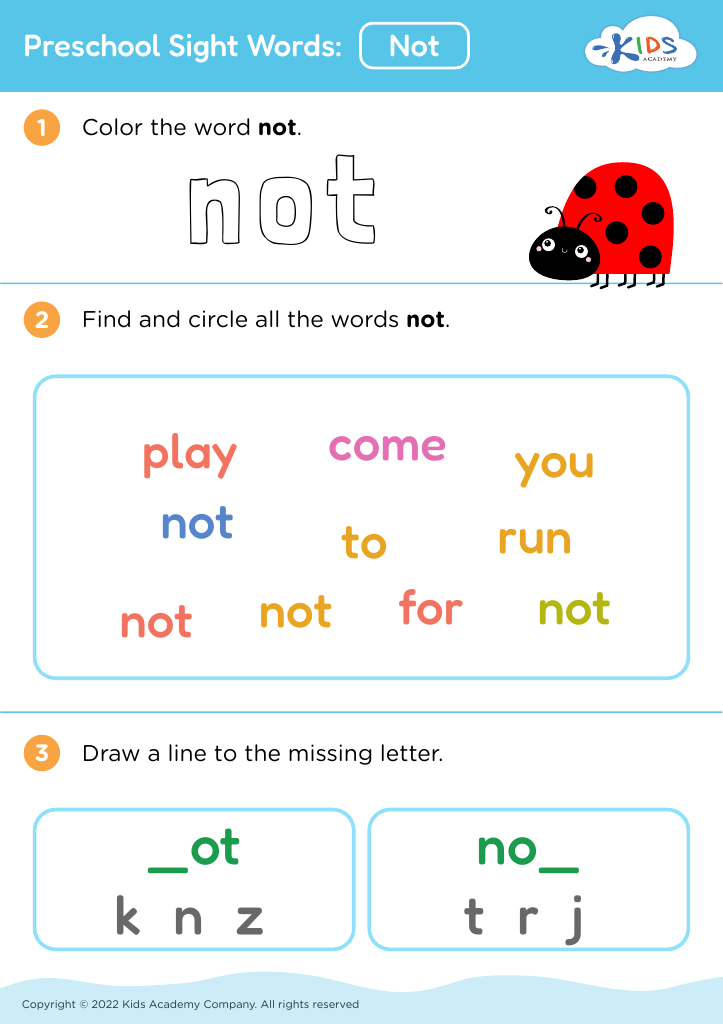
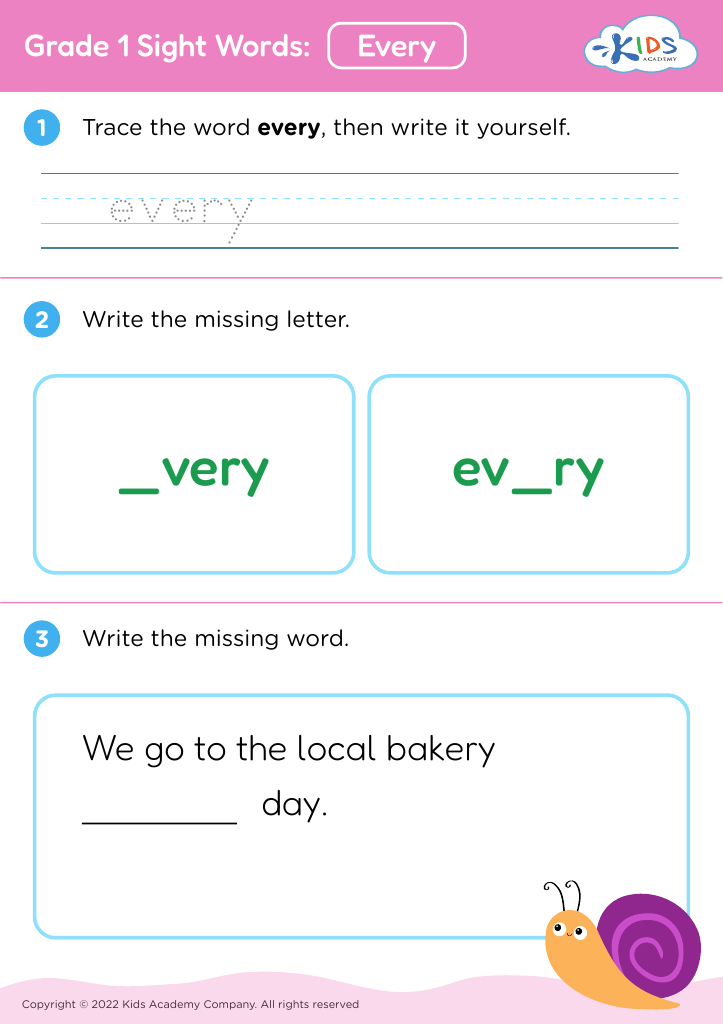
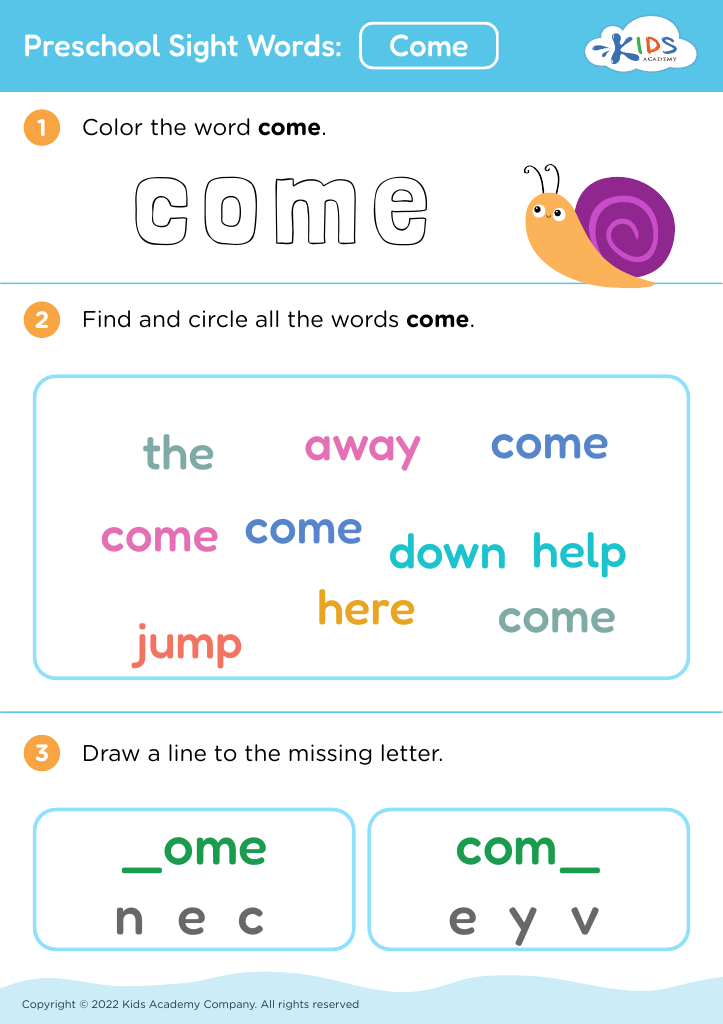
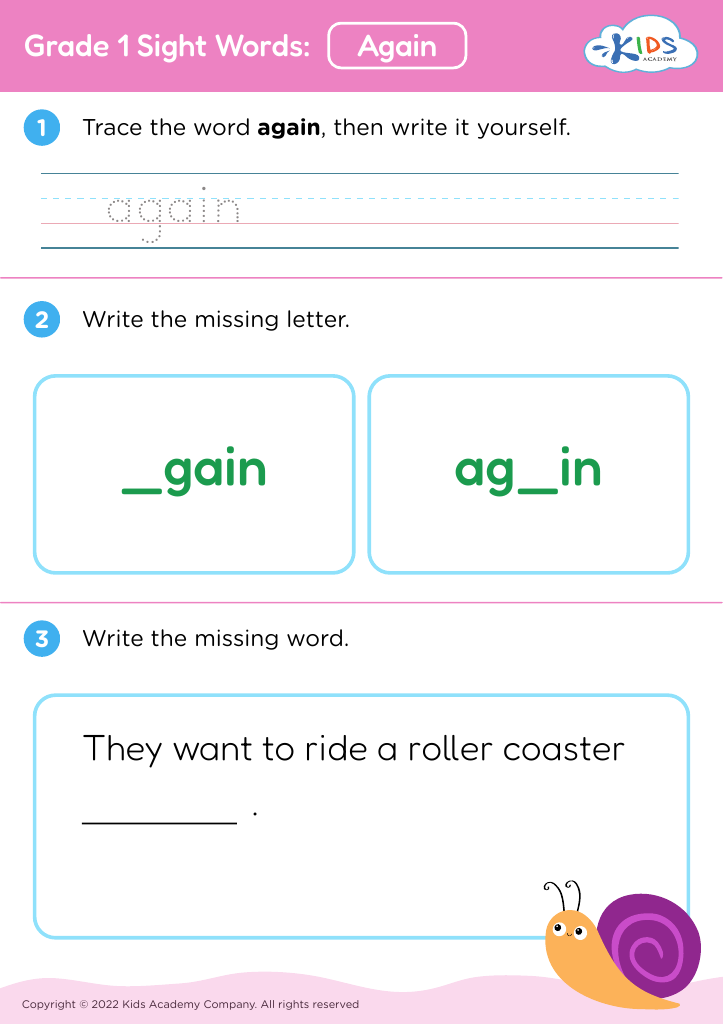
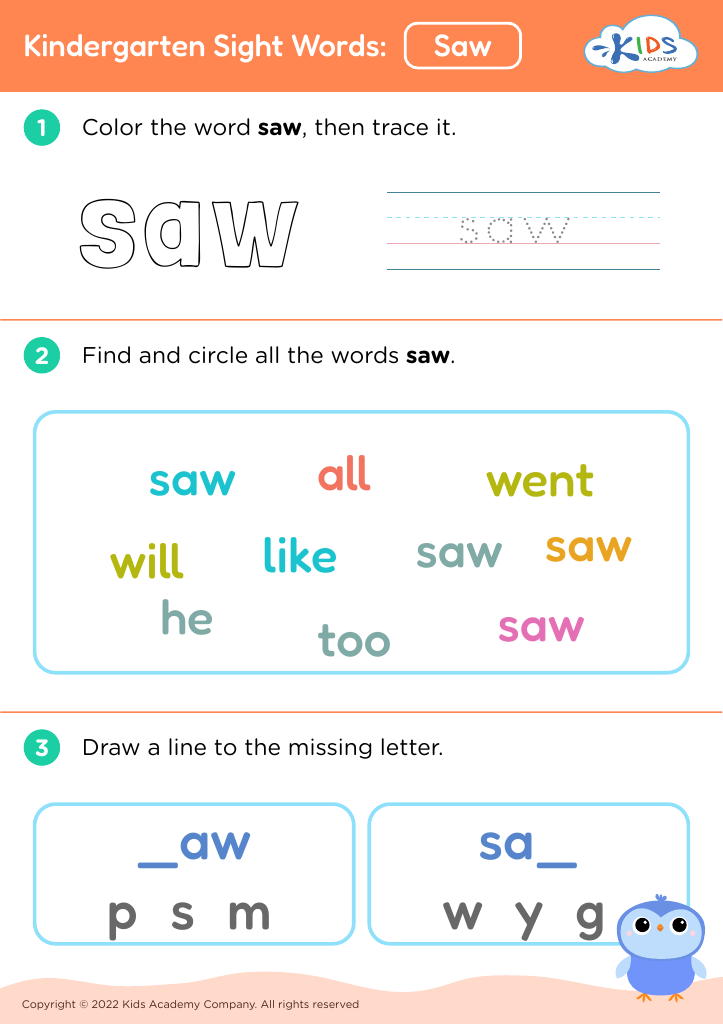
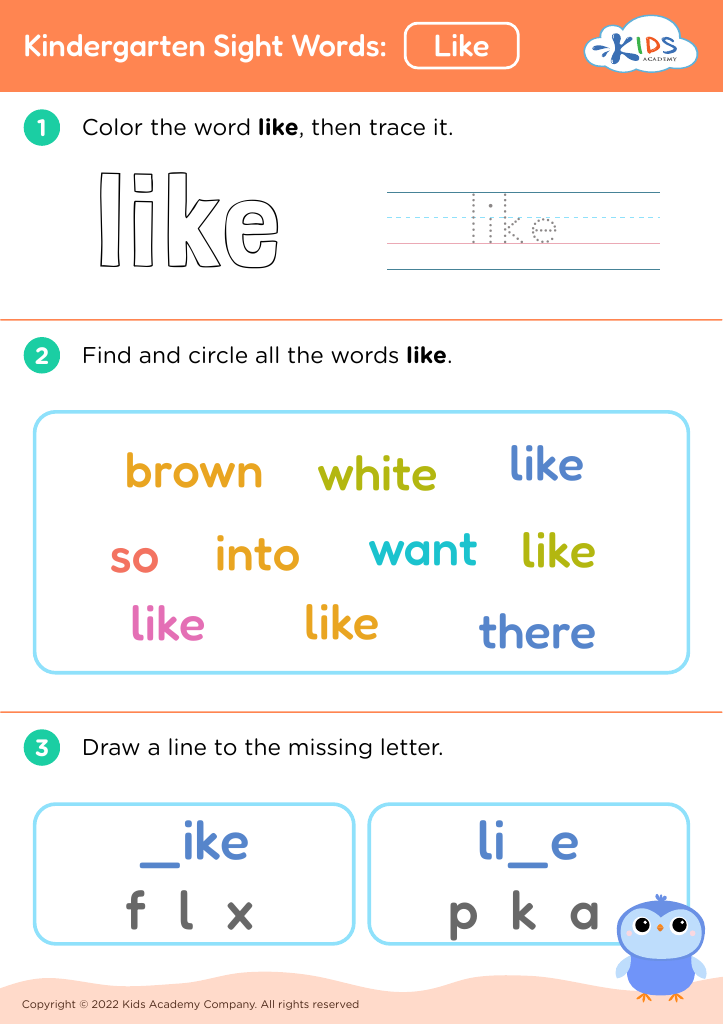
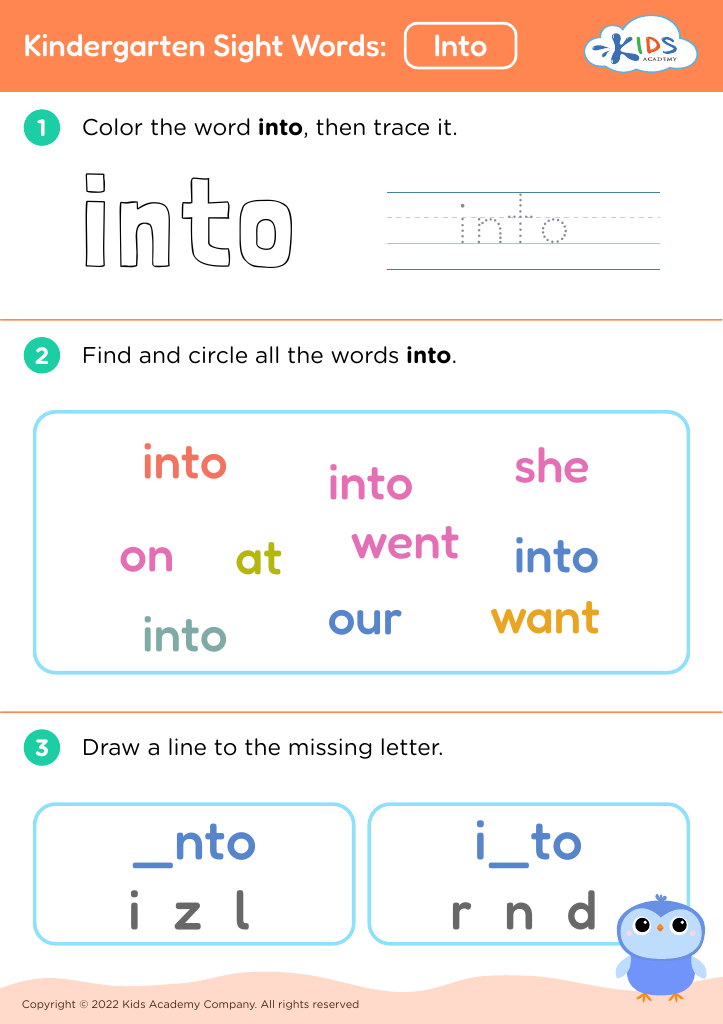







Identifying shapes is a foundational skill for children aged 3-6, and both parents and teachers play crucial roles in fostering this developmental milestone. Learning about shapes helps young kids understand and organize their world, enhancing their cognitive, language, and visual-spatial skills. Recognizing shapes, such as circles, squares, and triangles, aids in categorization and promotes analytical and problem-solving abilities. As children compare and contrast different shapes, they practice making observations and classifications—skills relevant to later mathematical and scientific reasoning.
Additionally, early shape recognition skills are closely tied to language development. When children learn shape names, they expand their vocabulary and grasp symbolic representations, which is crucial for reading readiness. For instance, understanding how the shape of the letter "O" distinguishes it from the letter "Q" underpins their ability to decode written language.
Engaging with shapes also nurtures fine motor skills and hand-eye coordination. Activities such as drawing or assembling shapes involve manipulating tools like crayons or puzzles, strengthening the muscles needed for writing. Moreover, shape recognition lays the foundation for understanding more complex geometric concepts and spatial relationships in higher grades.
Therefore, incorporating shape identification into early education is integral to developing well-rounded, intellectually robust children prepared for future academic challenges.








