Improve reading skills Reading Worksheets for Ages 3-6
10 filtered results
-
From - To
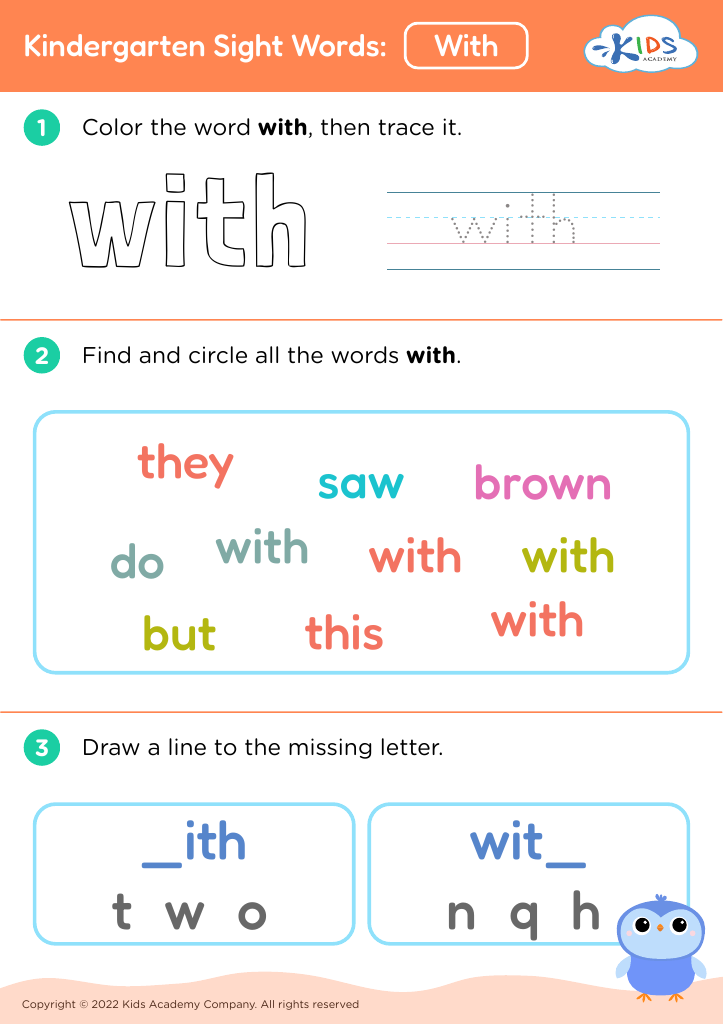
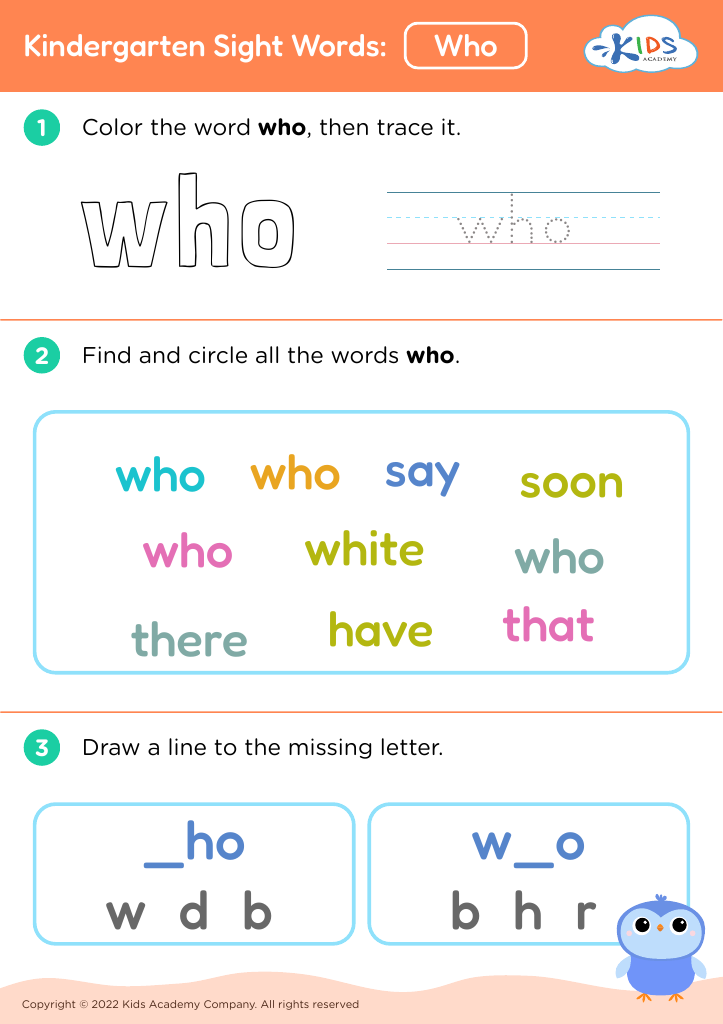
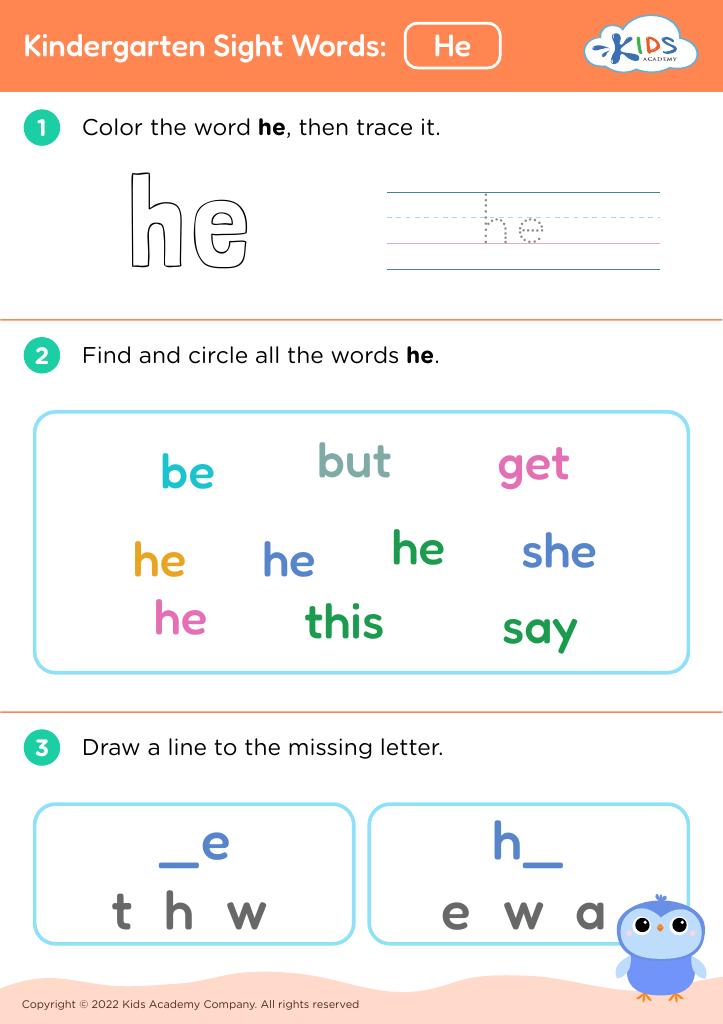
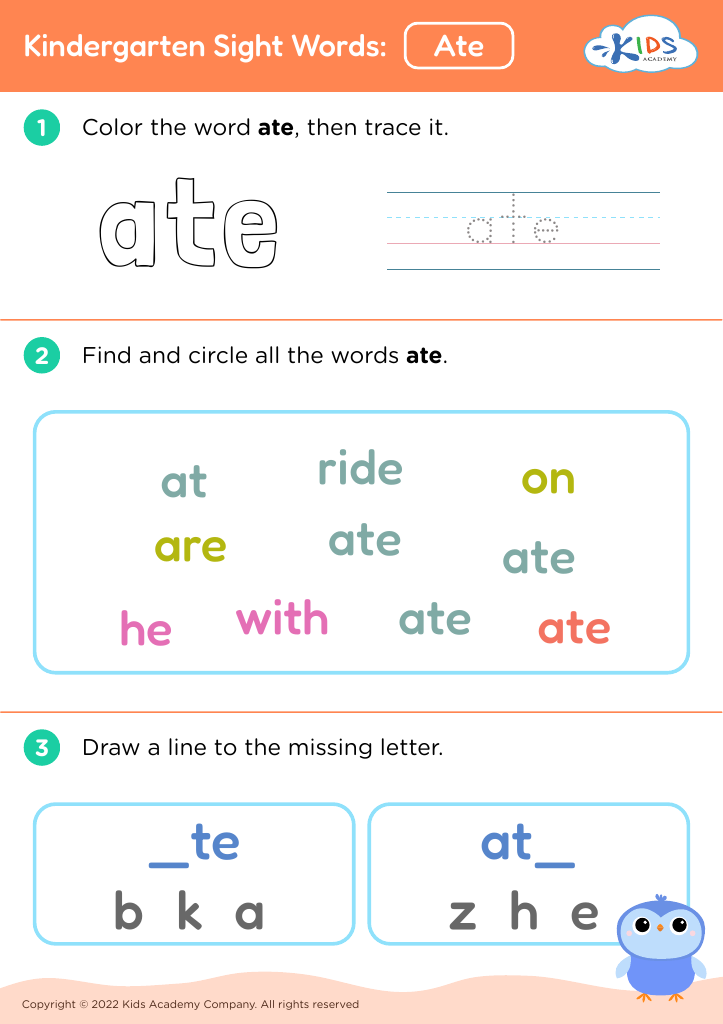
Help your child enhance their reading abilities with our specially crafted Reading Worksheets for Ages 3-6! These engaging and educational worksheets are designed to improve reading skills through fun activities that teach letter recognition, phonics, sight words, and comprehension. Perfect for preschool and kindergarten children, our worksheets ensure foundational reading proficiency while making learning enjoyable. With colorful illustrations and interactive exercises, children stay motivated and eager to learn. Equip your child with the essential reading skills they need for future academic success. Explore our collection today and watch their love for reading bloom!
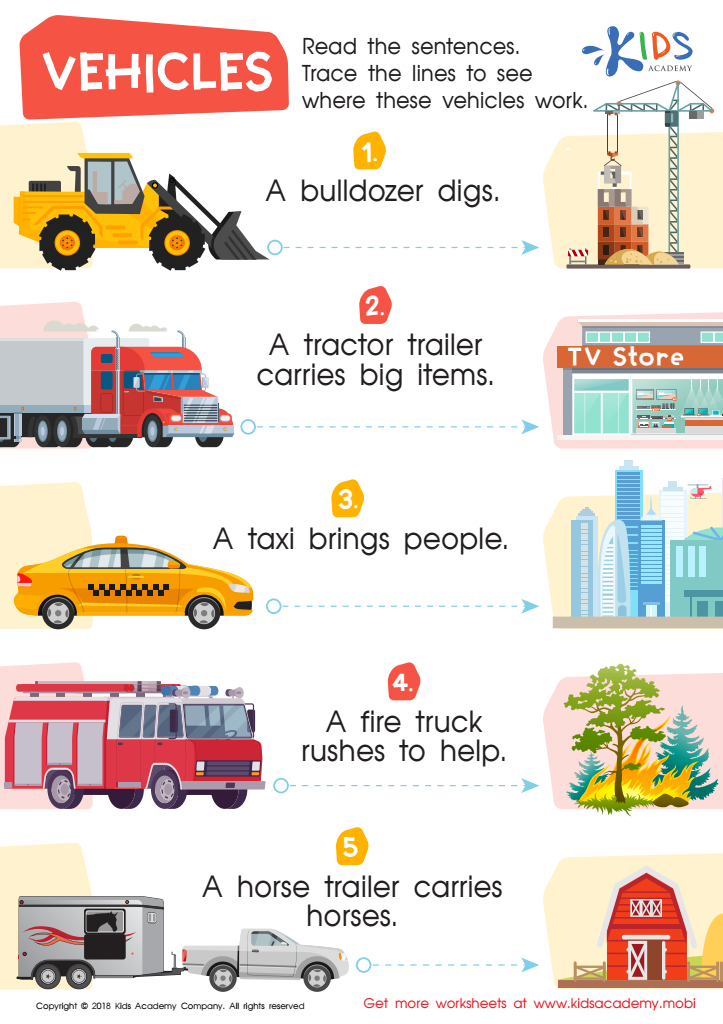
Vehicles Worksheet
 Assign to My Students
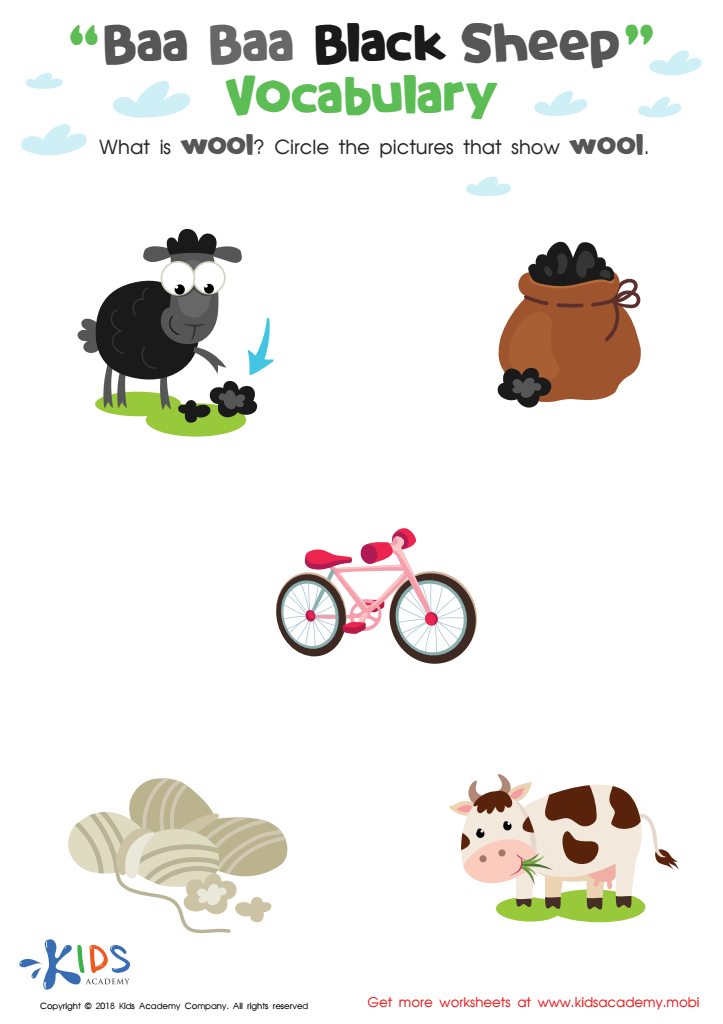
Baa Baa Black Sheep: Vocabulary Worksheet
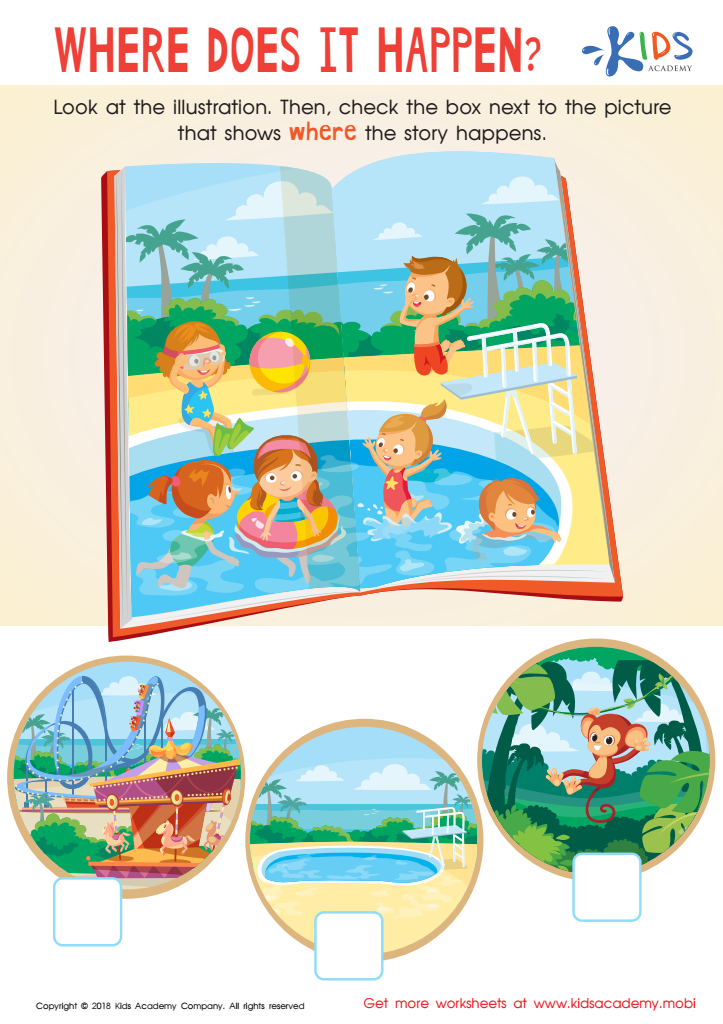
Where Does It Happen? Worksheet
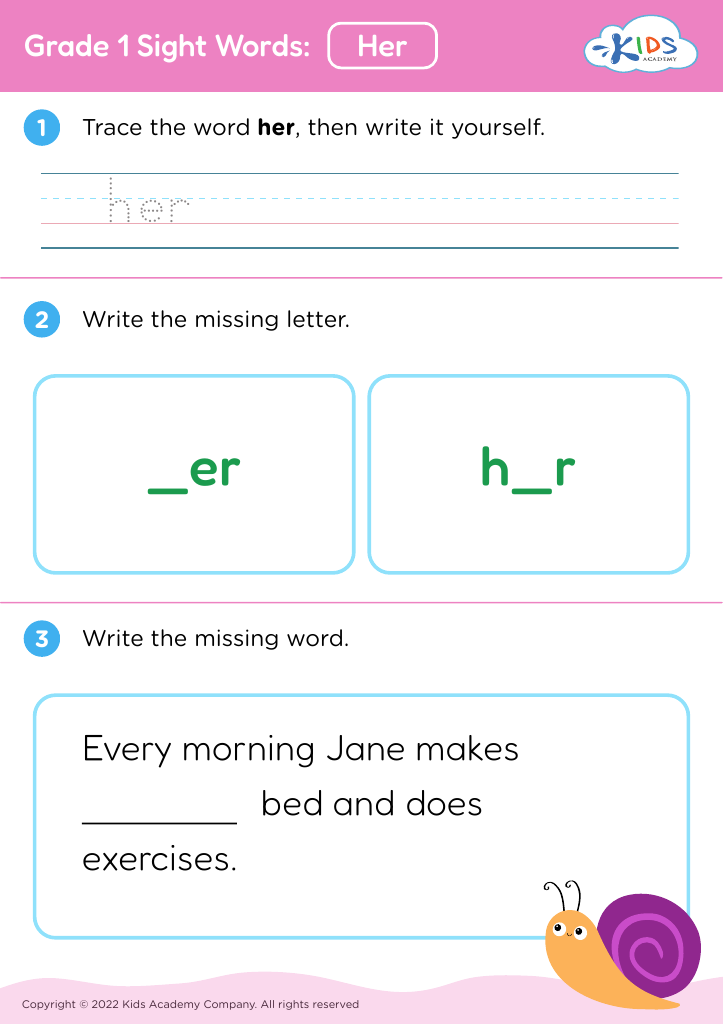




.jpg)


Improving reading skills in children ages 3-6 is crucial as it sets the foundation for their overall educational success, social development, and lifelong love of learning. During these formative years, the brain is rapidly developing, making it the ideal time to introduce literacy skills that will help children decode words, understand narratives, and develop critical thinking.
Strong reading skills in early childhood are directly linked to academic achievement. Children who are proficient readers by the end of kindergarten are more likely to excel in later grades across subjects, not just in language arts but also in math and science, which often require reading comprehension.
Moreover, early reading promotes cognitive development, enhancing attention spans, memory, and the ability to process information. It also builds vocabulary, language skills, and the recognition of letters and sounds, which are all fundamental aspects of learning to read effectively.
Socially and emotionally, early reading activities create opportunities for children to bond with parents, caregivers, and teachers. Storytime fosters emotional intelligence, helps children learn empathy by seeing the world through characters’ perspectives, and can even improve focus and listening skills.
Parents and teachers should actively support and encourage early reading to equip children with the tools they need to thrive academically, socially, and emotionally, ultimately laying a solid foundation for future success and a lifelong passion for reading.








