Phonics recognition Reading Worksheets for Ages 3-6
3 filtered results
-
From - To
Enhance your child's reading skills with our engaging Phonics Recognition Reading Worksheets designed for ages 3-6. These printable worksheets provide a fun and interactive way for young learners to master essential phonetic sounds and build a solid foundation for early literacy. Activities include matching letters, identifying sounds in words, and simple reading exercises tailored to developing phonemic awareness. Our worksheets are colorful and captivating, ensuring that learning remains enjoyable. Perfect for at-home practice or classroom use, these resources empower young readers to gain confidence and proficiency in their reading journey. Explore our collection and witness your child's literacy skills flourish today!
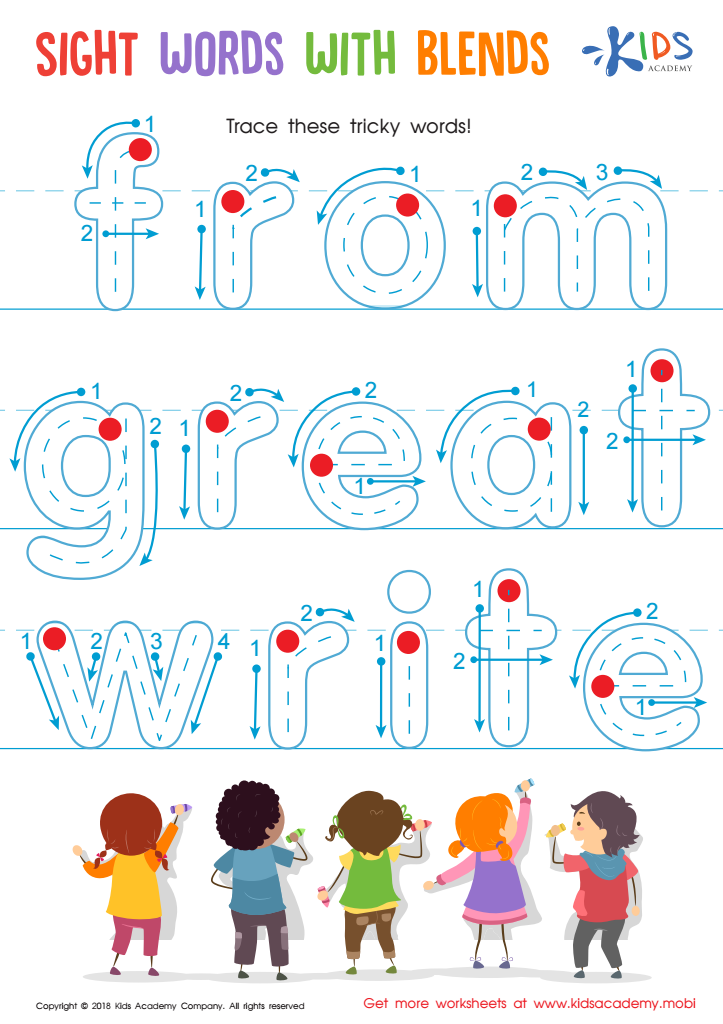
Sight Words with Blends Worksheet
 Assign to My Students
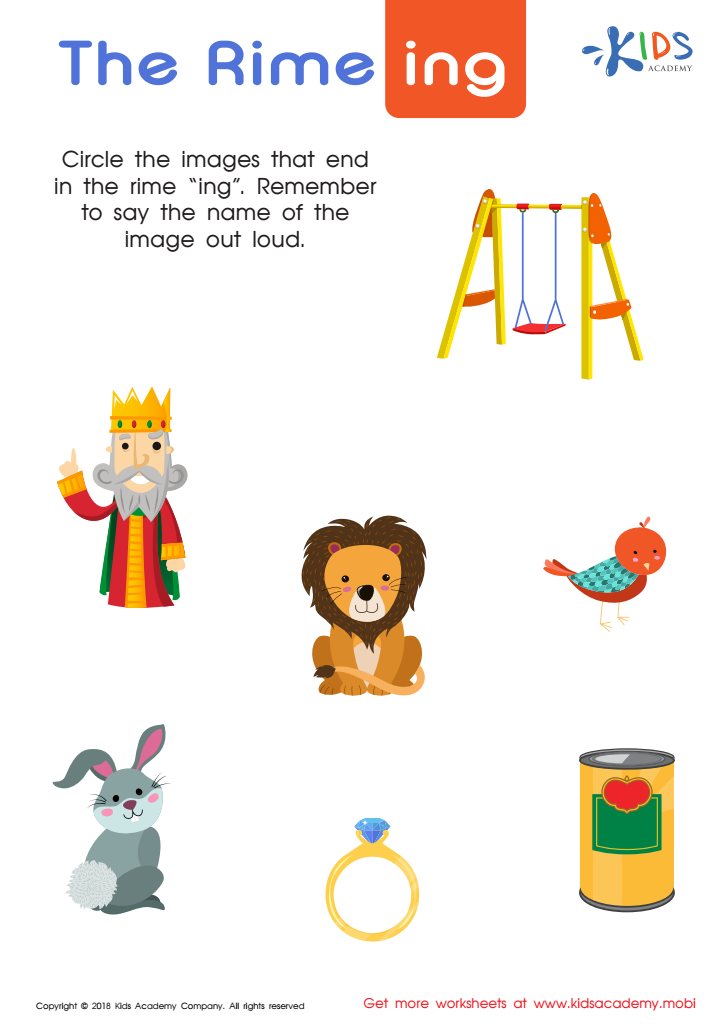
The Rime "ing" Worksheet
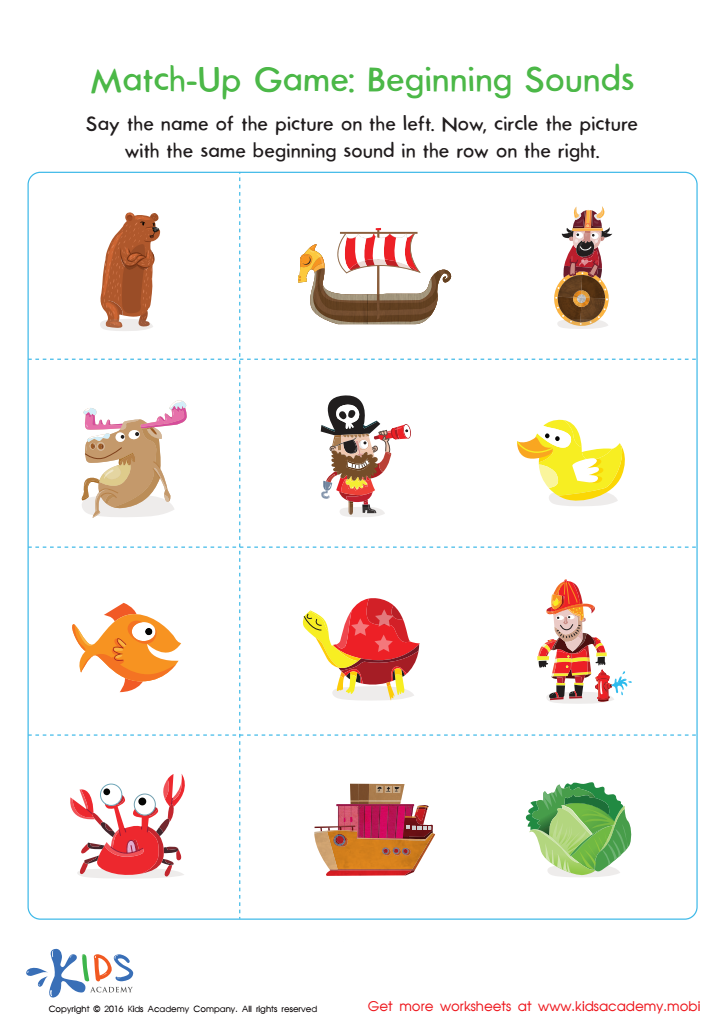
Match–Up Game: Beginning Sounds Worksheet







Phonics recognition is a crucial component of early literacy development for children ages 3-6, and it is essential for parents and teachers to prioritize it for several reasons. First, phonics instruction helps children understand the relationship between letters and sounds, enabling them to decode words. This foundational skill is vital for developing reading fluency, which in turn enhances comprehension.
Second, early mastery of phonics can boost a child's confidence in reading. When children feel successful in recognizing sounds and blending them to form words, they become more motivated to engage with text, fostering a lifelong love of reading. In turn, this engagement helps expand vocabulary and improve communication skills.
Furthermore, phonics-based reading instruction has been shown to significantly benefit children in diverse learning environments, ensuring that all children have an equitable chance at succeeding in literacy. By focusing on phonics from a young age, parents and teachers can better equip children to navigate their educational journeys, reducing the risk of literacy-related challenges later on.
Finally, nurturing early phonics skills sets the stage for academic success in all subject areas, as reading is pivotal in learning new concepts throughout a child's educational career. Investing time in phonics recognition is, therefore, an investment in a child's future.








