Problem-Solving Skills Reading Worksheets for Ages 3-6 - Page 2
27 filtered results
-
From - To
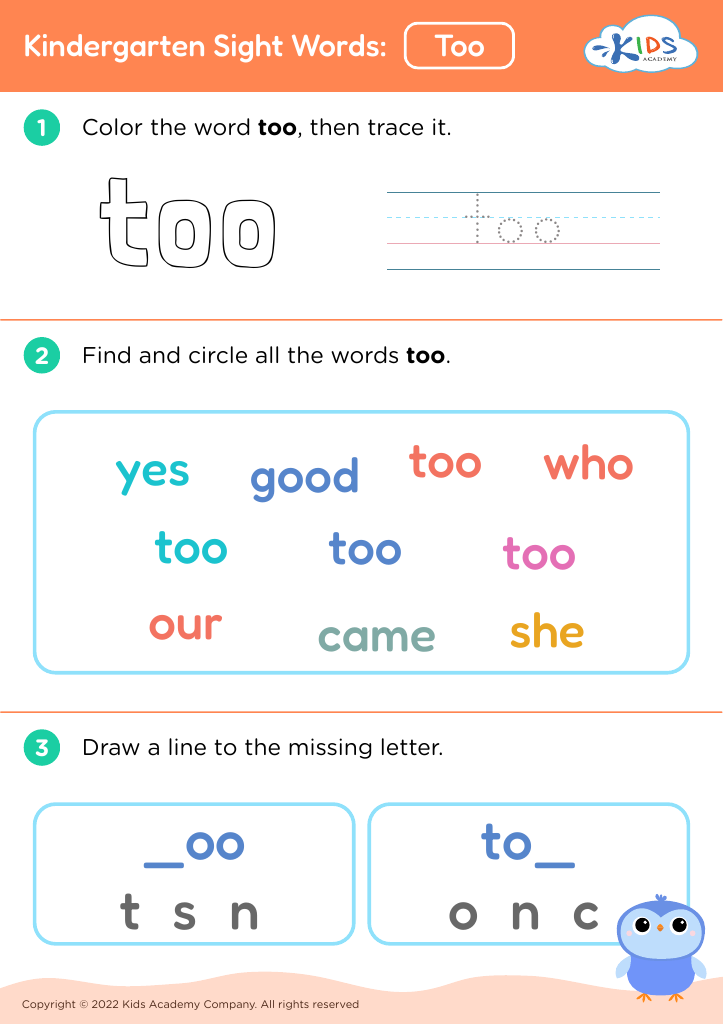
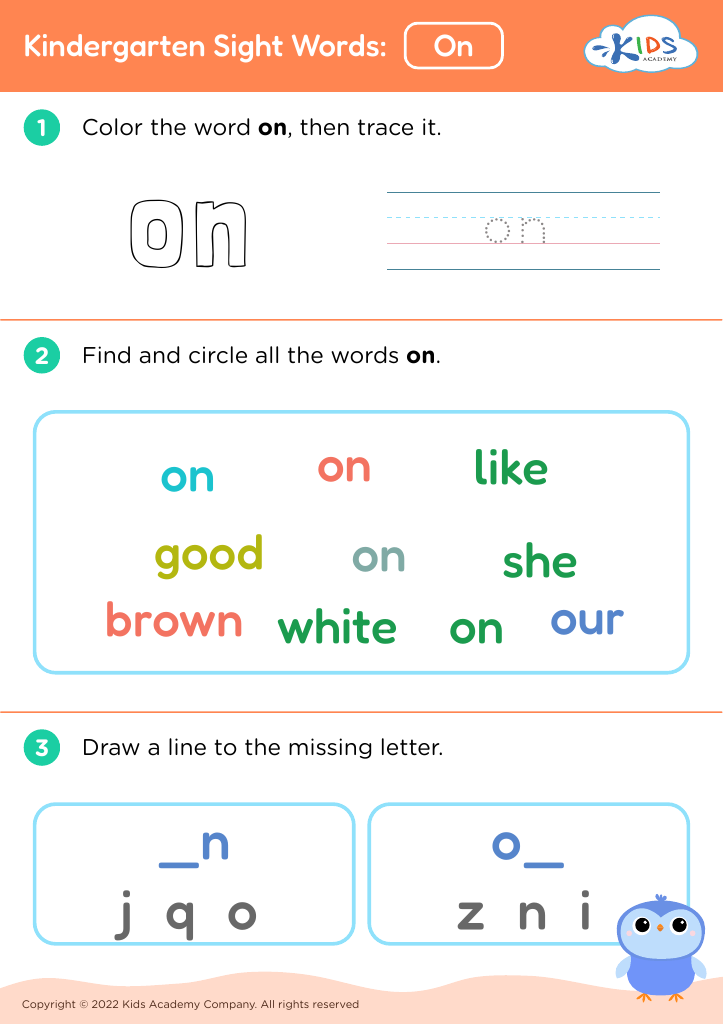
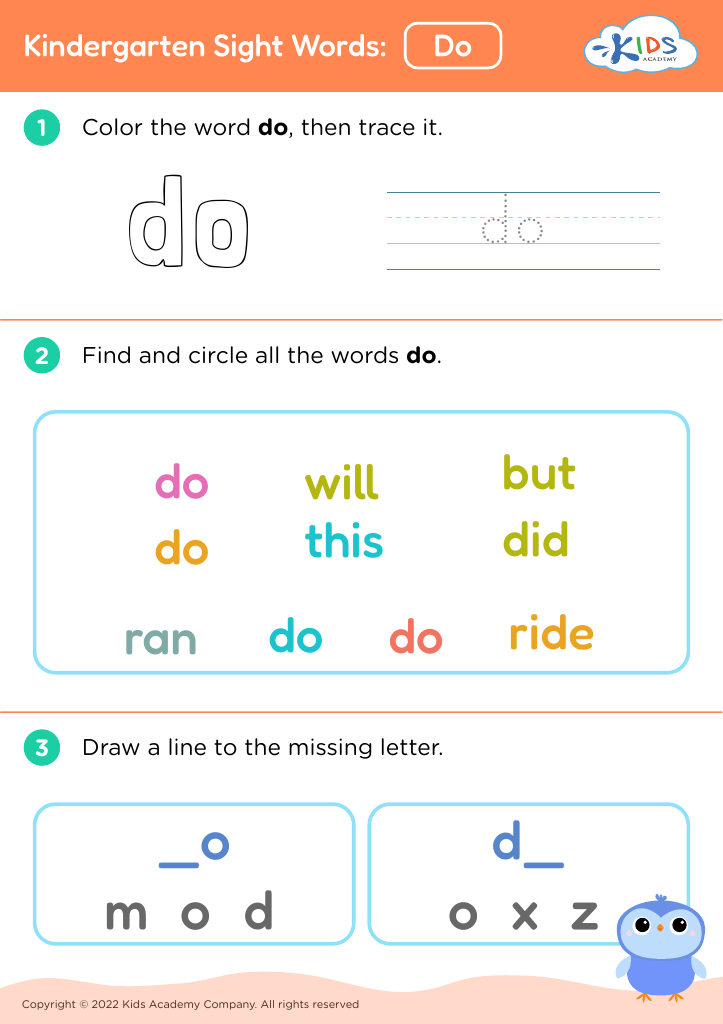








Problem-solving skills are essential for children aged 3-6, as they form the foundation for critical thinking and decision-making later in life. For parents and teachers, fostering these skills during early childhood is crucial because this developmental stage is characterized by rapid cognitive growth and curiosity. Engaging children in problem-solving activities during reading not only enhances their comprehension but also encourages them to think creatively and independently.
When children are exposed to stories that include challenges or conflicts, they learn to empathize with characters, predict outcomes, and think about various solutions. This encourages dialogue, as parents and teachers can prompt discussions about “What would you do?” or “How could they solve this?” Such conversations promote linguistic development and enhance vocabulary.
Additionally, enhancing problem-solving abilities helps children navigate their environment, manage emotions, and resolve conflicts with peers—weaving social skills into their learning process. By investing time in reading activities that challenge children to think critically, parents and teachers equip them with tools not just for academic success, but also for lifelong learning and resilience in facing challenges. Ultimately, nurturing problem-solving skills during these formative years sets a solid trajectory for children’s educational and personal development.








