Spelling practice Reading Worksheets for Ages 3-6 - Page 2
30 filtered results
-
From - To
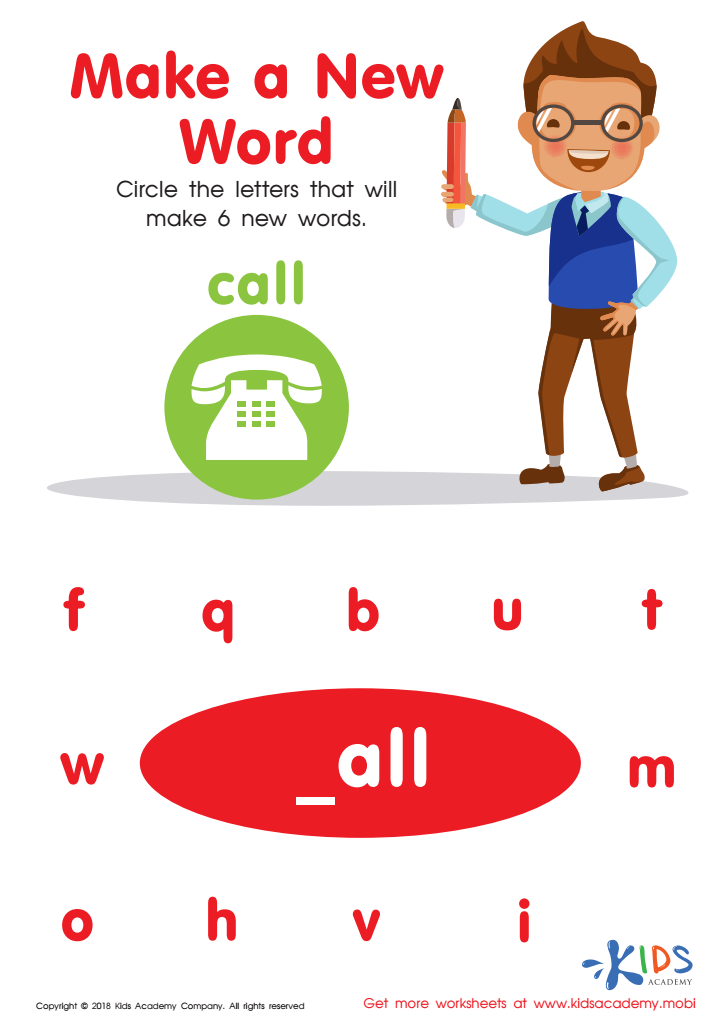
Make a New Word Worksheet
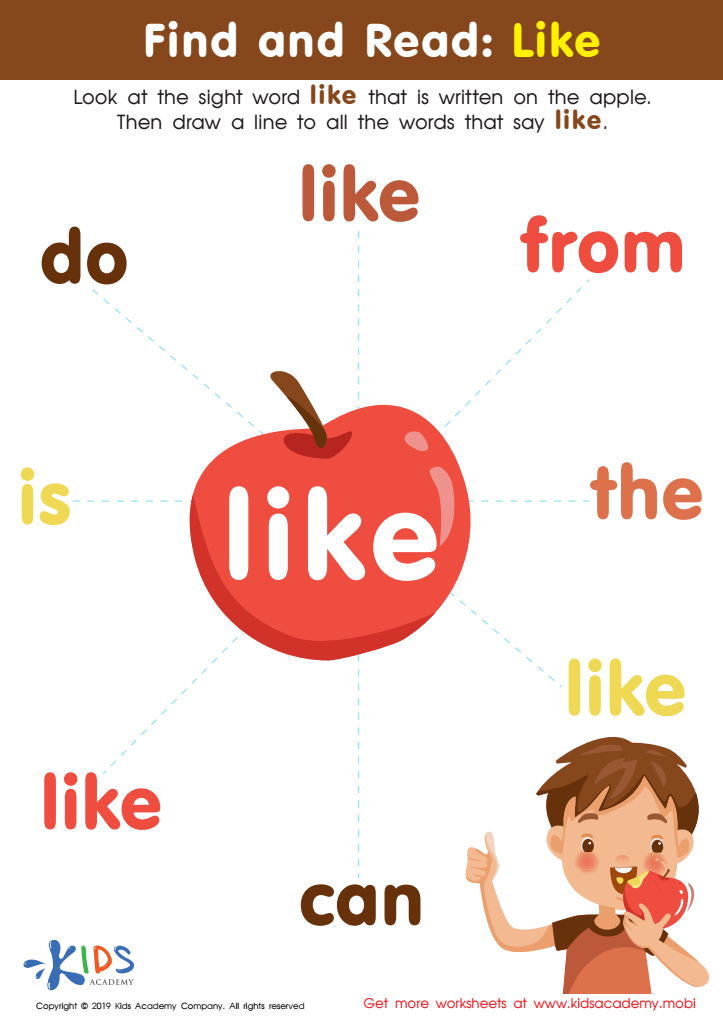
Find and Read: Like Worksheet
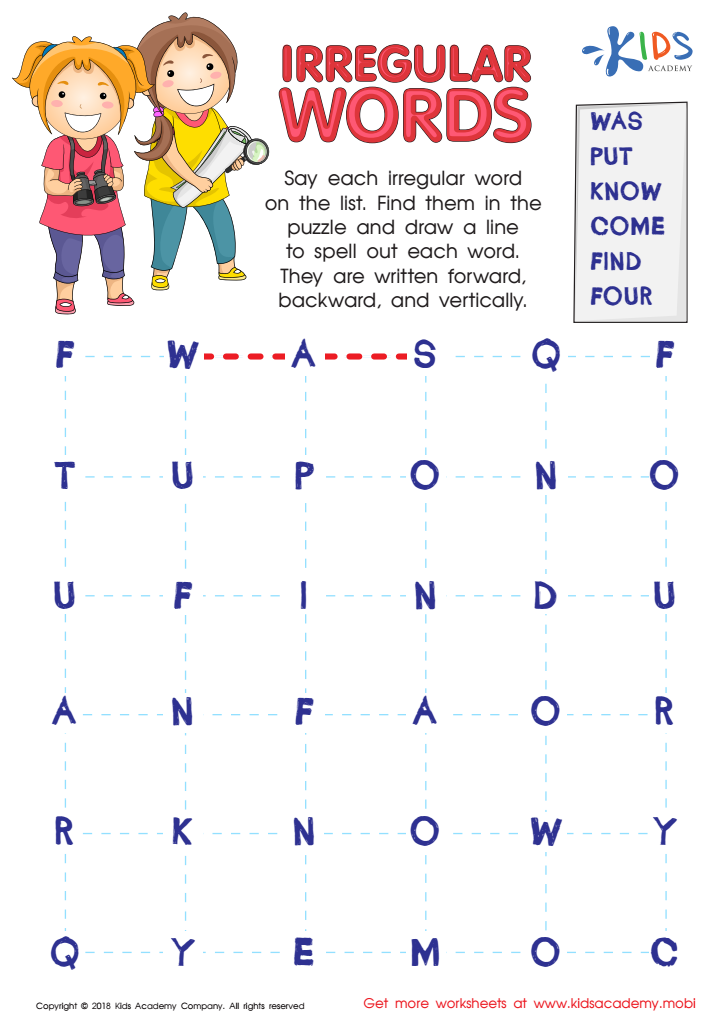
Irregular Words Worksheet
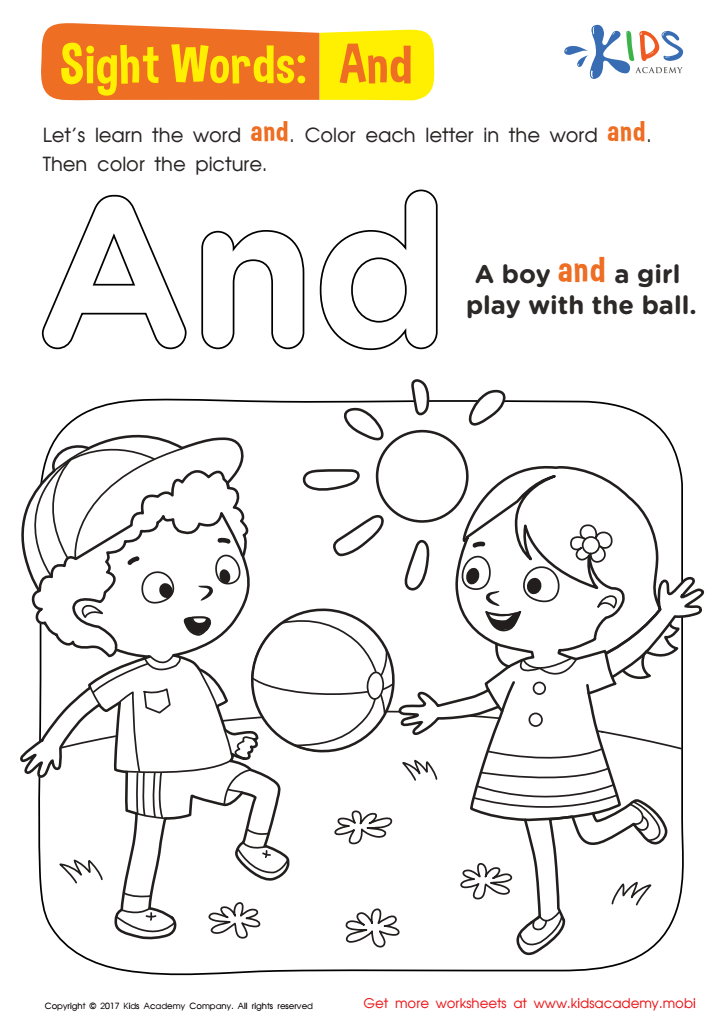
And Worksheet Sight Words Worksheet
 Assign to My Students
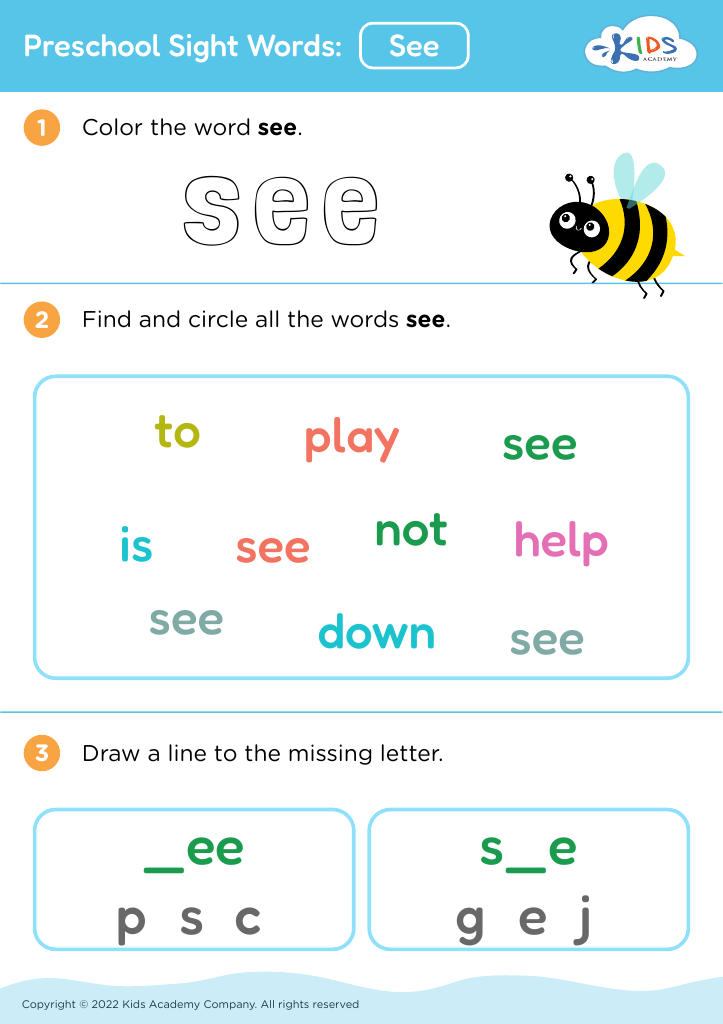
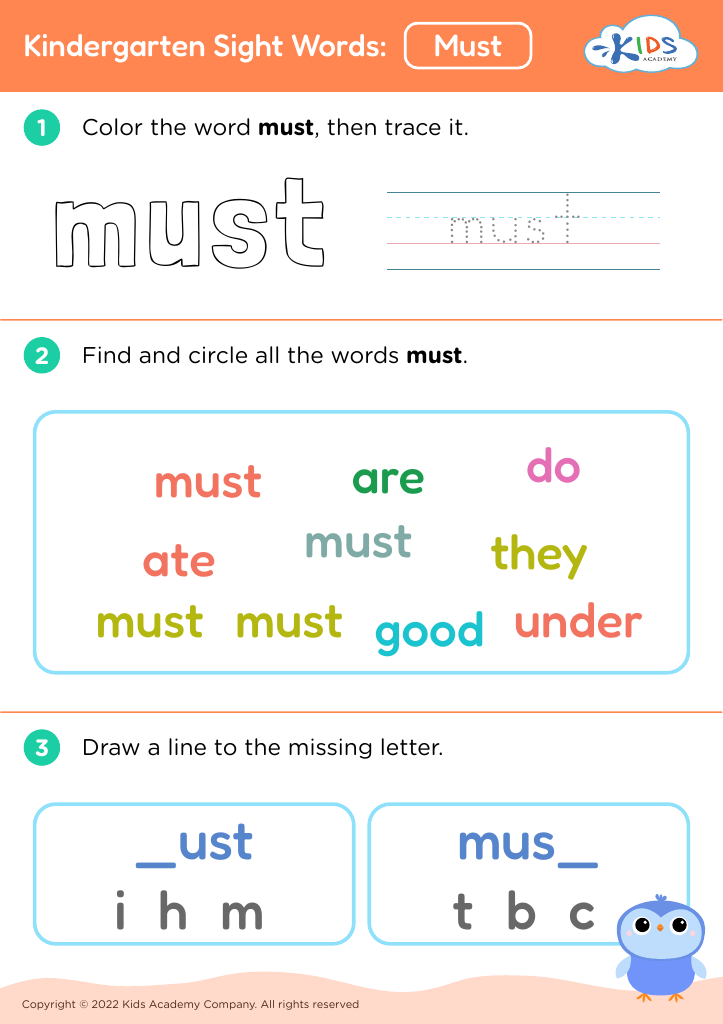








Spelling practice and reading are essential components of early childhood education for children aged 3-6, and parents or teachers should prioritize them for several reasons. Firstly, these practices lay the foundational skills for literacy development. Children who engage in reading and spelling activities are more likely to comprehend language, recognize words, and develop a passion for reading, which is essential for academic success.
Additionally, spelling practice enhances phonemic awareness, the ability to hear and manipulate sounds in words. This awareness is crucial for decoding and spelling, enabling children to sound out unfamiliar words as they progress in their reading journey. Engaging in regular reading also helps children expand their vocabulary, which fosters better communication skills and enhances their cognitive development.
Moreover, early exposure to spelling and reading nurtures critical thinking and creativity, stimulating imagination and curiosity about the world around them. This practice encourages bonding through shared reading experiences, making it a joyful activity for both parents and children.
Ultimately, prioritizing spelling practice and reading experiences equips children with essential skills, sets the stage for lifelong learning, and cultivates an enriching environment that supports their growth and development during these formative years.








