Understanding habitats Reading Worksheets for Ages 3-6
3 filtered results
-
From - To
Discover our "Understanding Habitats" reading worksheets designed specifically for children aged 3-6. These engaging resources help young learners explore different environments where animals and plants thrive. Through colorful illustrations and age-appropriate language, children will identify various habitats such as forests, oceans, and deserts, enhancing their vocabulary and comprehension skills. Each worksheet encourages creativity and critical thinking, fostering a deeper connection with nature. Ideal for home and classroom use, our worksheets support early literacy development while making learning fun. Start your child's adventure into the fascinating world of habitats today with our printable resources!
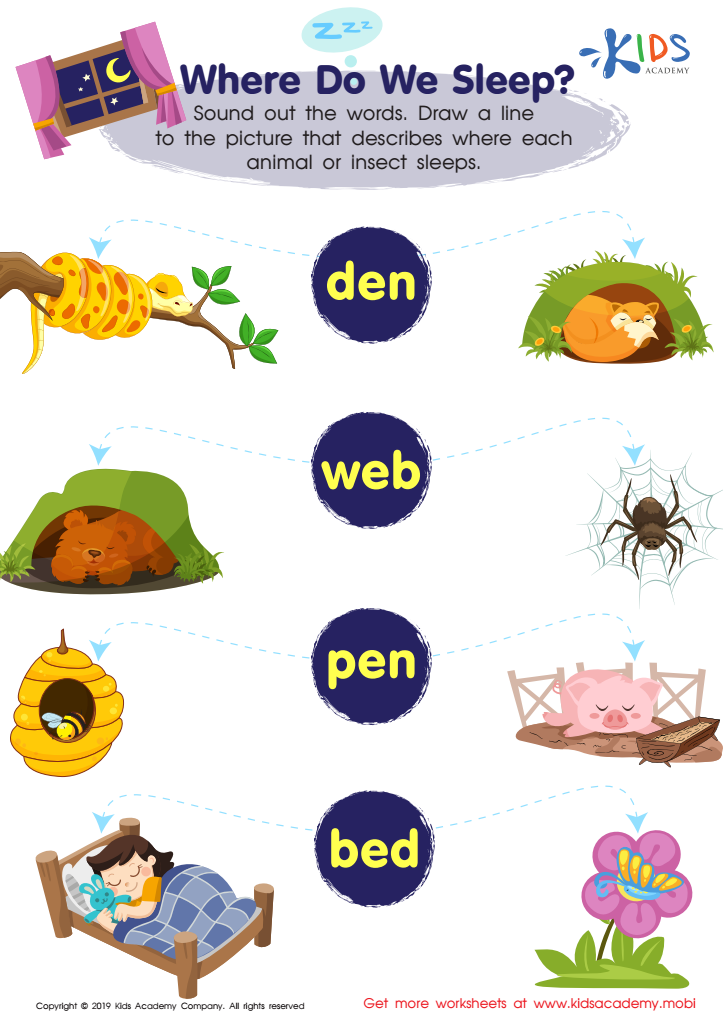
Where Do We Sleep Worksheet
 Assign to My Students
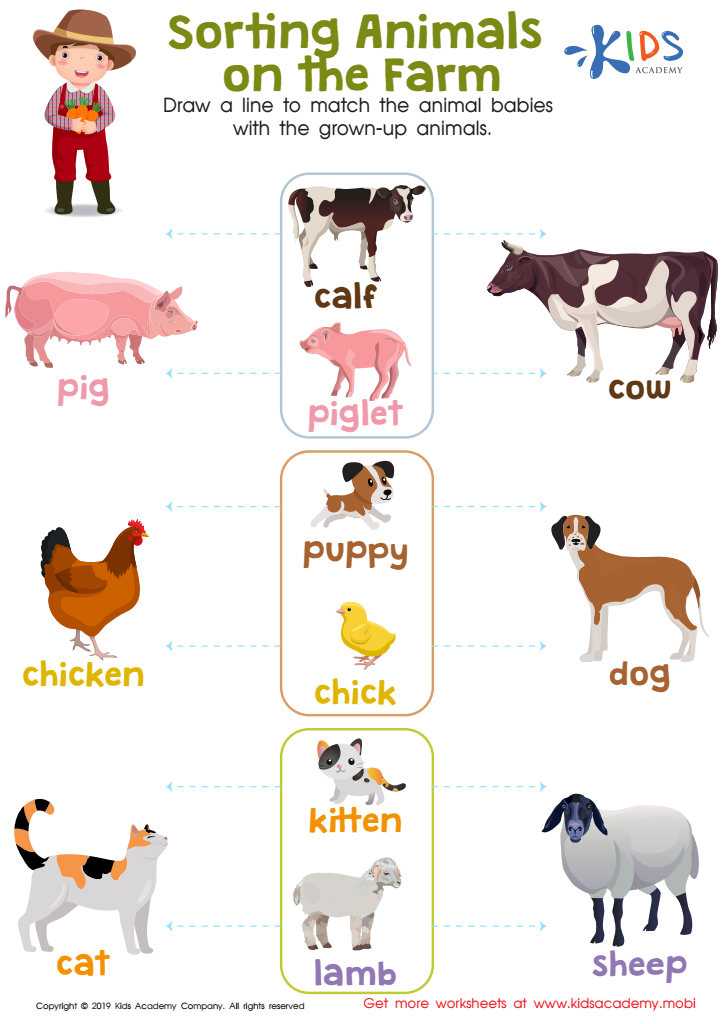
Sorting Animals on the Farm Worksheet
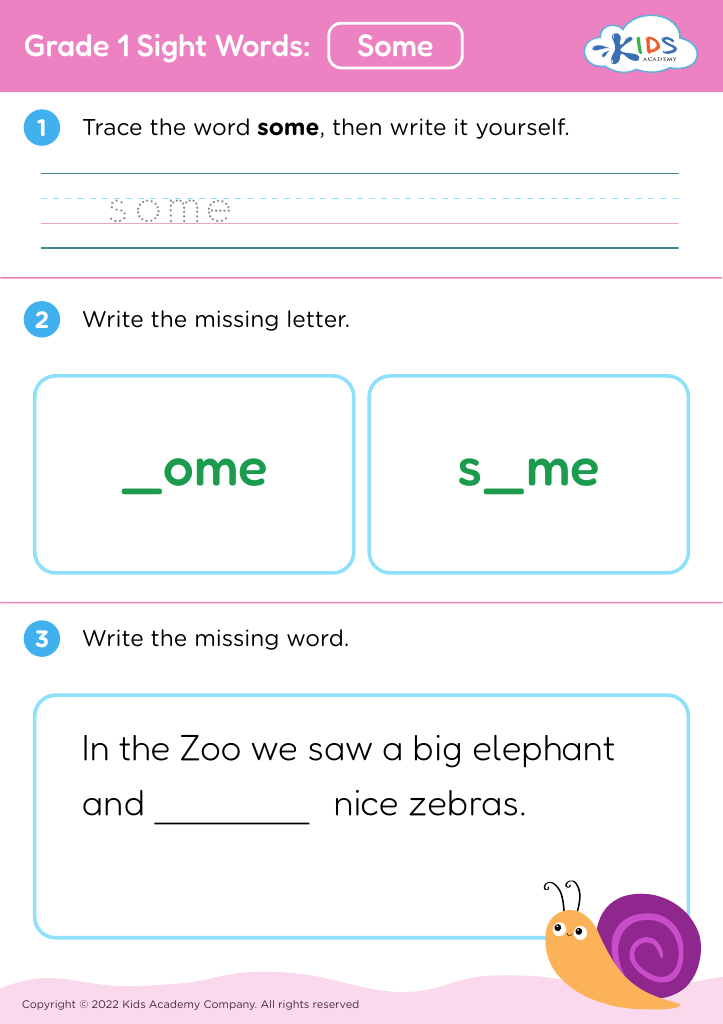






Understanding habitats is crucial for children aged 3-6 as it lays the foundation for their appreciation of nature and environmental awareness. At this stage, children are naturally curious about the world around them. By engaging them with age-appropriate reading materials about habitats—such as forests, oceans, deserts, and wetlands—parents and teachers can nurture that curiosity and foster a love for learning.
This understanding promotes critical thinking skills by encouraging children to explore the relationship between animals and their environments. It helps them grasp concepts like ecosystems, food chains, and biodiversity in a manner that resonates with their everyday experiences. Furthermore, these stories often include themes of cooperation and conservation, embedding key moral lessons about the importance of caring for our planet.
Reading about different habitats also stimulates vocabulary development and literacy skills, making it an enjoyable way to promote language. Teachers and parents can use these stories to spark discussions, create related activities, or even nature walks, reinforcing concepts learned through literature. Ultimately, introducing young children to habitats cultivates responsible, informed citizens who recognize their role in protecting the Earth, ensuring a brighter future for both our planet and the next generation.








