
Understanding patterns Reading Worksheets for Ages 3-6
6 filtered results
Difficulty Level
Grade
Age
-
From - To
Subject
Activity
Standards
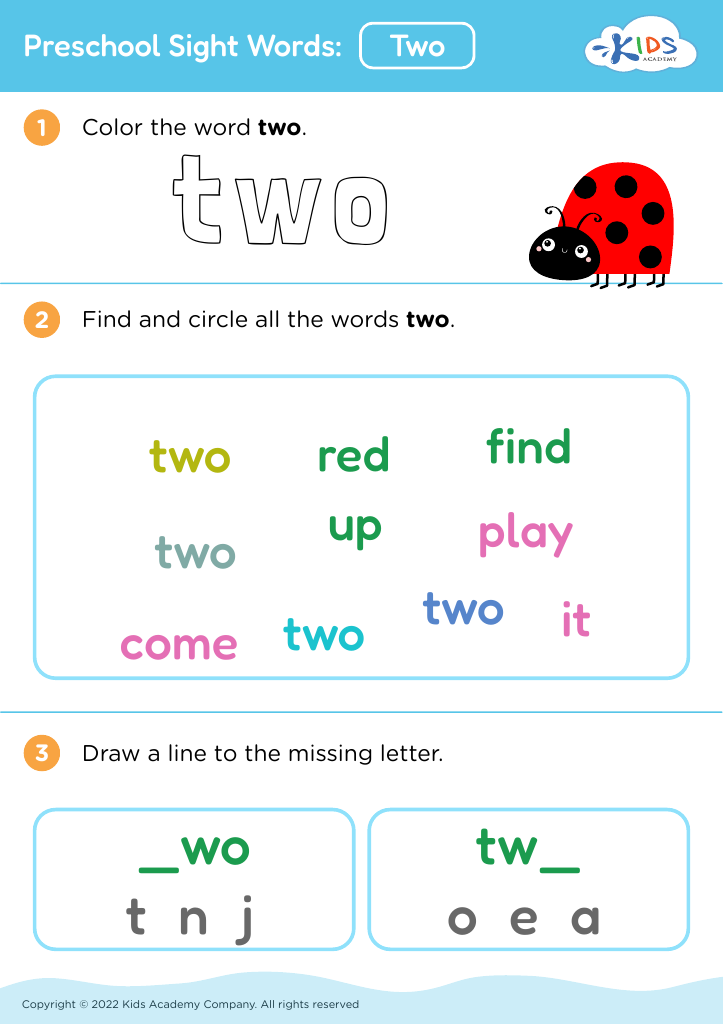
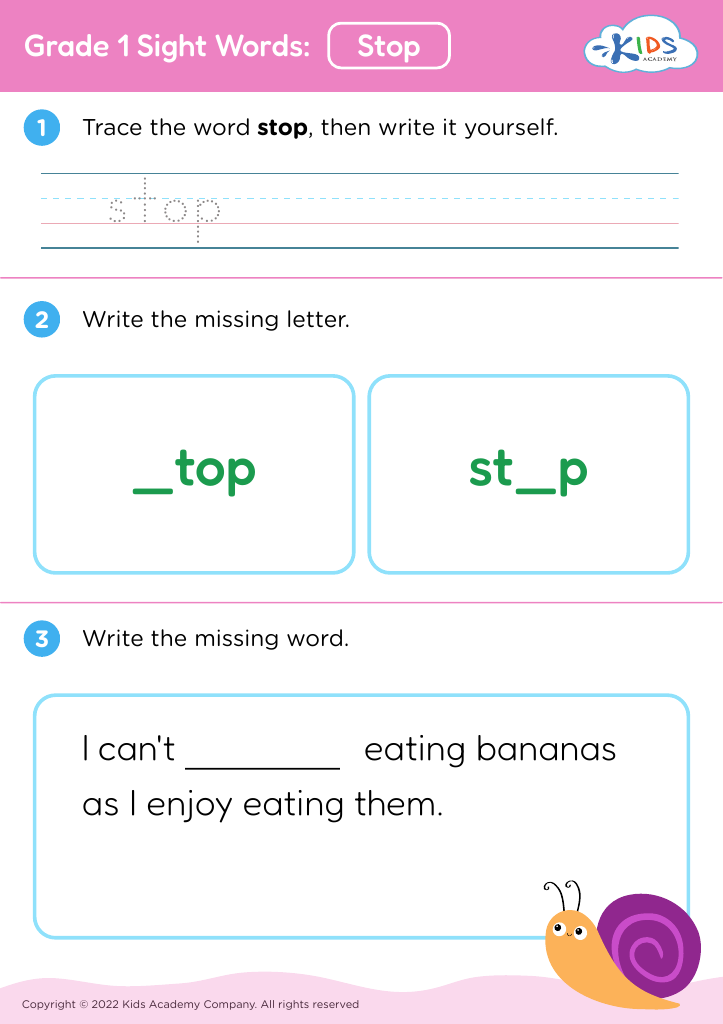
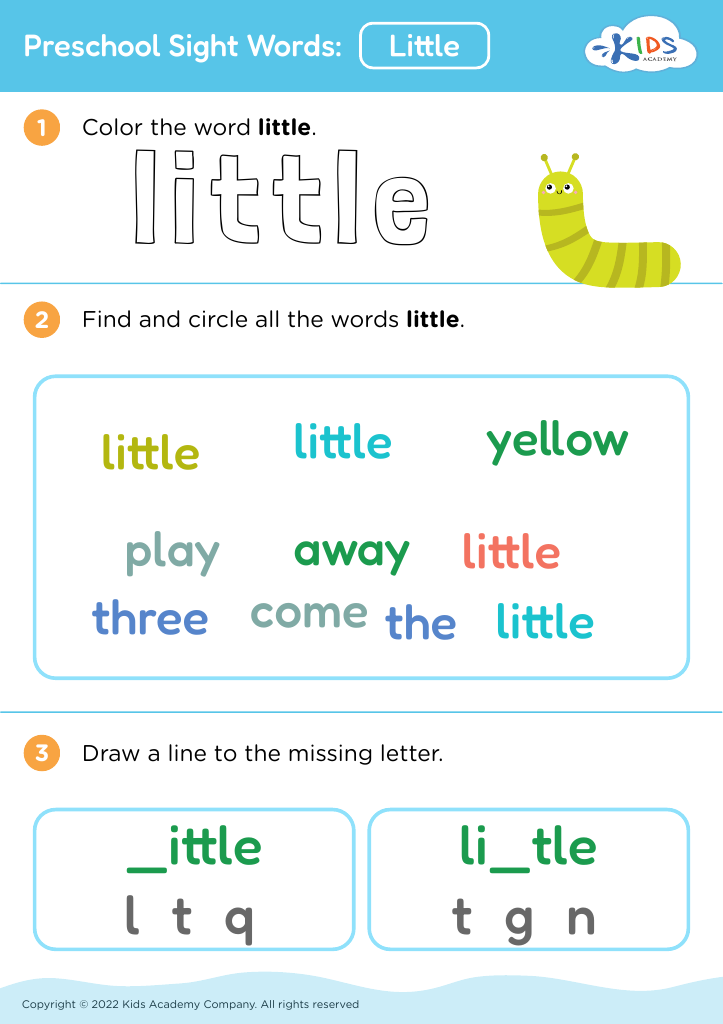
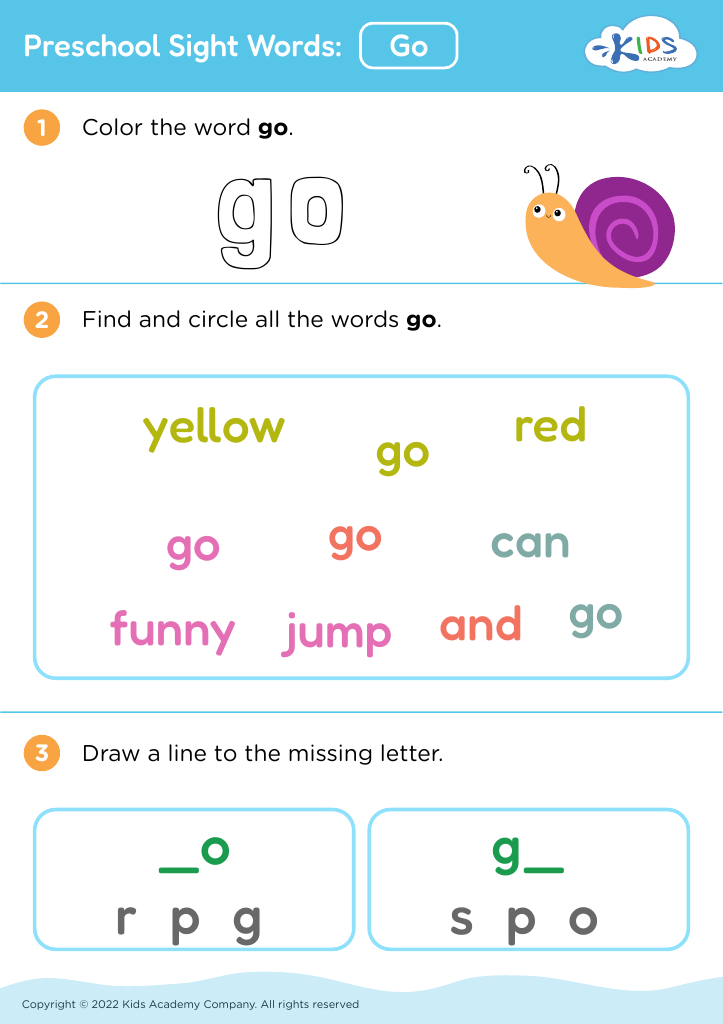
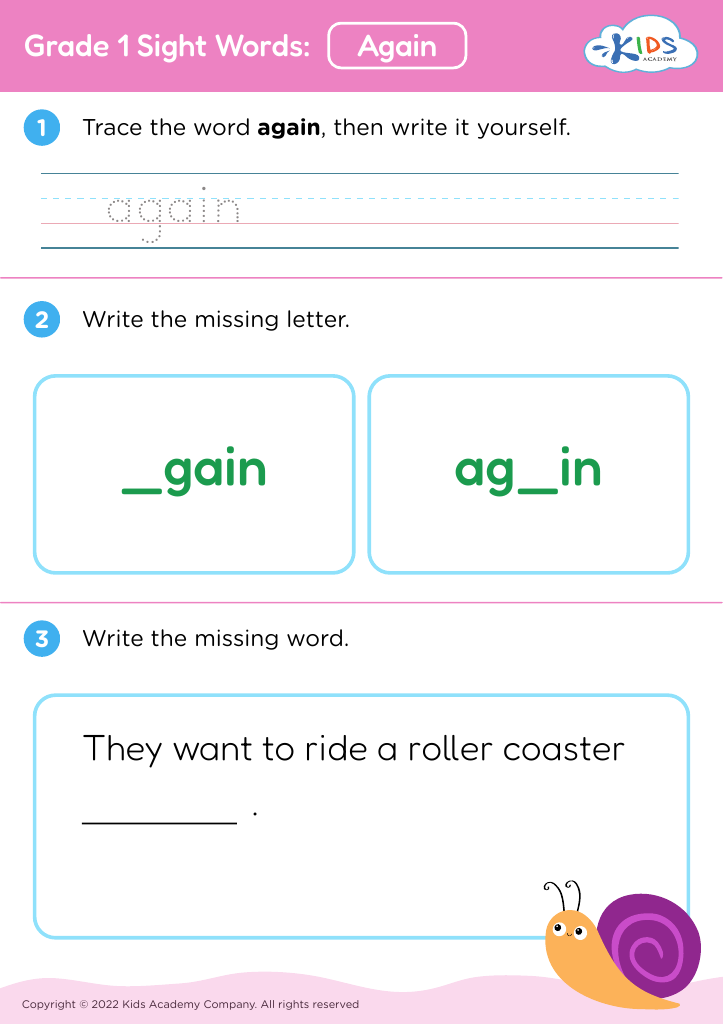
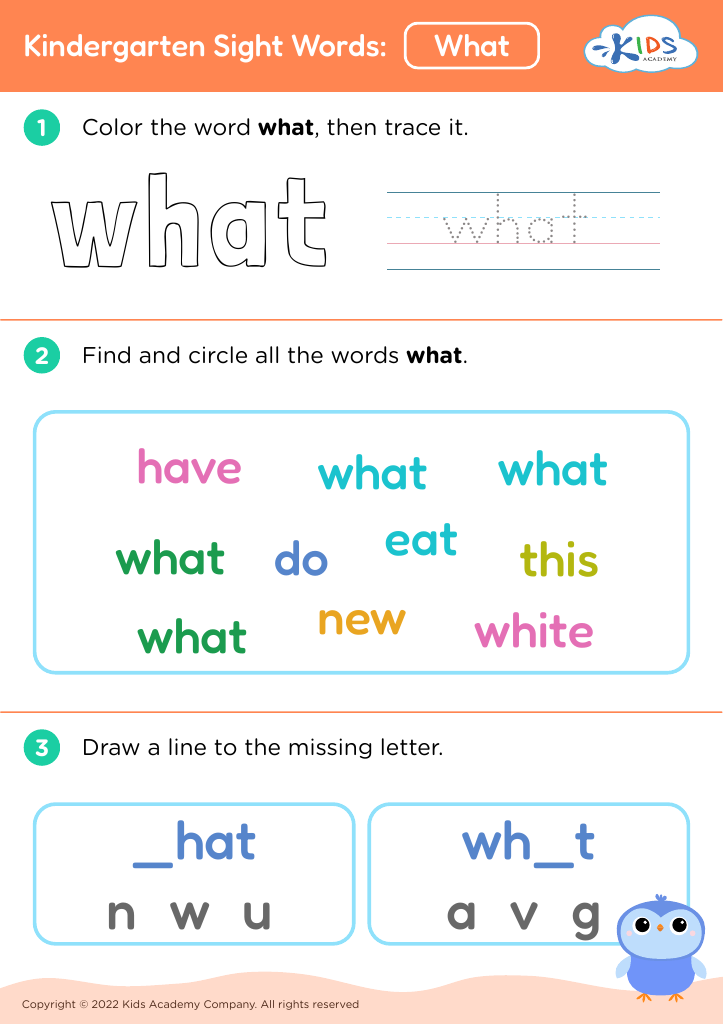
Unlock the joy of early reading with our "Understanding Patterns Reading Worksheets" designed for ages 3-6! These engaging worksheets help young learners identify and comprehend patterns in various forms through fun activities. Children will enhance their reading comprehension and critical thinking skills as they explore visual and rhythmic patterns. Each worksheet is carefully crafted to keep little minds stimulated and entertained, promoting a love for learning. Perfect for parents and teachers alike, these resources provide a solid foundation for early literacy development. Dive into a world of patterns and watch your child's reading skills flourish with our vibrant, interactive materials!
Favorites
With answer key
Interactive
Join Kids Academy for Free
Who is primarily going to use this learning content?







Understanding patterns in reading for children aged 3-6 is critical for nurturing early literacy skills. At this developmental stage, children are acquiring foundational concepts that underpin their future reading abilities. Patterns help young learners recognize sequences, predict outcomes, and make connections, creating a supportive framework for comprehending text.
When children identify patterns in language, such as rhymes or repeating phrases, they enhance their phonemic awareness, which is vital for decoding words. This skill is interwoven with vocabulary expansion and increases their confidence in handling new texts. Furthermore, understanding patterns aids in comprehension and problem-solving. Children learn to discern similarities and differences, fostering critical thinking—an essential skill in all areas of learning.
Parents and teachers should prioritize teaching these concepts as they promote a love for reading, transforming it into an engaging and dynamic experience. By introducing activities like patterned storytelling or interactive reading games, adults can stimulate curiosity and enthusiasm in children. Ultimately, caring about children's understanding of patterns lays a robust foundation for literacy, setting them on a path to academic success and enriched communication skills throughout their lives. Investing in these early years pays dividends in confidence, creativity, and cognitive development.








