Vocabulary Enrichment Reading Worksheets for Ages 3-6
6 filtered results
-
From - To
Discover our engaging Vocabulary Enrichment Reading Worksheets designed for children aged 3-6! These interactive resources help young learners expand their vocabulary while igniting a love for reading. Each worksheet features fun themes, colorful illustrations, and age-appropriate activities that enhance word recognition and comprehension. Perfect for homeschooling or classroom use, our worksheets foster crucial language skills and provide a solid foundation for future literacy. Encourage creativity and critical thinking as children connect words to images and contexts, making learning both effective and enjoyable. Get started today and inspire your little one's linguistic journey with our thoughtfully crafted worksheets!
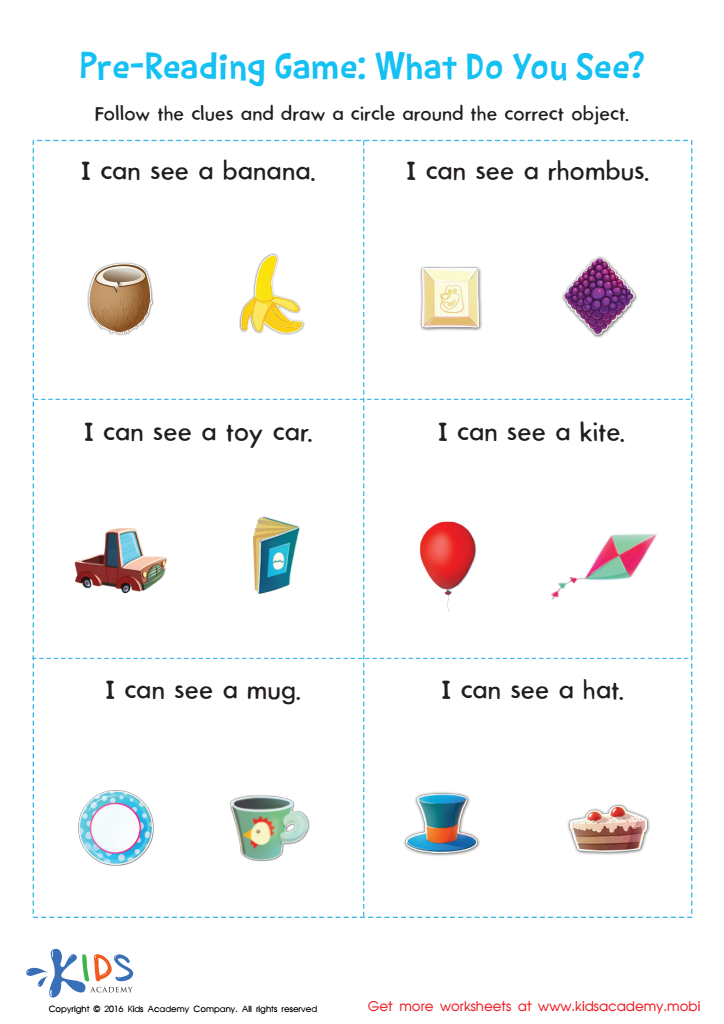
Pre–reading Worksheet: What Do You See?
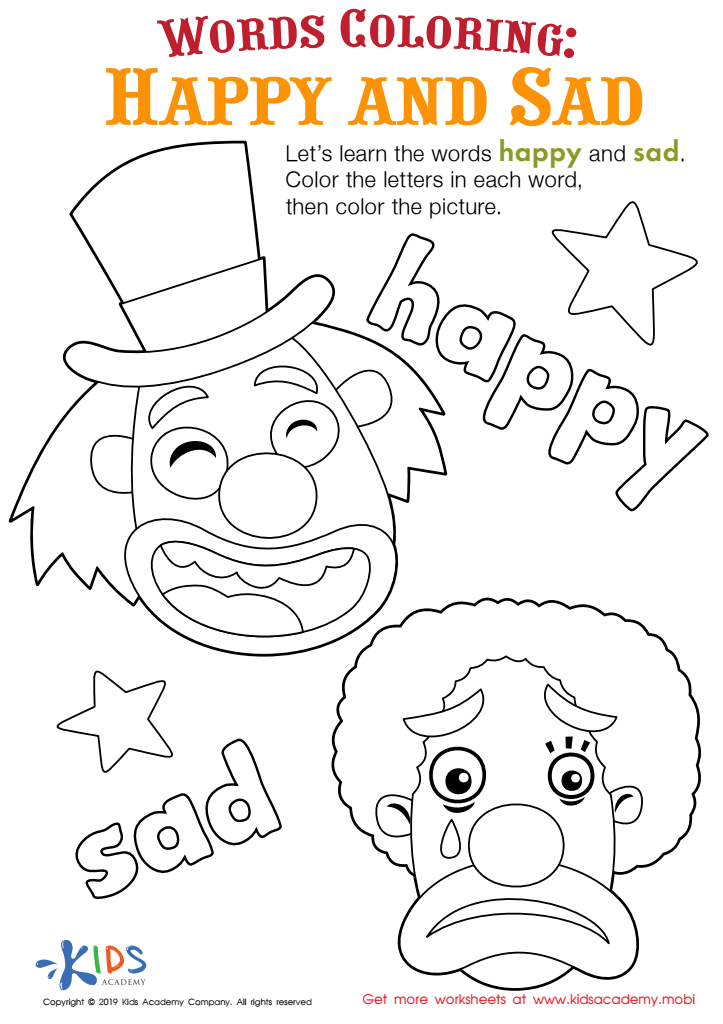
Happy and Sad Words Coloring Worksheet
 Assign to My Students
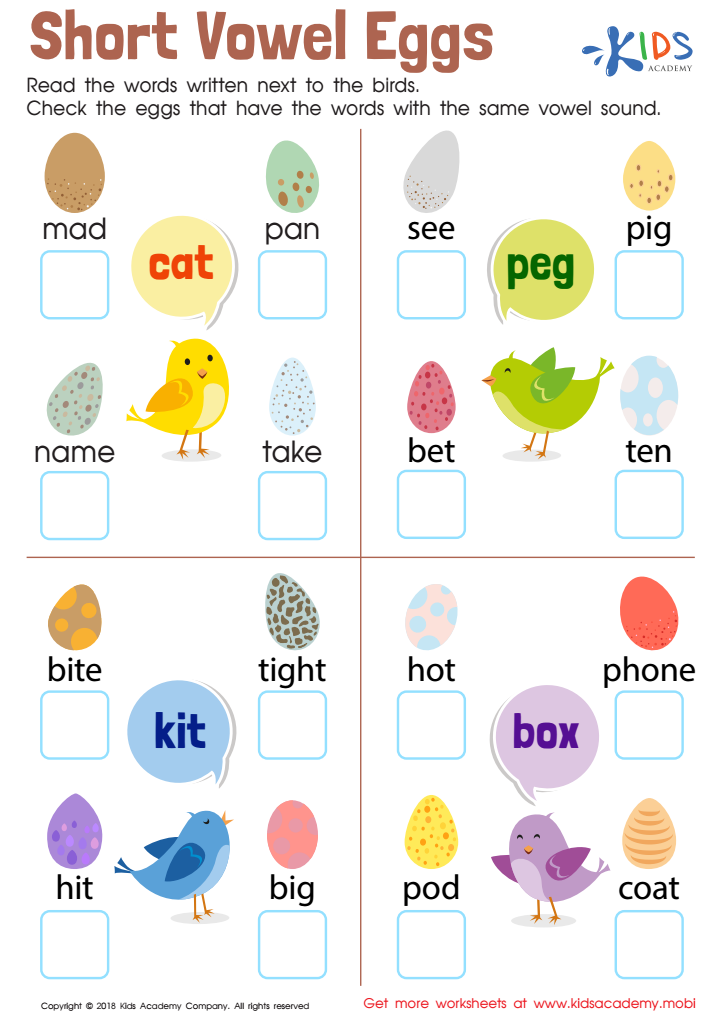
Short Vowel Eggs Worksheet
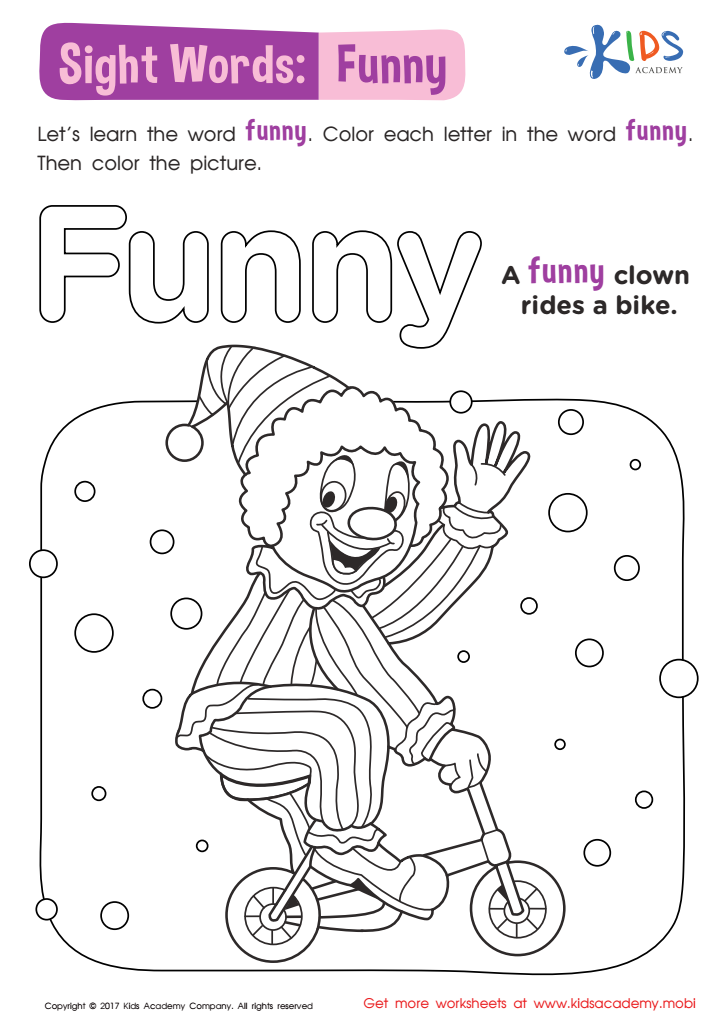
Funny Worksheet Sight Words Worksheet
Assign to My Students
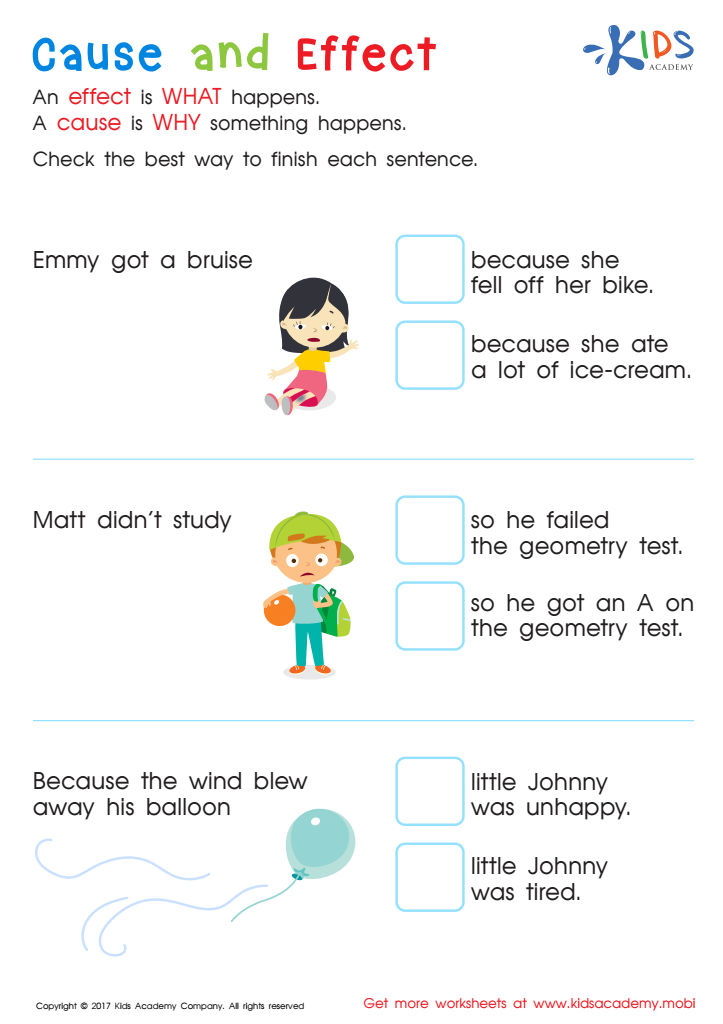
Cause and Effect Worksheet
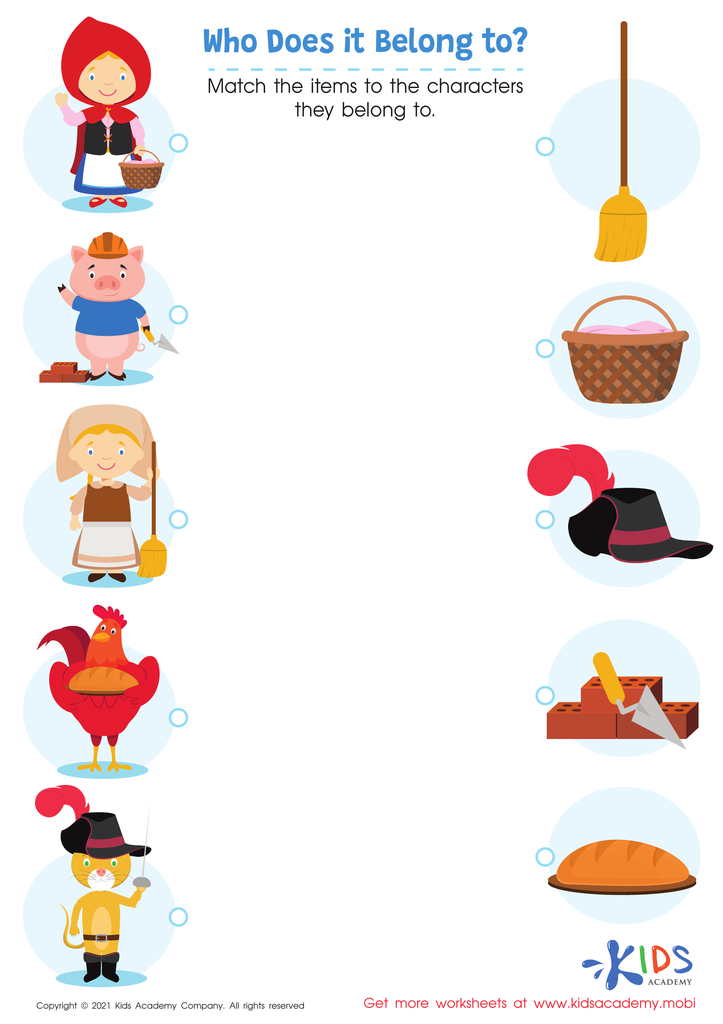
Who Does It Belong To? Worksheet








Vocabulary enrichment through reading for children aged 3-6 is crucial for their cognitive and linguistic development. During these formative years, children's brains are incredibly receptive to language acquisition, and the words they learn lay the foundation for future communication skills, reading comprehension, and academic success. Engaging with rich vocabulary through stories fosters a love for reading and curiosity about the world around them.
Parents and teachers play an essential role in this learning process. By regularly exposing young children to new words in context—whether through interactive read-alouds, storytelling, or discussions about illustrations—they help them make connections and understand meanings. This interaction not only enhances their vocabulary but promotes critical thinking and imaginative play.
Moreover, a strong vocabulary is linked to improved literacy skills. Children who enter school with a robust vocabulary are often more successful readers and communicators. In a diverse and increasingly global society, having a rich vocabulary equips children to express themselves better, understand others, and engage meaningfully in discussions.
Therefore, prioritizing vocabulary enrichment reading is not just an educational activity, but a fundamental aspect of nurturing well-rounded, thoughtful, and articulate individuals. It sets the stage for lifelong learning and personal growth.








