Color recognition Reading Comprehension Worksheets for Ages 3-6
8 filtered results
-
From - To
Unlock the joy of learning with our Color Recognition Reading Comprehension Worksheets, designed specifically for children aged 3-6. These engaging worksheets combine vibrant colors with fun stories, helping young learners develop essential reading skills while exploring the world of colors. Each activity is tailored to enhance comprehension and encourage critical thinking, making it a delight for both parents and teachers. Watch as your child identifies colors, builds vocabulary, and practices reading with confidence. Perfect for early education settings or at-home learning, these worksheets provide a colorful and interactive approach to mastering reading comprehension. Explore educational fun today!
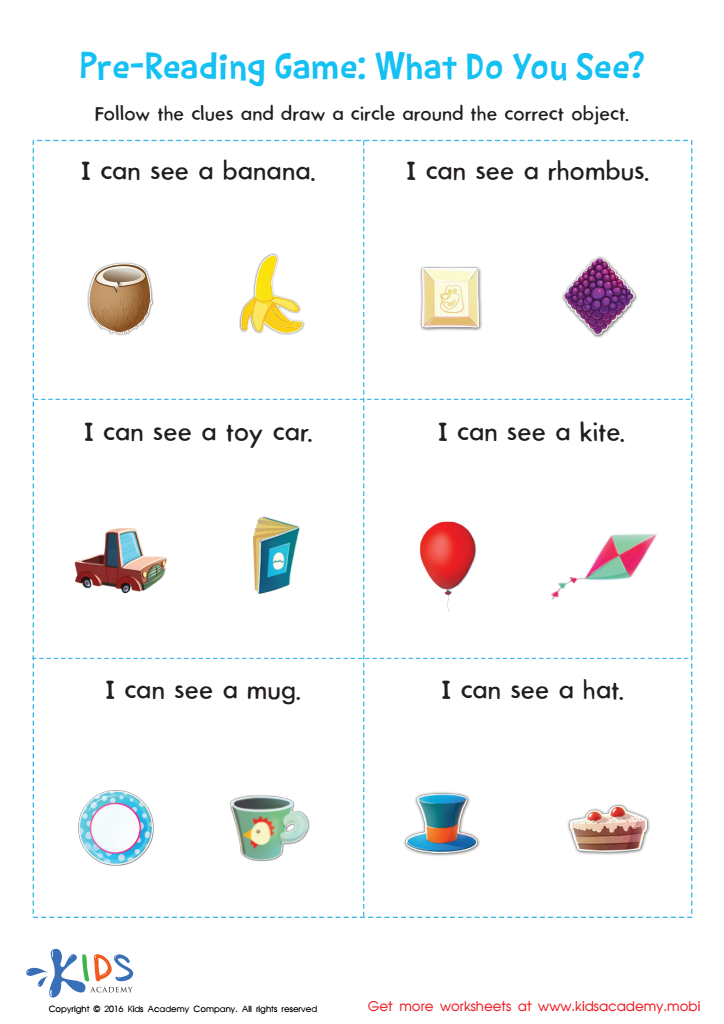
Pre–reading Worksheet: What Do You See?
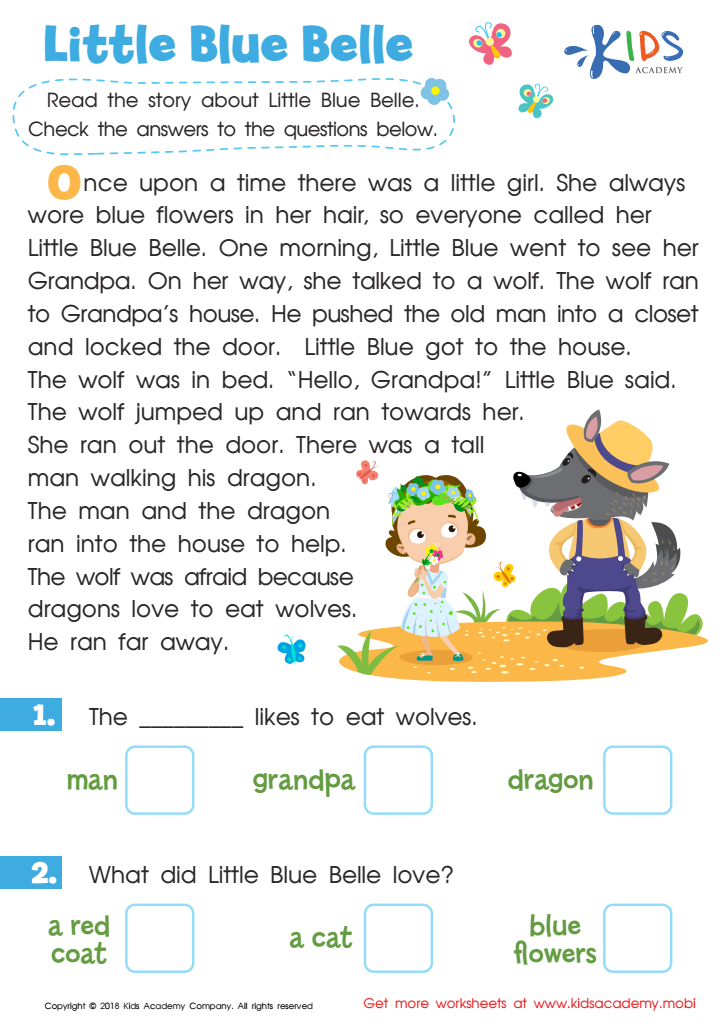
Little Blue Belle Worksheet
Twinkle Twinkle Little Star Coloring Page
 Assign to My Students
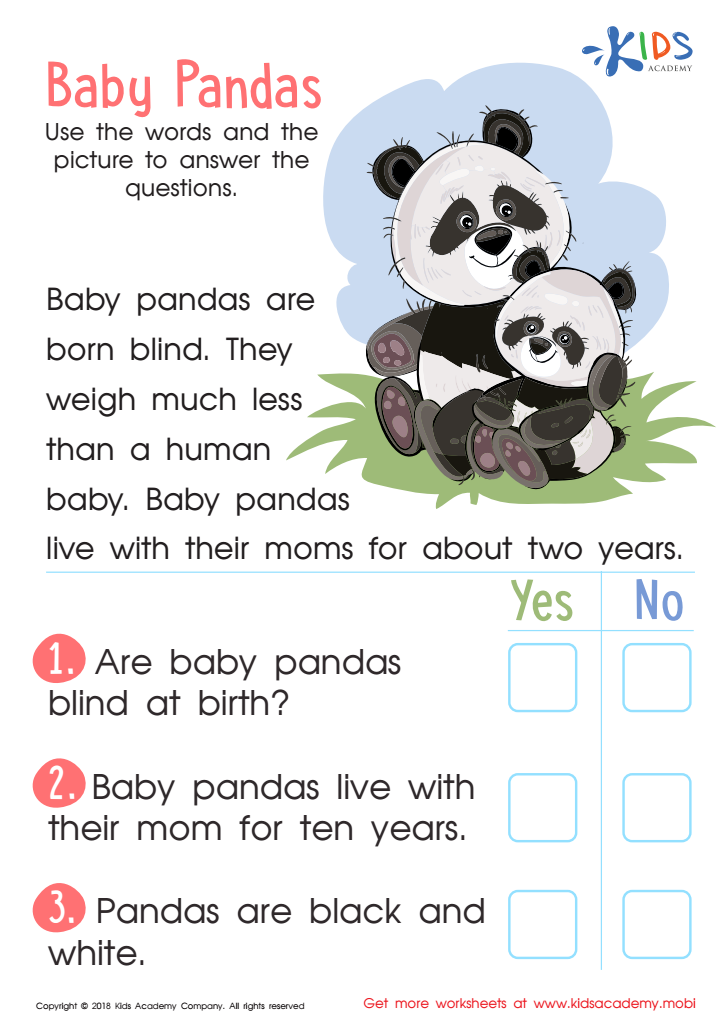
Baby Pandas Worksheet
Hickory Dickory Dock Coloring Page
Assign to My Students
Red Riding Hood Coloring Page
Assign to My Students
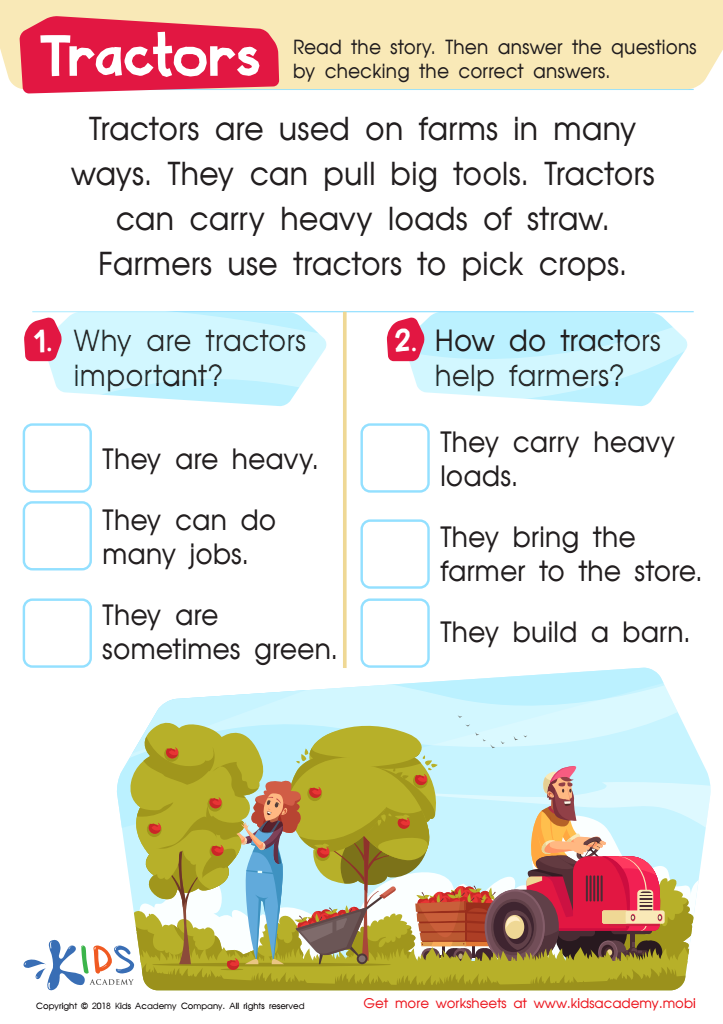
Tractors Worksheet
Big Bad Wolf Printable Coloring Page
Assign to My Students







Color recognition and reading comprehension are crucial elements in early childhood education, especially for children aged 3-6. Parents and teachers should care about these areas because they serve as foundational skills that support overall cognitive development.
Color recognition is an essential building block in children’s learning. It enhances their observation skills, promotes visual perception, and aids in categorization and communication. When children learn to identify and name colors, they develop vocabulary and boost their ability to describe their world, which is crucial for effective communication and social interactions.
Reading comprehension, on the other hand, is fundamental in fostering literacy skills. Early exposure to stories, phonetic awareness, and comprehension strategies enables young children to make connections, predict outcomes, and infer meaning. These skills are vital, as they lay the groundwork for future academic success. By improving reading comprehension, educators and parents instill a love for reading, encourage critical thinking, and increase a child's ability to understand and engage with complex texts.
In summary, focusing on color recognition and reading comprehension during the early years cultivates cognitive and linguistic skills essential for lifelong learning and success. These foundational competencies prepare children not just for school, but also for a world rich in information and experiences.








