Fine Motor Skills Reading Comprehension Worksheets for Ages 3-6
8 filtered results
-
From - To
Enhance your child's fine motor skills and reading comprehension with our engaging worksheets designed specifically for ages 3-6. Our activities encourage young learners to practice essential skills, combining fun with learning. Each worksheet features colorful illustrations and easy-to-follow instructions, promoting hand-eye coordination as children trace, cut, and manipulate various elements. With a focus on interactive learning, these worksheets help develop not only reading comprehension but also fine motor abilities needed for writing and crafting. Perfect for home or classroom use, our Fine Motor Skills Reading Comprehension Worksheets are an excellent way to support early childhood development. Start your child's journey today!

Baa Baa Black Sheep Printable
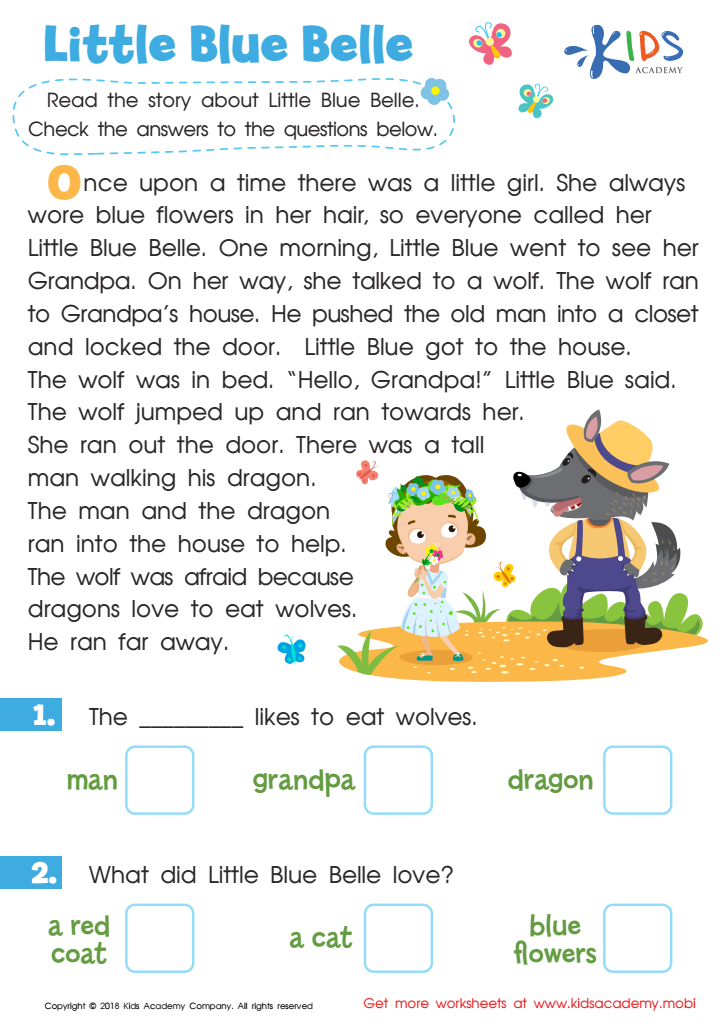
Little Blue Belle Worksheet

Twinkle Twinkle Little Star Coloring Page
 Assign to My Students
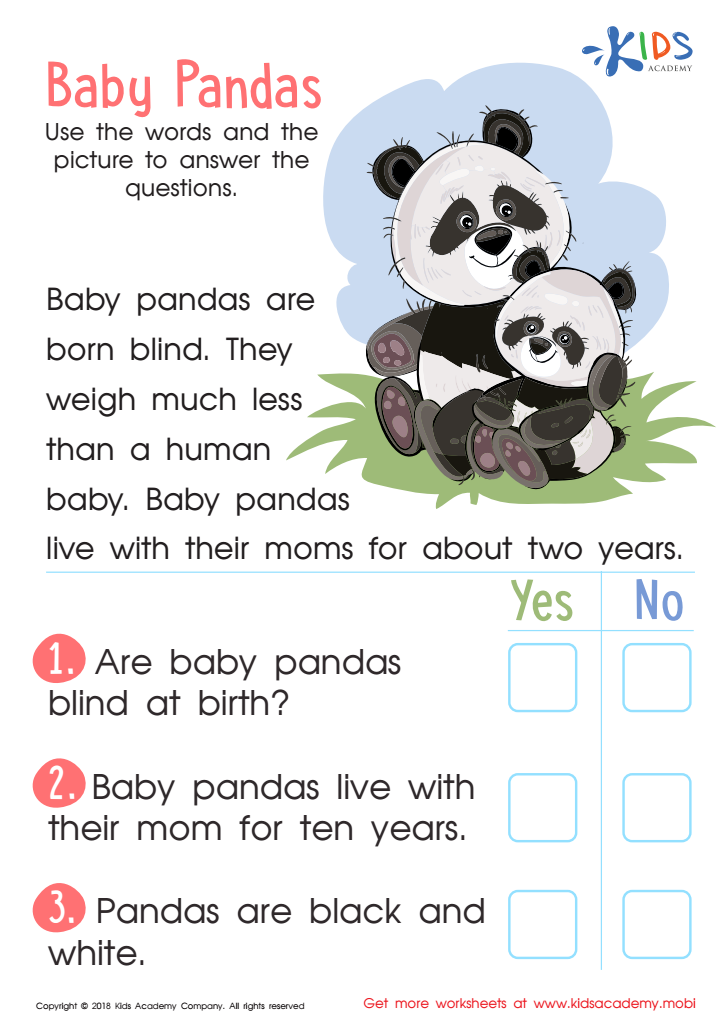
Baby Pandas Worksheet
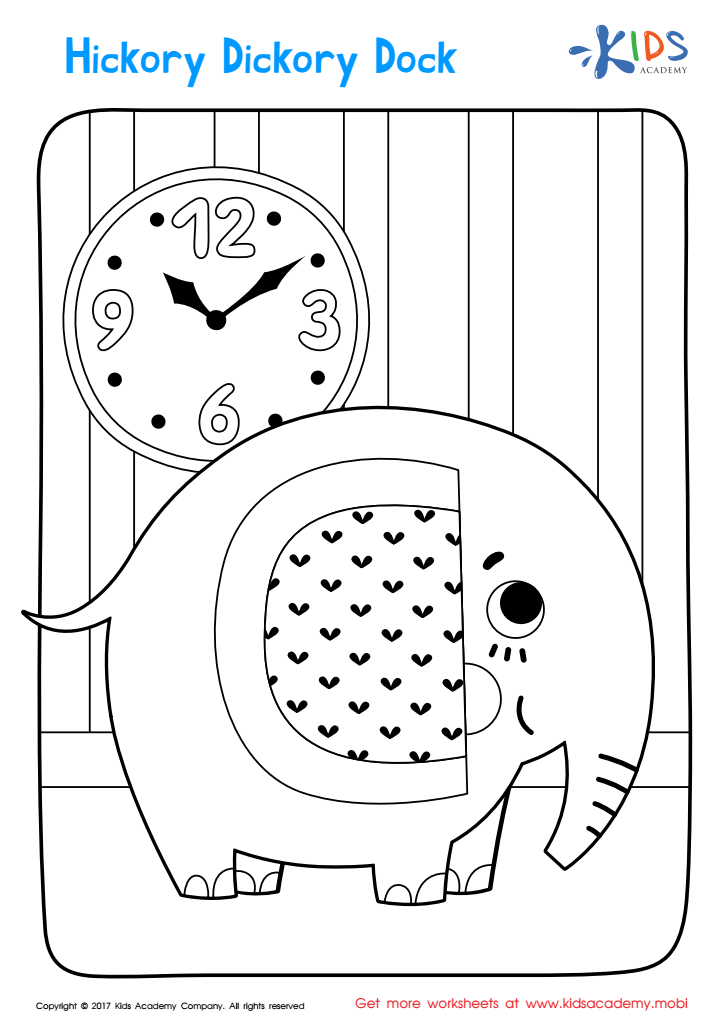
Hickory Dickory Dock Coloring Page
Assign to My Students
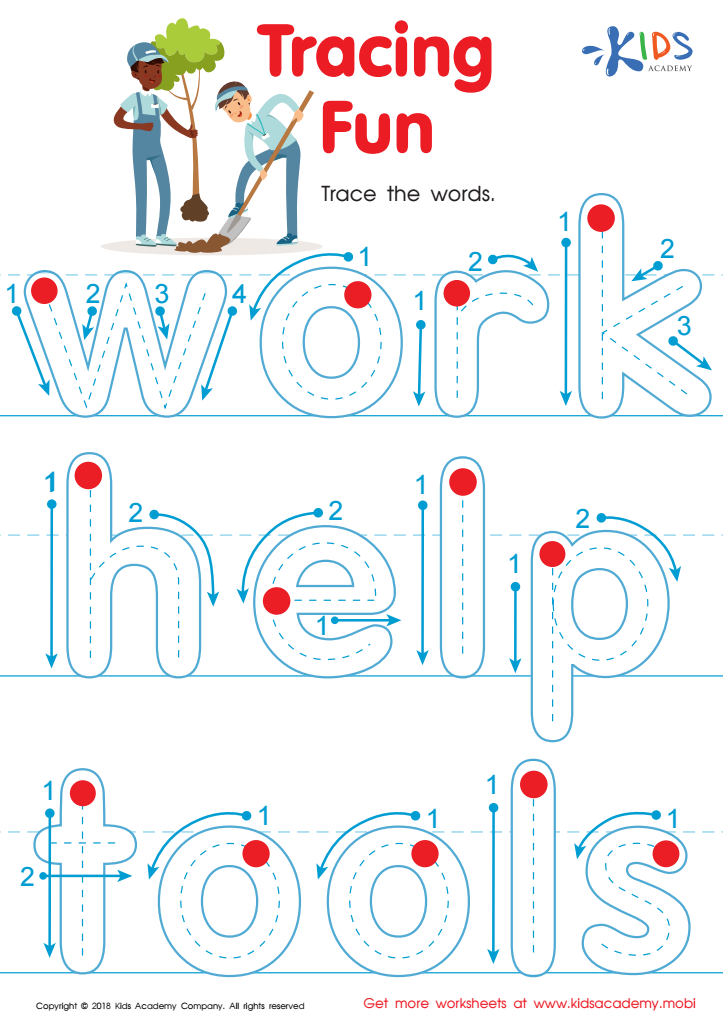
Tracing Fun Worksheet

Red Riding Hood Coloring Page
Assign to My Students

Big Bad Wolf Printable Coloring Page
Assign to My Students



.jpg)



.jpg)
Fine motor skills are crucial for children aged 3-6 as they underpin a variety of essential developmental tasks, including reading comprehension. These skills involve the coordination of small muscles in the hands and fingers, which are vital for activities like writing, drawing, and manipulating objects. When children master fine motor skills, they not only gain the ability to write letters and understand text structures, but they also enhance their ability to decode and comprehend written material.
Effective reading comprehension relies on recognizing words and understanding their meanings, which is often aided by these refined movements. For example, as children engage with books—turning pages or pointing to words—they develop greater engagement and interaction with the text. Moreover, these skills help foster confidence in their academic abilities, encouraging a love for reading and learning.
Parents and teachers should prioritize fine motor skill development as a foundational component of literacy. By providing activities that improve these skills, such as drawing, cutting, or playing with building blocks, caregivers can enhance children's capacity to analyze and interpret texts, laying the groundwork for successful reading experiences and overall cognitive growth. Supporting fine motor development shapes not only proficient readers but also lifelong learners.








