Counting practice Science Worksheets for Ages 3-6
3 filtered results
-
From - To
Welcome to our Counting Practice Science Worksheets for Ages 3-6! These engaging worksheets are designed to enhance young learners' counting skills while exploring exciting scientific concepts. Tailored for preschool and kindergarten children, they provide a fun and interactive way to learn numbers through colorful visuals and relatable themes. From counting animals to measuring plant growth, children will develop essential math skills in a playful environment. Each worksheet promotes problem-solving and critical thinking, ensuring a comprehensive learning experience. Perfect for parents and educators seeking to reinforce math concepts, these worksheets make learning enjoyable and effective. Start counting with science today!
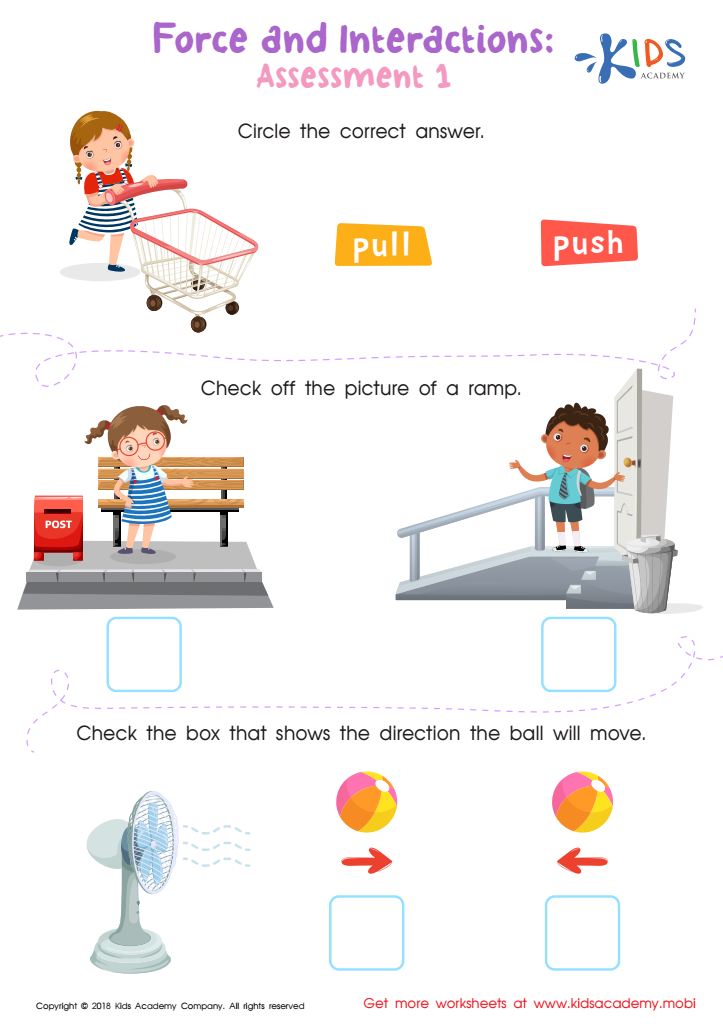
Force and Interactions: Assessment 1 Worksheet
 Assign to My Students
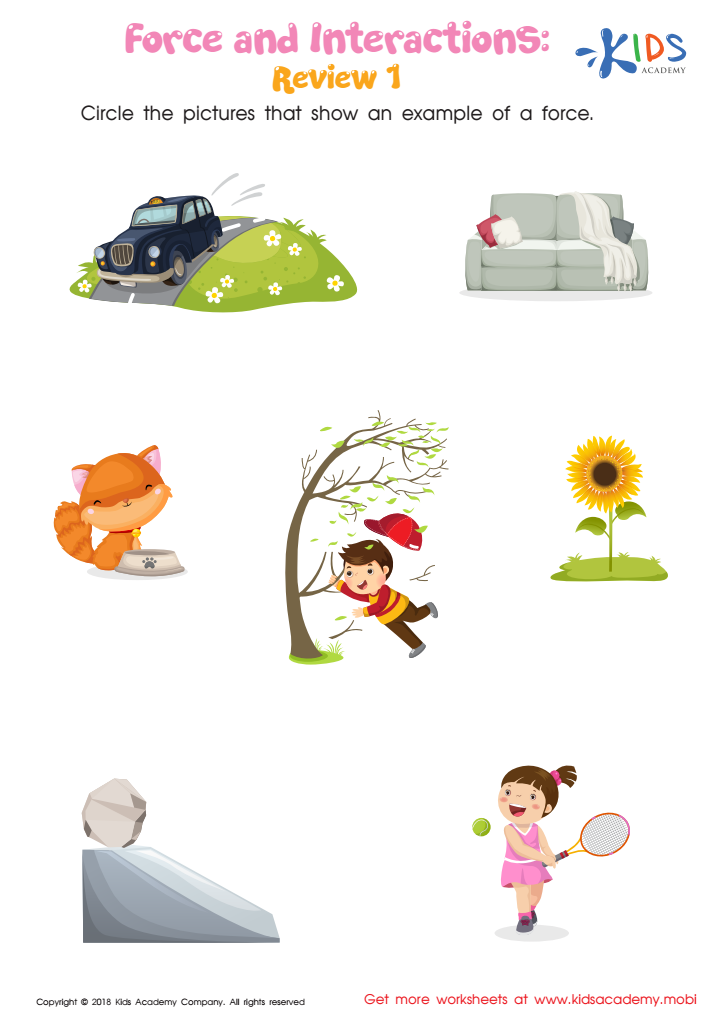
Force and Interactions: Review 1 Worksheet
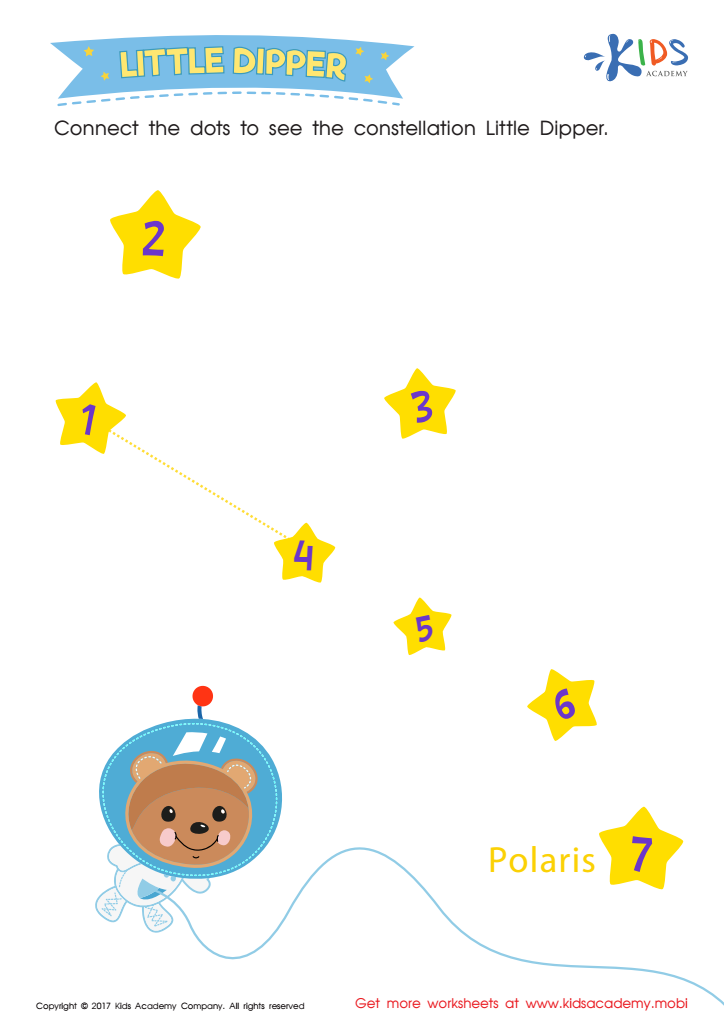







Counting practice is vital for children aged 3-6 as it lays the foundation for numerical understanding and cognitive development. During these formative years, engaging in counting activities not only aids in early math skills but also enhances critical thinking and problem-solving abilities. By incorporating counting into science explorations, parents and teachers can create rich, interdisciplinary learning experiences that capture children’s curiosity about the natural world.
For instance, counting activities can be linked to observing animal populations, tracking plant growth, or measuring ingredients in simple experiments. These practical applications help children understand the relevance of numbers in real-life contexts, making learning more engaging and meaningful. Furthermore, counting promotes fine motor skills through interactive activities like sorting or building, while fostering language development by expanding vocabulary related to numbers and measurements.
Additionally, when parents and educators emphasize counting in science, they build children's confidence and willingness to engage with mathematical concepts, paving the way for future academic success. By recognizing the importance of counting practice within the realm of science, adults can provide young learners with the tools needed to navigate an increasingly complex world, ultimately nurturing inquisitive and competent individuals.







