Developing observation skills Science Worksheets for Ages 3-6
3 filtered results
-
From - To
Unlock your child's natural curiosity with our "Developing Observation Skills Science Worksheets" tailored for ages 3-6! Specifically crafted to nurture young minds, these worksheets encourage kids to explore, identify, and analyze the world around them. Engaging activities transform ordinary scenes into exciting observations, enhancing critical thinking and attention to detail. Perfect for early learners, our resources integrate playful elements with educational content, making science both fun and informative. From distinguishing colors and shapes to recognizing patterns, these worksheets lay a solid foundation for lifelong learning. Start your child's exploration journey today and watch their observation skills flourish!
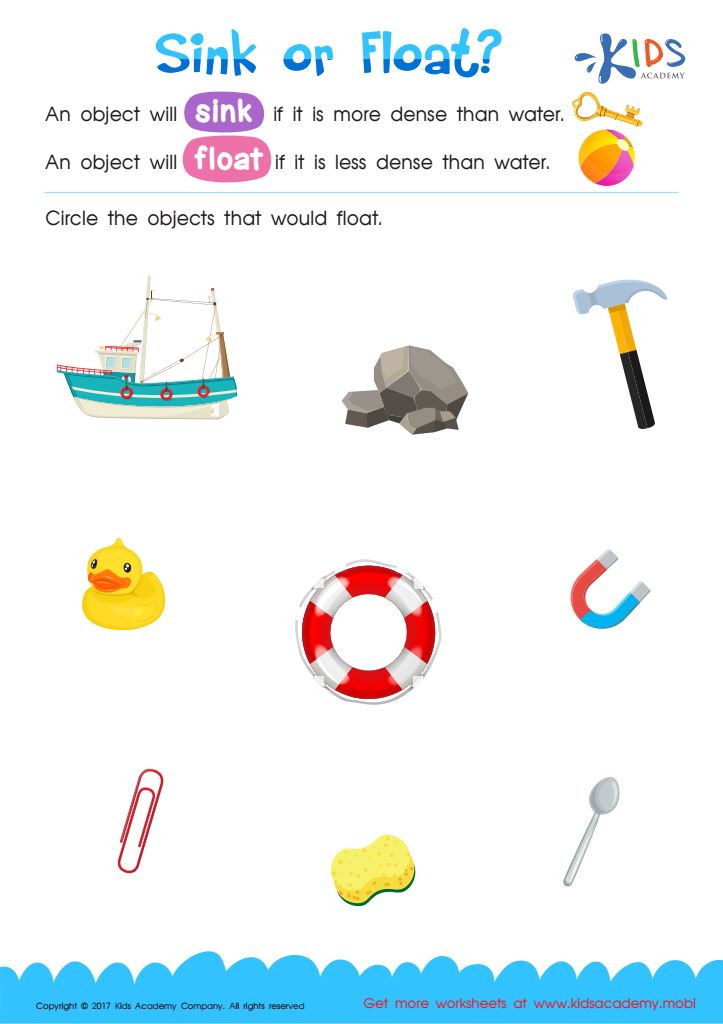
Sink or Float Printable
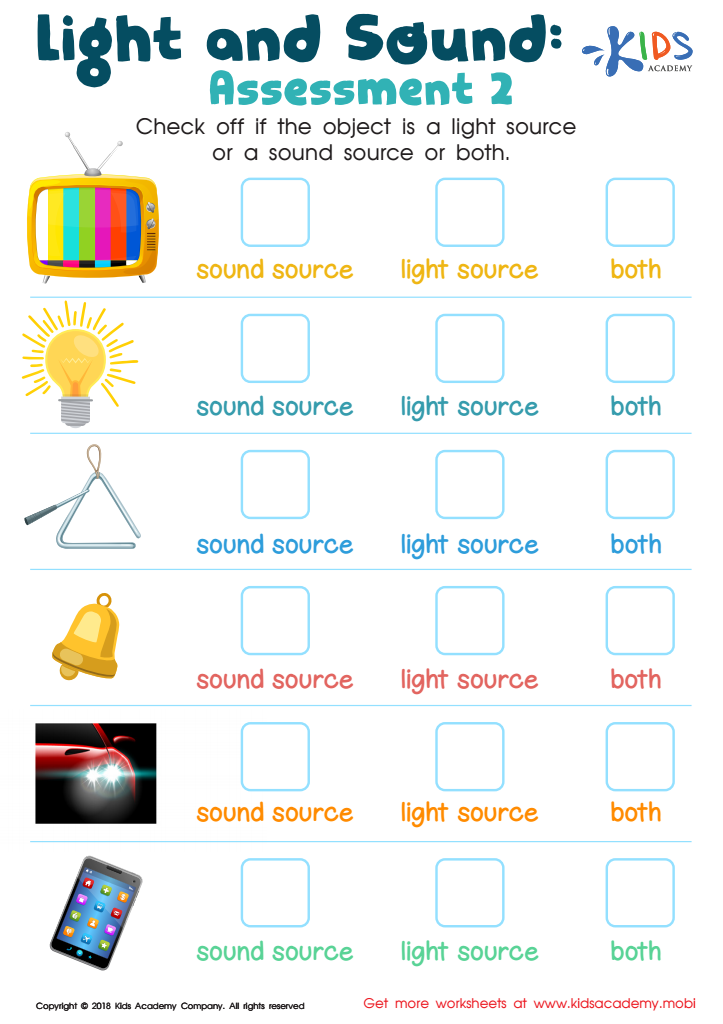
Light and Sound: Assessment 2 Worksheet
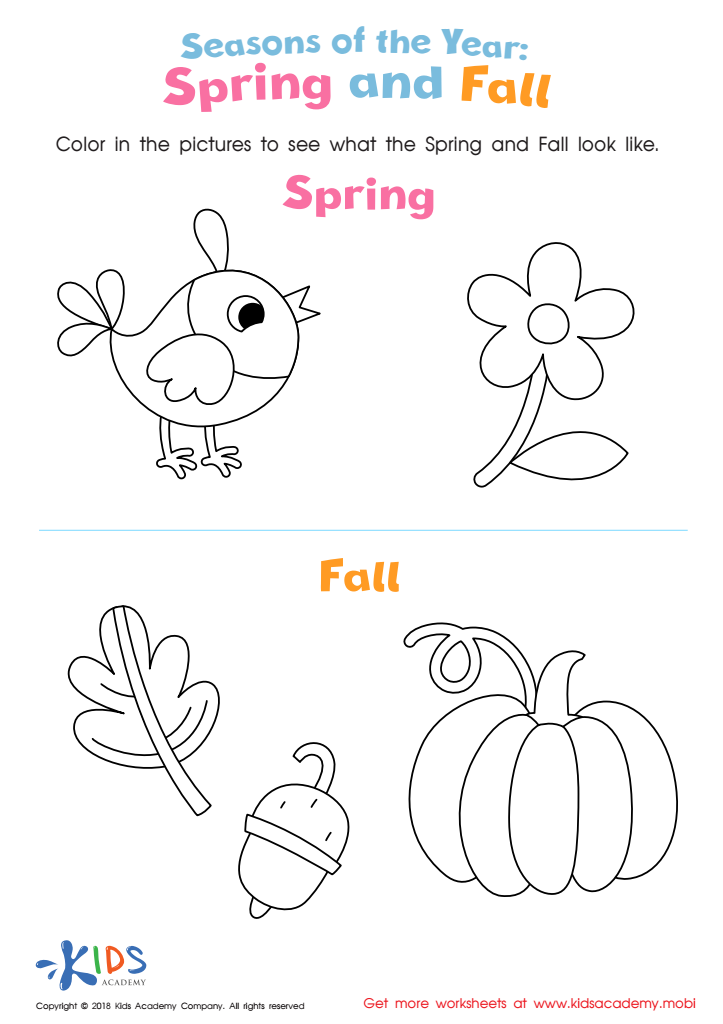
Spring and Fall Worksheet
 Assign to My Students








Developing observation skills in science for children aged 3-6 lays the foundation for critical thinking, curiosity, and a lifelong love of learning. At this age, children are naturally inquisitive and eager to explore their environment. By guiding them in making careful observations of the world around them, parents and teachers can help sharpen their sensory awareness and attention to detail. These skills are crucial for scientific inquiry, allowing children to notice patterns, ask questions, and seek out answers.
Moreover, strong observation skills enhance cognitive development by encouraging children to compare, contrast, and categorize what they see, hear, touch, and experience. Such activities bolster vocabulary acquisition as kids describe their findings, thereby strengthening their language and communication skills.
Observation also helps in emotional and social development. As children share their discoveries, they learn to articulate their thoughts, listen to others, and appreciate different perspectives. Peer sharing of observations fosters collaboration and teamwork, essential life skills.
Finally, nurturing observational abilities in early childhood sets the stage for academic success. Kids who can observe effectively are better prepared to engage in more complex scientific experiments and reasoning in later years. In essence, encouraging keen observation in young children enriches their learning experiences and equips them with tools they'll use throughout their educational journey and beyond.







