Enhancing vocabulary Science Worksheets for Ages 3-6
5 filtered results
-
From - To
Unlock the world of science for your young learner with our "Enhancing Vocabulary Science Worksheets for Ages 3-6"! These engaging printable worksheets are specifically designed to expand vocabulary while introducing foundational science concepts. Through playful activities and vibrant illustrations, kids will explore nature, animals, weather, and more. The exercises foster curiosity and critical thinking, making learning fun and effective. Perfect for home or classroom use, our worksheets support early literacy and cognitive development, laying a strong educational foundation. Start your child's science adventure and vocabulary growth today with our professionally crafted worksheets!
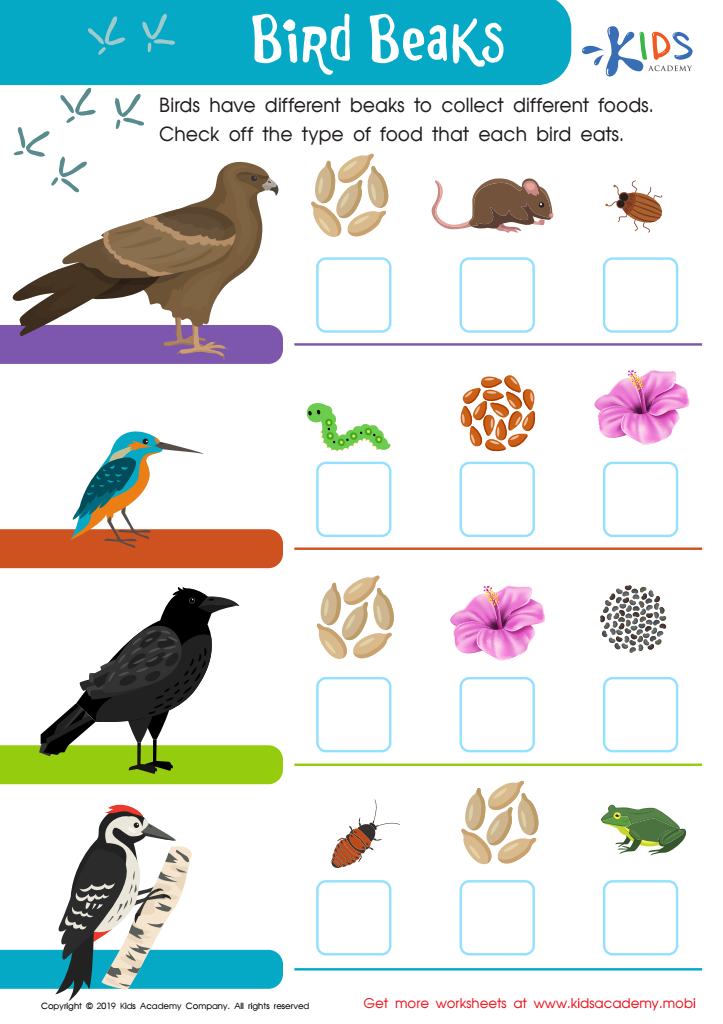
Bird Beaks Worksheet
 Assign to My Students
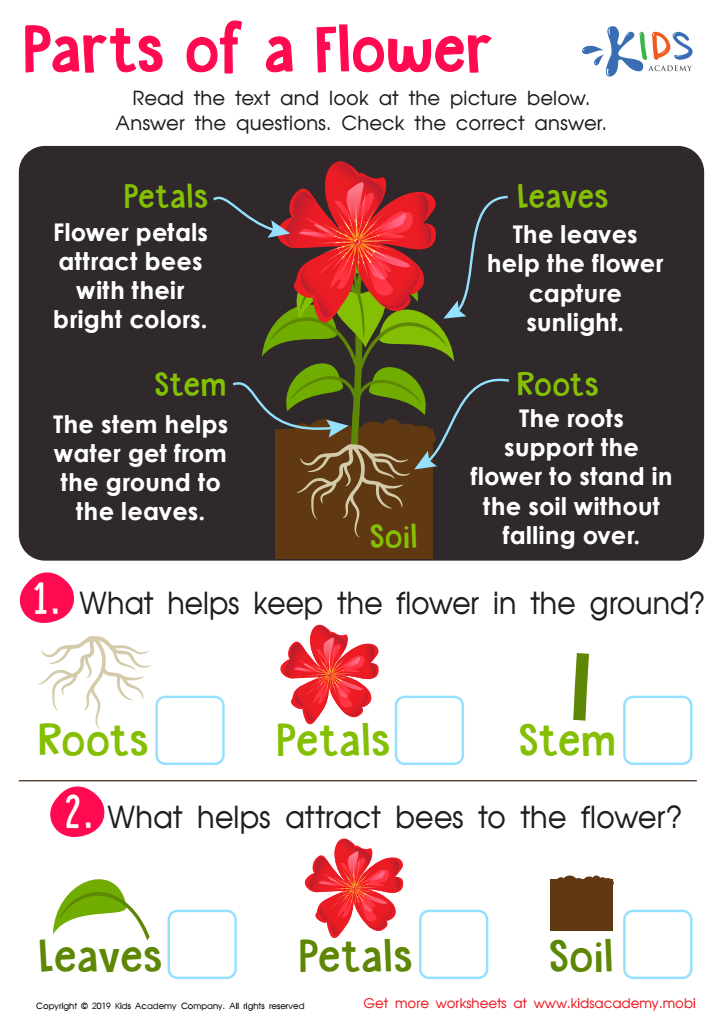
Parts of Flower Worksheet
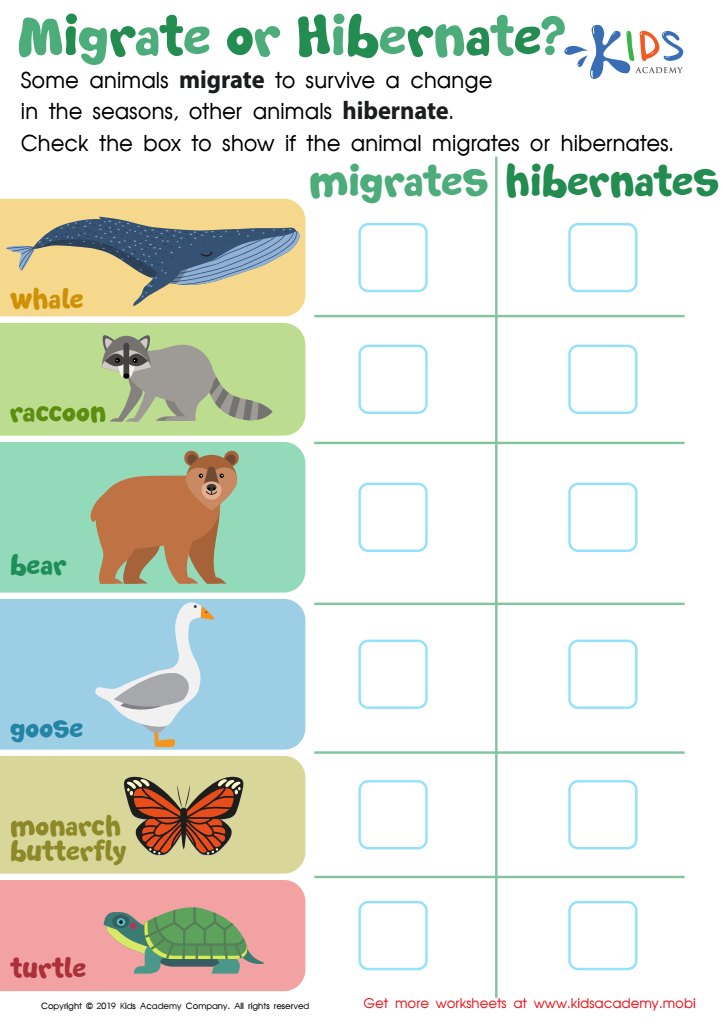
Migrate or Hibernate? Worksheet
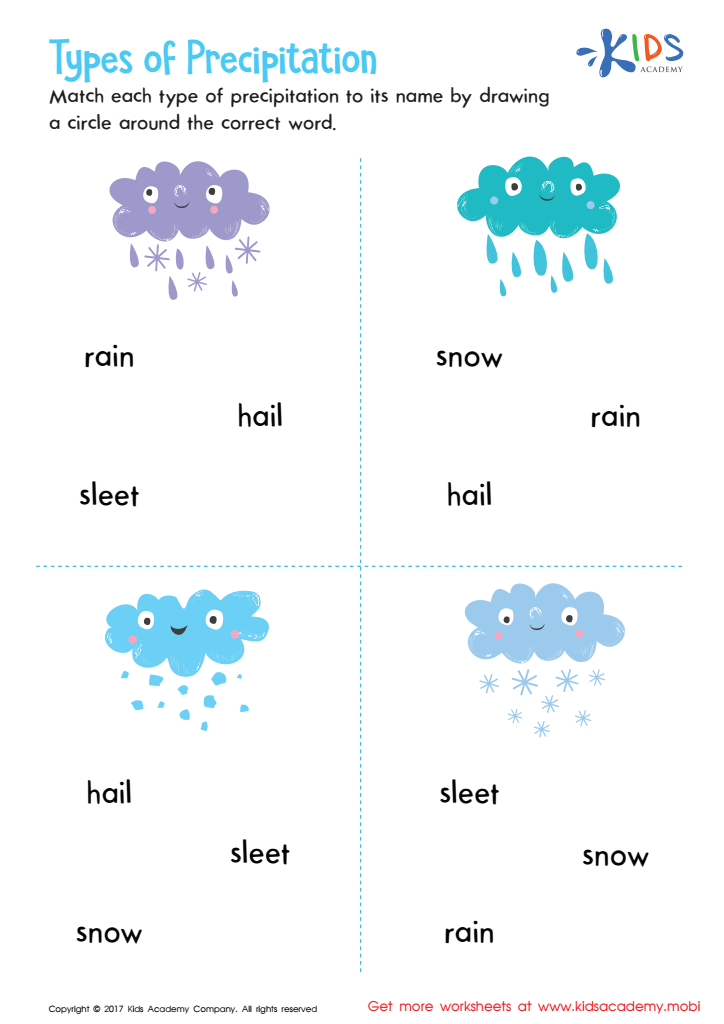
Types of Precipitation Printable
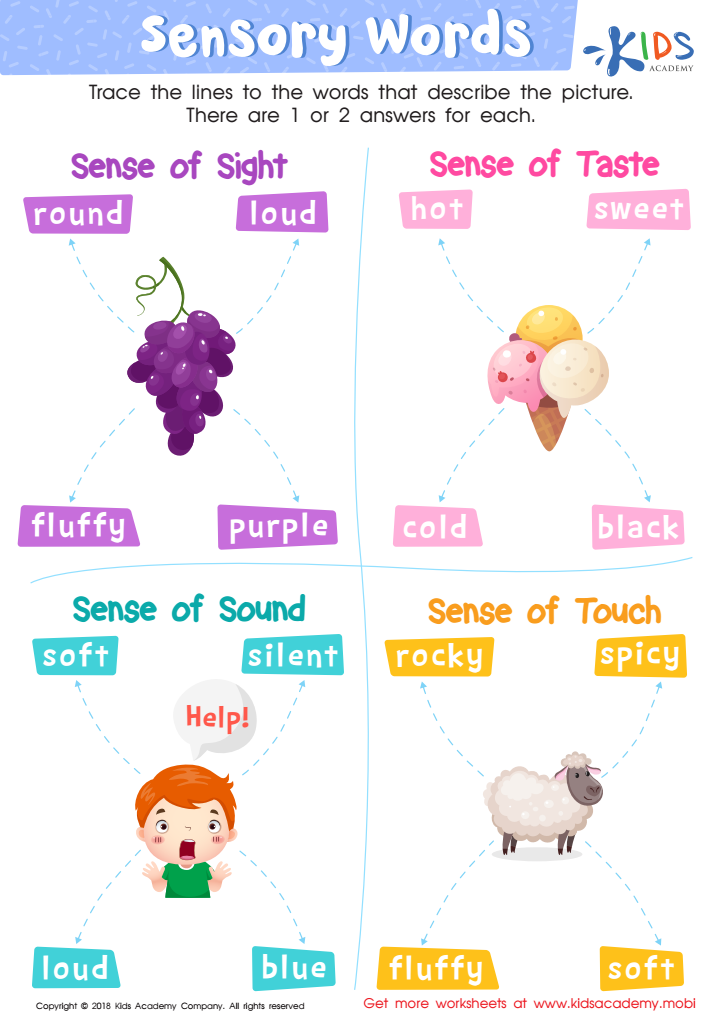
Sensory Words Worksheet







Enhancing vocabulary in the field of science for children ages 3-6 is crucial for several reasons. Firstly, it lays the foundation for early literacy and language skills, which are essential for overall academic success. During these formative years, young minds are highly receptive, making it an optimal time to introduce scientific terms and concepts.
Secondly, exposure to scientific vocabulary stimulates curiosity and encourages a natural love for inquiry. When children understand words like “observe,” “experiment,” or “organism,” they become better equipped to explore the world around them and ask insightful questions. This early engagement fosters critical thinking and problem-solving skills that will benefit them throughout their education and beyond.
Additionally, learning scientific vocabulary supports cognitive development by enhancing memory, attention, and comprehension abilities. These skills are transferable and applicable to various subjects, making the child a more versatile learner.
Moreover, familiarizing young children with scientific terms helps to foster STEM (Science, Technology, Engineering, and Mathematics) capabilities, opening doors to future learning opportunities and careers in these fields. Finally, cultivating an early appreciation for science can lead to hobbies and activities that not only educate but also entertain, making learning a joyous, lifelong journey.
Incorporating science vocabulary into early education benefits cognitive, emotional, and social development, preparing children for a future of learning and success.







