Animal Classification Plants and Animals Worksheets for Ages 3-6
4 filtered results
-
From - To
Explore the fascinating world of animal classification with our engaging worksheets designed for children ages 3-6! Our Animal Classification Plants and Animals Worksheets offer a fun and interactive way for young learners to discover different animal groups, enhance their observational skills, and understand biodiversity. Through vibrant illustrations and simple activities, children will identify various species and their habitats, promoting curiosity and a love for nature. Perfect for home or classroom use, these worksheets encourage critical thinking while making learning enjoyable. Dive into the animal kingdom today and foster a lifelong appreciation for the wonders of life with our educational resources!
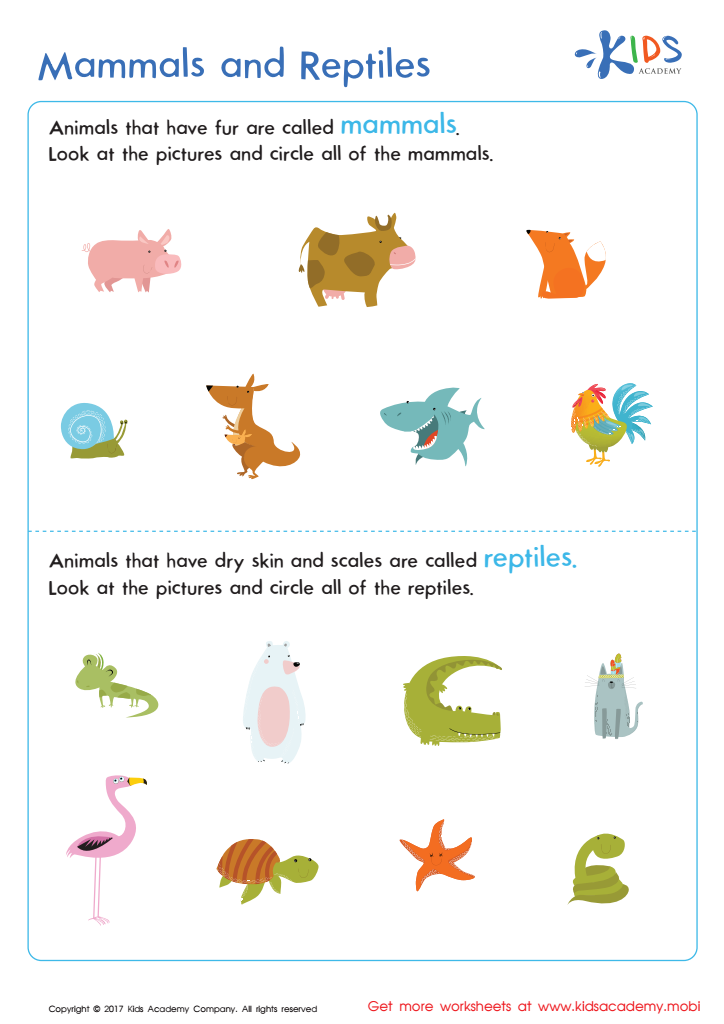
Mammals and Reptiles Worksheet
 Assign to My Students
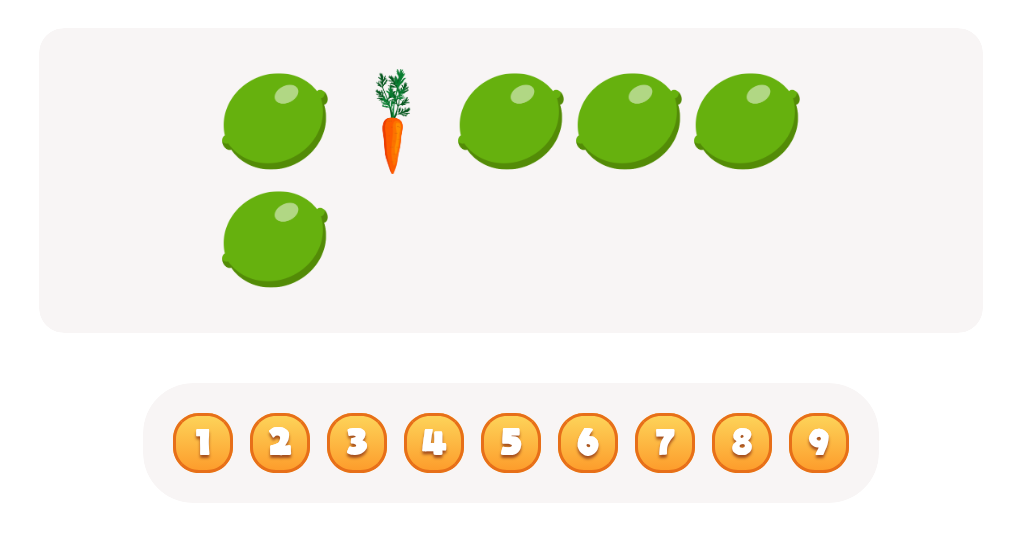

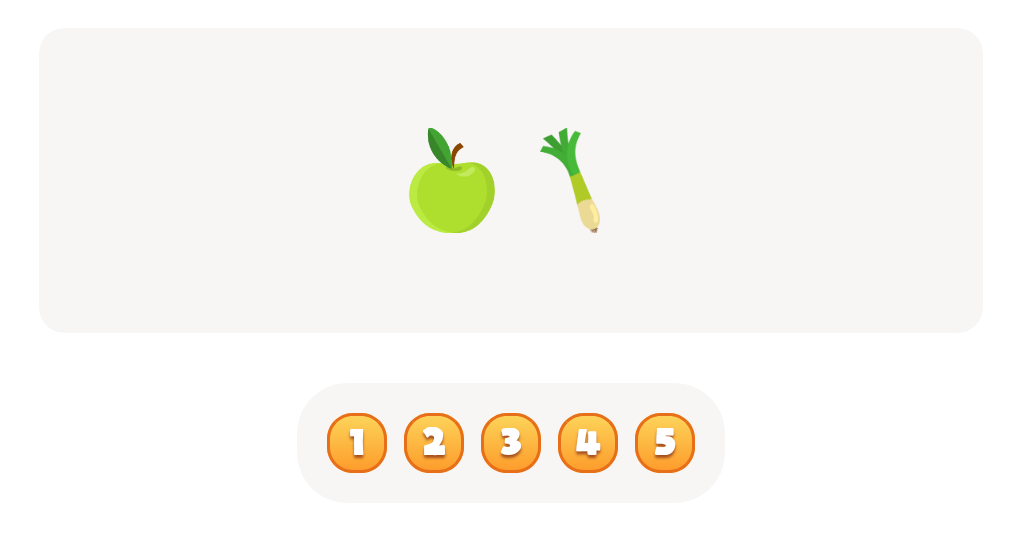
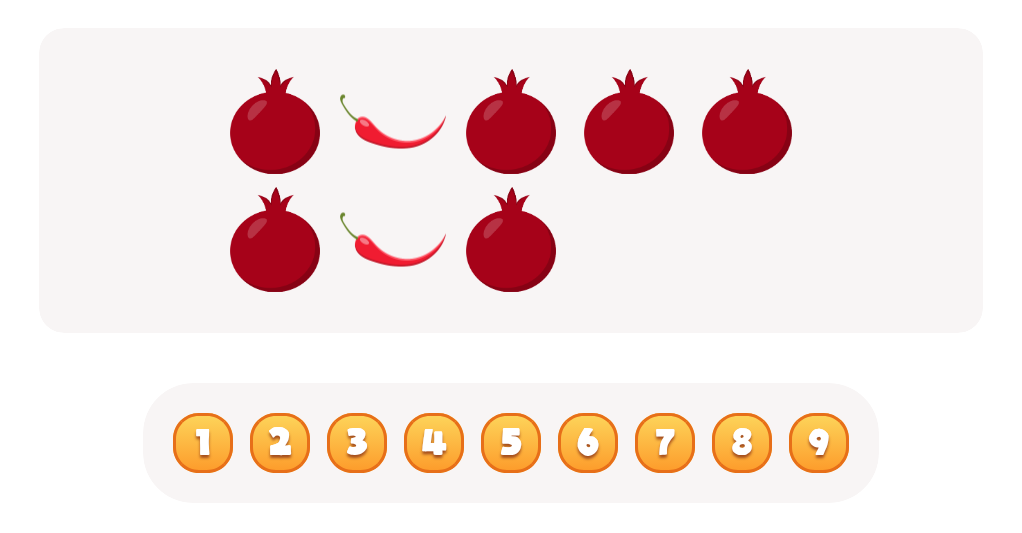
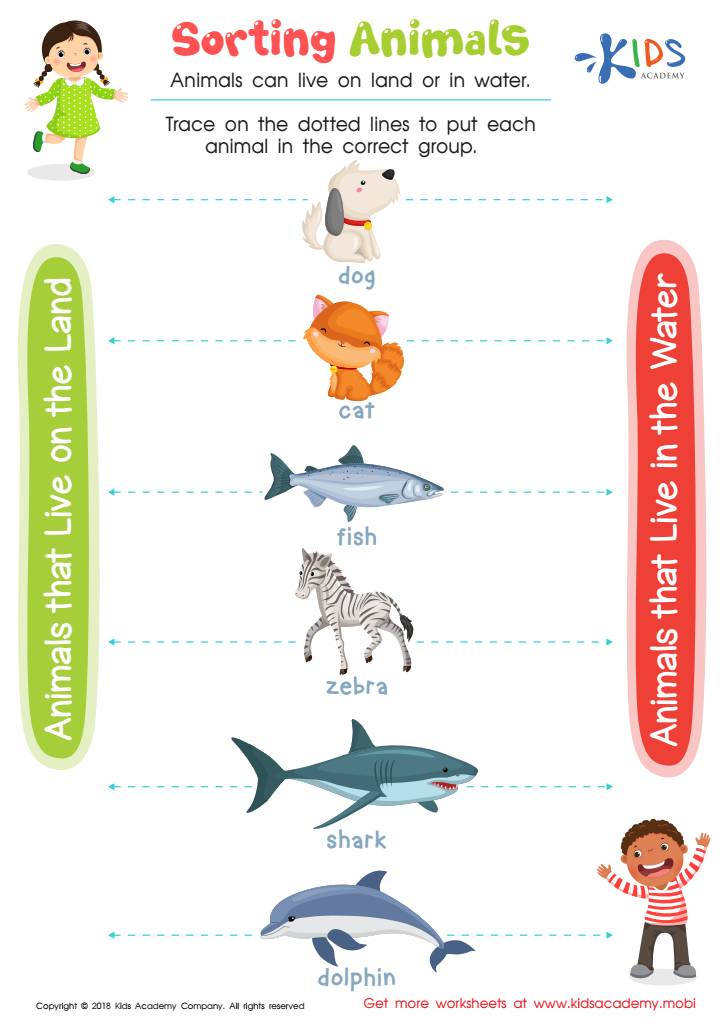
Sorting Animals Worksheet
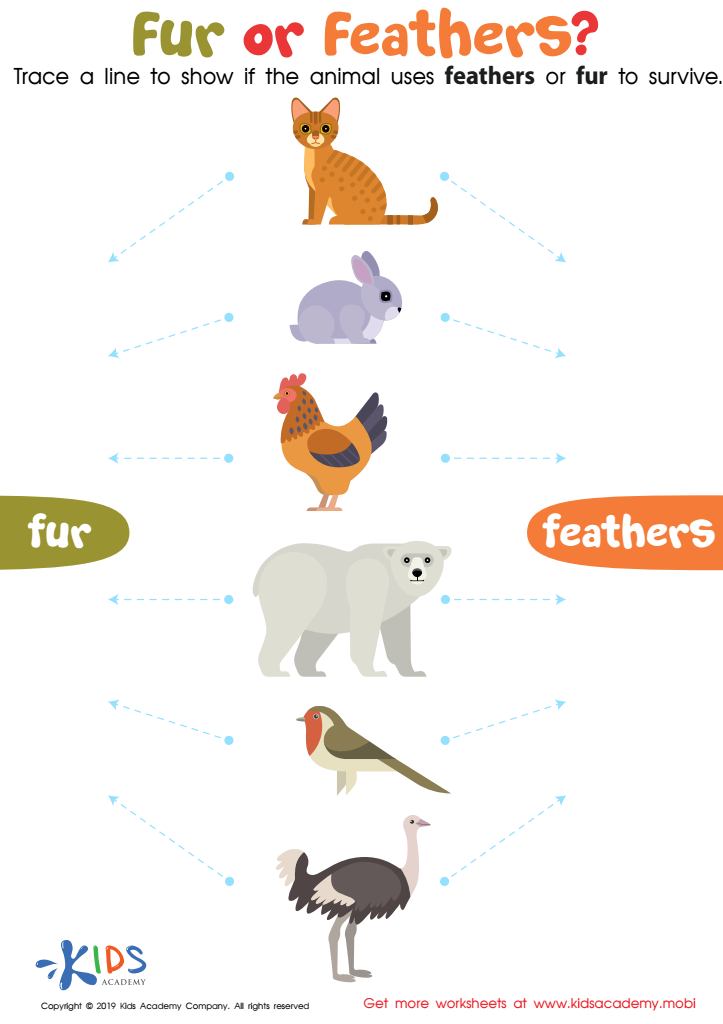
Fur or Feathers? Worksheet
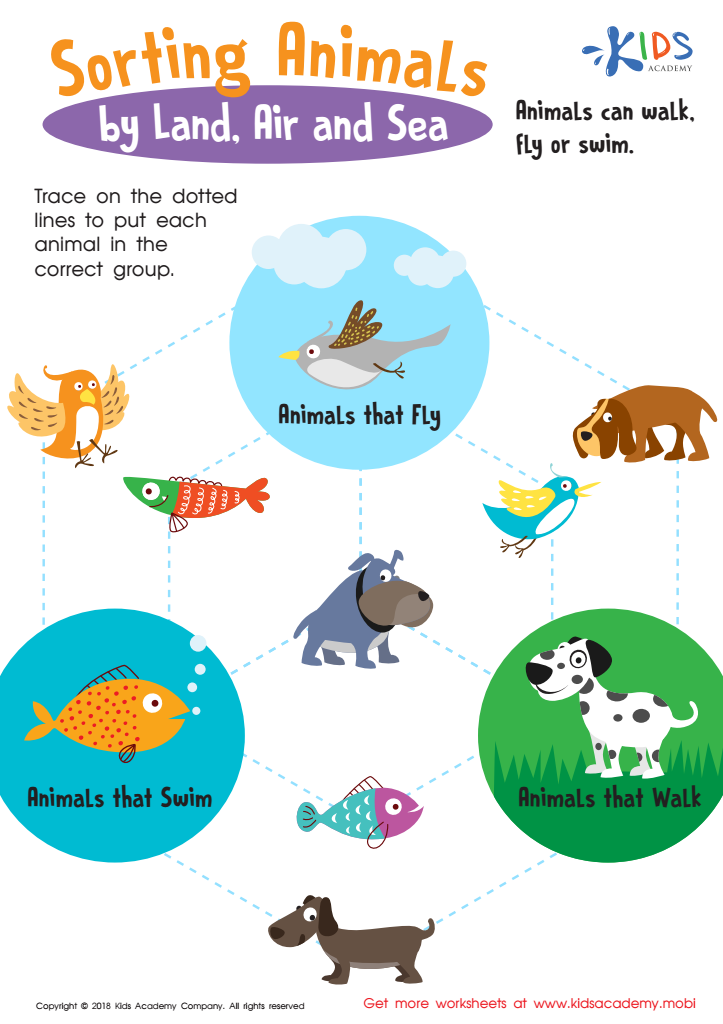
Sorting Animals by Land, Air and Sea Worksheet








Teaching animal classification to children ages 3-6 is crucial for several reasons. First, it nurtures curiosity and a sense of wonder about the natural world. When children explore different types of animals—such as mammals, birds, reptiles, and amphibians—they develop observational skills, encouraging them to notice details and ask questions.
Understanding classification also fosters critical thinking. Children learn to categorize animals based on shared characteristics, which helps them understand the concept of grouping and organization in the natural world. Additionally, learning about plants and animals promotes empathy and respect for living organisms, emphasizing the role of conservation and the importance of protecting habitats.
From a developmental perspective, engaging activities related to animal classification can enhance vocabulary and language skills. Children encounter new words and concepts, making connections to their own lives and experiences. Furthermore, as many young children are drawn to animals, educators and parents can leverage this interest to make learning enjoyable and meaningful.
Incorporating animal classification into early education not only aligns with essential learning standards but also lays a foundation for scientific literacy, inspiring future exploration and stewardship of the environment. Ultimately, it nurtures a generation that appreciates biodiversity and understands their role within the ecosystem.








