Animal recognition Plants and Animals Worksheets for Ages 3-6
6 filtered results
-
From - To
Discover the joy of learning with our Animal Recognition Plants and Animals Worksheets, tailored specifically for ages 3-6! These engaging, colorful worksheets help young learners identify and understand a variety of animals and their habitats. Designed to stimulate curiosity and enhance observation skills, each activity encourages pre-reading development, fine motor skills, and critical thinking. Whether in school or at home, these resources are perfect for introducing children to the wonders of nature in a fun and interactive way. Explore our collection and watch your little ones thrive as they connect with the animal kingdom and the environment around them!
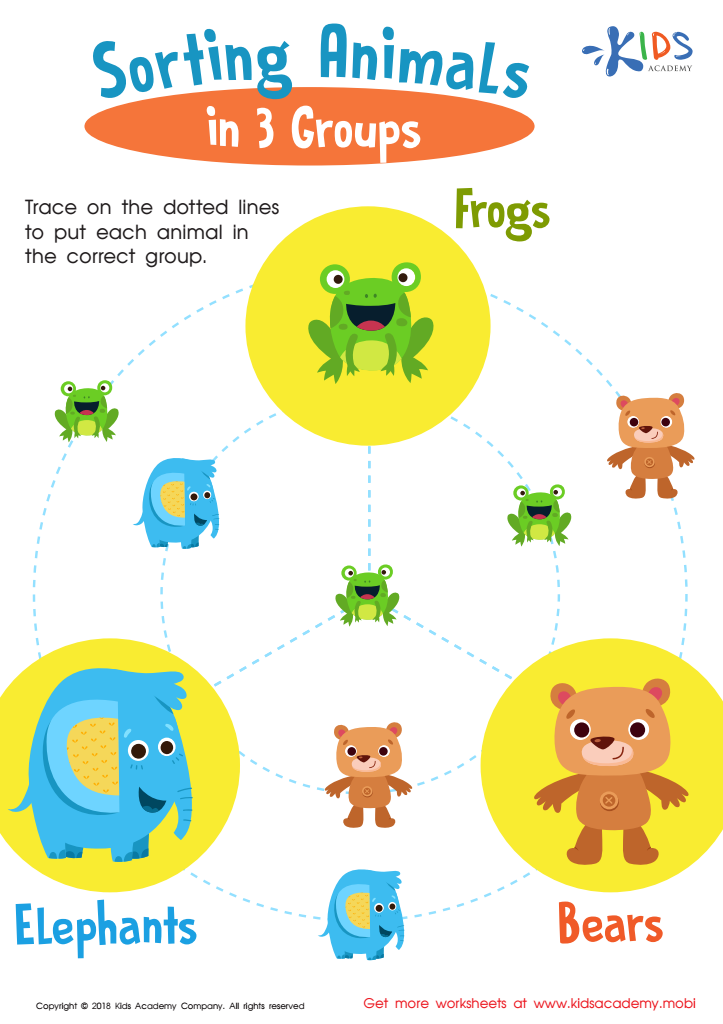
Sorting Animals in 3 Groups Worksheet
 Assign to My Students











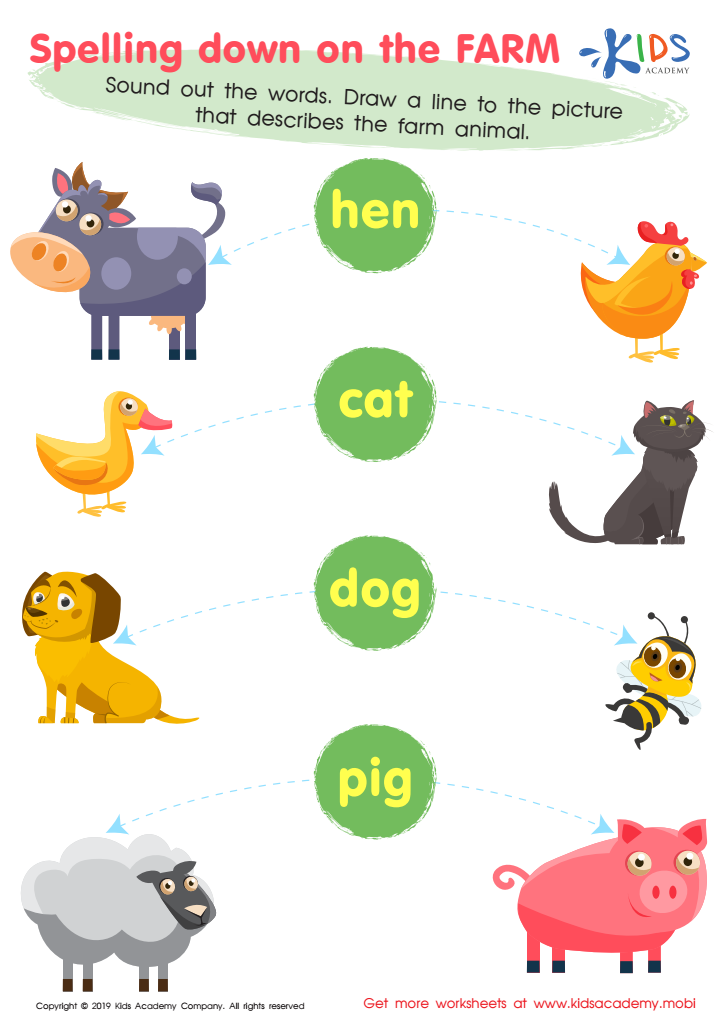
Spelling Down on the Farm Worksheet
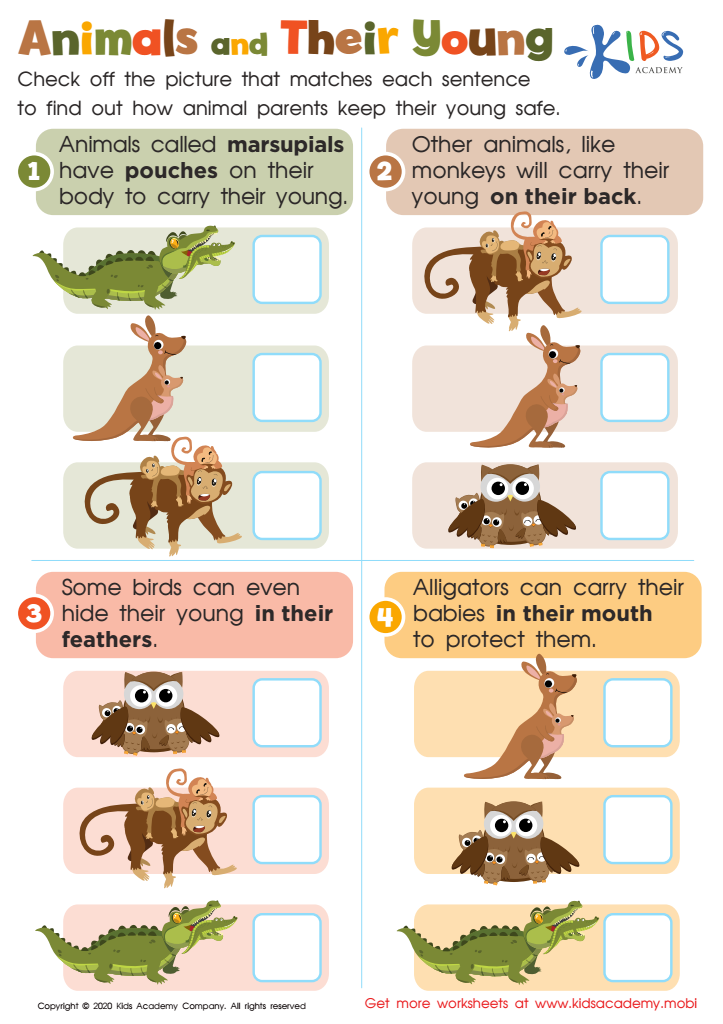
Animals and Their Young Worksheet
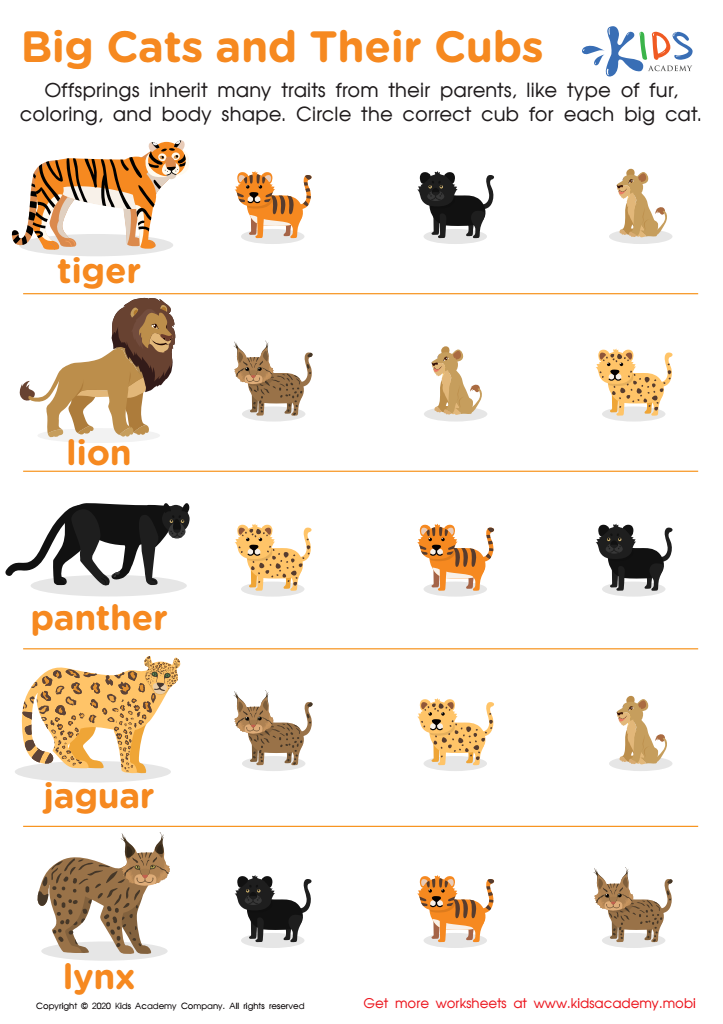
Big Cats and Their Cubs Worksheet
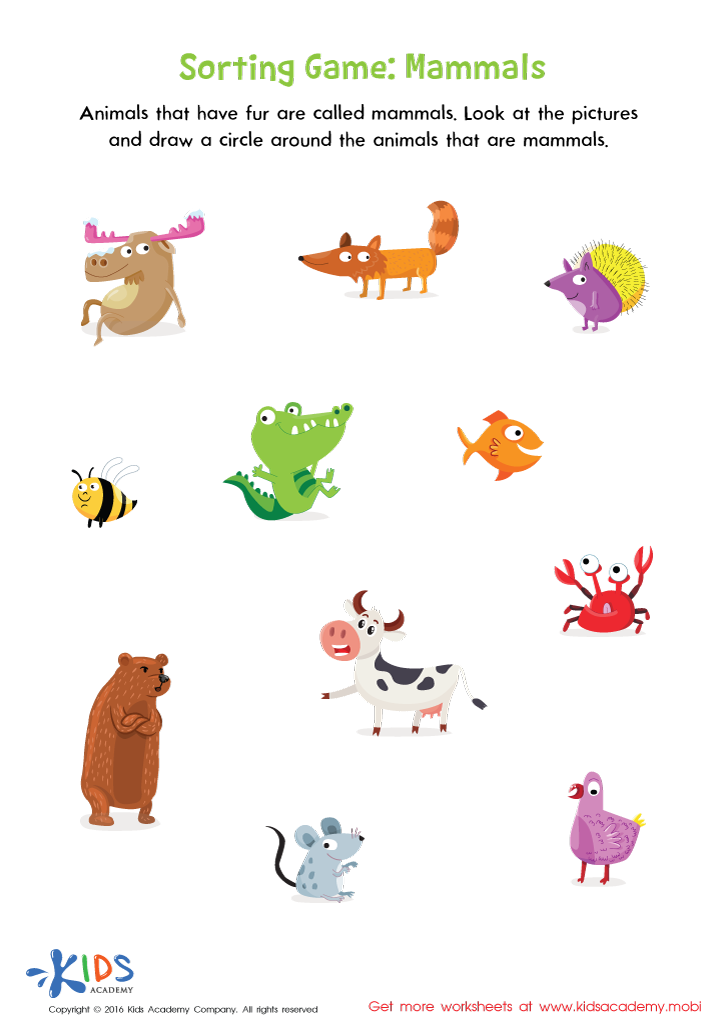
Mammals Sorting Worksheet
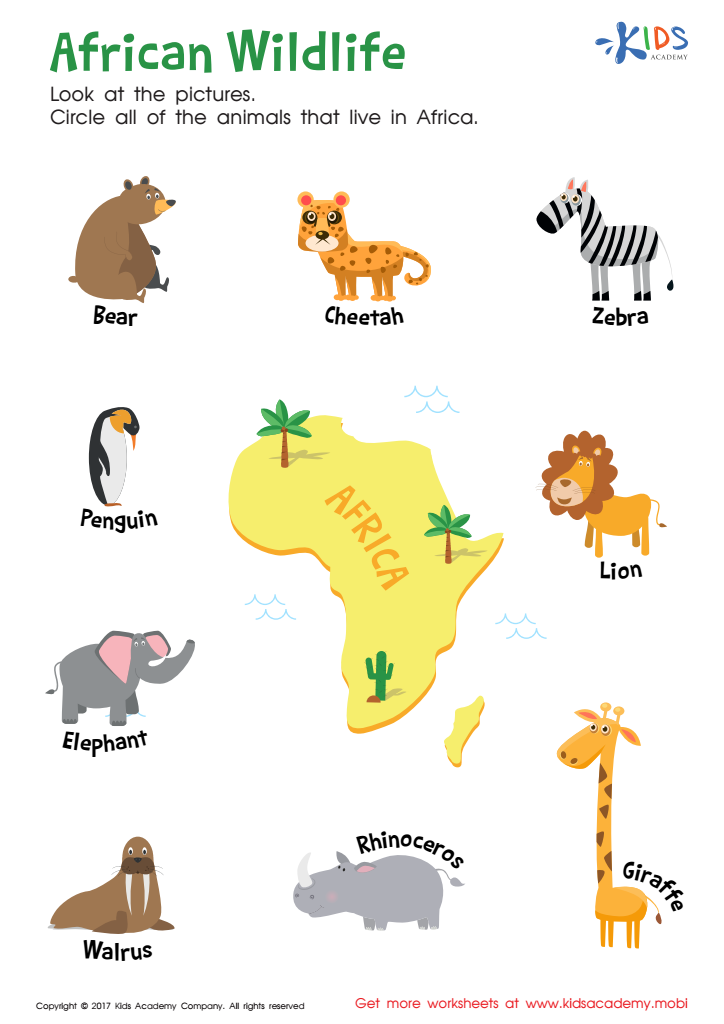



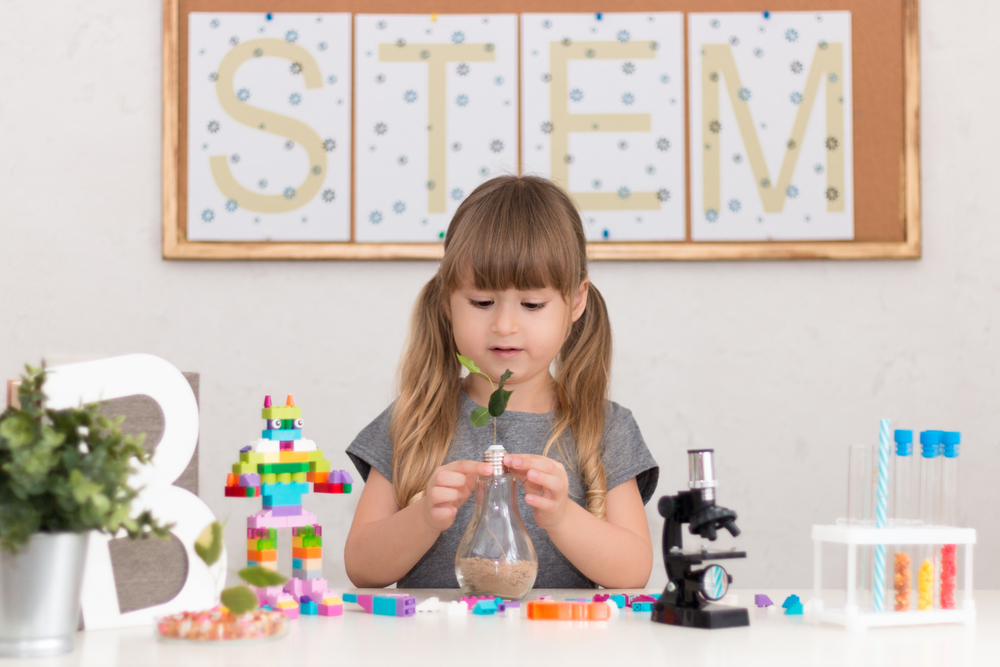

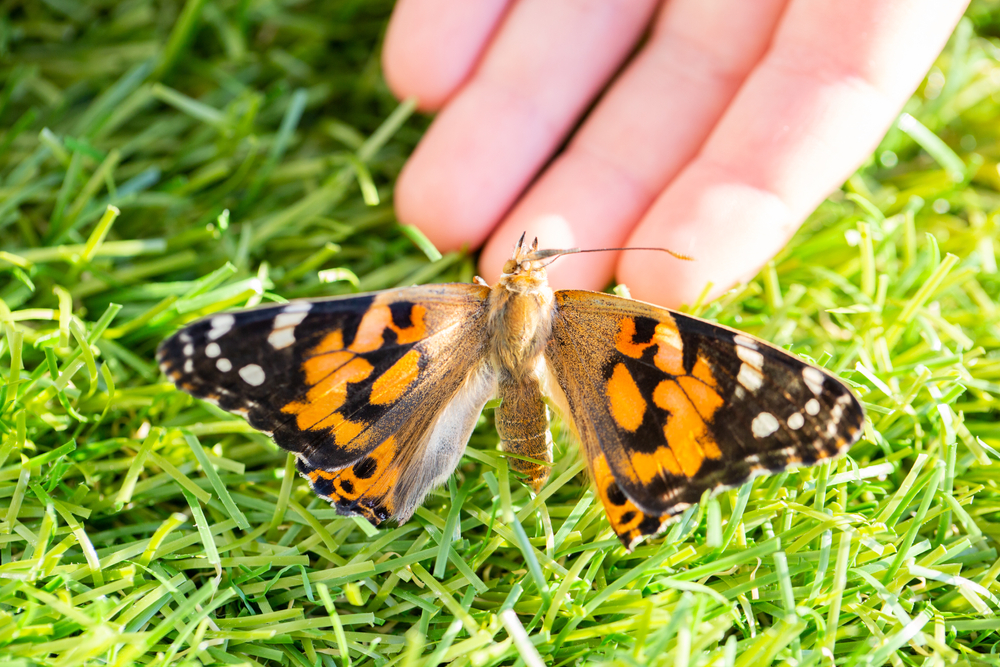


Parents and teachers should prioritize teaching young children about animal recognition and plants for several important reasons. First, this knowledge fosters a sense of wonder and curiosity about the natural world, encouraging exploration and observation skills. At ages 3-6, children are naturally eager to learn, and introducing them to different animals and plants cultivates a deeper appreciation for biodiversity.
Moreover, understanding animals and plants enhances cognitive development. Children learn to categorize, compare, and categorize information, boosting critical thinking and vocabulary skills. Activities like identifying animals or plants can promote language development as children learn new words and concepts.
Additionally, early exposure to nature equips children with essential life skills such as empathy and responsibility. Discussing animal habitats and plant growth fosters an awareness of ecosystems, inspiring children to care for living things. This knowledge can also lead to a sense of stewardship, encouraging environmentally-friendly attitudes as they grow up.
Lastly, integrating animal and plant recognition into daily learning can be fun and engaging through games, outdoor adventures, and art projects. By supporting this learning, parents and teachers not only enrich children's education but also instill a lifelong bond with the natural world.








