Shape Recognition Community Worksheets for Ages 3-6
4 filtered results
-
From - To
Unleash your child's potential with our "Shape Recognition Community Worksheets for Ages 3-6"! Designed specifically for young learners, these engaging worksheets combine fun and education to help children recognize and differentiate basic shapes in various community-themed settings. Through colorful activities and playful exercises, kids will build essential shape recognition skills while also learning about their local neighborhoods. Ideal for early childhood development, these worksheets support cognitive growth and prepare little ones for future academic success. Empower your child’s learning journey with our expertly crafted resources. Visit Kids Academy to start exploring today!
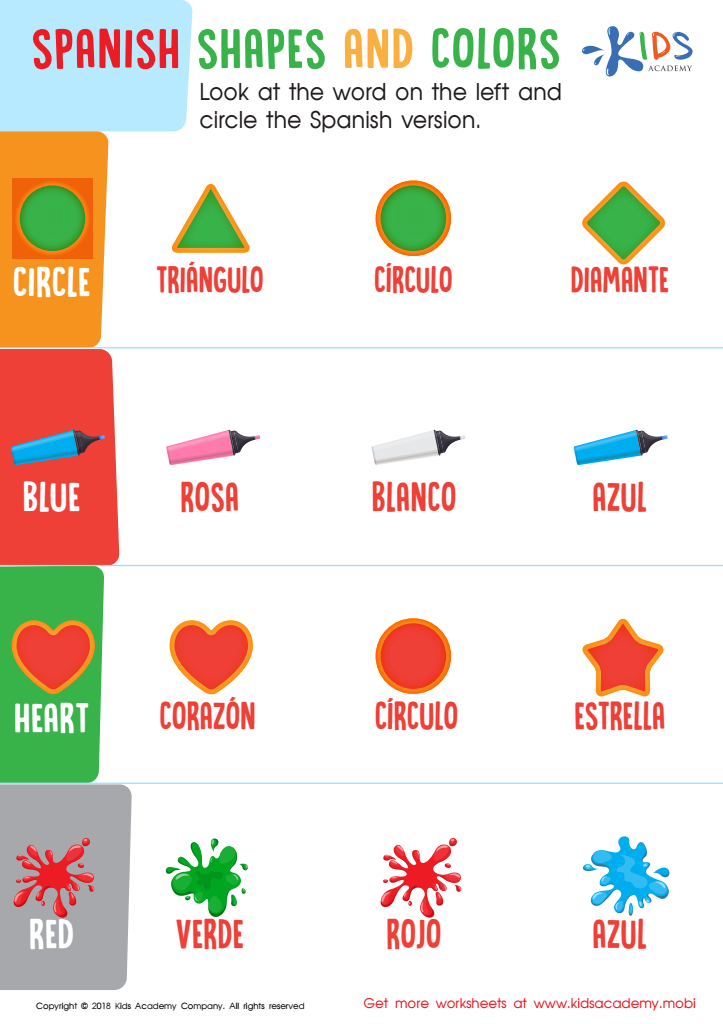
Spanish Shapes and Colors Worksheet
 Assign to My Students
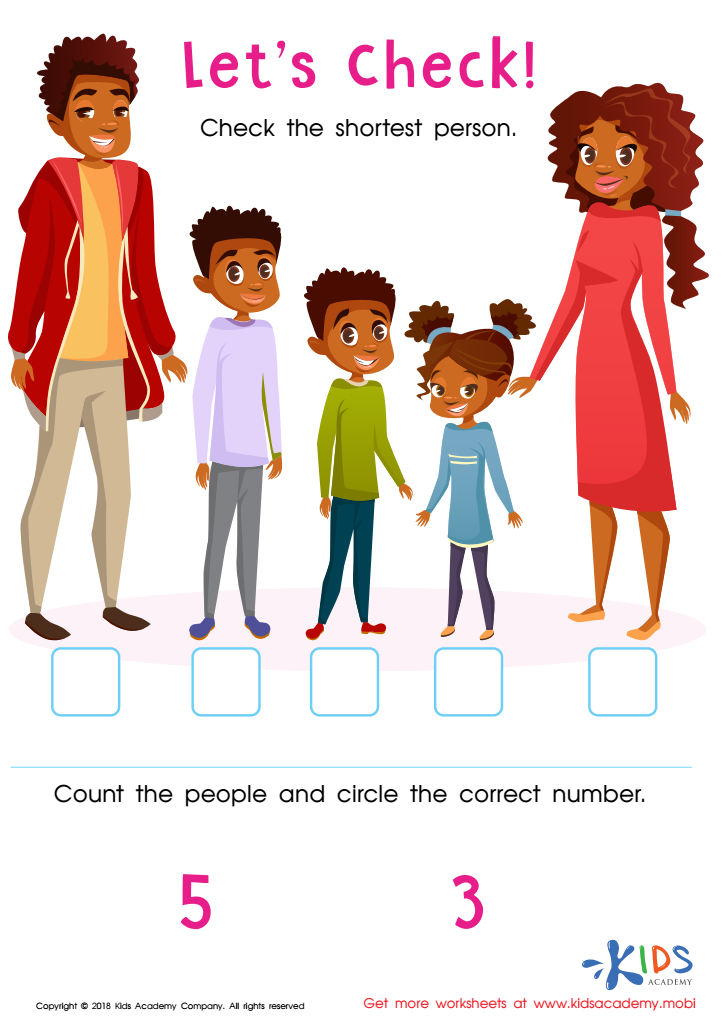
Let's Check! Assessment Worksheet

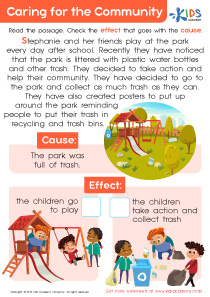
Playground Worksheet
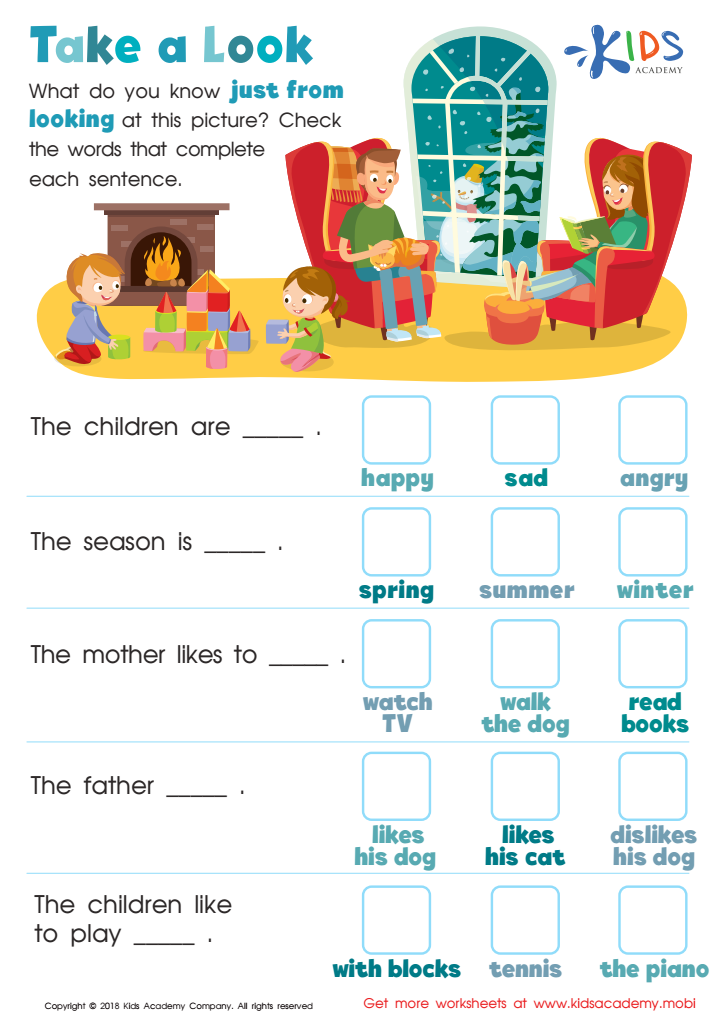
Take a Look - Part 1 Worksheet








Parents and teachers should prioritize shape recognition for children ages 3-6 because it lays the foundation for essential cognitive and mathematical skills. Shape recognition goes beyond merely identifying circles, squares, and triangles; it enhances a child's spatial reasoning, critical for later learning in subjects like math, science, and engineering. By recognizing shapes, children learn categorization and sorting skills, fostering analytical thinking.
Moreover, shape recognition reinforces fine motor skills and hand-eye coordination. For instance, engaging in activities like drawing or tracing shapes helps children develop the motor control necessary for writing. Additionally, understanding shapes aids in visual literacy; recognizing patterns, correlations, and spatial relationships bolsters comprehension in reading and problem-solving.
Participating in a Shape Recognition Community exposes children to collaborative learning, allowing for shared experiences and peer-learning opportunities. It prepares young minds socially and emotionally, as children interact, share, and learn collaboratively, promoting verbal communication and teamwork.
Parents and teachers play a crucial role by creating an enriching environment that includes various shape-focused activities, reinforcing learning, and making it enjoyable. Personalized and community-driven activities ensure that learning shapes is not isolated but integrated in a social, engaging context, fostering enthusiasm and deeper understanding among young learners.