Color recognition Geography Worksheets for Ages 3-6
3 filtered results
-
From - To
Discover our engaging Color Recognition Geography Worksheets, specially designed for children ages 3-6! These worksheets help young learners develop essential color recognition skills while exploring the world around them. Through fun activities and vibrant illustrations, kids will identify different colors in geographic contexts, enhancing their understanding of maps, landforms, and landmarks. Perfect for home or classroom use, our interactive worksheets foster creativity and critical thinking. Encourage your little ones to embark on a colorful journey through geography while building foundational skills that prepare them for future learning. Empower their imagination and curiosity today with our educational resources!
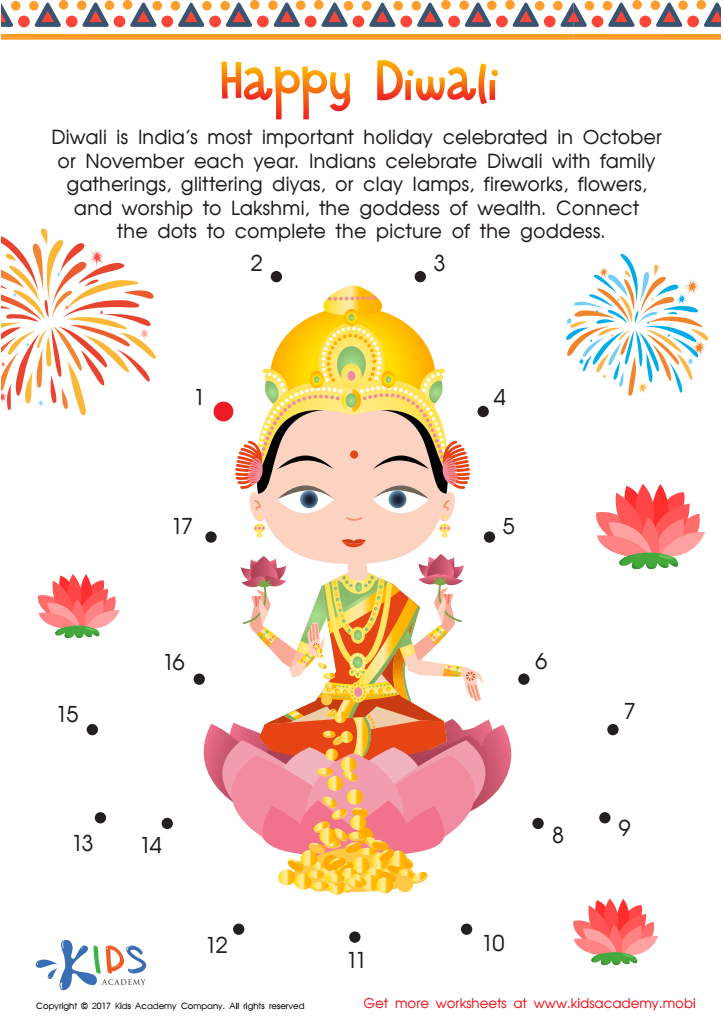
Happy Diwali Printable
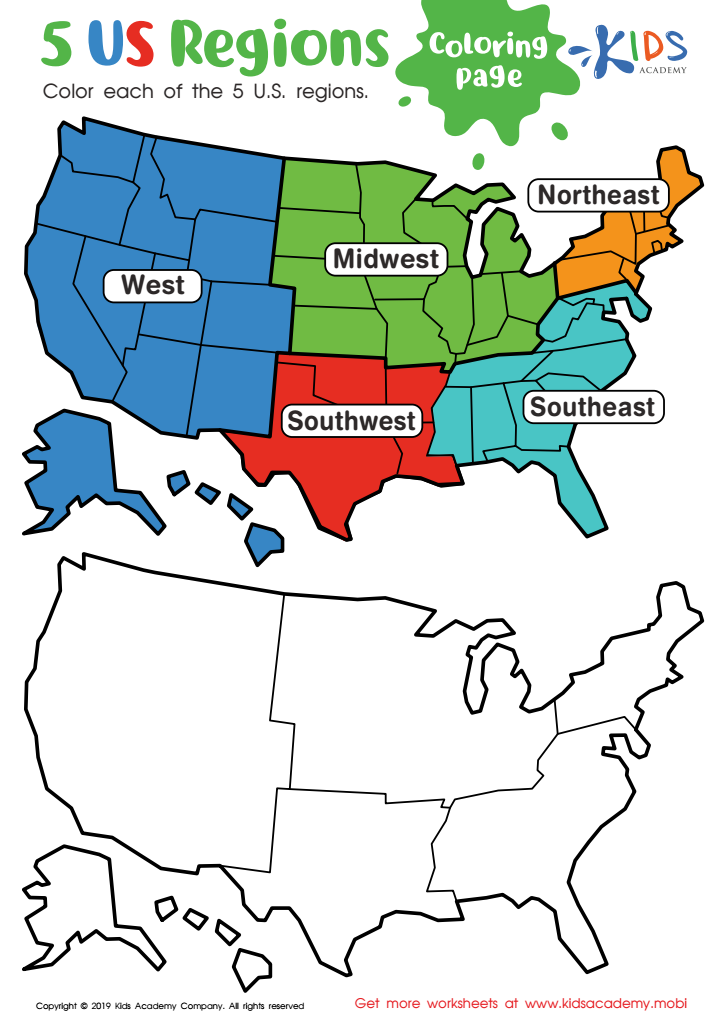
US Regions Coloring Page Worksheet
 Assign to My Students
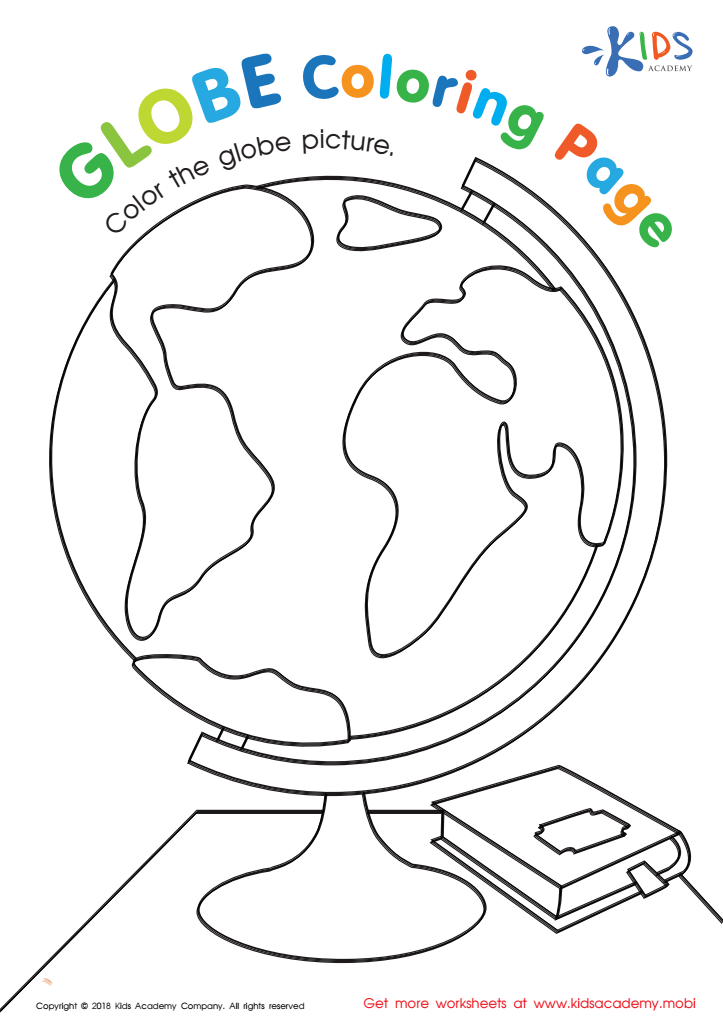
Globe Coloring Page Worksheet
Assign to My Students




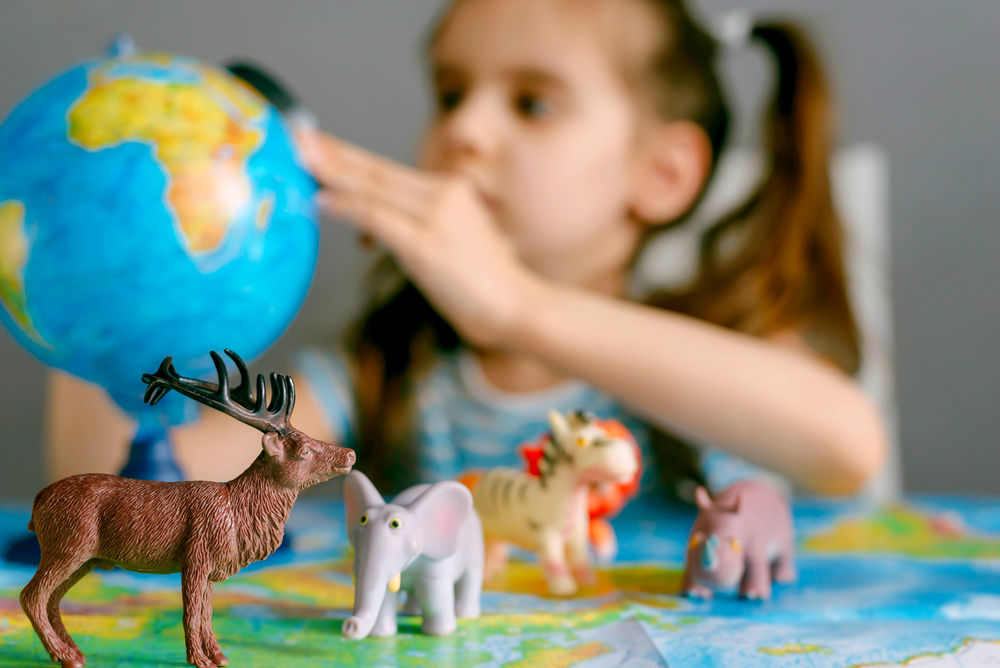


Color recognition and geography education are vital components in the developmental journey of children aged 3-6. Understanding colors helps young learners make sense of the world around them, fostering cognitive skills such as sorting, categorizing, and identifying differences and similarities. When integrated into geography, color association enhances spatial awareness and stimulates curiosity about various cultures, landscapes, and environments.
For parents and teachers, incorporating color recognition in geographic lessons offers a multisensory approach to learning. Colorful maps and globes can captivate young minds, helping them remember geographical concepts such as continents, countries, and ecosystems. This interactive learning encourages engagement and promotes fine motor skills through activities like coloring and crafting maps.
Moreover, familiarity with colors and geographical contexts bolsters communication skills, as children learn to identify and describe various places and colors associated with them. This early exposure also lays the groundwork for critical thinking, encouraging children to explore and question their surroundings.
Ultimately, fostering color recognition within geographic lessons nurtures global awareness and enriches a child's imaginative capabilities, paving the way for lifelong learning and appreciation of diversity in the world. Therefore, parents and teachers should prioritize this connection in early childhood education.








