Cognitive Development Social Studies Worksheets for Ages 3-6
12 filtered results
Difficulty Level
Grade
Age
-
From - To
Subject
Activity
Standards
Welcome to our collection of Cognitive Development Social Studies Worksheets designed for children ages 3-6! These engaging and interactive worksheets aim to enhance young learners' cognitive skills while exploring important social studies concepts. Our carefully crafted activities encourage critical thinking, problem-solving, and understanding of their community and relationships. Each worksheet is tailored to stimulate curiosity and promote learning through fun, relatable scenarios. Ideal for at-home learning or classroom use, these resources help build a strong foundation for social awareness and analytical skills. Download and inspire your little ones to explore the world around them through play-based learning!
Favorites
With answer key
Interactive
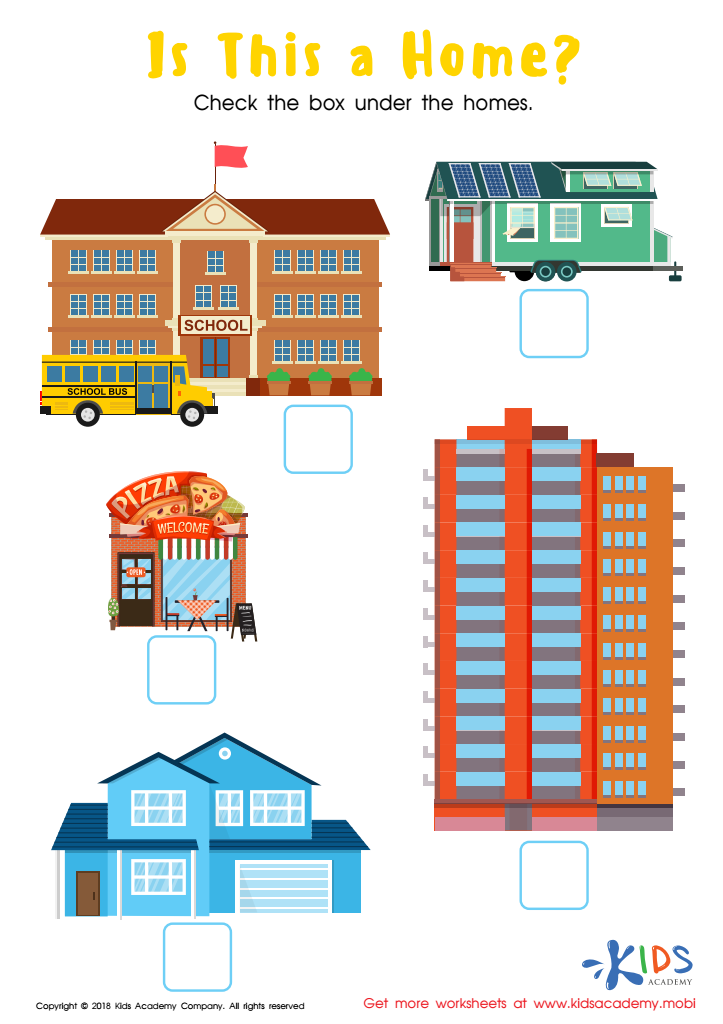
Is this a Home? Worksheet
Ask your child what the building you live in is called. Is it a home, restaurant or hospital? Then look at the pictures in the worksheet and ask them to identify which are homes - even if they don't look like yours. Check the box next to the homes in the pictures.
 Assign to My Students
Is this a Home? Worksheet
Worksheet
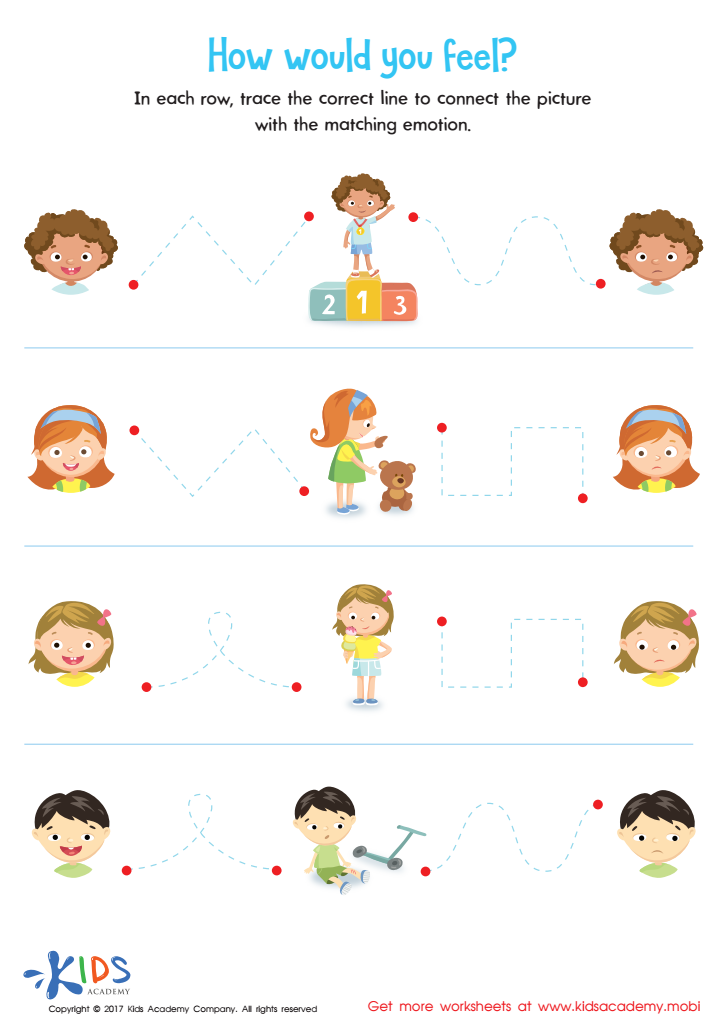
Feelings and Emotions Worksheet
Kids must learn how to deal with situations and handle their own emotions. This worksheet helps them practice empathy and resilience, making them more self-aware and confident. It also helps them to relate their life experiences to common disappointments and develop coping mechanisms.
Feelings and Emotions Worksheet
Worksheet
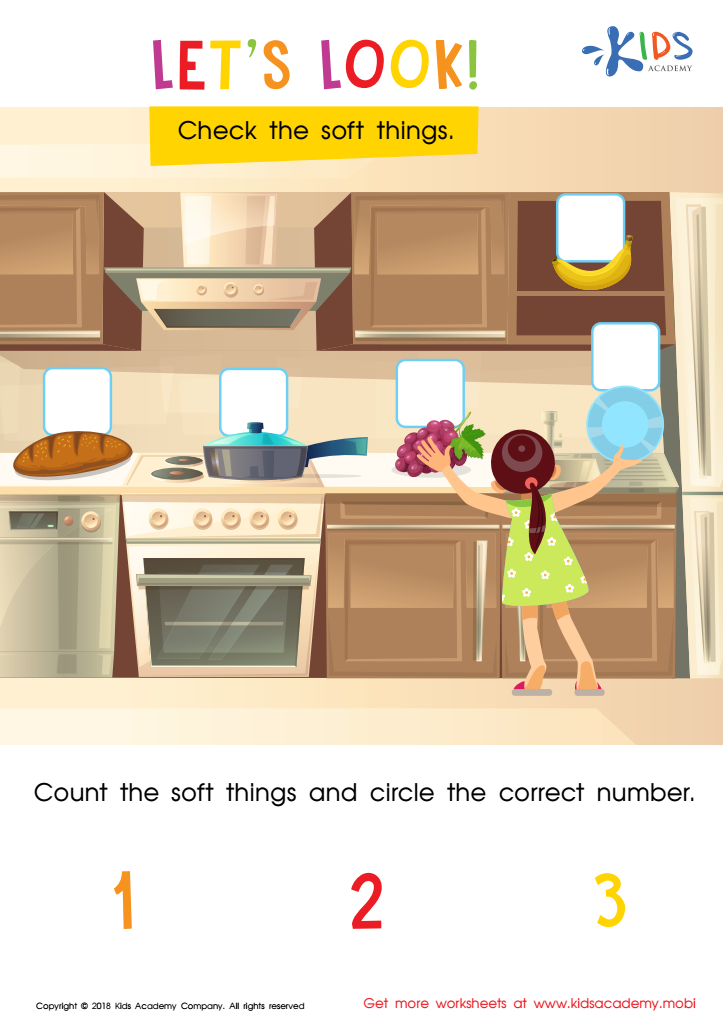
Let's Look! Assessment Worksheet
Have your child look at the picture in the printout and name the objects. Ask which ones are soft and hard and have them count the soft objects and circle the number. This worksheet will engage your child's thinking and teach them about texture.
Let's Look! Assessment Worksheet
Worksheet
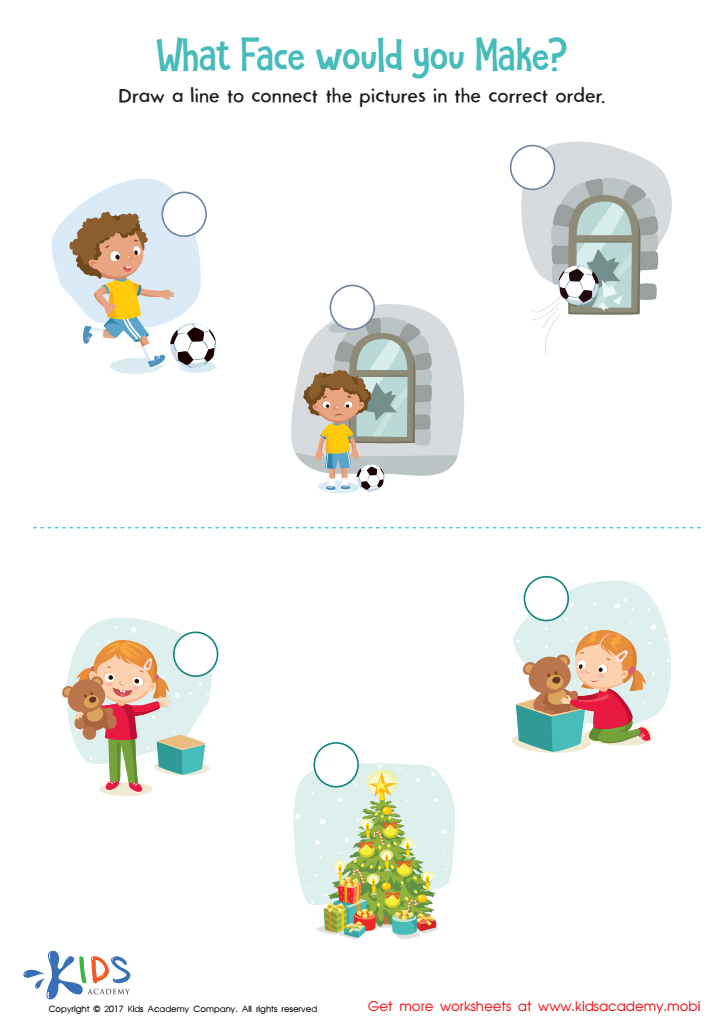
Understanding Emotions Worksheet
This worksheet helps children build social and emotional skills. As they complete it, they imagine themselves in the boy's situation, practicing empathy. It's an engaging and meaningful way to learn.
Understanding Emotions Worksheet
Worksheet
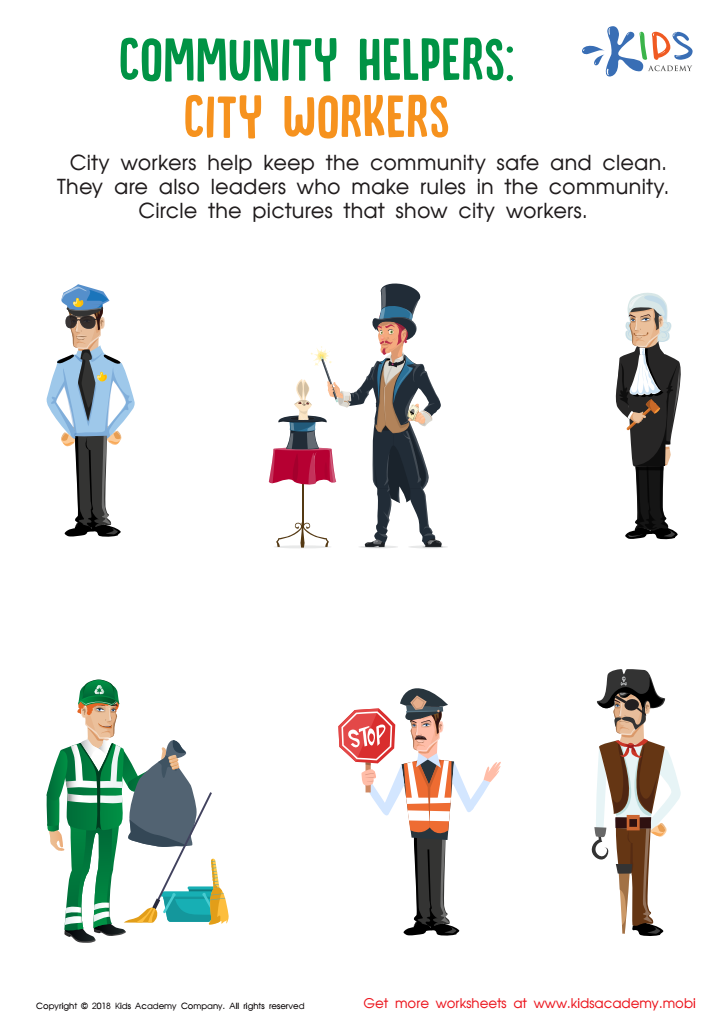
City Workers Community Helpers Worksheet
City workers help keep our communities clean, safe and well-run. They create and enforce rules and act as leaders. Use this worksheet with your child to learn more about the important roles they play. Check the pictures in the free PDF that accurately depict what they do.
City Workers Community Helpers Worksheet
Worksheet
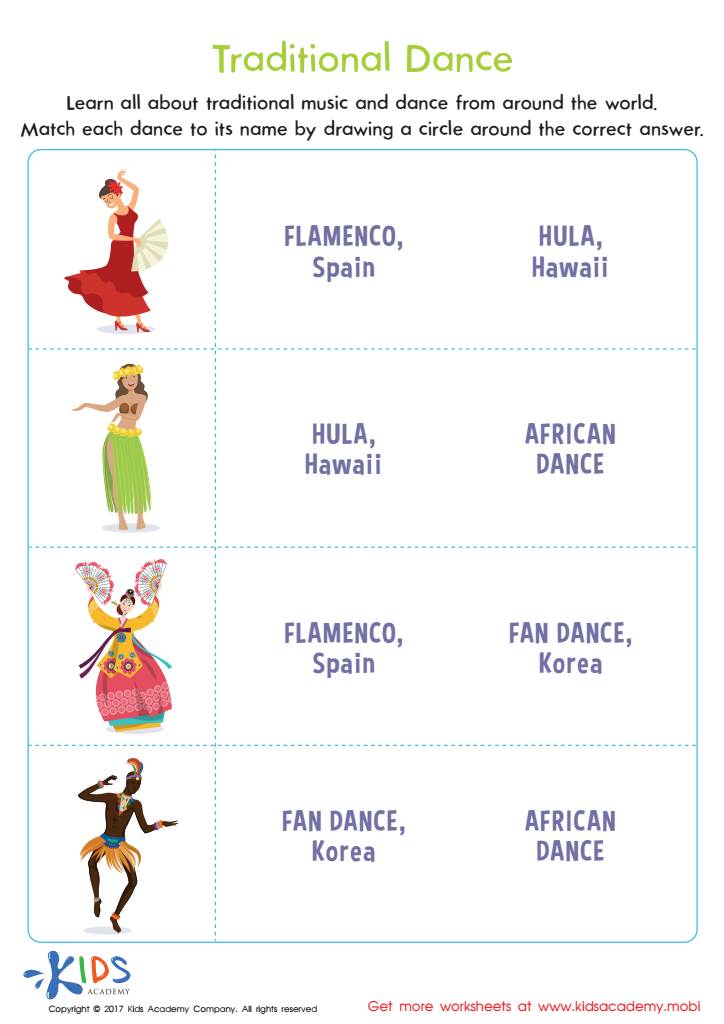
Traditional Dance Printable
Introduce your child to traditional dances from across the globe with this worksheet. They'll learn to identify dances from different cultures, use their critical thinking skills and build an appreciation for different cultures. Let’s help kids to appreciate people’s differences and explore the world with this fun, colorful worksheet.
Traditional Dance Printable
Worksheet
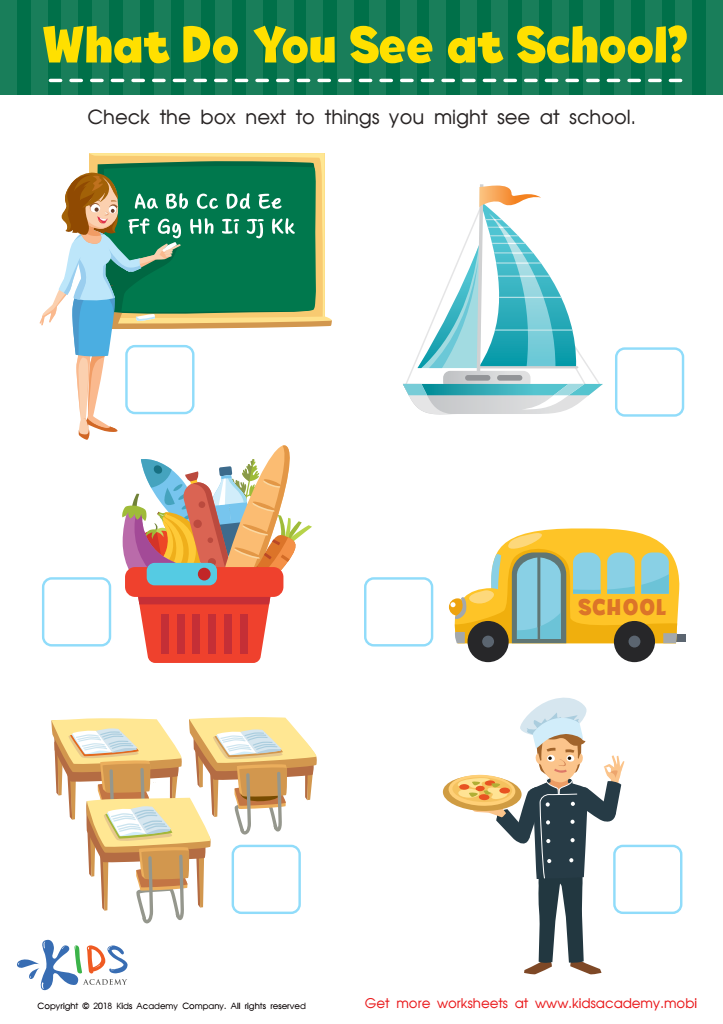
What Do you See at School? Worksheet
Have your kids give you a list of things they see at school. Then, view the worksheet together. Ask them to check the boxes next to the school items. Look for objects that can be found at school and those that don't belong. This is a great way to check their knowledge of what they see at school daily, except on weekends and holidays.
What Do you See at School? Worksheet
Worksheet
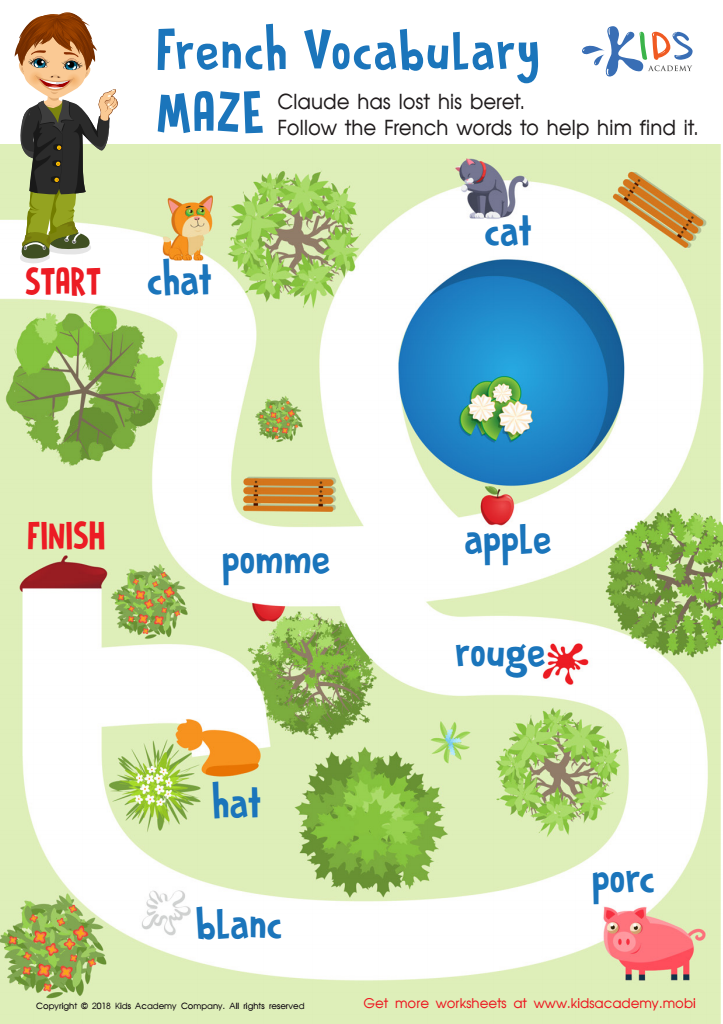
French Vocabulary Maze Worksheet
Kids can learn they're part of a global community with this fun maze worksheet. Claude needs help finding his beret, and by using the pictures children will develop their fine-motor skills. They don't even know they're learning new language words, they're just helping a friend!
French Vocabulary Maze Worksheet
Worksheet
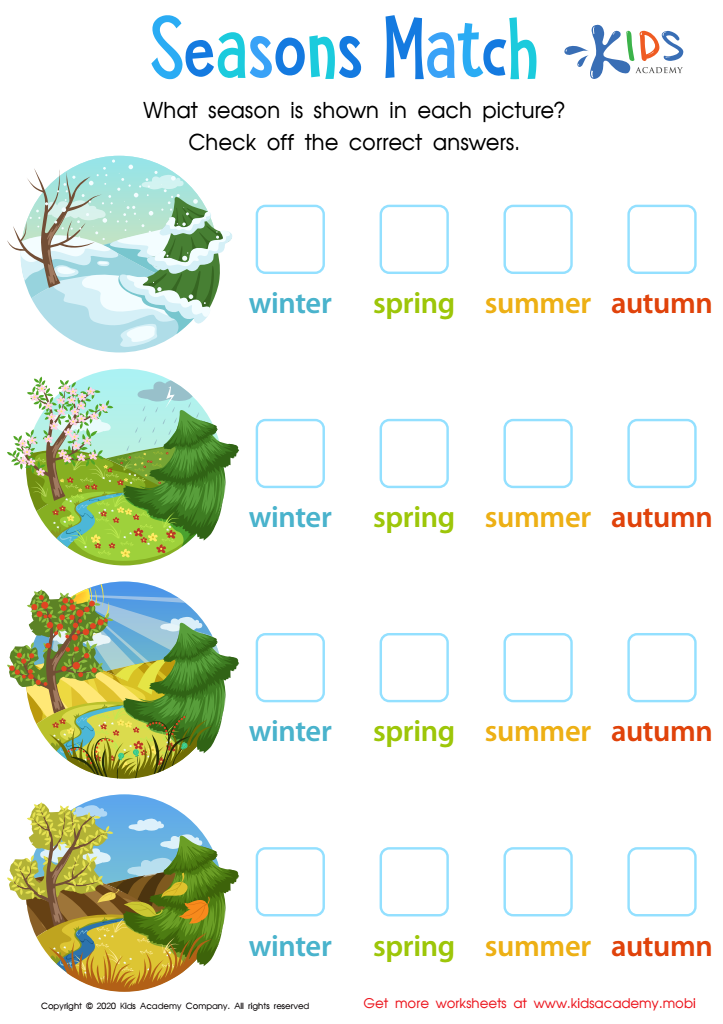
Seasons Match Worksheet
Preschoolers should begin learning about seasons and weather early. Most can tell what season it is by upcoming holidays or school activities. Test their knowledge with a printable PDF worksheet. It asks them to match each image with its corresponding season!
Seasons Match Worksheet
Worksheet
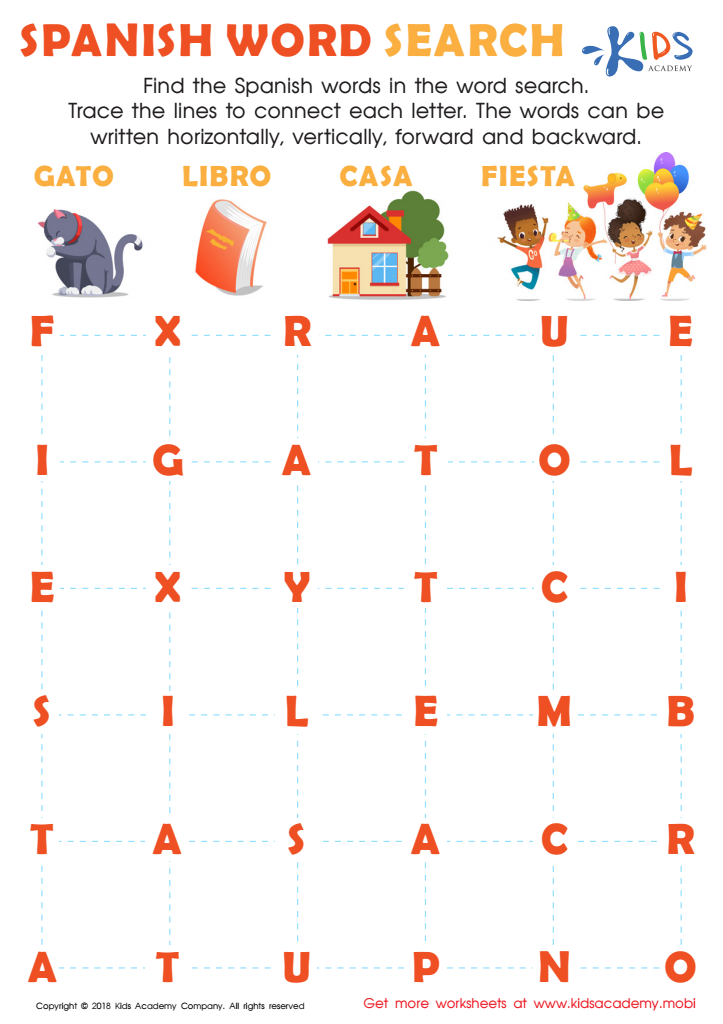
Spanish Word Search Worksheet
This free worksheet encourages students to learn Spanish words while developing visual, fine motor, and hand-eye coordination skills. Through colorful pictures and traceable lines, the task of finding words such as gato, libro, casa, and fiesta is disguised as a fun and engaging way to explore new cultures.
Spanish Word Search Worksheet
Worksheet
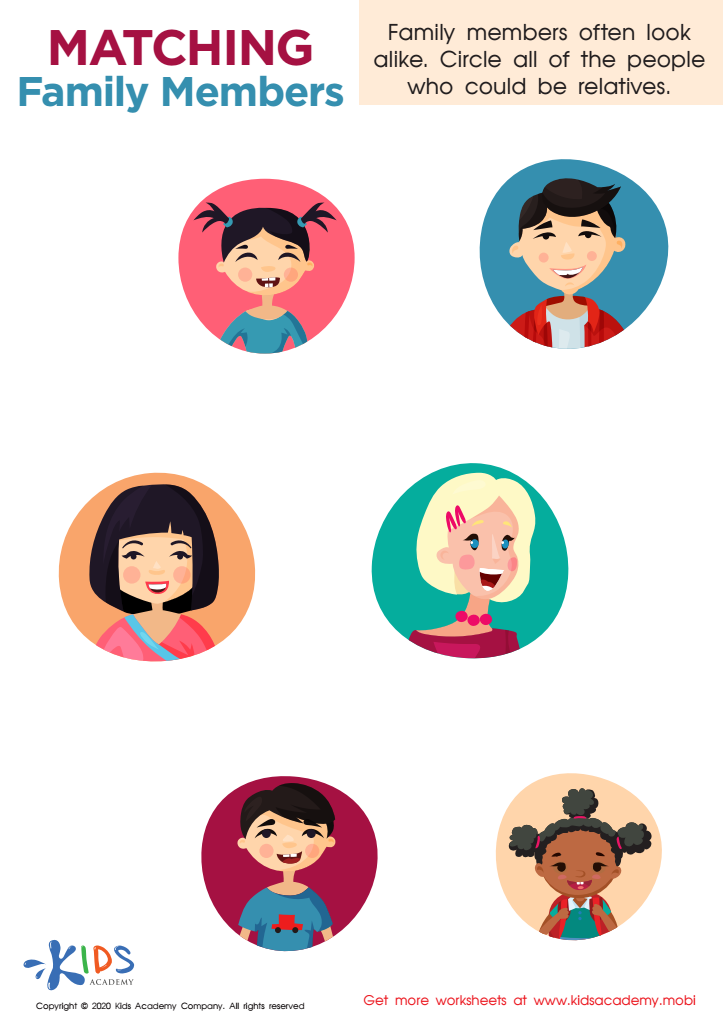
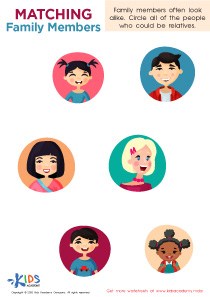
Matching Family Members Worksheet
Most family members look similar due to genetics. Teach this concept to your child using this worksheet - look for similar facial and bodily features, then circle those from the same family. Help them learn how to recognise family resemblance.
Matching Family Members Worksheet
Worksheet
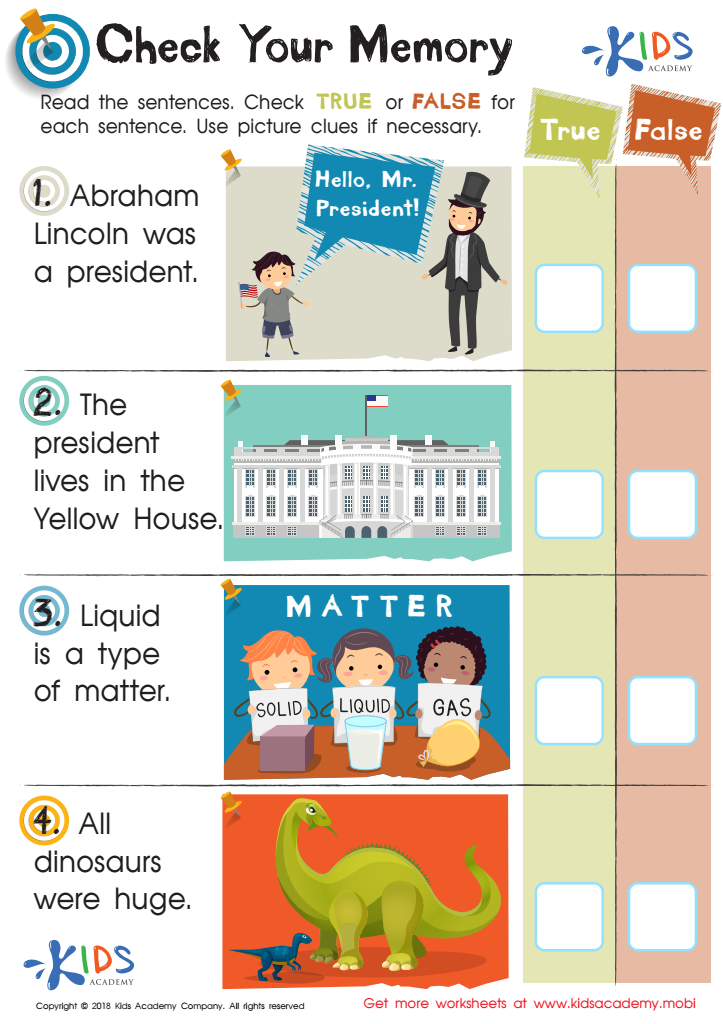
Check Memory Worksheet
Assisting your kids with their homework and using worksheets is a great way for them to learn. The vibrant visuals in this printout can help stimulate the mind and motivate your child. Have them read the sentences and then point to the associated images. Afterwards, ask them to state True or False for each sentence. If they are still uncertain, offer them the picture clues to assist further.
Check Memory Worksheet
Worksheet
Join Kids Academy for Free
Who is primarily going to use this learning content?







Cognitive development in young children, particularly in the ages of 3 to 6, is crucial for setting the foundation for future learning and social skills. Social studies for this age group introduces essential concepts related to family, community, and culture. Understanding these themes helps children make sense of their environment and fosters critical thinking skills.
Parents and teachers should care about this aspect of development because it nurtures children's ability to engage with the world around them. Through social studies, children learn to recognize and respect diversity, develop empathy for others, and understand citizenship. These skills are essential for building harmonious relationships and promoting teamwork.
Moreover, cognitive development enhances children's language skills, problem-solving abilities, and emotional awareness. When children explore topics within social studies, they gain vocabulary and insights that benefit their overall communication skills. This is especially vital as they prepare for formal schooling.
Engaging in social studies stimulates curiosity and promotes active participation. Parents and teachers can facilitate this by providing opportunities for exploration, discussion, and reflection. Supporting cognitive development through social studies ultimately helps children become well-rounded, informed individuals who can contribute positively to their communities.