Spatial awareness Social Studies Worksheets for Ages 3-6
4 filtered results
-
From - To
Enhance your child's spatial awareness with our engaging Social Studies worksheets designed for ages 3-6. These interactive resources will help young learners navigate concepts of space, direction, and position through fun activities and exercises. From identifying locations on a map to understanding relationships between objects, our worksheets support critical thinking and cognitive development. Ideal for classroom use or home learning, these materials foster a love for exploration and discovery. Equip your little ones with essential skills that will benefit them across various subjects while having a blast! Download our Spatial Awareness Social Studies worksheets today to kickstart their learning journey.
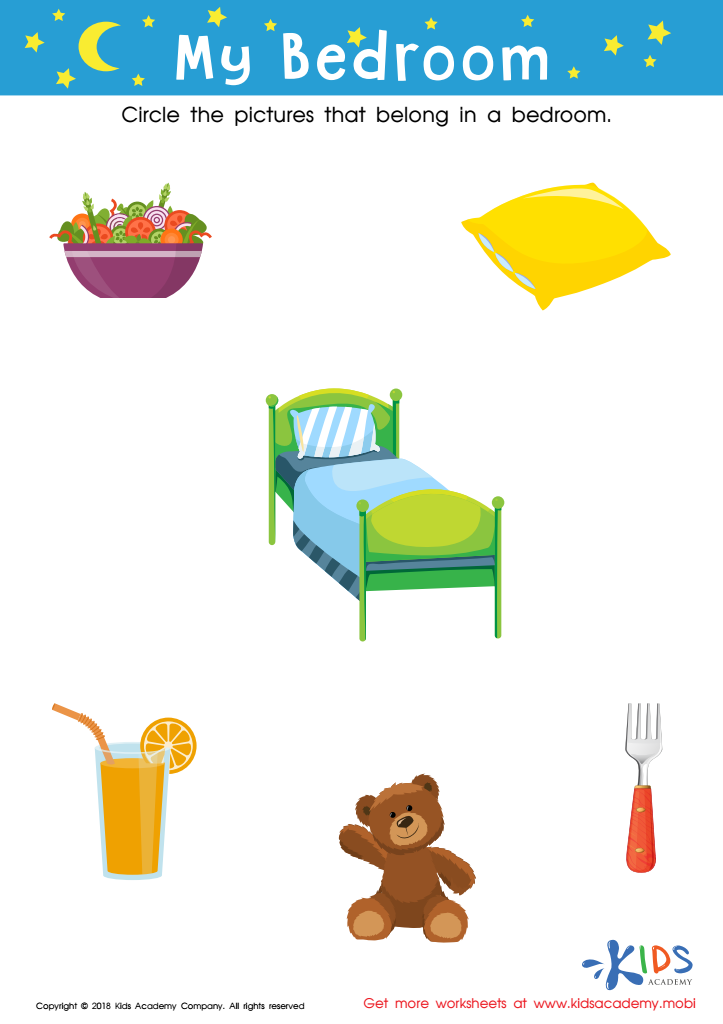
My Bedroom Worksheet
 Assign to My Students
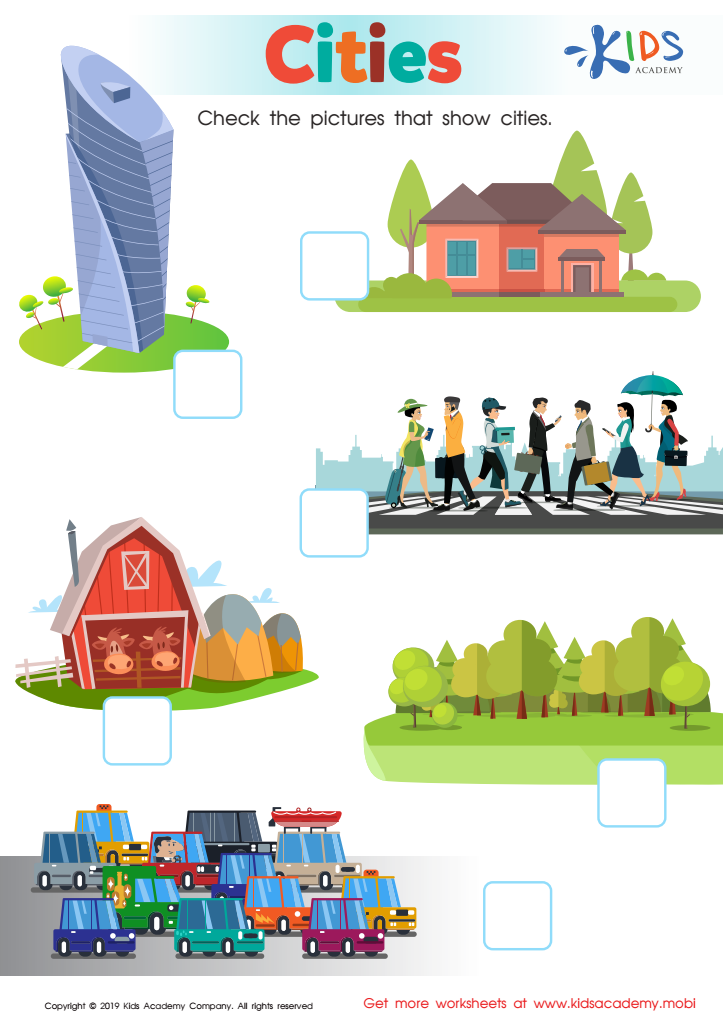
Cities Worksheet
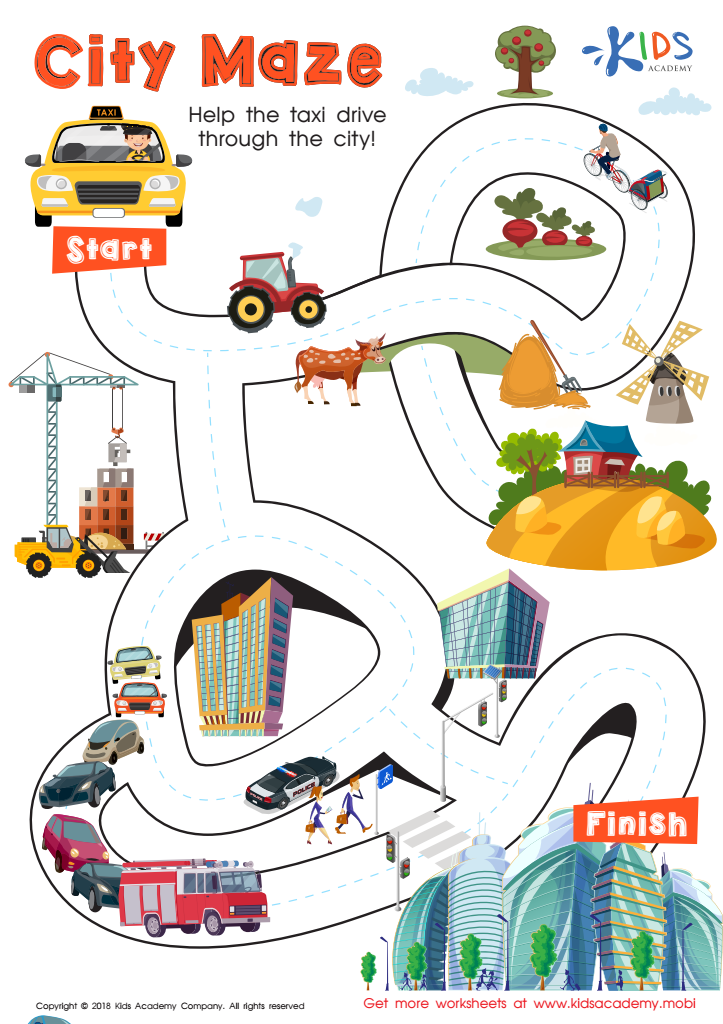
City Maze Worksheet
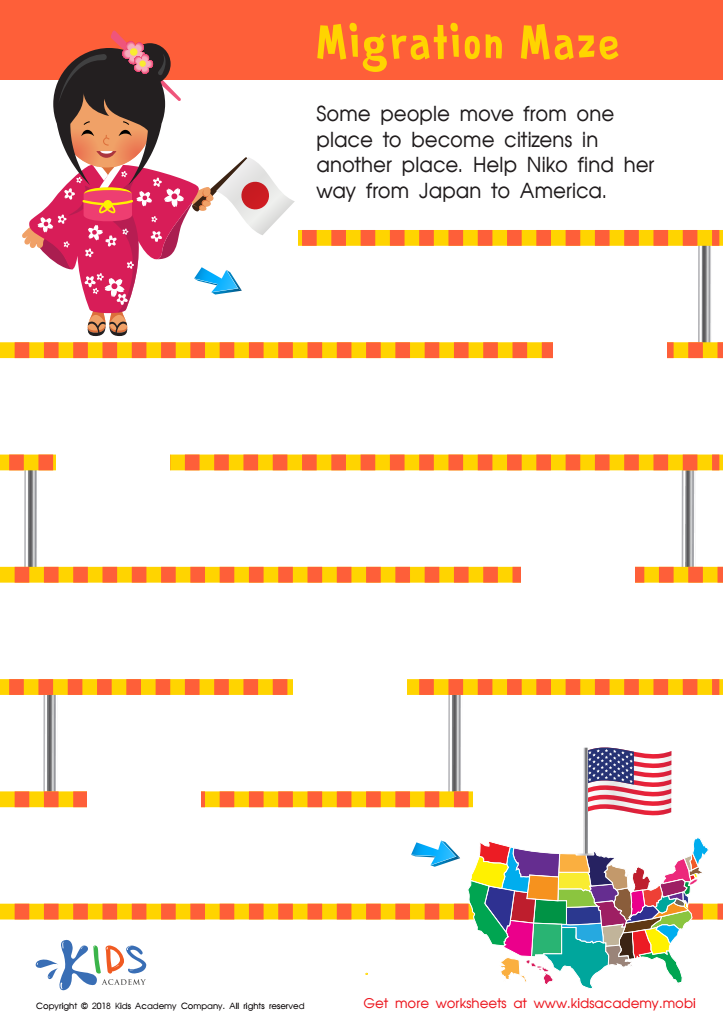
Migration Maze Worksheet






Spatial awareness is an essential developmental skill for children aged 3-6, impacting their understanding of social studies profoundly. This age group is crucial for early learning, and fostering spatial awareness helps children grasp their environments, relationships, and communities better. Beyond the basics, these skills underpin the ability to navigate spaces, understand maps, and relate positions—skills crucial for geography and social studies.
Parents and teachers should care for a few key reasons. Firstly, spatial awareness promotes critical thinking. As children decipher their local surroundings, they connect place, people, and events—key concepts in social studies. This foundational understanding enhances their ability to comprehend cultural and community dynamics later on.
Secondly, exploring spatial relationships fosters imagination and curiosity, integral for engaging in storytelling and understanding history within social studies contexts. Children become more adept at visualizing concepts like boundaries, distances, and the nature of geographic spaces.
Lastly, thus understanding encourages cooperation and social interaction as children work together in their explorations. Therefore, cultivating spatial awareness creates a rich groundwork for children not just in social studies but across their broader learning experiences and social development, preparing them for future academic success.








