Letter recognition Writing Worksheets for Ages 3-6
4 filtered results
-
From - To
Explore our engaging Letter Recognition Writing Worksheets designed for children aged 3-6! These worksheets provide a fun and interactive way for young learners to identify and write letters, essential skills for early literacy development. Aligned with educational standards, our resources help build foundational skills through colorful, age-appropriate activities. Each worksheet encourages creativity, fine motor skills, and letter familiarity, making learning a delightful experience. Whether used at home or in the classroom, these printable worksheets are perfect for enhancing your child’s letter recognition and writing abilities. Start your journey towards literacy today with our carefully crafted worksheets!
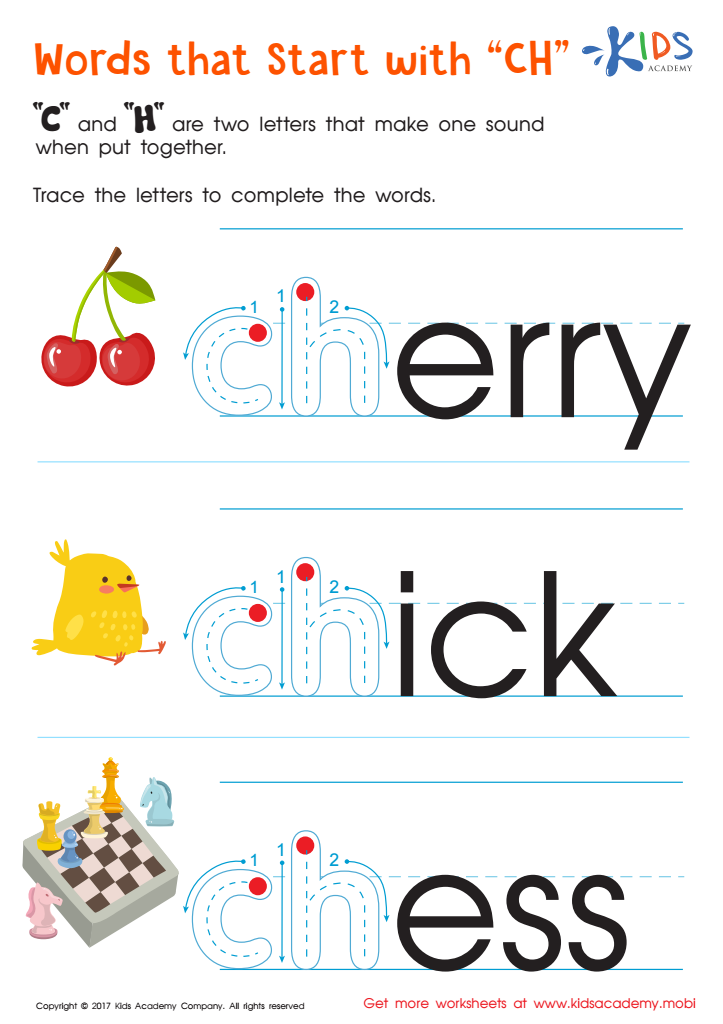
Words That Start with "ch" Spelling Worksheet
 Assign to My Students
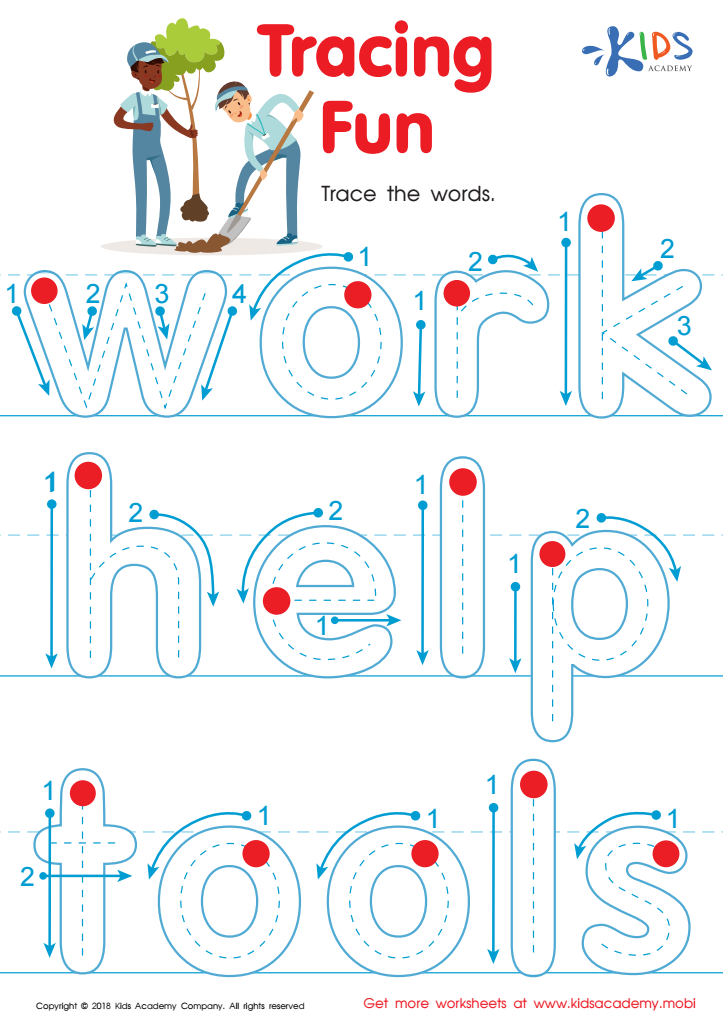
Tracing Fun Worksheet
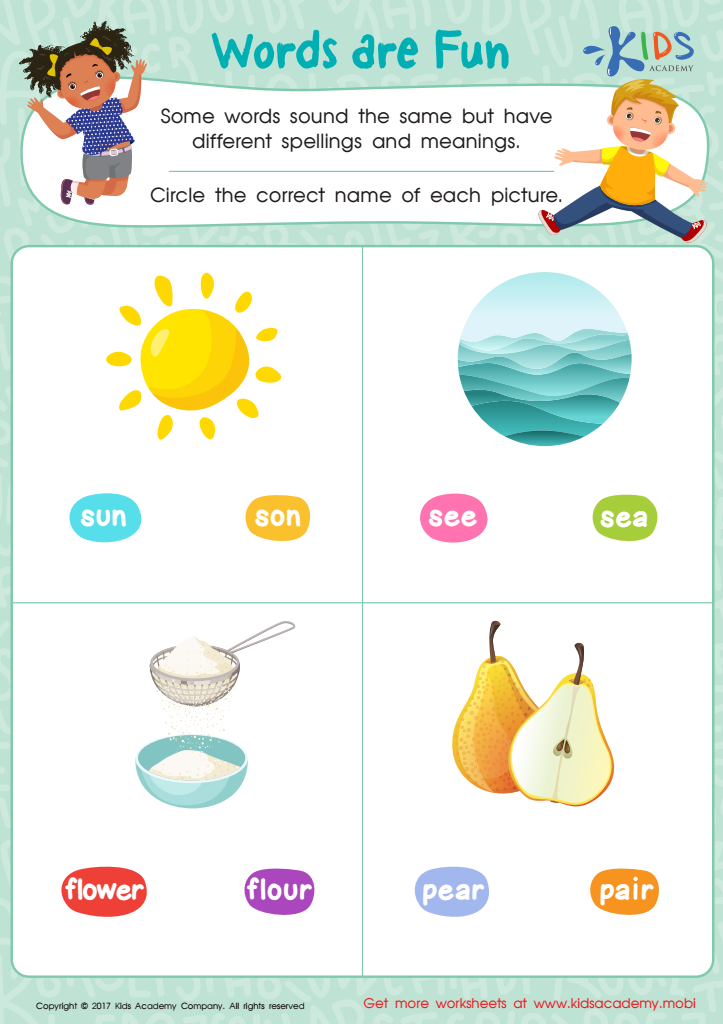
Words Are Fun Worksheet
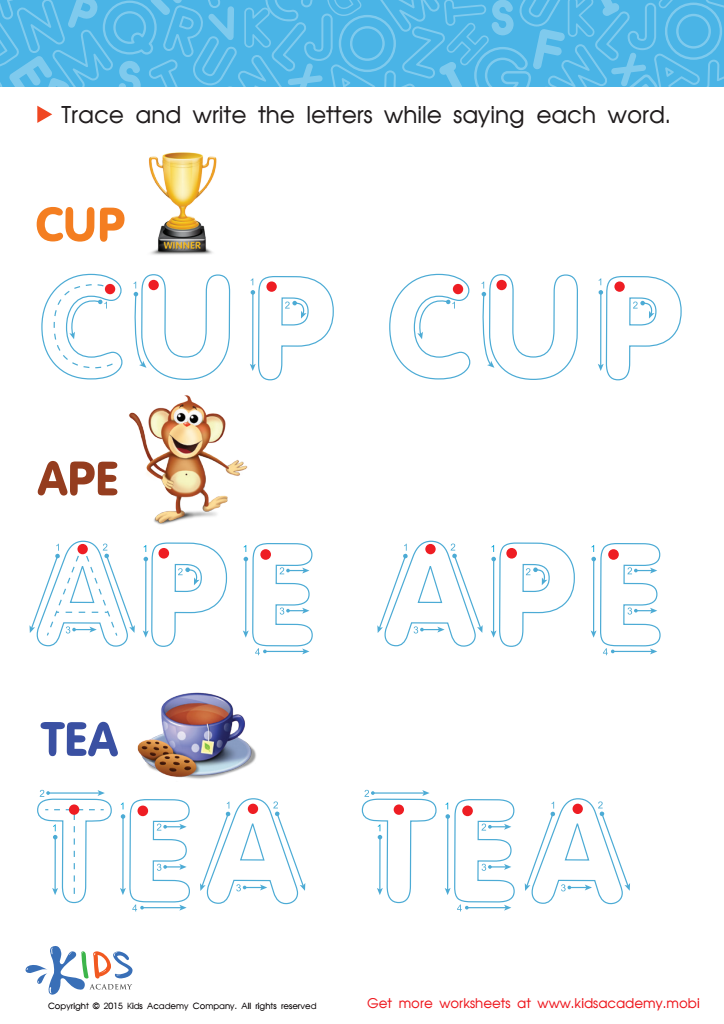
A Cup, an Ape and Tea Spelling Worksheet







Letter recognition and writing are foundational skills for young children aged 3-6, crucial for their development in literacy and overall learning. At this age, children are naturally curious and primed for learning; recognizing letters helps them connect the sounds they hear with written symbols, fostering early reading skills. Mastering this skill lays the groundwork for phonemic awareness, which is essential for decoding words in the future.
Moreover, writing letters enhances fine motor skills as children learn to control their hands, fingers, and eyesight to form shapes and strokes. This not only promotes dexterity but also builds confidence as they see their ability to express themselves grow. Encouraging this practice at home and in the classroom creates a literacy-rich environment, making learning engaging and enjoyable.
Additionally, letter recognition and writing are predictors of academic success. When children enter school with a solid understanding of letters, they are better equipped to tackle reading and writing tasks. Parents and teachers should actively support activities that promote these skills through playful learning, ensuring that children develop healthy attitudes toward literacy that will last a lifetime. Ultimately, fostering early literacy opens doors to communication, creativity, and critical thinking skills essential for lifelong learning.








