Fine motor skills development ABC Letters Worksheets for Ages 3-7
3 filtered results
-
From - To
Enhance your child's fine motor skills with our engaging ABC Letters Worksheets crafted for ages 3-7. Designed to introduce young learners to the alphabet, these printables make learning fun and effective. With a variety of activities, from tracing letters to matching exercises, children will develop essential hand-eye coordination and finger dexterity. Perfect for early education, our worksheets provide a strong foundation for writing and literacy. Parents and educators can use these resources for at-home practice or classroom enrichment. Foster your child’s motor development while making the alphabet journey exciting and rewarding. Download now to start the fun!
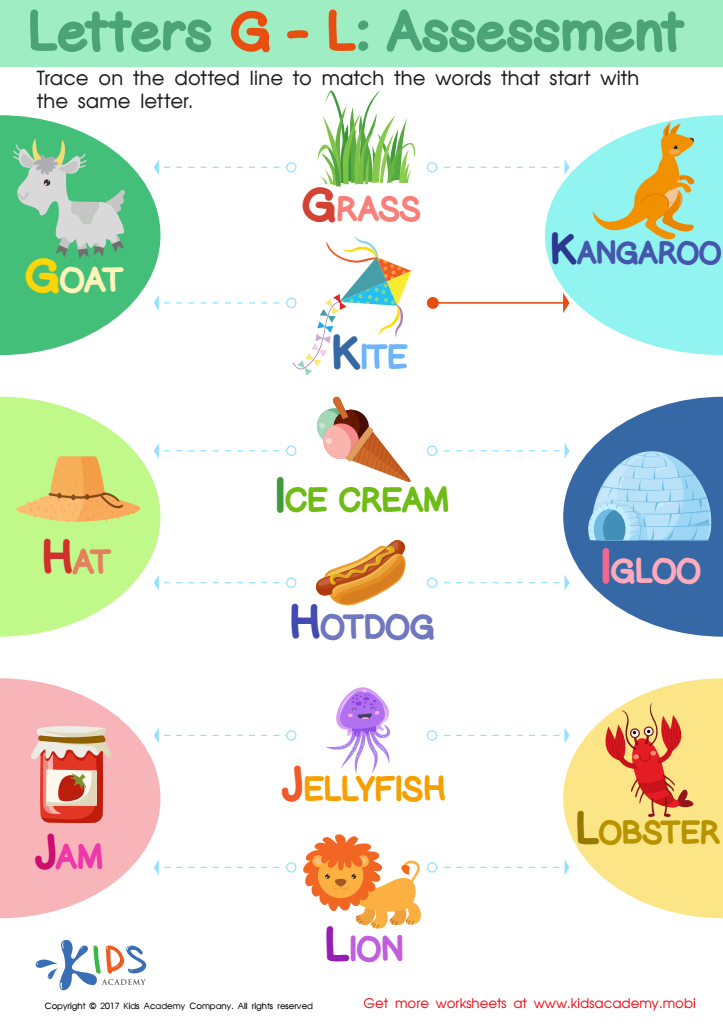
Letters G-L Worksheet










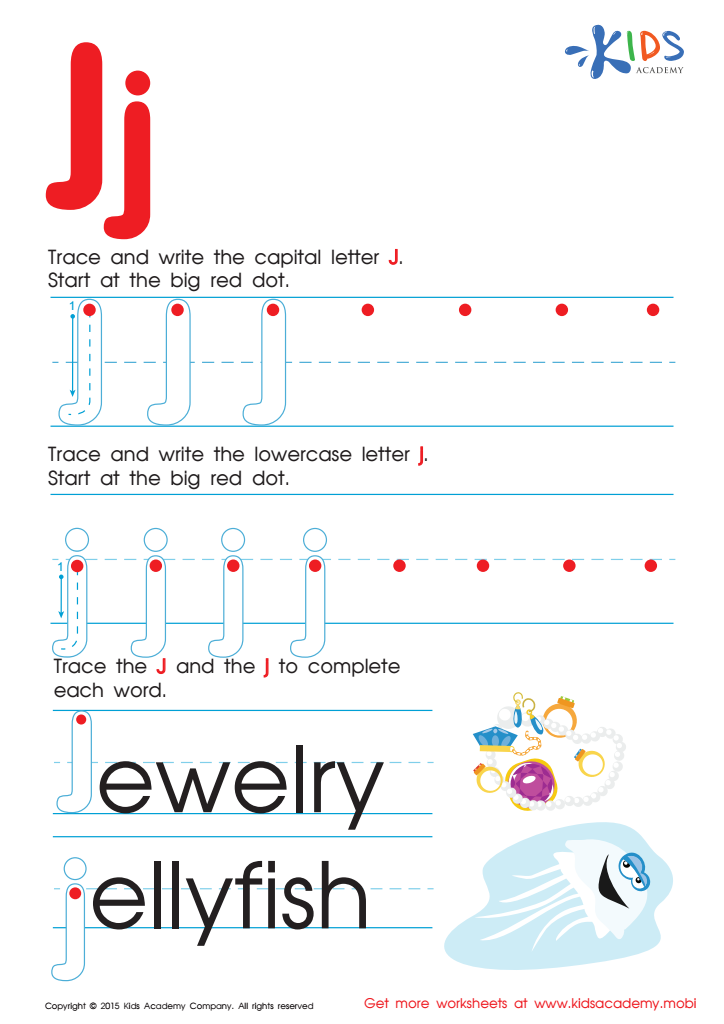
Letter J Tracing Page
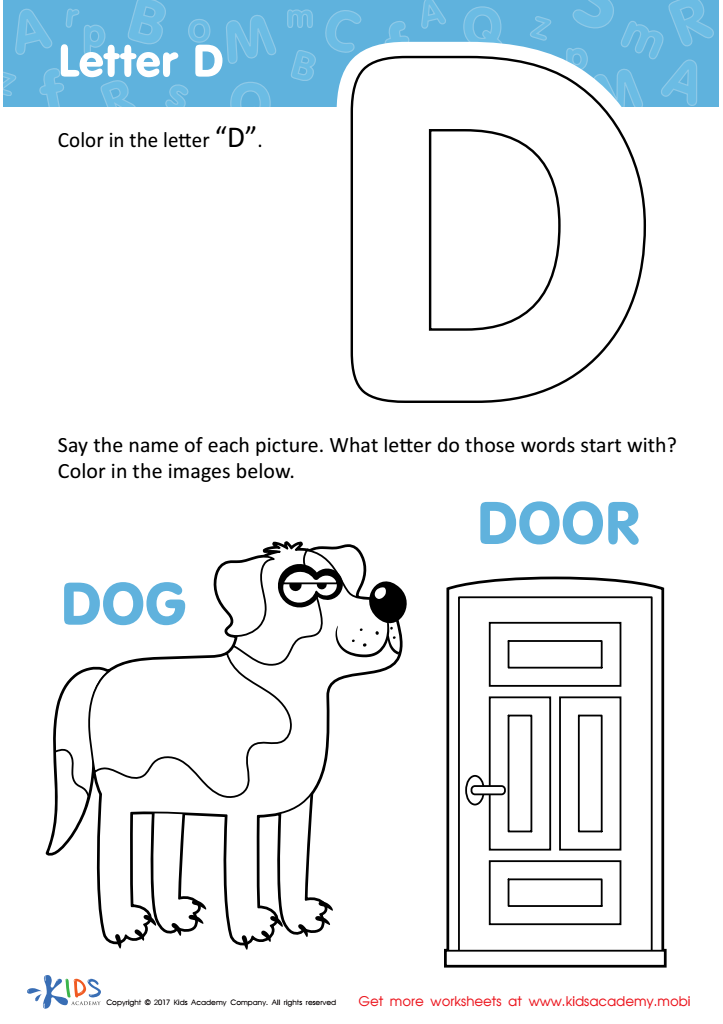
Letter D Coloring Sheet
 Assign to My Students








Fine motor skills are crucial building blocks for a child's overall development, especially in the formative years between ages 3-7. These skills involve the small muscles of the hands and fingers, which are essential for tasks such as writing, buttoning clothes, and using scissors. Developing fine motor skills through activities like ABC letter practice can enhance a child's ability to perform these everyday tasks more independently and efficiently.
Engaging in activities that focus on fine motor skills, like tracing or manipulating alphabet letters, helps children strengthen hand-eye coordination, dexterity, and finger strength. These foundational skills are not only vital for academic success but also for building self-esteem and confidence. For instance, children who can write their names or spell simple words feel a sense of accomplishment which motivates further learning.
Moreover, early letter formation activities lay the groundwork for improved literacy skills. Recognizing and forming letters links directly to reading and writing proficiency. The hands-on experience promotes muscle memory, making it easier for children to transition from recognizing letters to forming words and sentences.
Hence, parents and teachers should emphasize fine motor skill development during these key years. This focus supports academic learning, daily functioning, and fosters holistic growth, giving children a strong start on their educational journey.







