Alphabetical understanding Alphabet Worksheets for Ages 3-7
3 filtered results
-
From - To
Enhance your child’s alphabetical understanding with our engaging Alphabet Worksheets designed for ages 3-7! These printable resources help young learners master letter recognition and sequencing through fun activities tailored to their developmental needs. Our worksheets promote essential early literacy skills, combining visual, auditory, and kinesthetic learning approaches to captivate your child's attention. With colorful illustrations and interactive exercises, your little ones will grasp the foundations of the alphabet in no time! Perfect for parents and educators alike, these worksheets make learning enjoyable and effective. Start your child's journey to literacy today with our Alphabetical Understanding worksheets!
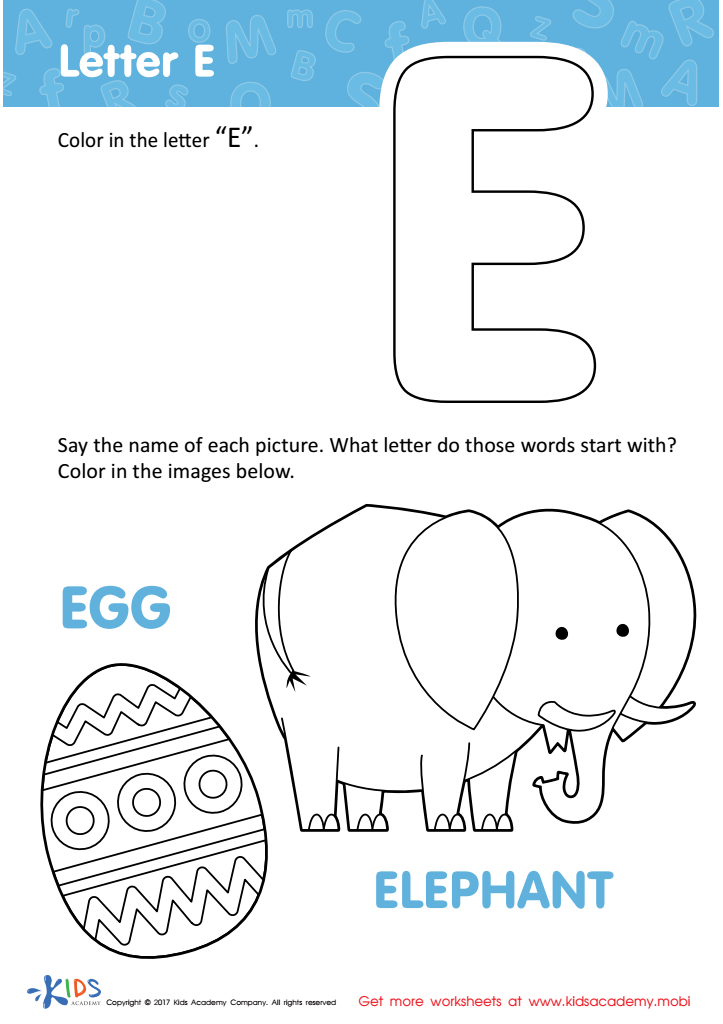
Letter E Coloring Sheet
 Assign to My Students
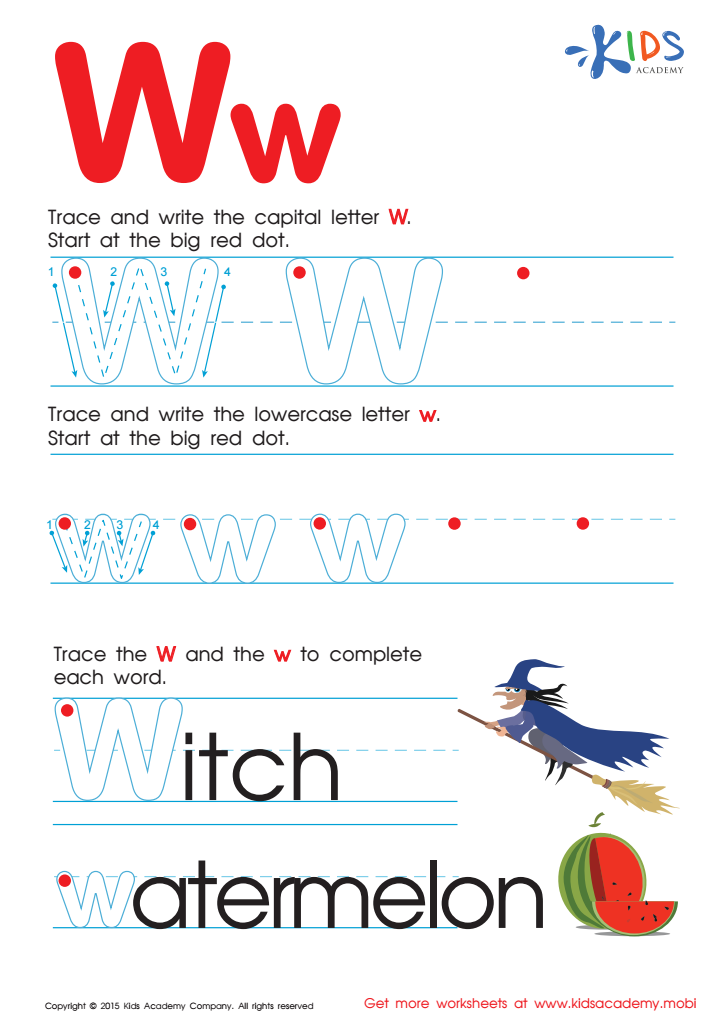
Letter W Tracing Page
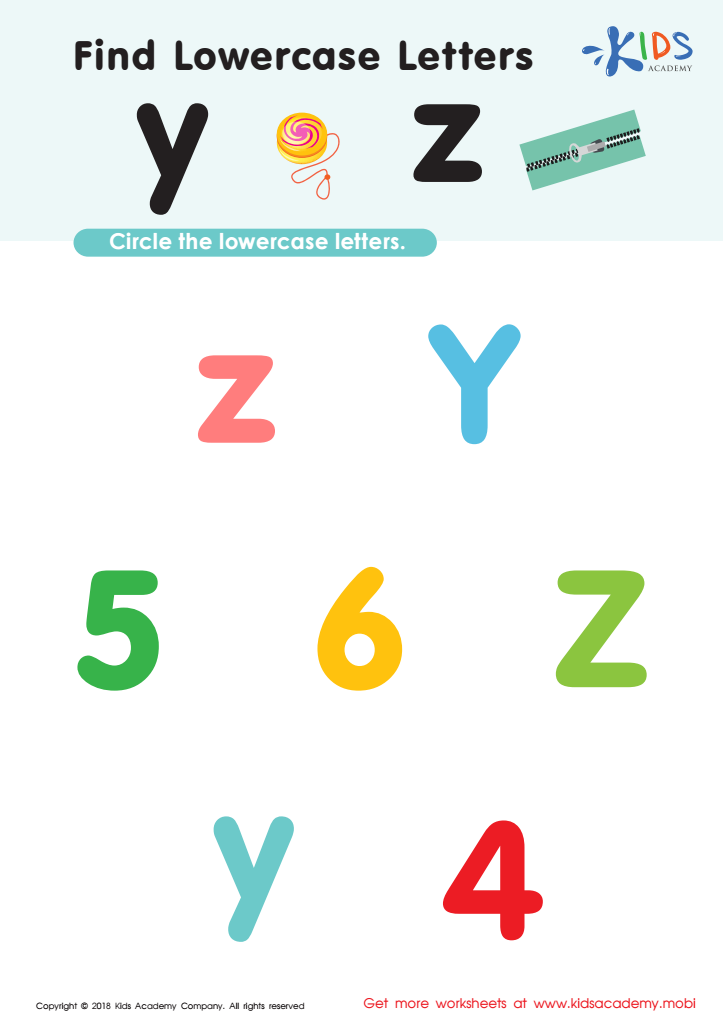
Find Lowercase Letters y z Worksheet





Alphabetical understanding is crucial for children aged 3-7, laying the foundation for reading and writing skills. During these formative years, children begin to recognize letters and their corresponding sounds, enabling them to decode words. This understanding is essential for developing literacy; early phonics skills correlate strongly with future reading success.
Parents and teachers who prioritize alphabetical understanding can create a rich learning environment that promotes literacy development. Engaging activities, such as singing the alphabet song, playing letter recognition games, and incorporating books and storytelling, can make learning fun and interactive. This helps children build confidence in their reading abilities and fosters a love for literature.
Moreover, early alphabetical familiarity aids in vocabulary development and comprehension skills. When children can identify and manipulate letters, they become more proficient in spelling and writing. Additionally, as they become well-versed in the alphabet, they are better equipped to navigate their learning journeys in the classroom.
Ultimately, nurturing alphabetical understanding supports cognitive development, enhances communication skills, and prepares children for academic success. A strong foundation in recognizing letters and their sounds is vital for today’s learners, ensuring they become competent readers and effective communicators in the future.







