Memory improvement Alphabet Worksheets for Ages 3-7
3 filtered results
-
From - To
Enhance your child's memory and learning skills with our engaging Memory Improvement Alphabet Worksheets, designed specifically for ages 3-7. These fun and colorful worksheets make mastering the alphabet an exciting adventure, helping young learners strengthen their memory retention through interactive activities. Each worksheet features playful exercises that encourage children to recognize letters, recall sounds, and develop critical thinking skills. Ideal for homeschooling or classroom use, our worksheets provide a structured yet enjoyable way for kids to practice memory improvement while laying the foundation for a love of learning. Support your child's educational journey today with our inviting memory enhancement resources!
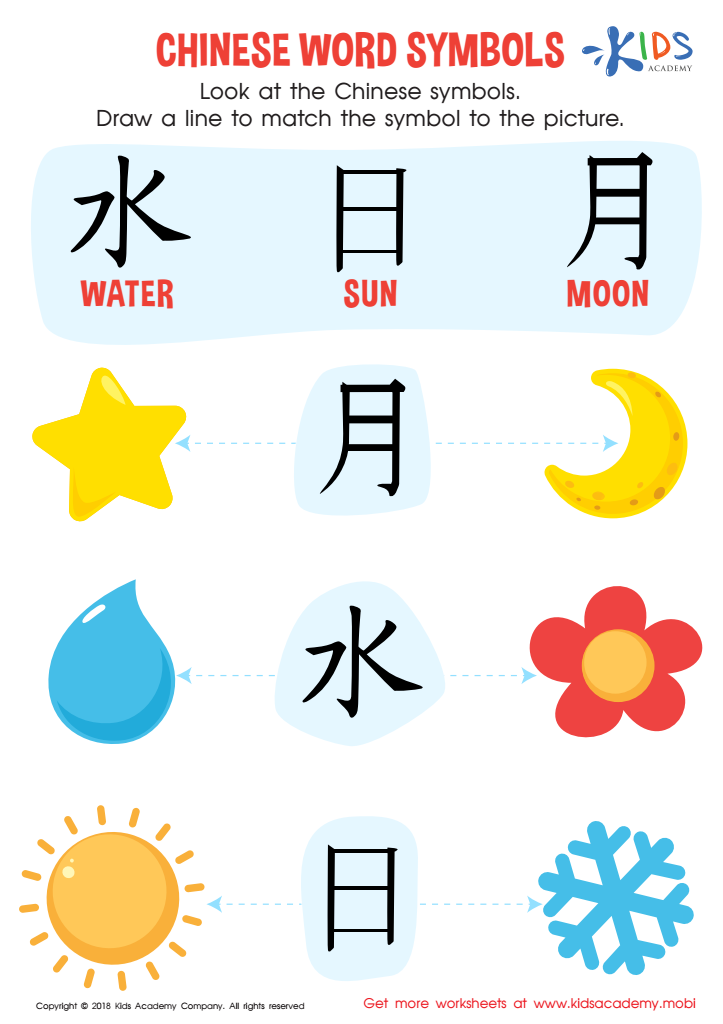
Chinese Word Symbols Worksheet
 Assign to My Students
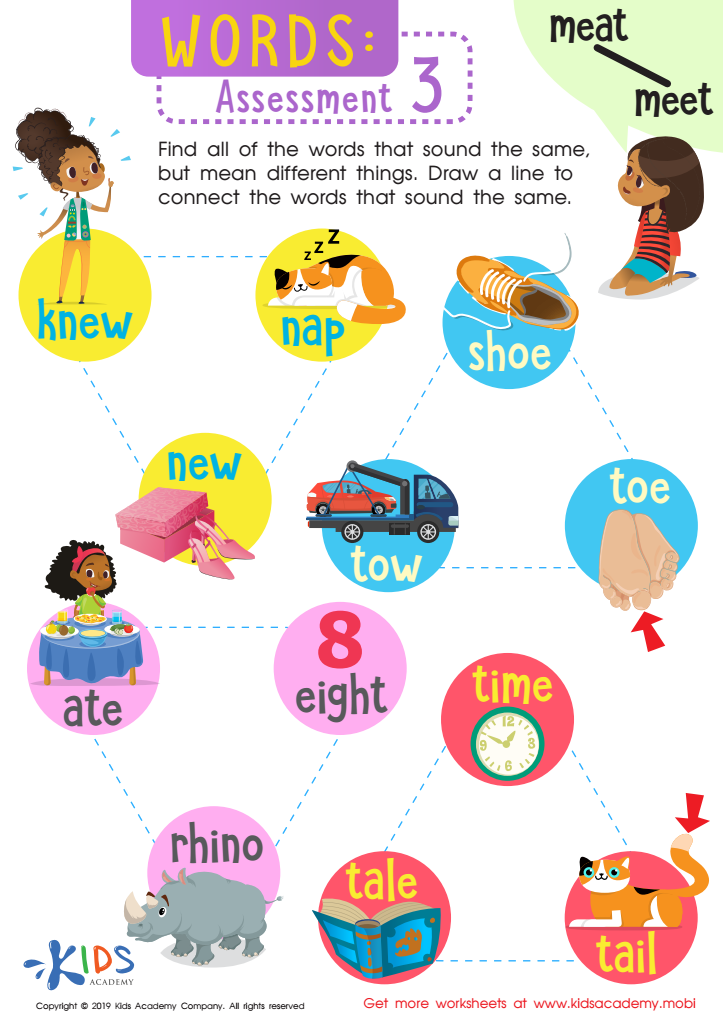
Words: Asessment 3 Worksheet
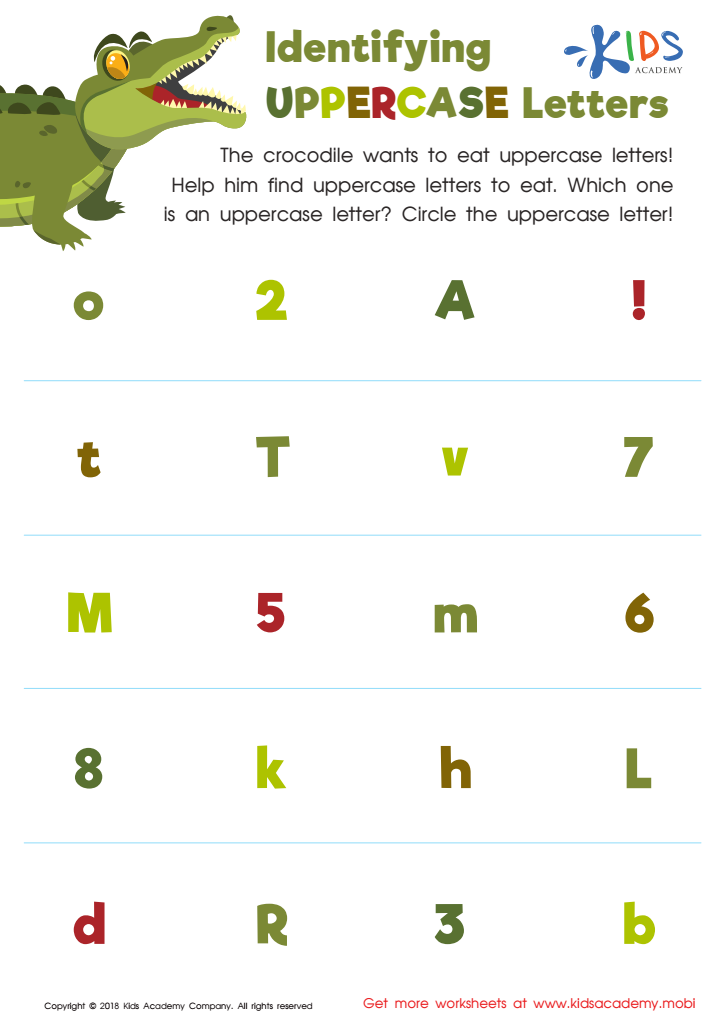
Identifying Uppercase Letters Worksheet






.jpg)

Parents and teachers should care about the Memory Improvement Alphabet for ages 3-7 because these early years are crucial for cognitive development. During this time, children are not only absorbing information but also forming foundational skills that will support their lifelong learning. Memory improvement techniques can enhance a child’s ability to retain information, which is vital for academic success.
The Memory Improvement Alphabet provides a fun, engaging way for young learners to enhance their memory through play and creativity. By using simple, thematic associations linked to letters and images, children can develop mnemonic devices that make learning more accessible and enjoyable. This approach fosters critical thinking and strengthens neural pathways, contributing to better comprehension and problem-solving skills.
Moreover, improved memory can build a child's confidence. When they better understand and remember what they've learned, they’re more likely to participate actively in classroom activities. This boosts their self-esteem and motivates them to explore more.
Incorporating memory techniques early in education cultivates a love for learning and equips children with essential skills that extend beyond school, preparing them for future academic and life challenges. By investing in these memory strategies now, parents and teachers can sow the seeds for a brighter, more productive future for their children.







