Phonics development Alphabet Worksheets for Ages 3-7
5 filtered results
-
From - To
Welcome to our Phonics Development Alphabet Worksheets for Ages 3-7! These engaging, interactive worksheets are designed to help young learners build essential phonics skills. Perfect for preschool and early elementary students, our resources focus on letter recognition, sound association, and word formation. Each worksheet encourages fun learning through captivating activities that promote reading readiness. From tracing letters to matching sounds with images, kids will enhance their understanding of the alphabet while developing literacy skills. Explore our collection to support your child's phonics journey and foster a love for reading. Check out our worksheets and watch your child thrive!
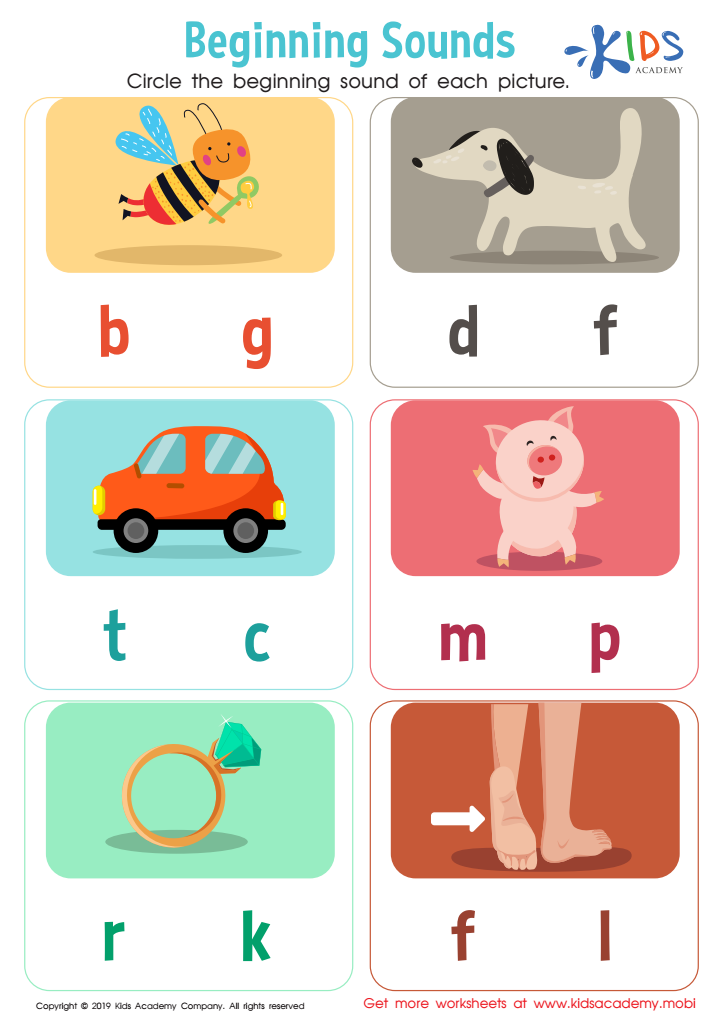
Beginning Sounds Worksheet
 Assign to My Students
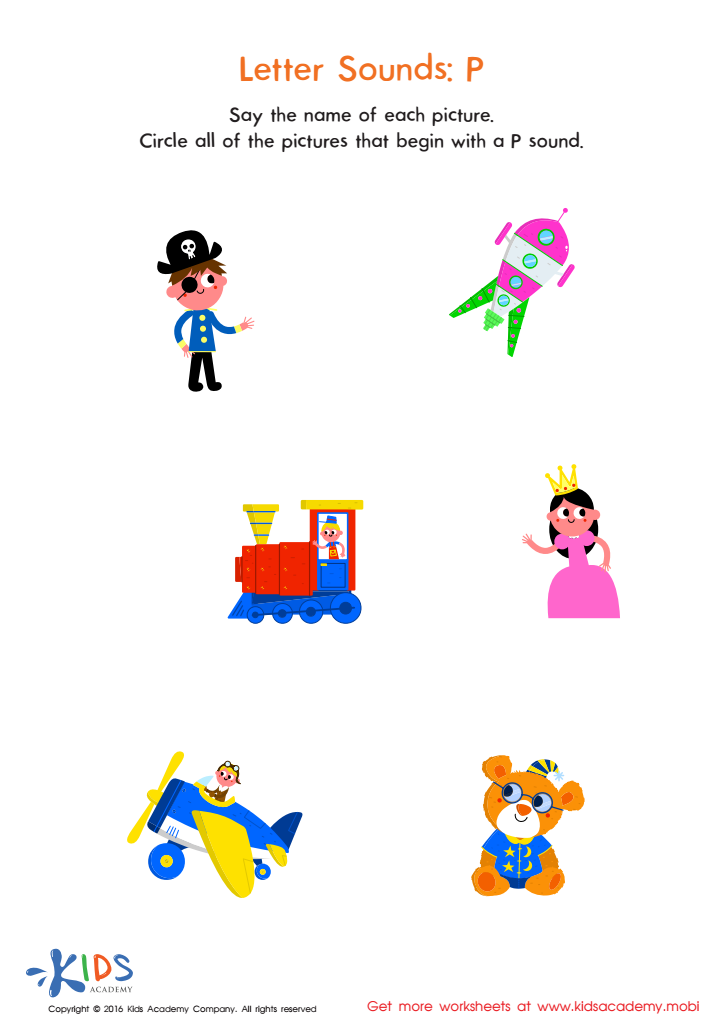
Letter P Sound Worksheet
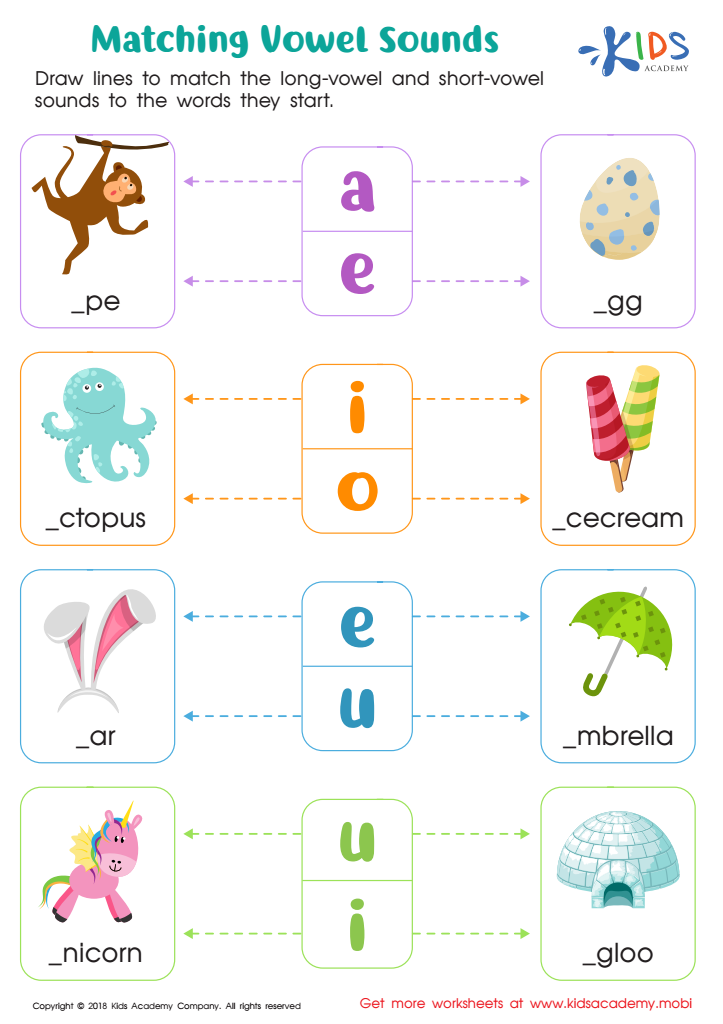
Matching Vowel Sounds Worksheet
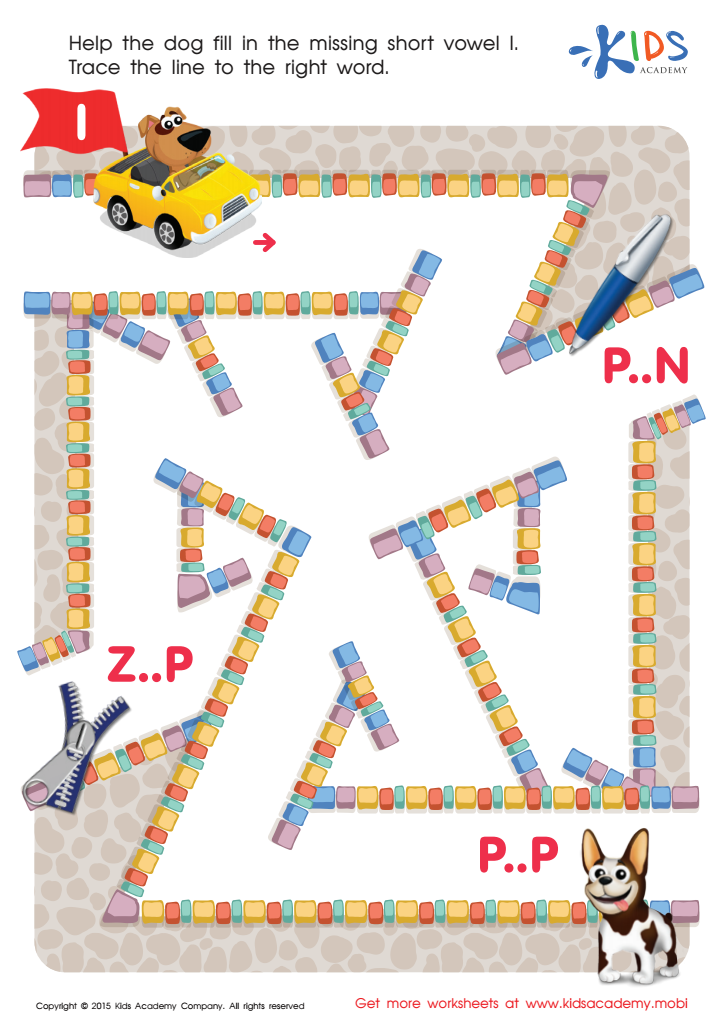
Short Vowel Sound I Worksheet
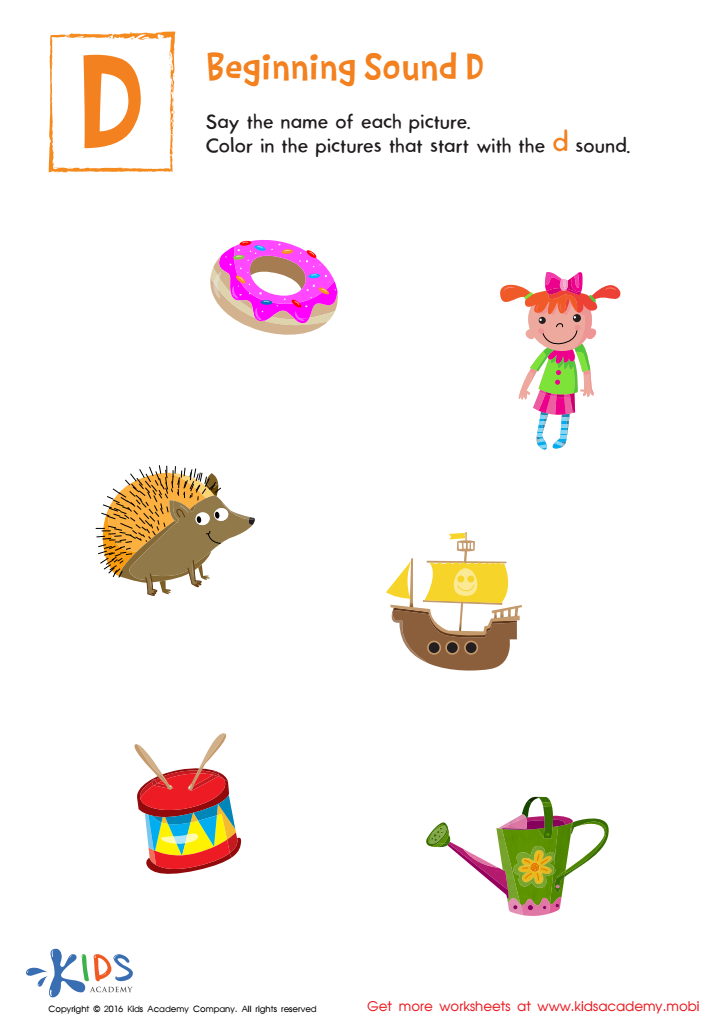
Beginning Sound D Worksheet








Parents and teachers play a crucial role in phonics development for children aged 3-7, as this foundational skill is essential for reading success. Phonics helps children understand the relationship between letters and their sounds, forming the basis for decoding words. Early literacy skills lead to increased reading fluency, comprehension, and a greater love for reading, which can impact academic performance across all subjects.
Engaging with phonics at this age fosters cognitive development and helps enhance language skills, equipping children with the tools to express themselves and communicate effectively. Moreover, phonics instruction can identify and address learning difficulties early, paving the way for timely interventions.
Additionally, when parents and teachers collaboratively support phonics development, they empower children to take ownership of their learning, promoting confidence and independence. Using playful, engaging methods—like songs, games, and storytelling—can make learning phonics enjoyable, increasing motivation and fostering a positive attitude toward reading.
Investing in phonics development in these formative years not only builds essential literacy skills but also nurtures a lifelong love for reading and learning. Ultimately, understanding its importance equips parents and teachers to create supportive environments that champion children’s literacy journeys.







