Problem-Solving Skills Alphabet Worksheets for Ages 3-7
7 filtered results
-
From - To
Unlock your child's potential with our engaging "Problem-Solving Skills Alphabet Worksheets" designed for ages 3-7! These worksheets combine letter learning with fun problem-solving activities that nurture critical thinking and creativity. Each page introduces children to the alphabet while encouraging them to navigate challenges, enhancing both their literacy and reasoning skills. Ideal for preschoolers and early learners, these worksheets foster independent learning and exploration in a playful way. With colorful illustrations and age-appropriate tasks, your child will enjoy building essential problem-solving skills while mastering their ABCs. Bring learning to life and watch your child's confidence soar with each completed activity!
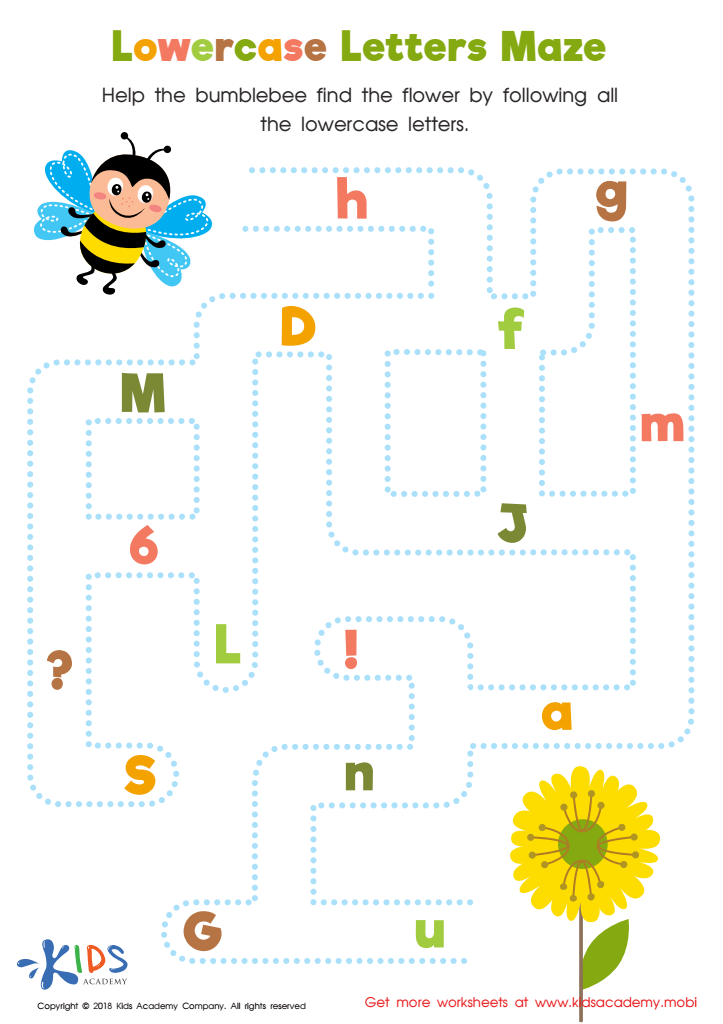
Lowercase Letters Maze Worksheet
 Assign to My Students
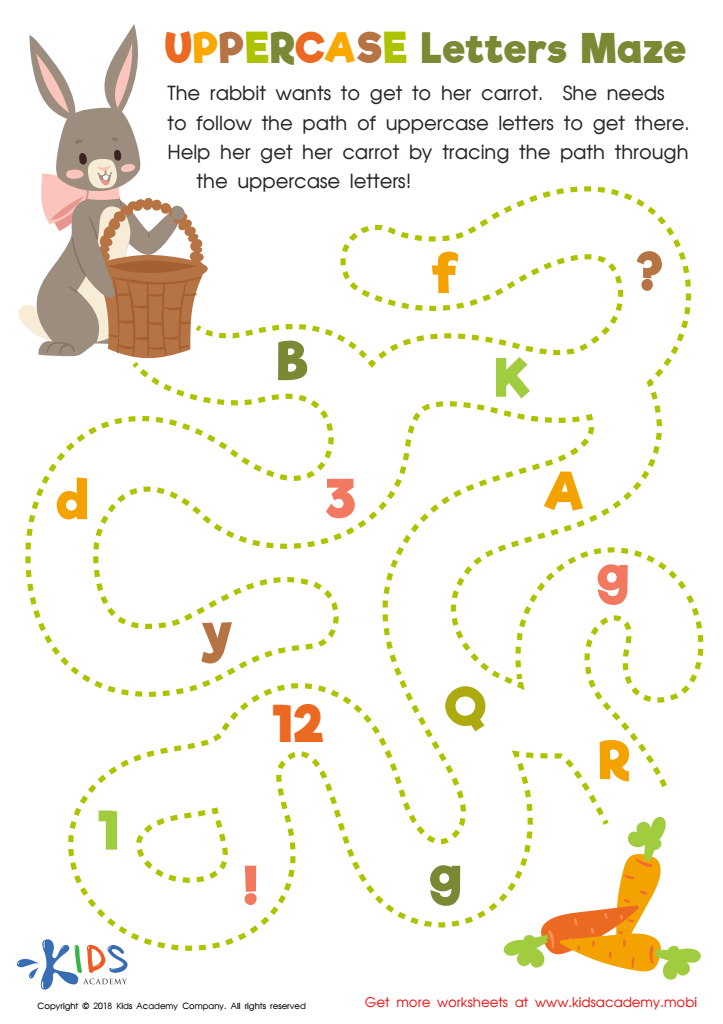
Uppercase Letters Maze Worksheet
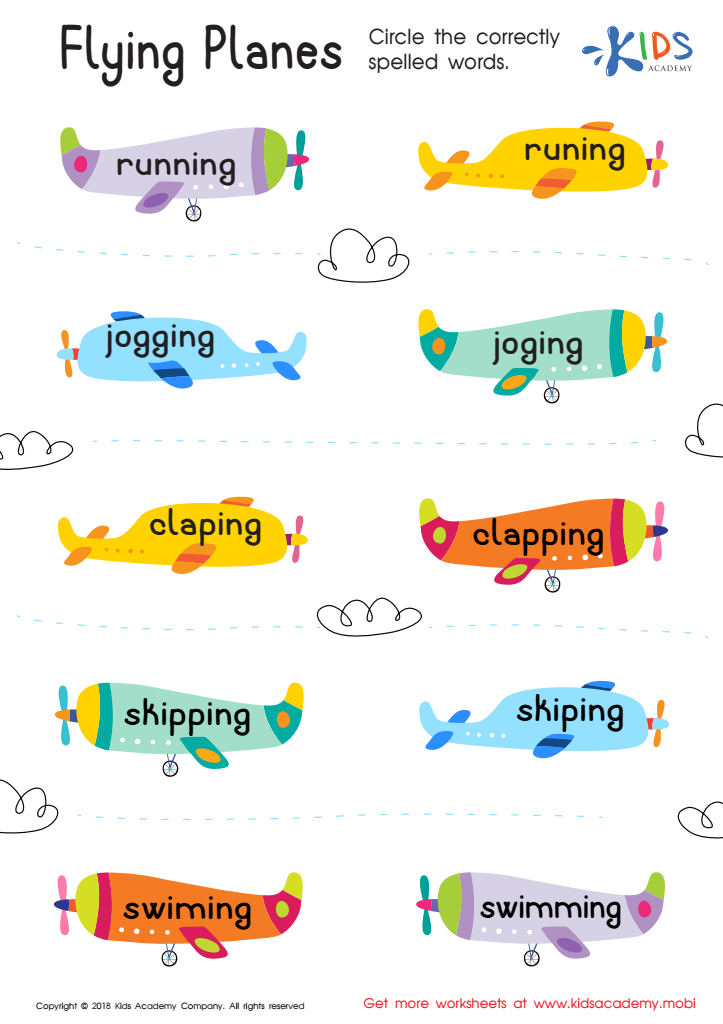
Flying Planes Worksheet
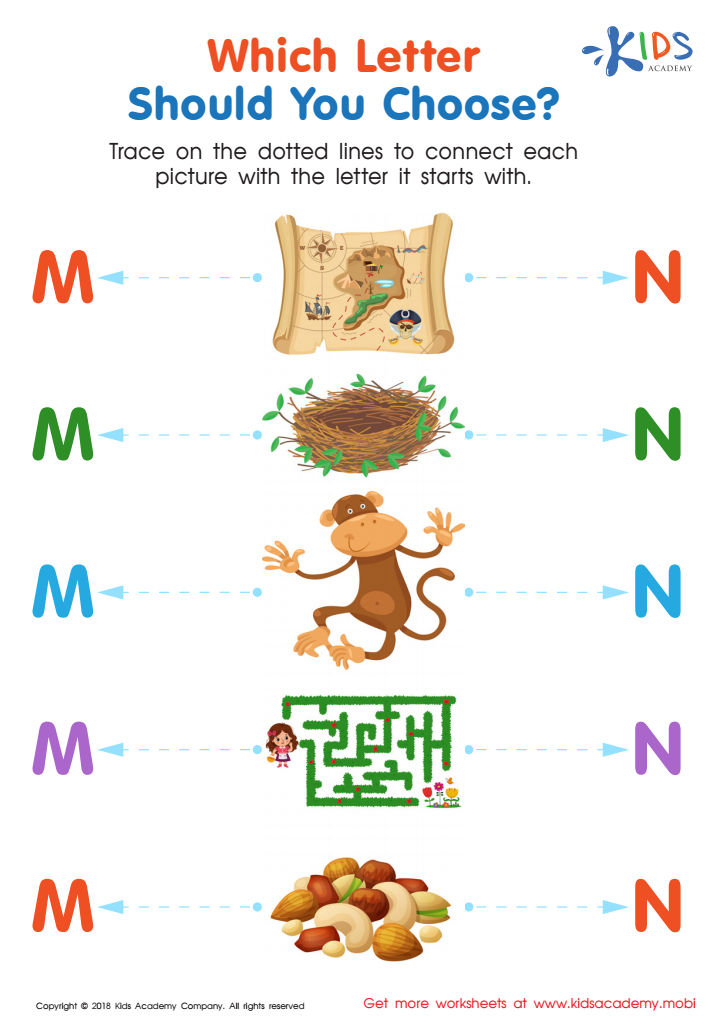
Which Letter Should you Choose? Worksheet
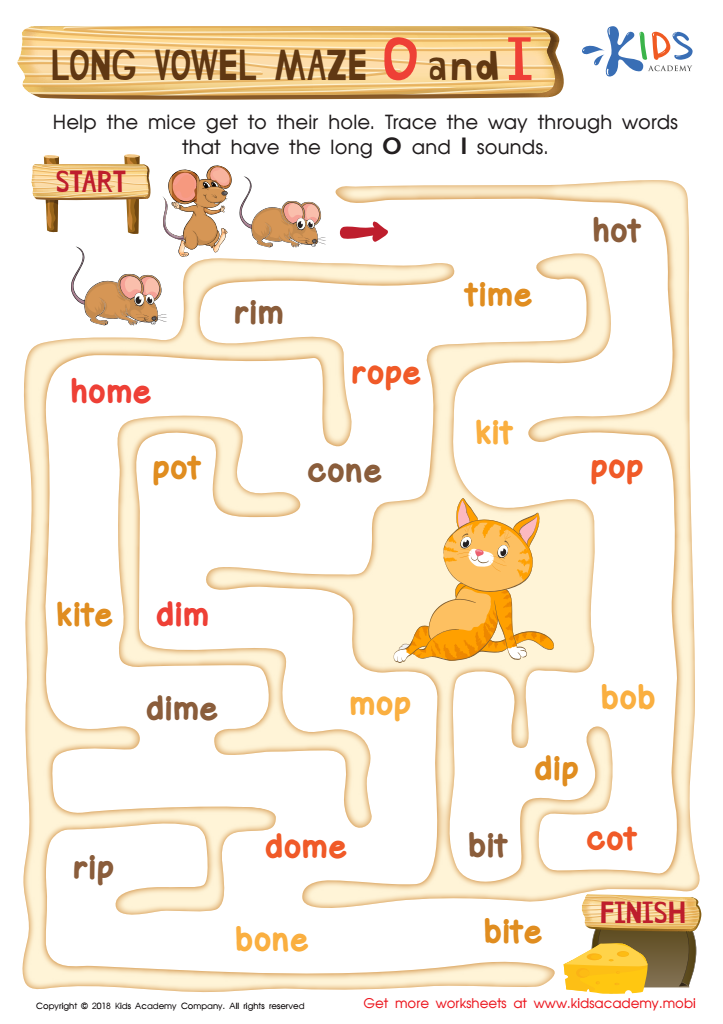
Long Vowel Maze /o/ and /i/ Worksheet
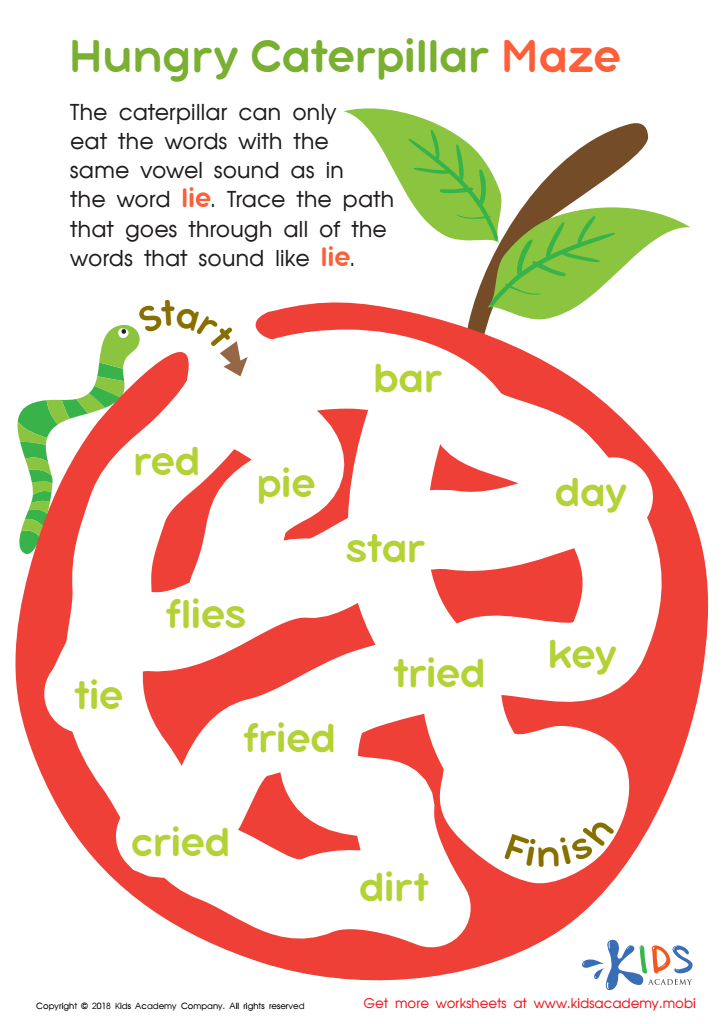
Hungry Caterpillar Maze Worksheet
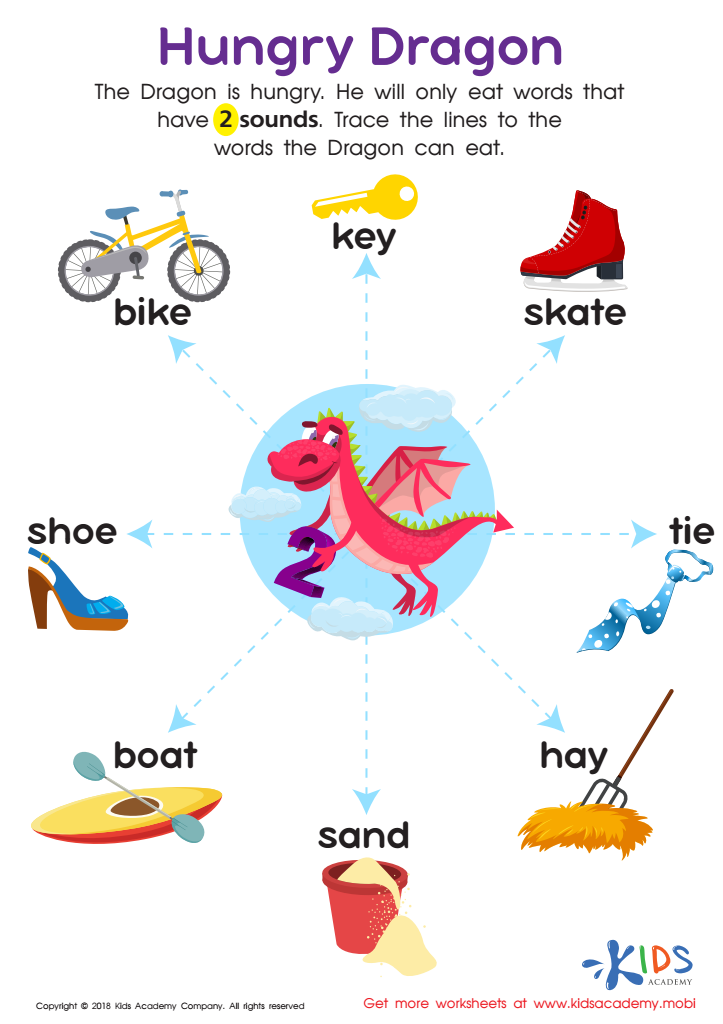
Hungry Dragon Worksheet







Problem-solving skills are foundational for children, especially from ages 3 to 7, as they navigate their early learning and social environments. The Problem-Solving Skills Alphabet helps parents and teachers cultivate these essential abilities in young learners by promoting critical thinking, creativity, and perseverance.
At this developmental stage, children are naturally curious and eager to explore. Teaching them problem-solving techniques encourages independence and fosters a growth mindset, which is vital for future academic and life challenges. By engaging with the Problem-Solving Skills Alphabet, caregivers can introduce concepts like "Ask Questions" (A), "Brainstorm Ideas" (B), and "Try Again" (T). This approach makes learning interactive and enjoyable while equipping children with strategies to tackle obstacles they encounter in everyday life.
Furthermore, these skills contribute to emotional intelligence. When children learn to express challenges and seek solutions collaboratively, they develop social skills and empathy, enhancing their relationships with peers and adults. Investing in problem-solving education during this critical age set lays the groundwork for successful decision-making and resilience, enabling children to thrive in various situations as they grow. Therefore, parents and teachers must prioritize this vital aspect of early development for a well-rounded, proactive future generation.







