Fine Motor Skills Letter Recognition Worksheets for Ages 3-7 - Page 3
63 filtered results
-
From - To
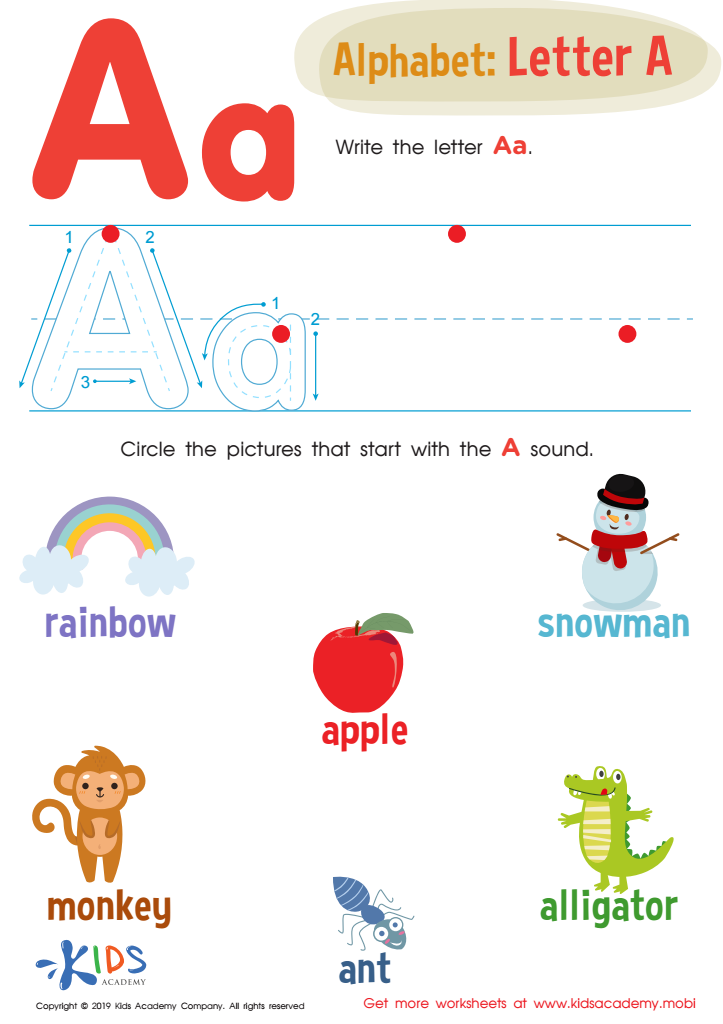
Letter A Tracing Worksheet
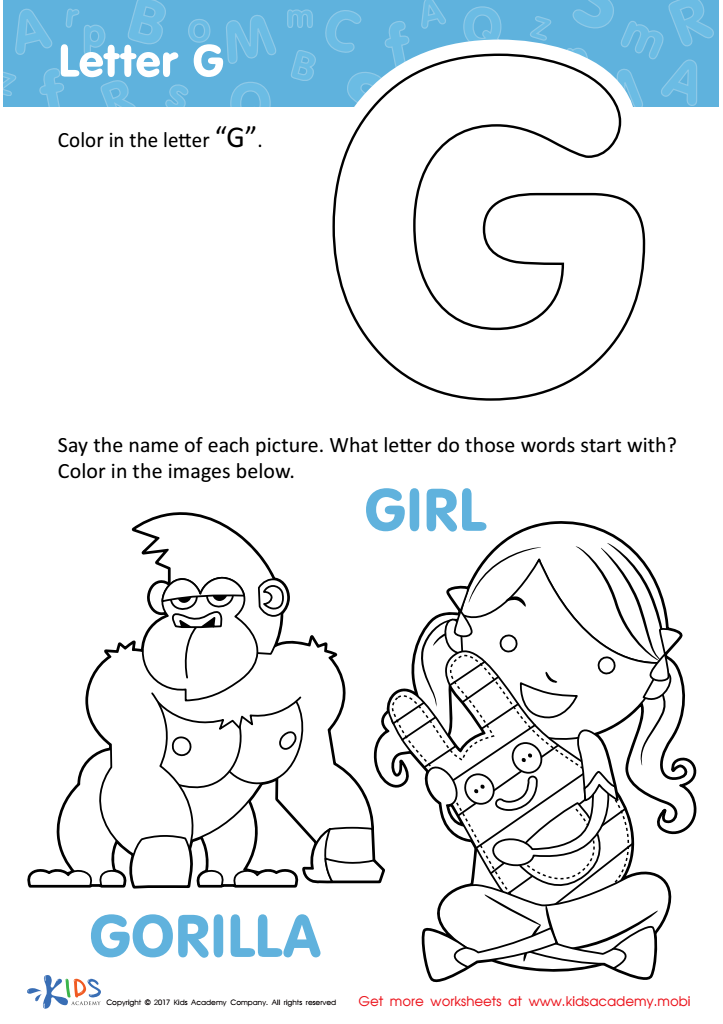
Letter G Coloring Sheet
 Assign to My Students
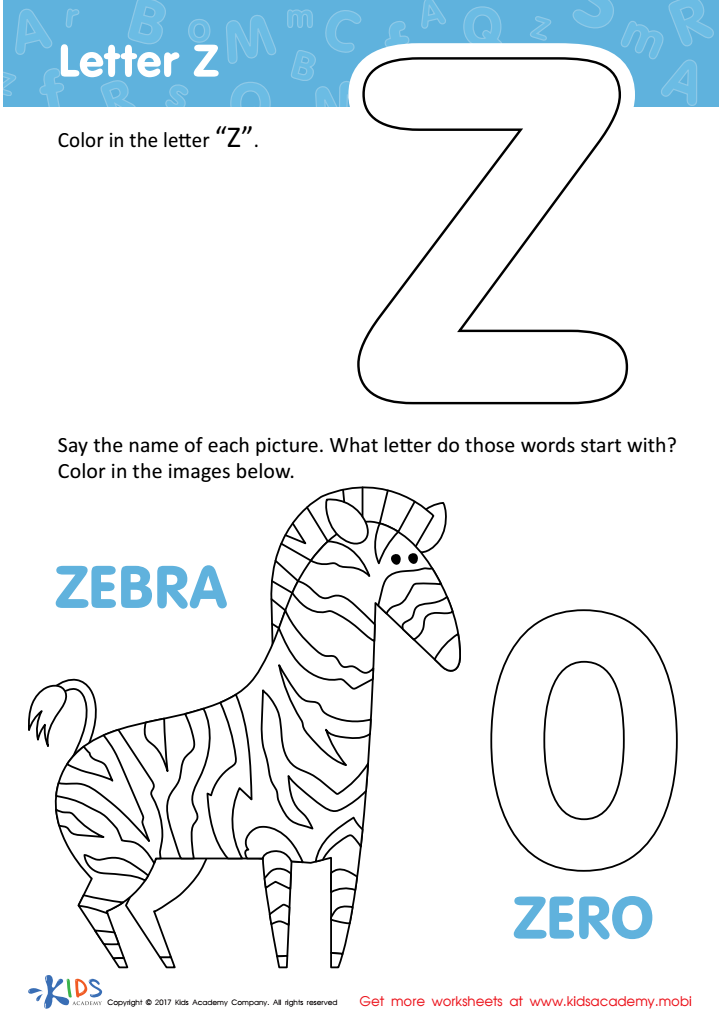
Letter Z Coloring Sheet
Assign to My Students
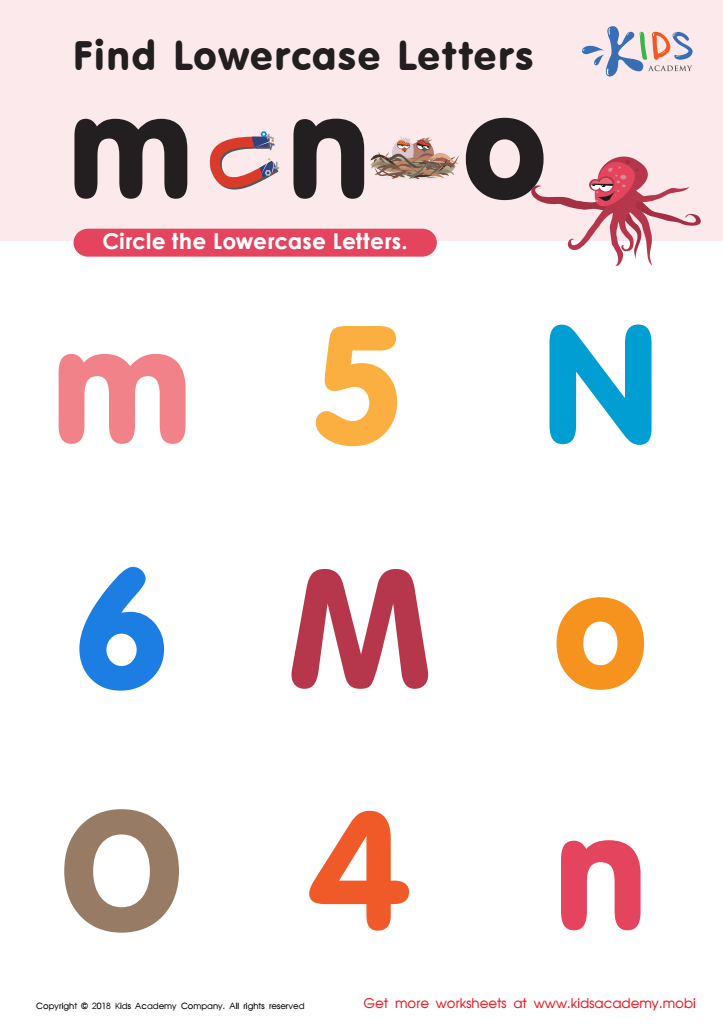
Find Lowercase Letters m n o Worksheet
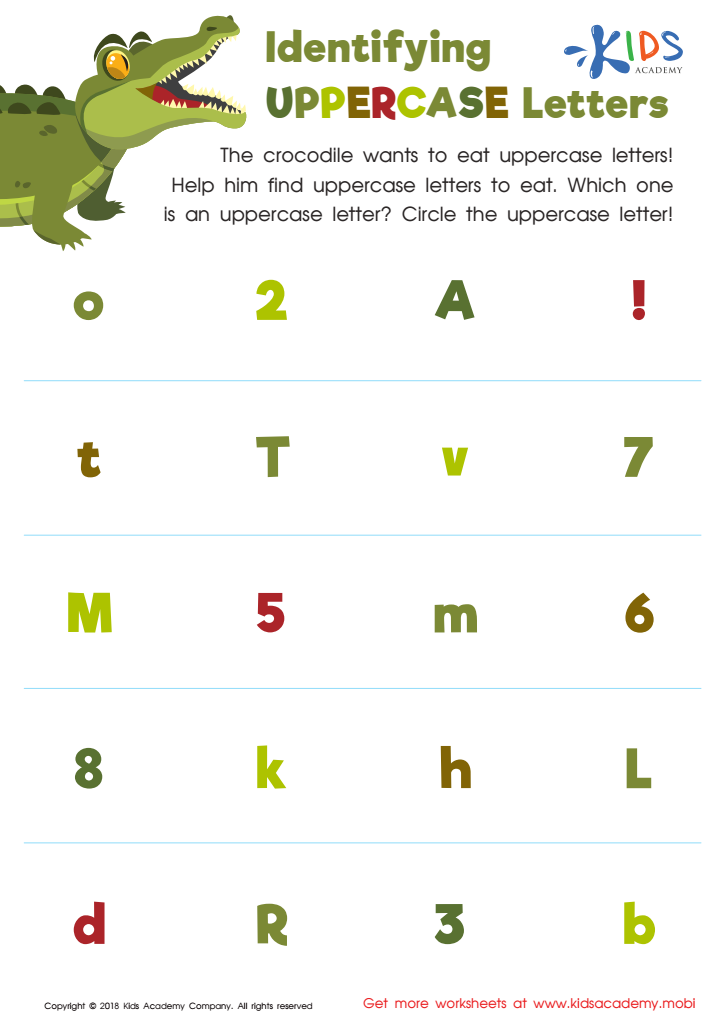
Identifying Uppercase Letters Worksheet
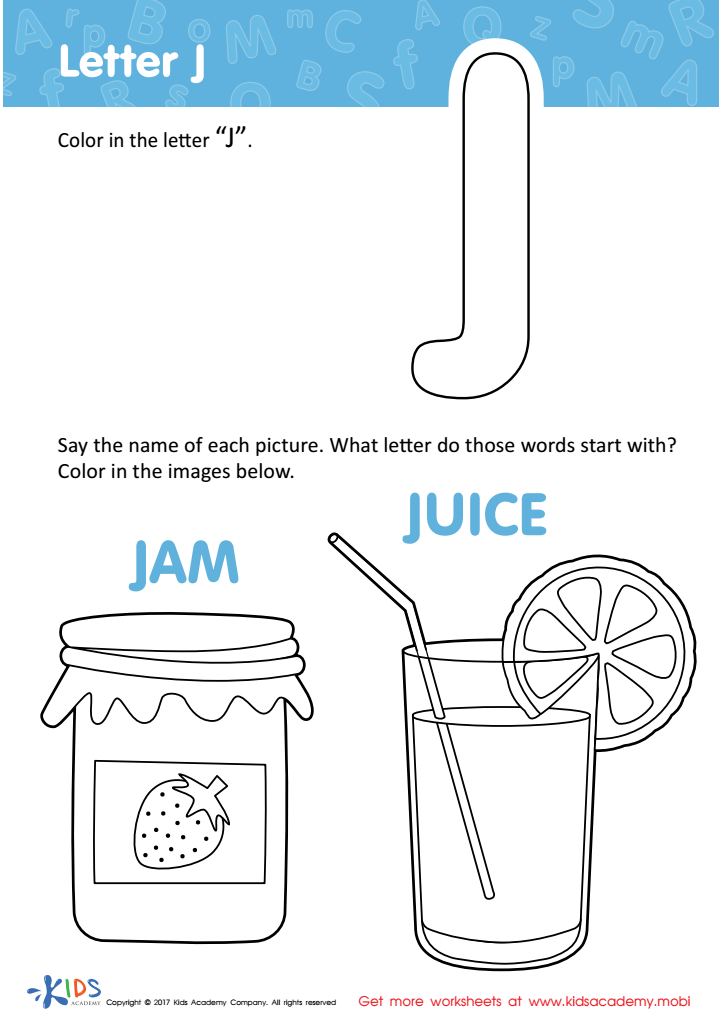
Letter J Coloring Sheet
Assign to My Students
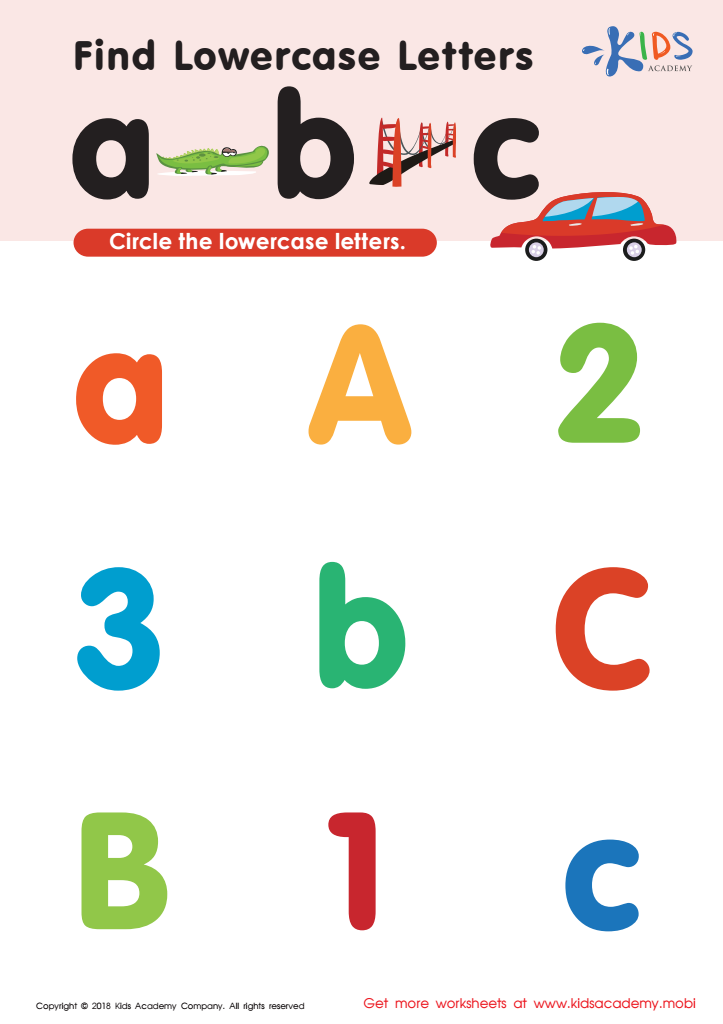
Find lowercase letters a b c Worksheet
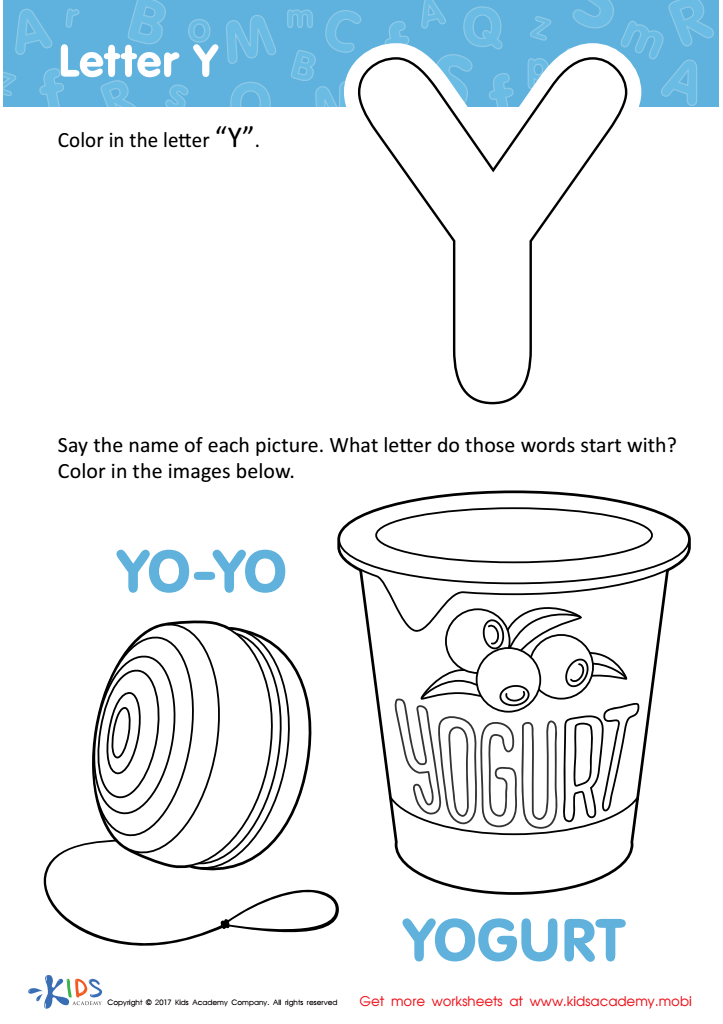
Letter Y Coloring Sheet
Assign to My Students
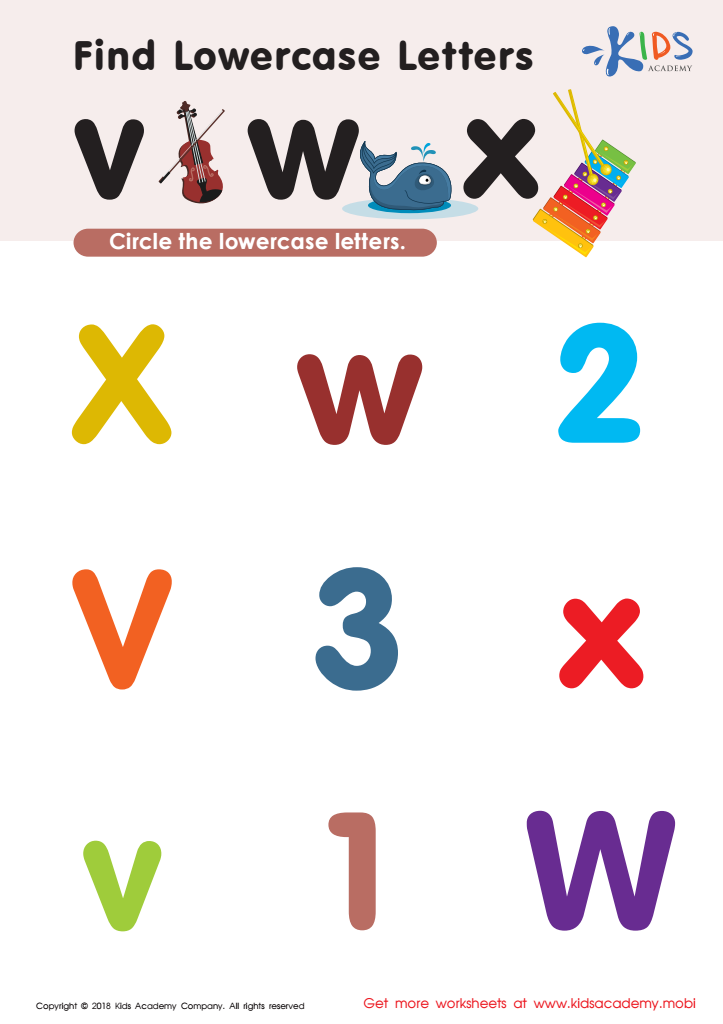
Find Lowercase Letters v w x Worksheet

Letter F Tracing Page
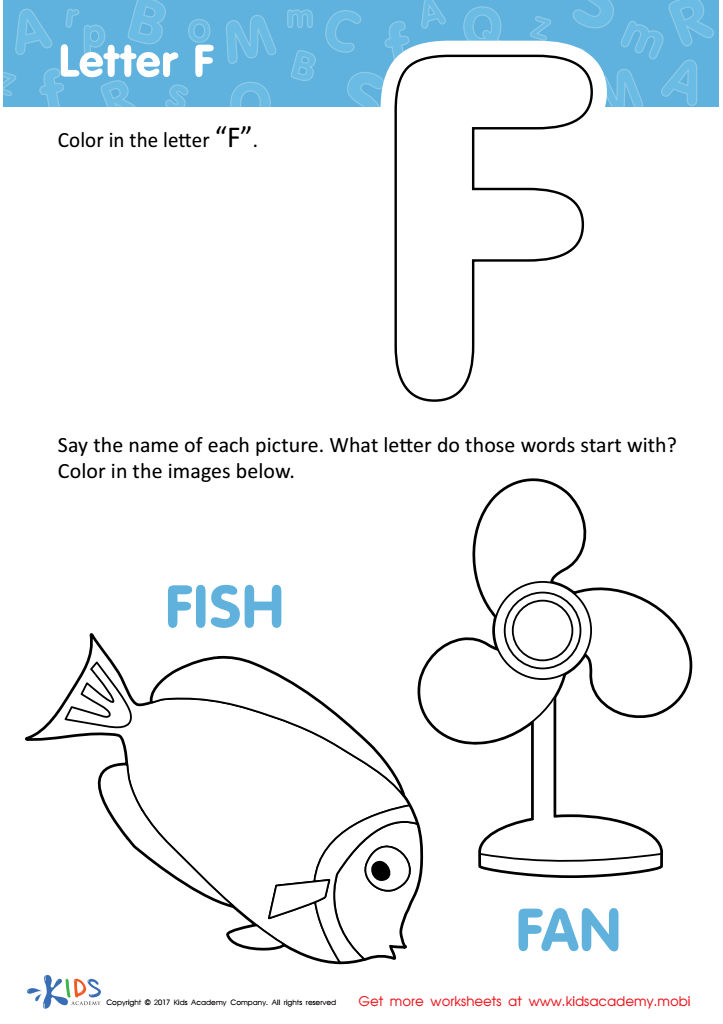
Letter F Coloring Sheet
Assign to My Students

Letter T Tracing Page

Letter N Coloring Sheet
Assign to My Students

Letter D Tracing Page
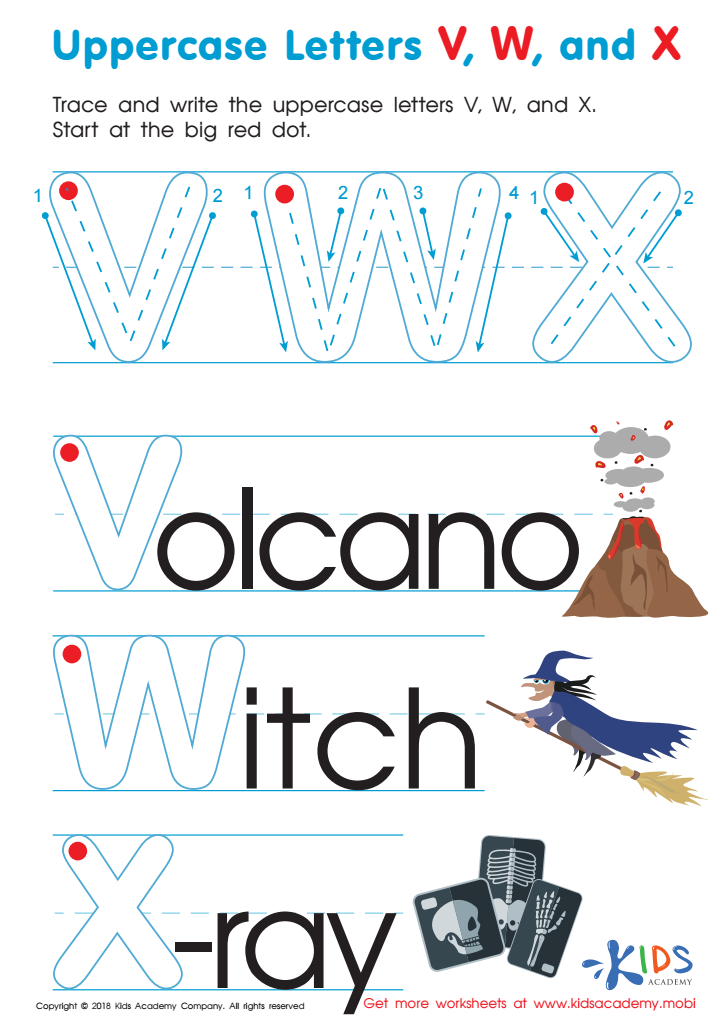
Uppercase Letters V, W, and X Worksheet








Fine motor skills and letter recognition are foundational elements in a child’s early development, particularly for ages 3-7. Fine motor skills involve the precise movements of the hands and fingers, which are crucial for tasks like writing, cutting, and buttoning. Developing these skills early prepares children for more complex activities, building their confidence and independence.
Simultaneously, recognizing letters is a key step in the literacy process. It serves as the groundwork for reading and writing, both essential for academic success. By the age of seven, children who have solid letter recognition can sound out words more easily, helping them become proficient readers and effective communicators.
Integrating fine motor skills with letter recognition accelerates this readiness. Activities like tracing letters, manipulating clay to form shapes, and using scissors to cut out alphabet pieces strengthen the small muscles in the hands, while simultaneously reinforcing the familiarity and recall of letters. When parents and teachers focus on these intertwined skills, they offer a dual benefit: enhancing physical dexterity and embedding essential knowledge. Ignoring these aspects could result in delays in essential skills, hindering a child’s early academic and social development. Thus, attention to fine motor skills and letter recognition is pivotal in setting a strong cornerstone for lifelong learning and success.







