Hand-eye Coordination Letter Recognition Worksheets for Ages 3-7
10 filtered results
-
From - To
Unlock your child’s potential with our Hand-Eye Coordination Letter Recognition Worksheets, designed for kids ages 3-7! These expert-crafted activities enhance early literacy by combining fun letter recognition exercises with crucial hand-eye coordination practice. Each worksheet features engaging tasks that help children identify letters while developing motor skills essential for writing. Perfect for classroom use or at-home learning, our worksheets make early education enjoyable and effective. Foster a love for learning and build a strong foundation for future academic success with our dynamic and interactive resources. Explore now and watch your child thrive in their educational journey.
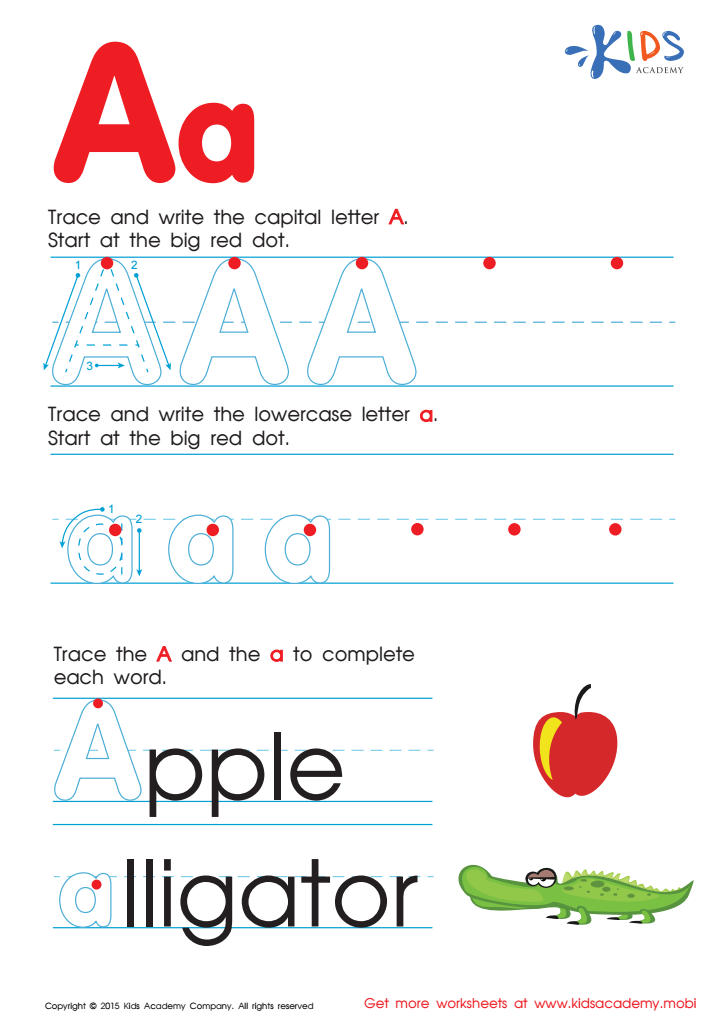
Letter A Tracing Page
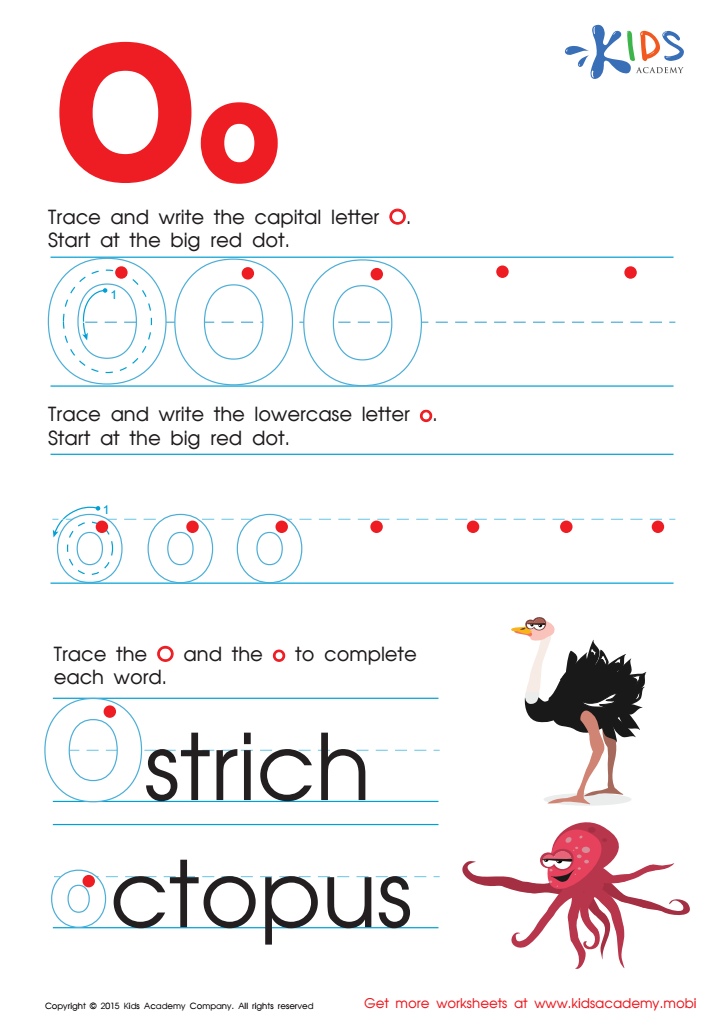
Letter O Tracing Page
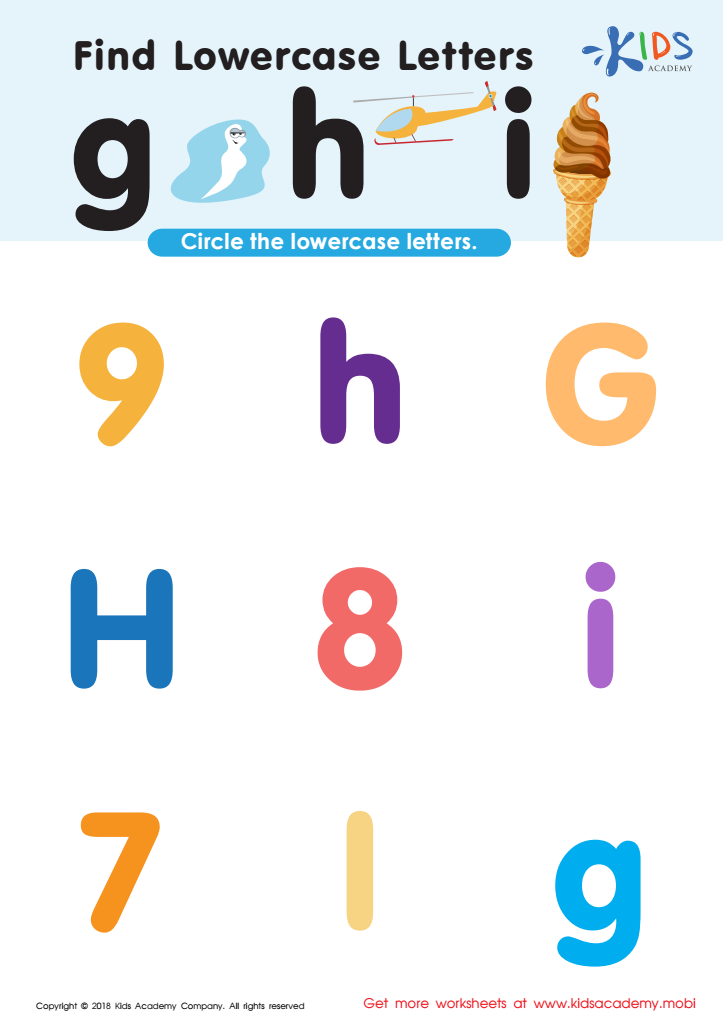
Find Lowercase Letters g h i Worksheet
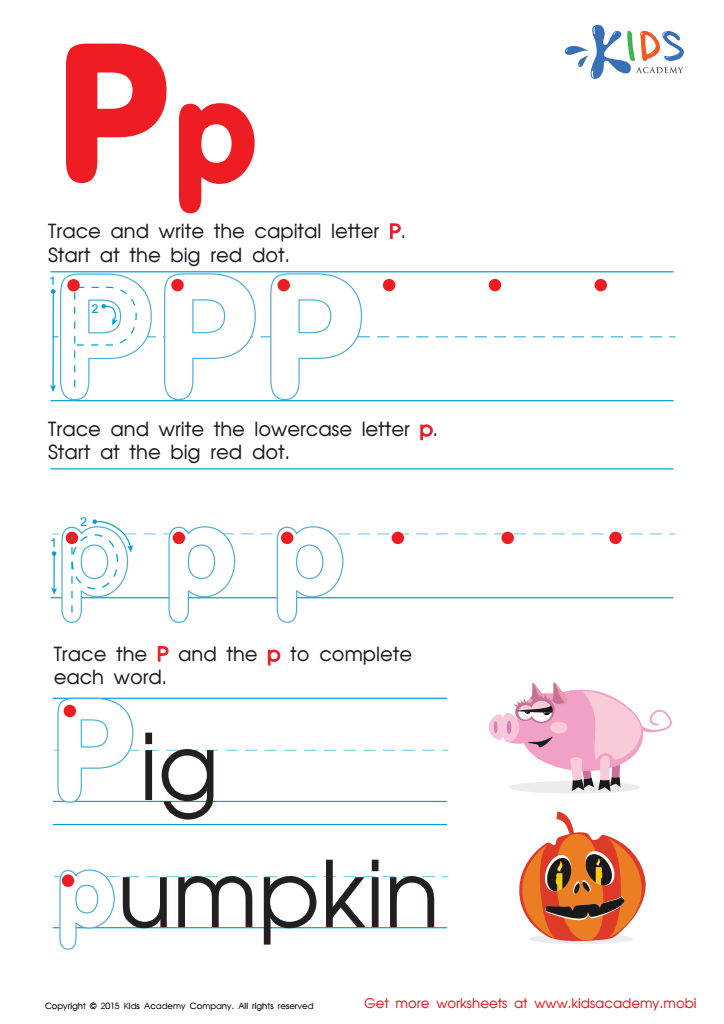
Letter P Tracing Page
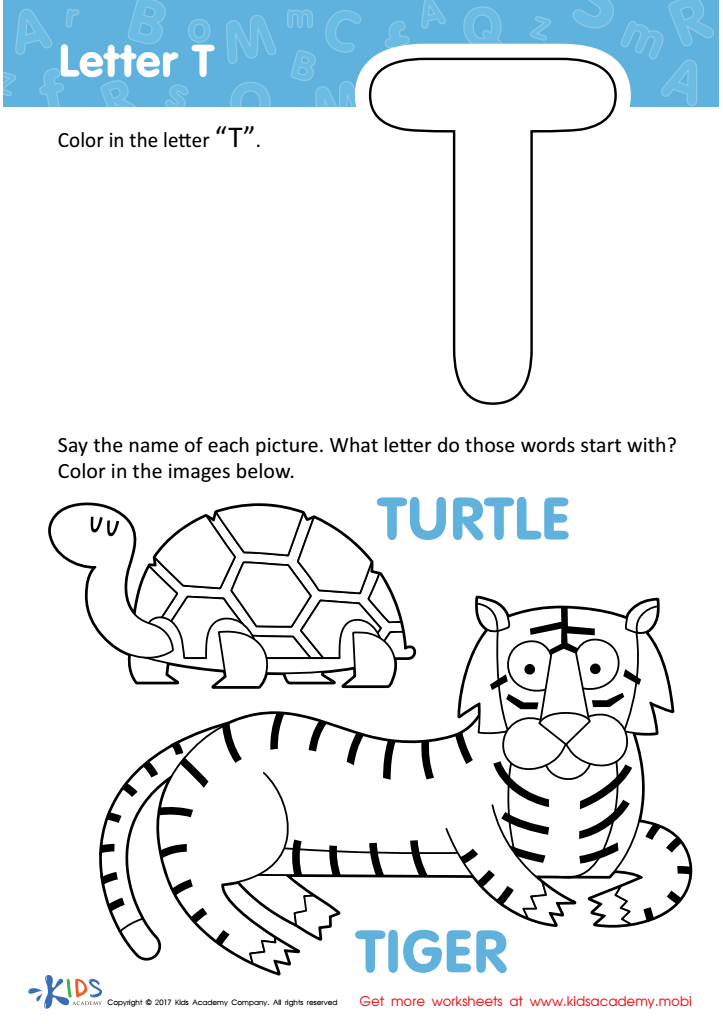
Letter T Coloring Sheet
 Assign to My Students

Letter H Tracing Page
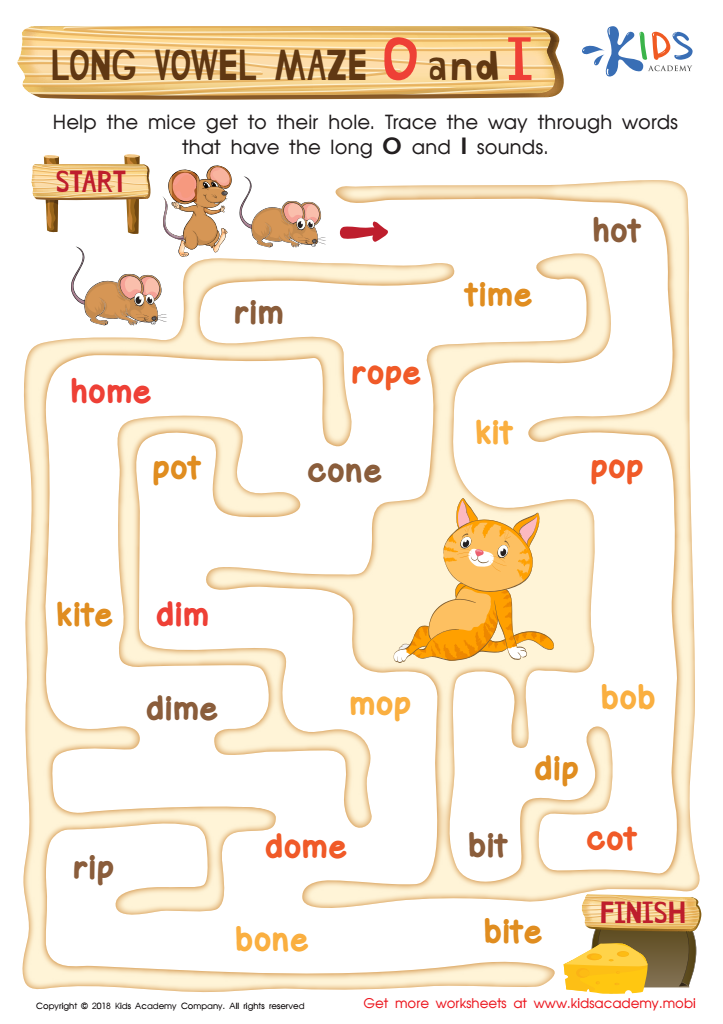
Long Vowel Maze /o/ and /i/ Worksheet
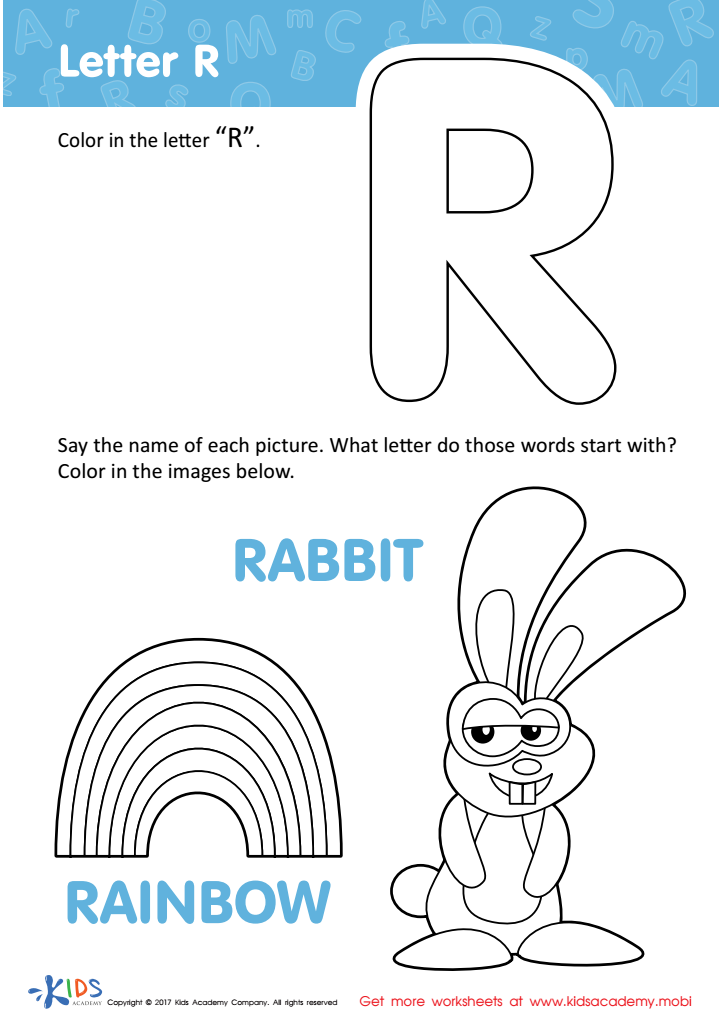
Letter R Coloring Sheet
Assign to My Students
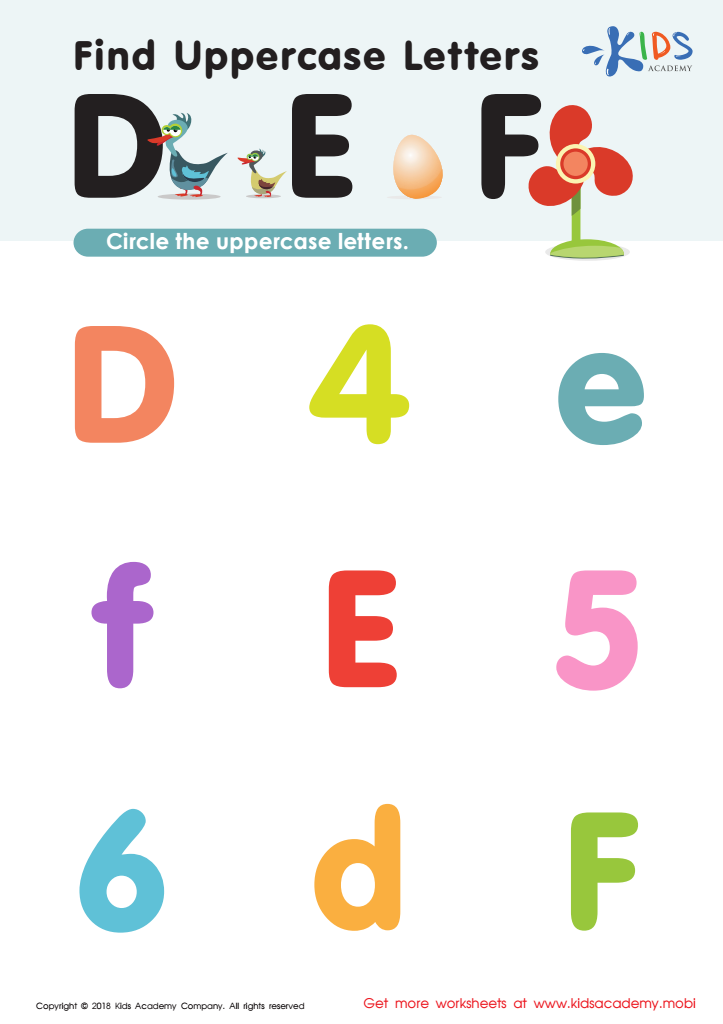
Find Uppercase Letters D, E, and F Worksheet

Letter D Tracing Page








Hand-eye coordination and letter recognition are foundational skills crucial for early childhood development, especially for children aged 3-7. Developing hand-eye coordination is important because it combines visual input with physical movement, enabling children to perform everyday tasks such as feeding themselves, tying shoelaces, and writing. Improved hand-eye coordination at a young age also enhances motor skills and spatial awareness, making physical activities such as playing sports more accessible and enjoyable.
Letter recognition is equally important as it lays the groundwork for literacy. Recognizing letters is one of the first steps in reading, helping children understand that written text corresponds to spoken language. When children can identify letters confidently, they are more likely to develop strong reading skills, which are essential for academic success. Enhanced letter recognition aids in better comprehension and more effective communication, both critical skills for future learning and personal development.
Combining both hand-eye coordination and letter recognition through engaging activities, such as tracing letters or playing letter-matching games, can create a multi-faceted approach to learning. Parents and teachers, therefore, play a significant role in implementing practices that nurture these skills. By doing so, they contribute to their children's cognitive and physical development, setting the stage for educational success and overall well-being.







