Handwriting practice Letter Recognition Worksheets for Ages 3-7 - Page 2
40 filtered results
-
From - To
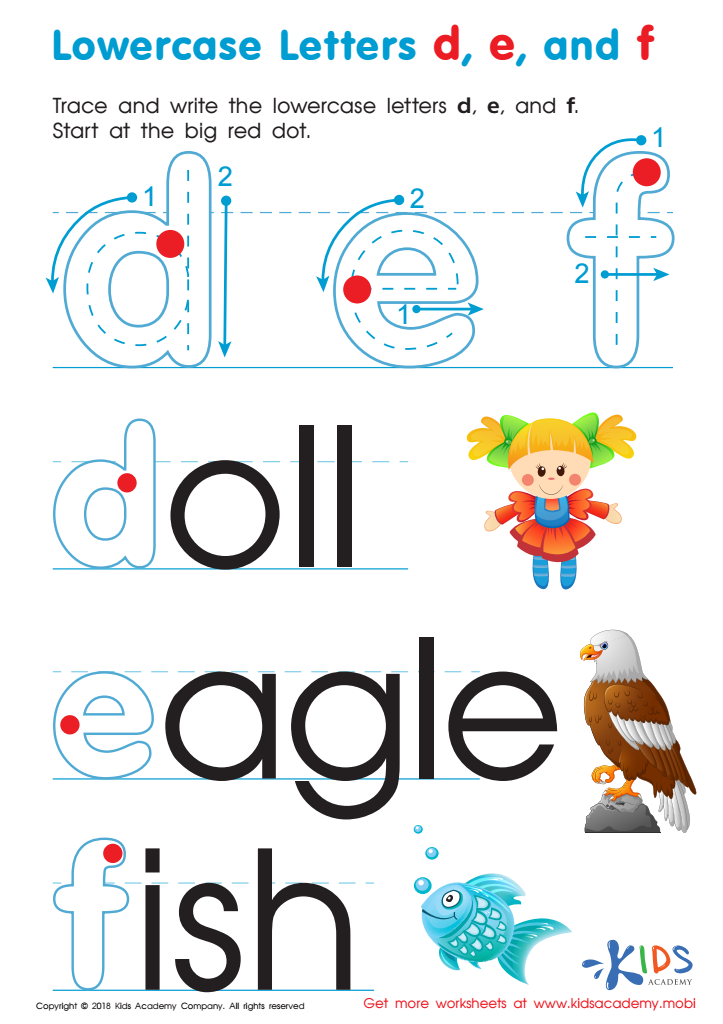
Lowercase Letters d e f Worksheet
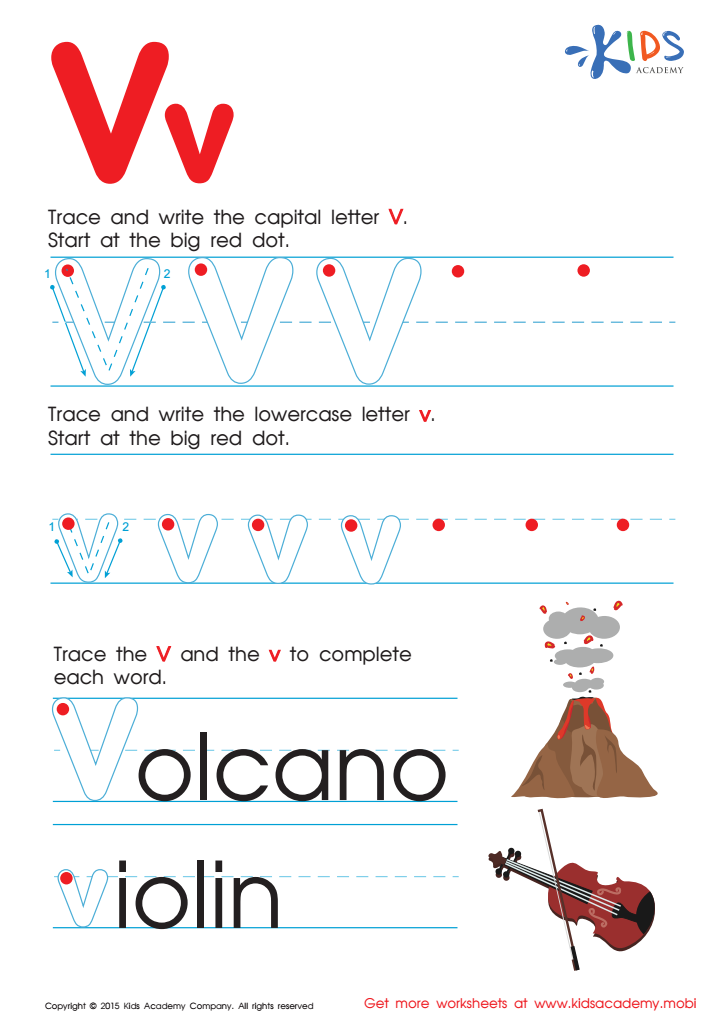
Letter V Tracing Page
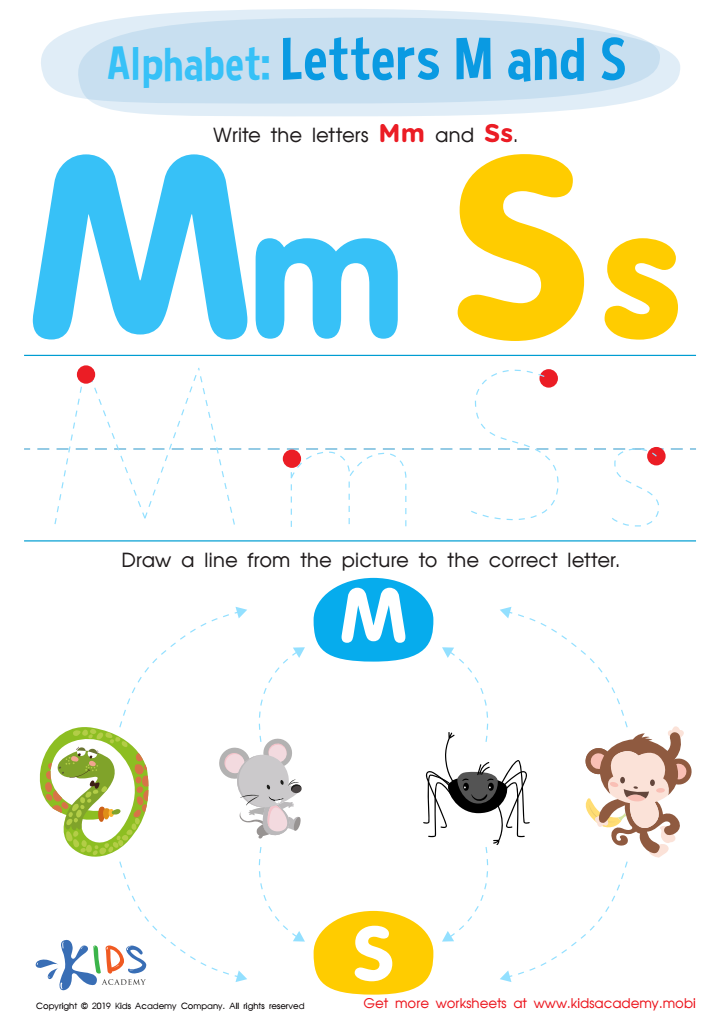
Letters M and S Tracing Worksheet
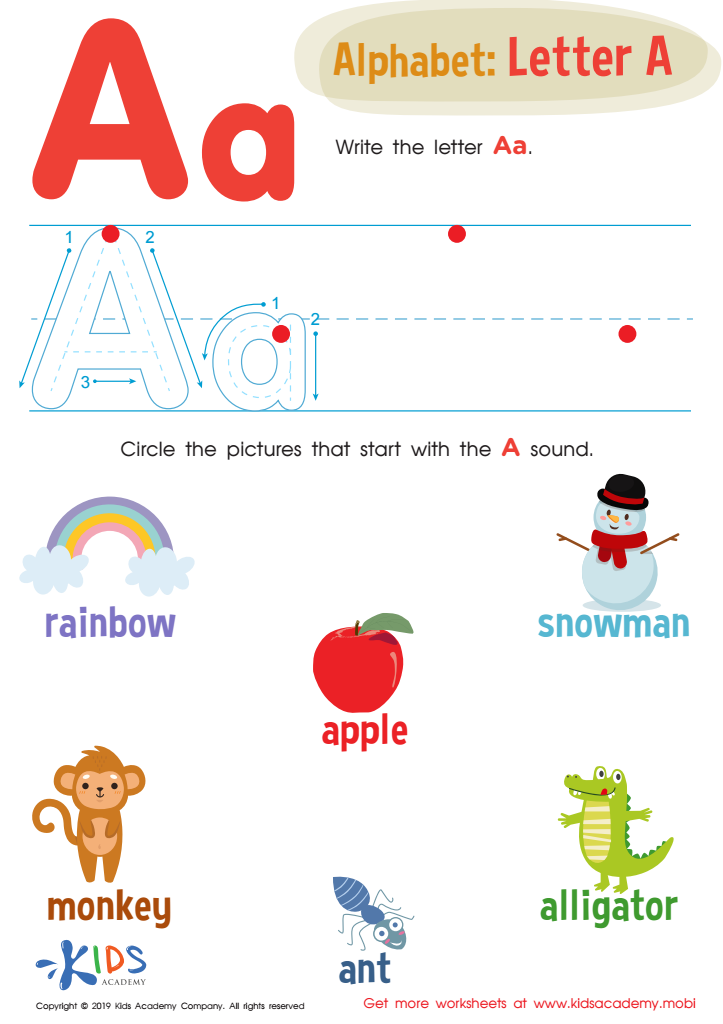
Letter A Tracing Worksheet
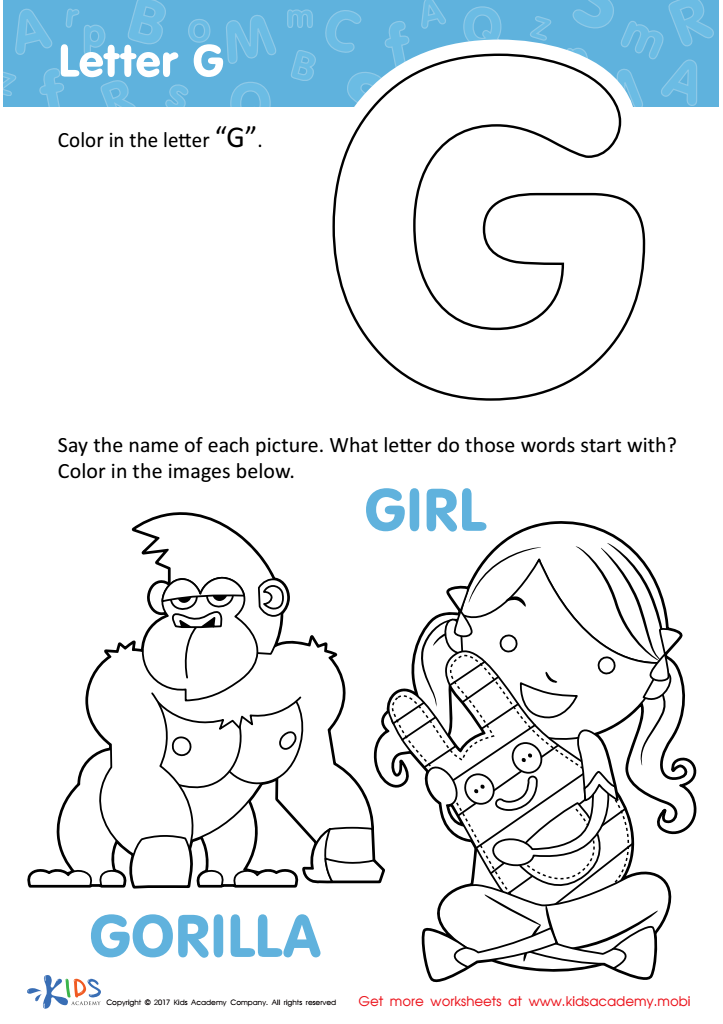
Letter G Coloring Sheet
 Assign to My Students
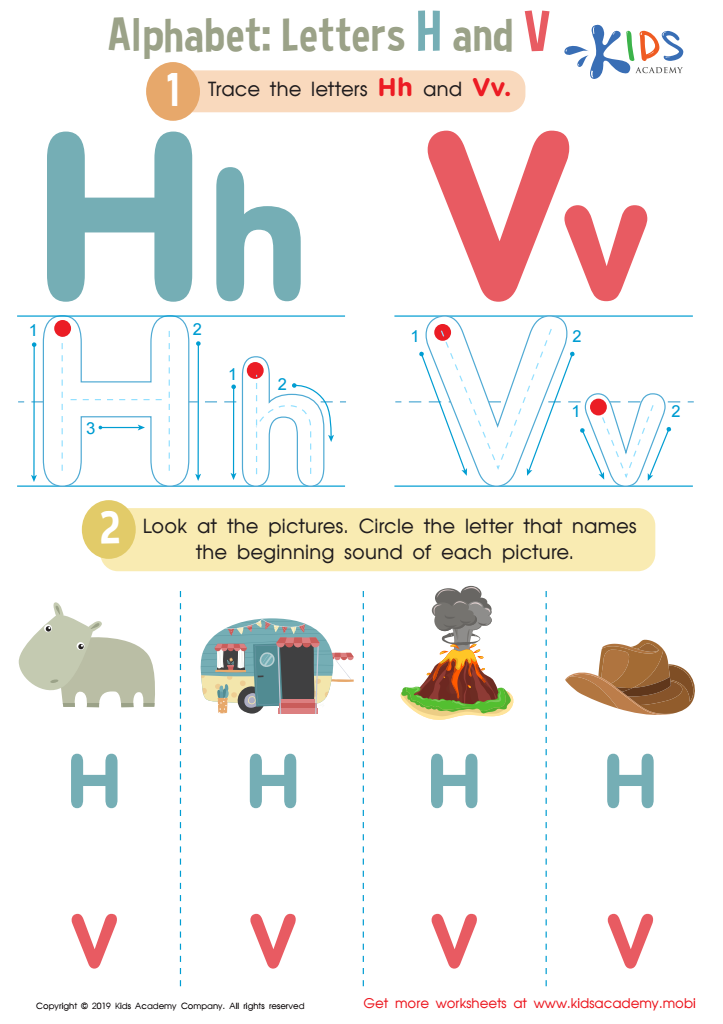
Letters H and V Tracing Worksheet
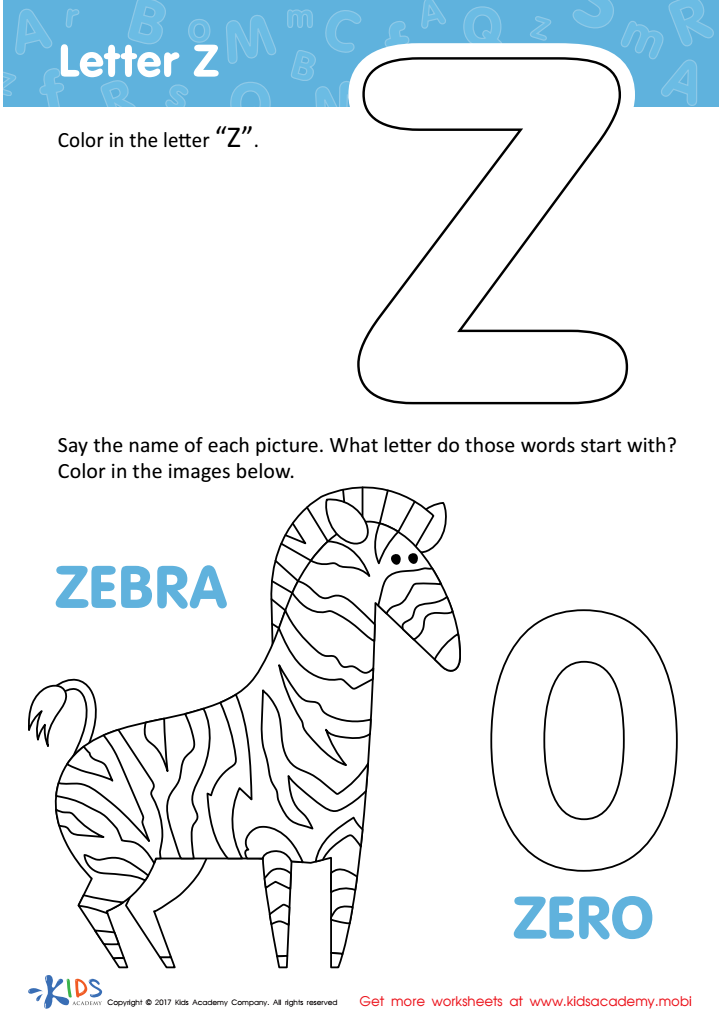
Letter Z Coloring Sheet
Assign to My Students
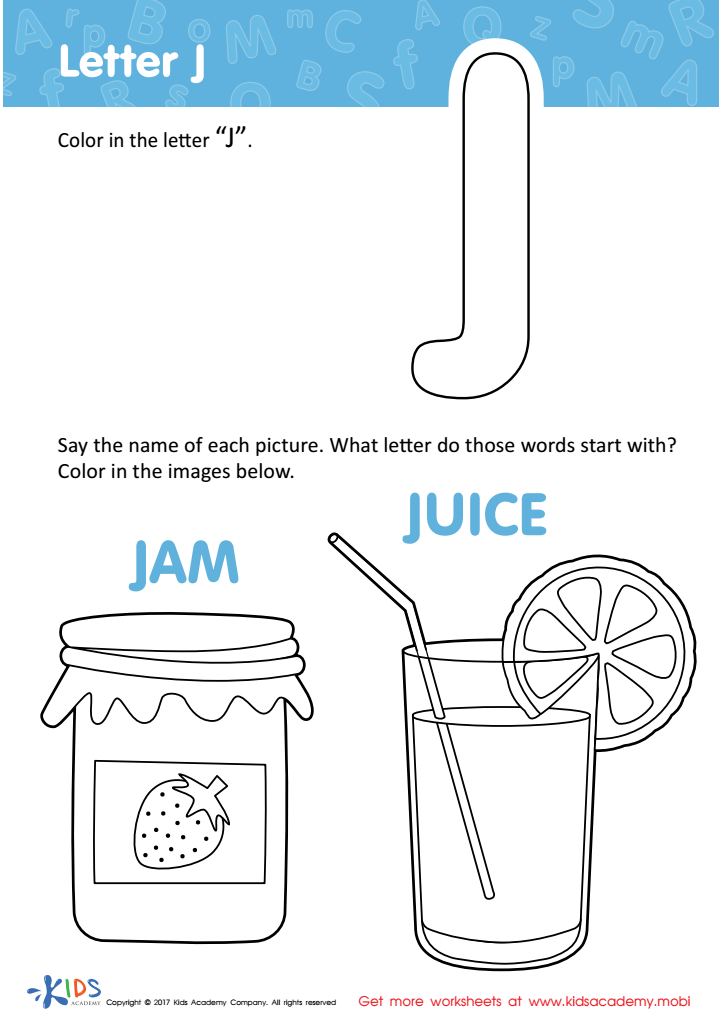
Letter J Coloring Sheet
Assign to My Students
Letter H Coloring Sheet
Assign to My Students
Letters W–Z Tracing Worksheet
Letter Y Tracing Worksheet
Letter K Coloring Sheet
Assign to My Students
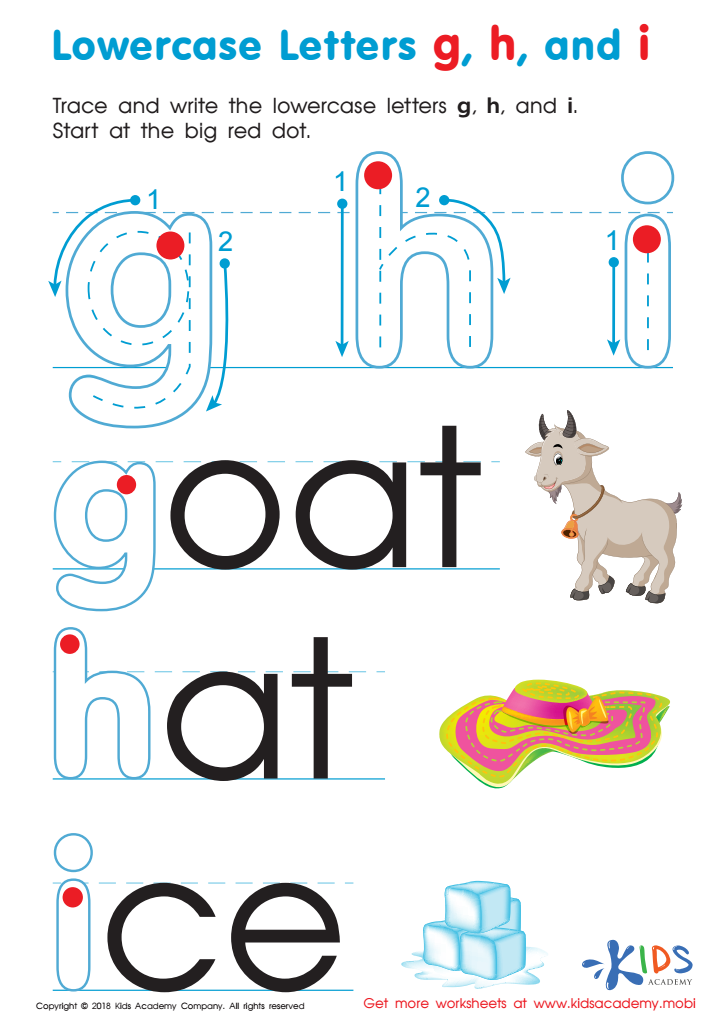
Lowercase Letters g h i Worksheet
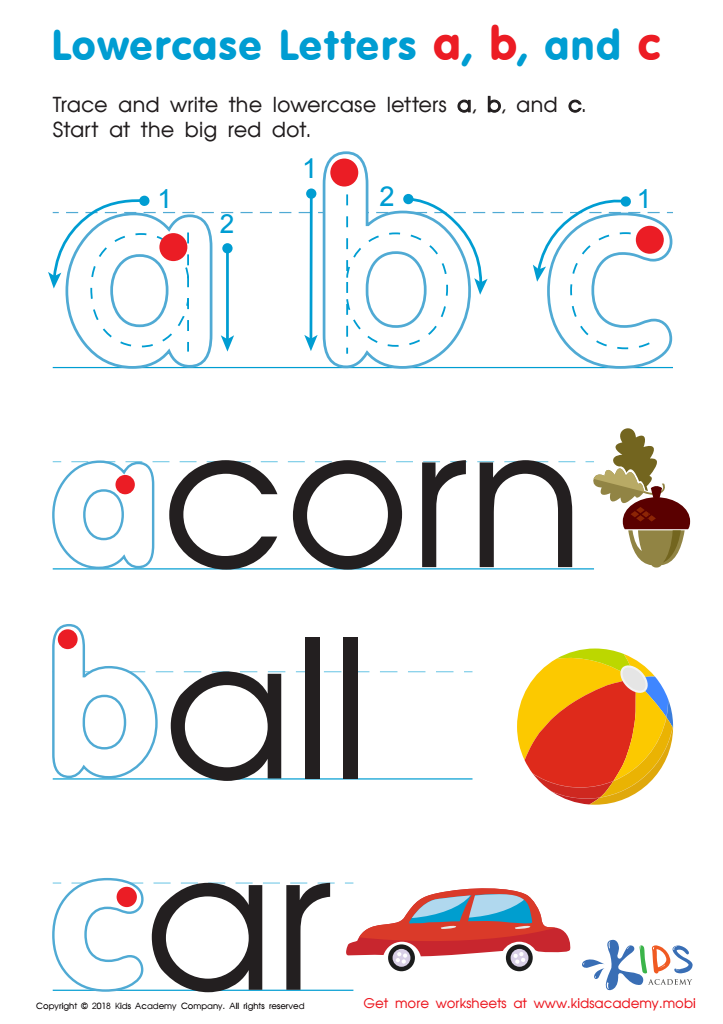
Lowercase Letters a b c Worksheet
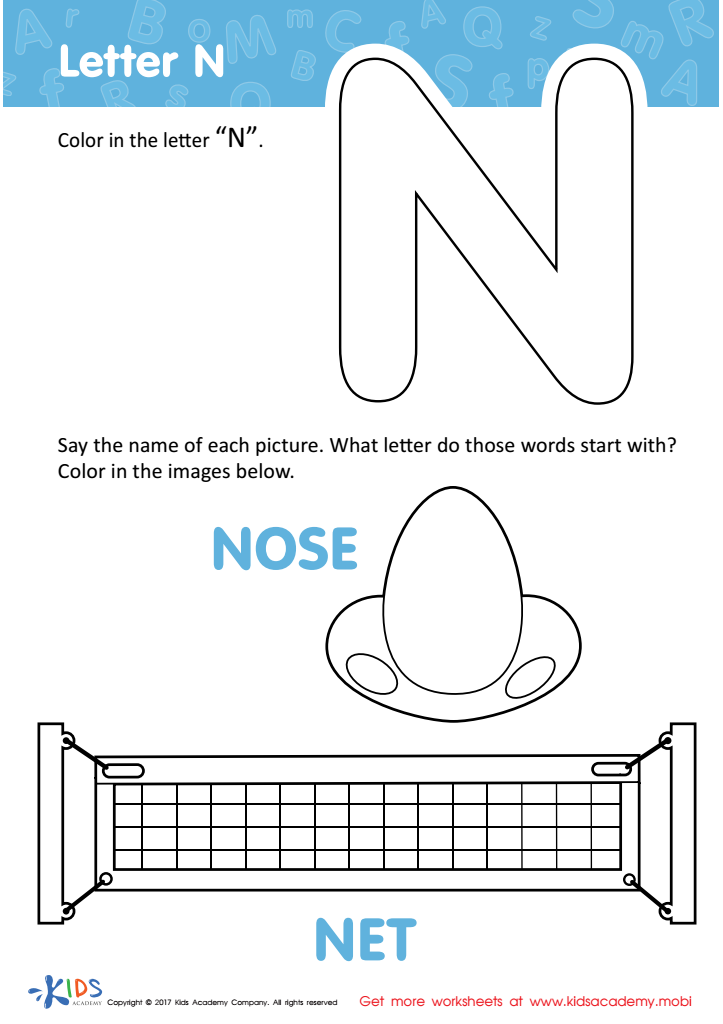
Letter N Coloring Sheet
Assign to My Students
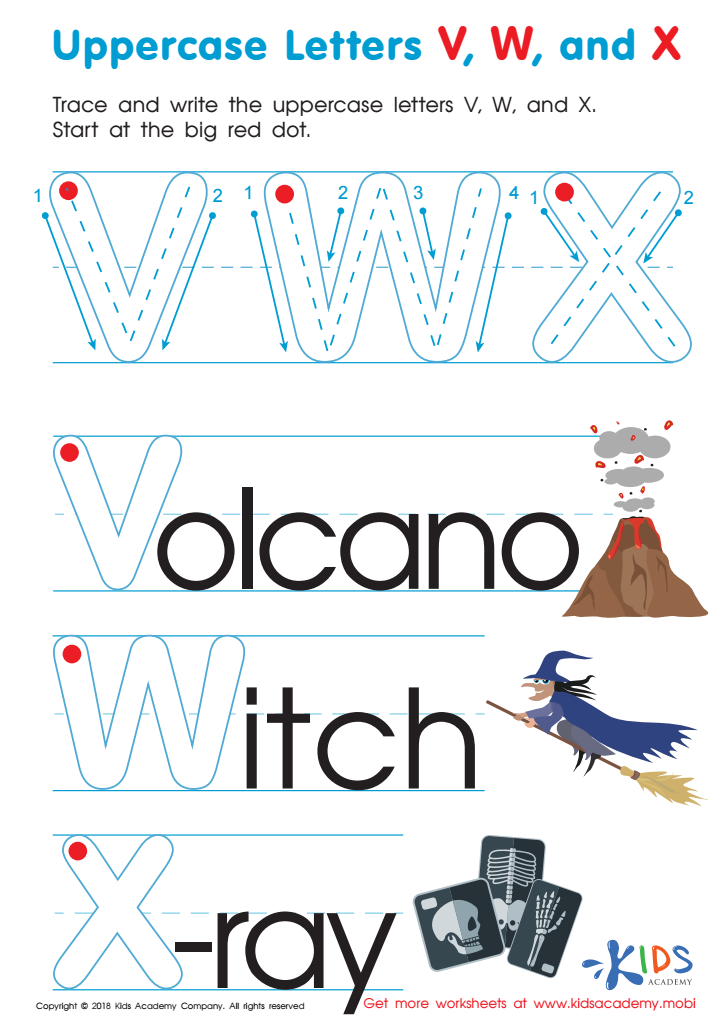
Uppercase Letters V, W, and X Worksheet








Handwriting practice and letter recognition are essential components of early childhood education for children aged 3-7, as they provide the foundation for literacy and communication skills. At this age, children are developing fine motor skills essential for writing. Engaging in handwriting practice helps strengthen these skills, fostering better control over writing instruments.
Letter recognition is equally crucial, as it teaches children to differentiate between letters and understand their shapes and corresponding sounds. This knowledge is vital for future reading and spelling abilities. By recognizing letters early, children build confidence in their ability to interact with written language, promoting a love for books and learning.
Furthermore, strong handwriting and letter recognition skills support cognitive development, as they encourage children to practice focus, discipline, and patience. These skills are transferable; they influence not just academic performance but also holistic growth, including critical thinking and problem-solving.
Finally, handwriting practice fosters creativity and expression. When children are comfortable with writing, they are more likely to share their thoughts, stories, and ideas. For parents and teachers, supporting this stage of development nurtures lifelong learners and effective communicators while setting the stage for future academic achievements.







