Letter Tracing Letter Recognition Worksheets for Ages 3-7
6 filtered results
-
From - To
Discover our engaging Letter Tracing and Letter Recognition worksheets designed specifically for children ages 3-7. These interactive resources help young learners develop essential pre-reading skills through fun tracing activities and letter identification exercises. Each worksheet provides vibrant visuals and guided paths to promote fine motor skills and hand-eye coordination, making learning enjoyable! As kids connect with their letters, they'll build confidence and spark a love for reading and writing. Perfect for homeschooling or supplemental practice, our worksheets encourage a solid foundation in literacy while keeping learning playful. Download our letter tracing worksheets now and watch your child embark on their learning journey!
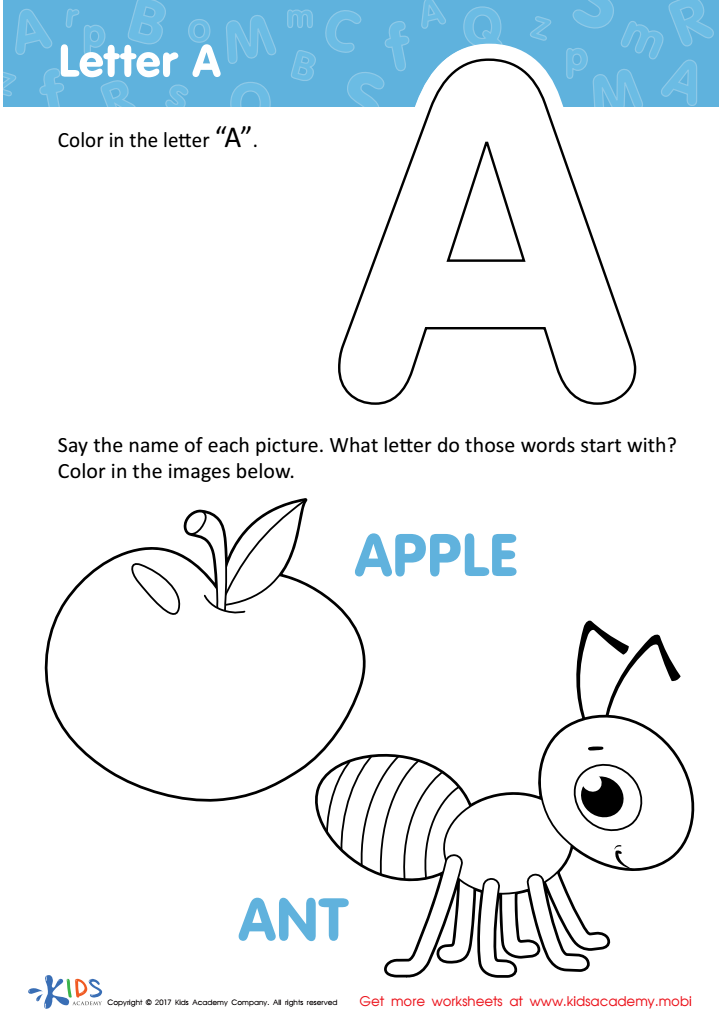
Letter A Coloring Sheet
 Assign to My Students
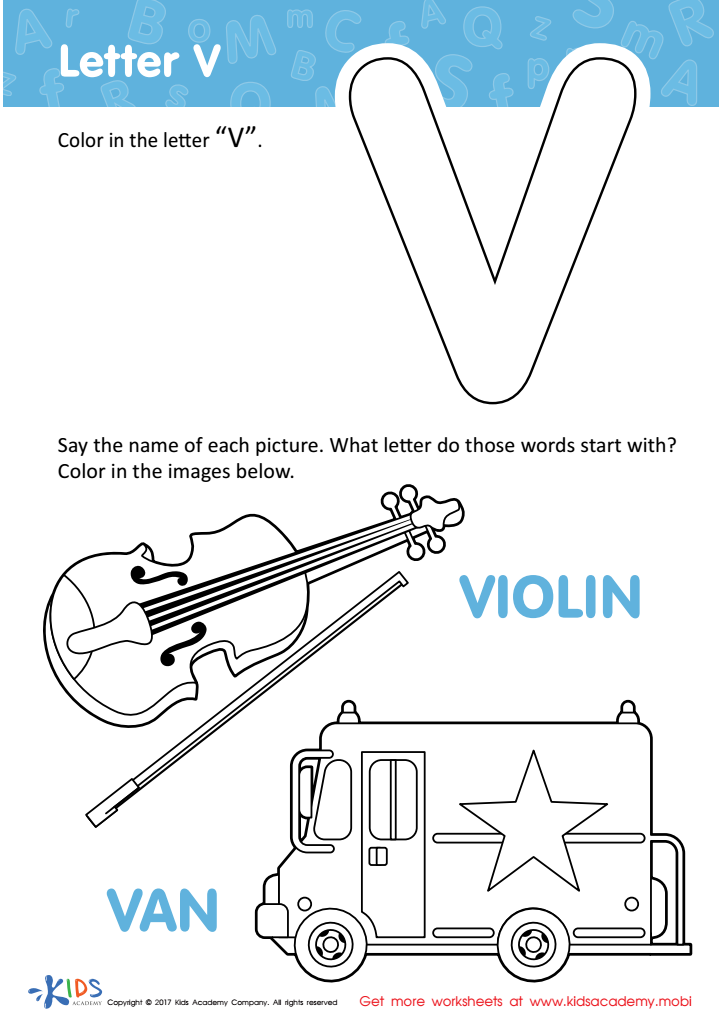
Letter V Coloring Sheet
Assign to My Students
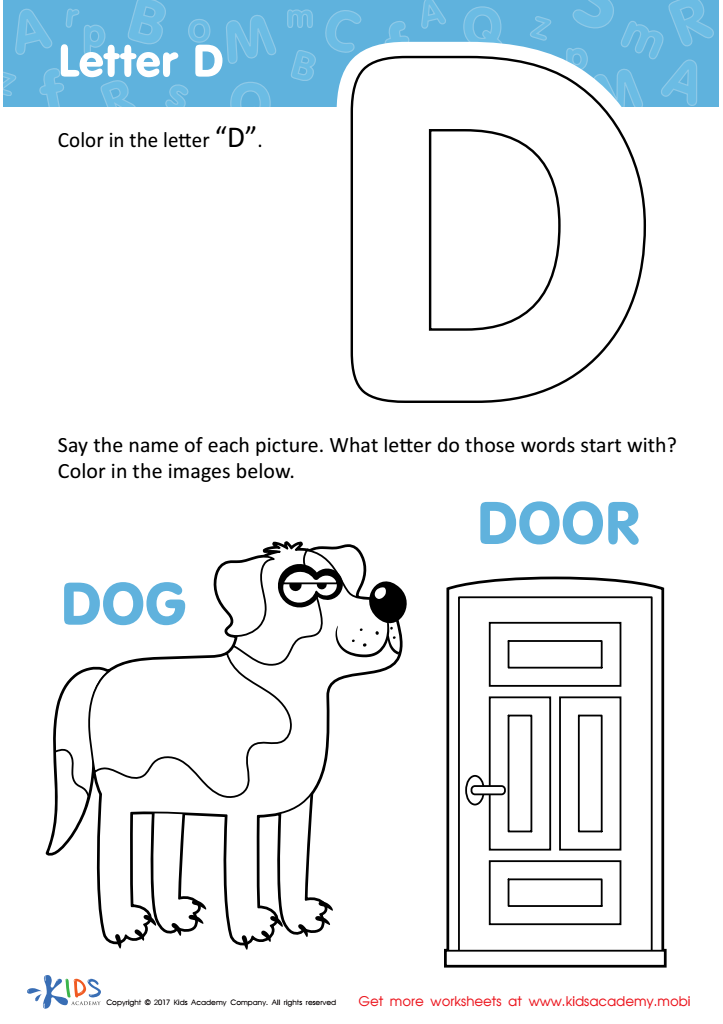
Letter D Coloring Sheet
Assign to My Students
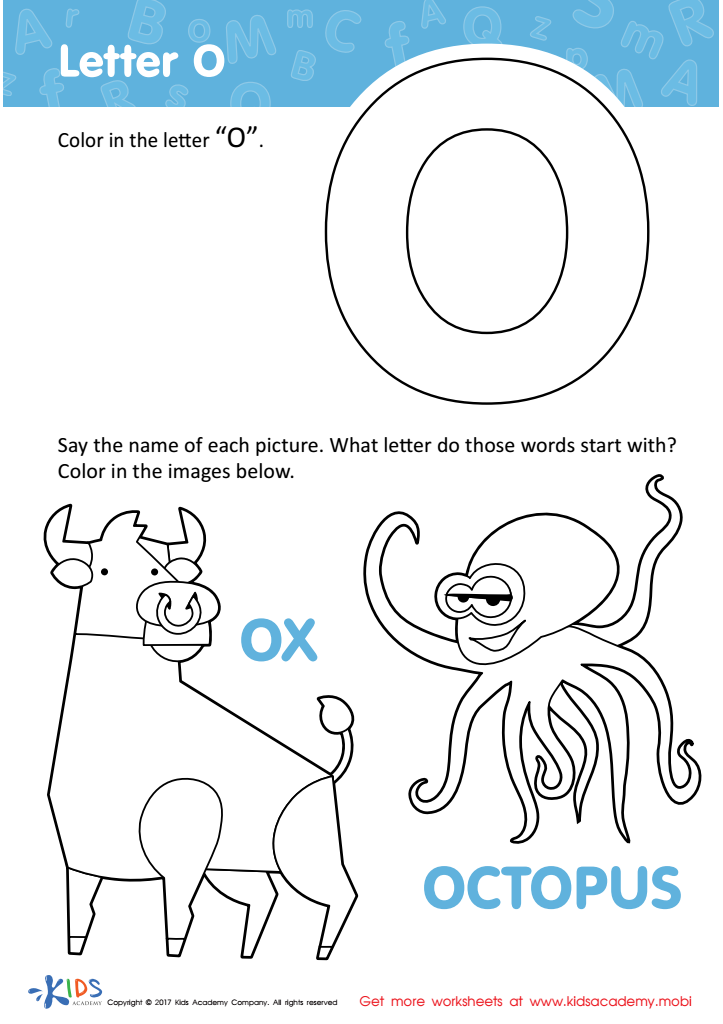
Letter O Coloring Sheet
Assign to My Students
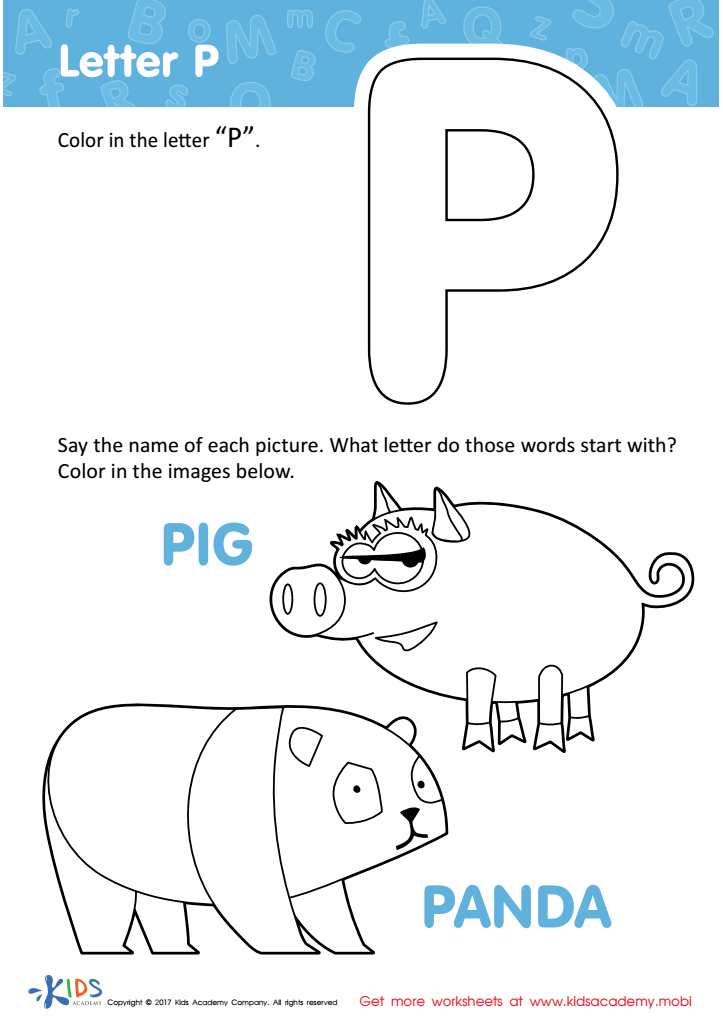
Letter P Coloring Sheet
Assign to My Students
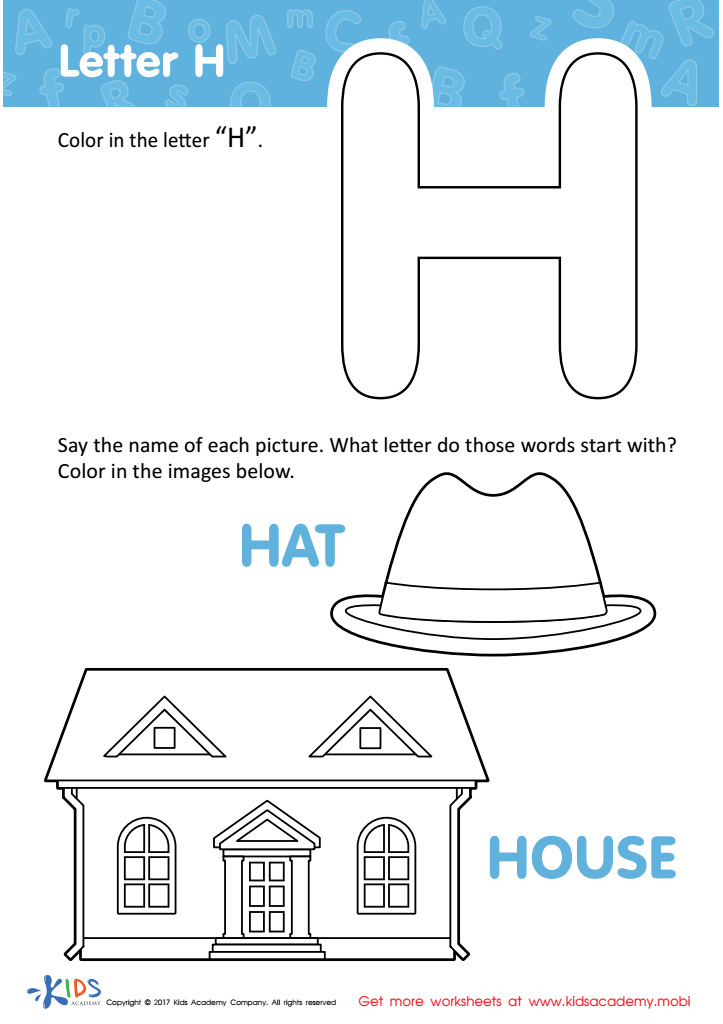
Letter H Coloring Sheet
Assign to My Students








Parents and teachers should prioritize letter tracing and letter recognition for children aged 3-7 because these foundational skills are vital for early literacy development. Engaging in letter tracing helps young learners practice the shapes and strokes of each letter, which reinforces fine motor skills and hand-eye coordination. This is critical, as the ability to write letters clearly lays the groundwork for effective communication.
Recognizing letters is equally crucial, as it enables children to understand the relationship between sounds and written symbols. This phonemic awareness is a key component of literacy, helping children decode words as they begin reading. Moreover, early letter recognition strengthens vocabulary development and boosts confidence in language usage.
Furthermore, incorporating fun and engaging methods like games, songs, and colorful materials can cultivate a love for learning. When children feel excitement about recognizing and writing letters, they are more likely to engage with reading and writing activities throughout their educational journey.
In summary, letter tracing and recognition are integral to children's cognitive and motor skills development, laying a strong foundation for future academic success and fostering a lifelong love for learning. Investing time in these areas equips children with essential tools for effective communication and critical thinking.







