Fine Motor Skills Letter W Worksheets for Ages 3-7
4 filtered results
-
From - To
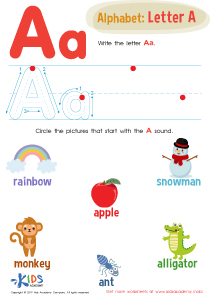
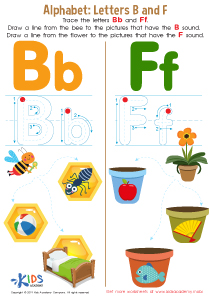
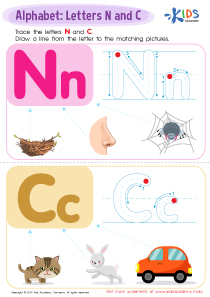
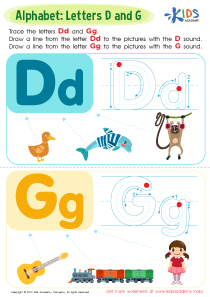
Discover engaging "Fine Motor Skills Letter W Worksheets for Ages 3-7" designed to enhance young learners' dexterity and writing abilities. These printable worksheets from Kids Academy focus on the letter W through fun tracing, drawing, and writing exercises. Perfect for little hands, these activities support the development of finger strength, hand-eye coordination, and pencil control. Suitable for home or classroom use, our educational resources make learning the alphabet both enjoyable and effective. Boost your child's confidence and fine motor skills with these specially crafted worksheets. Download and print today to start a learning adventure with the letter W!
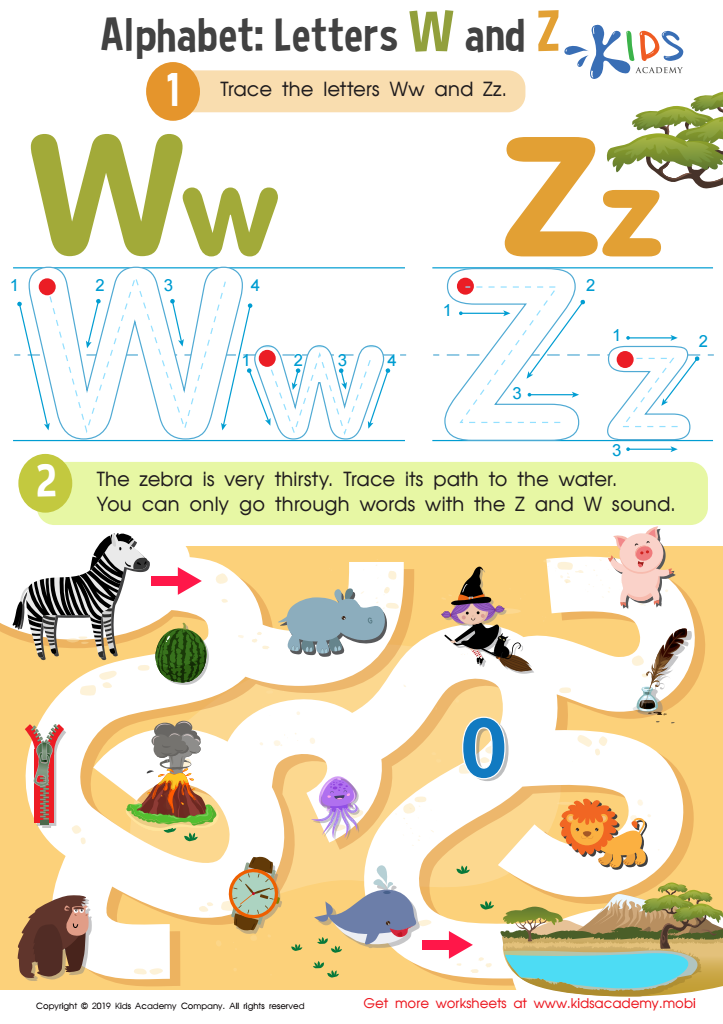
Letters W and Z Tracing Worksheet
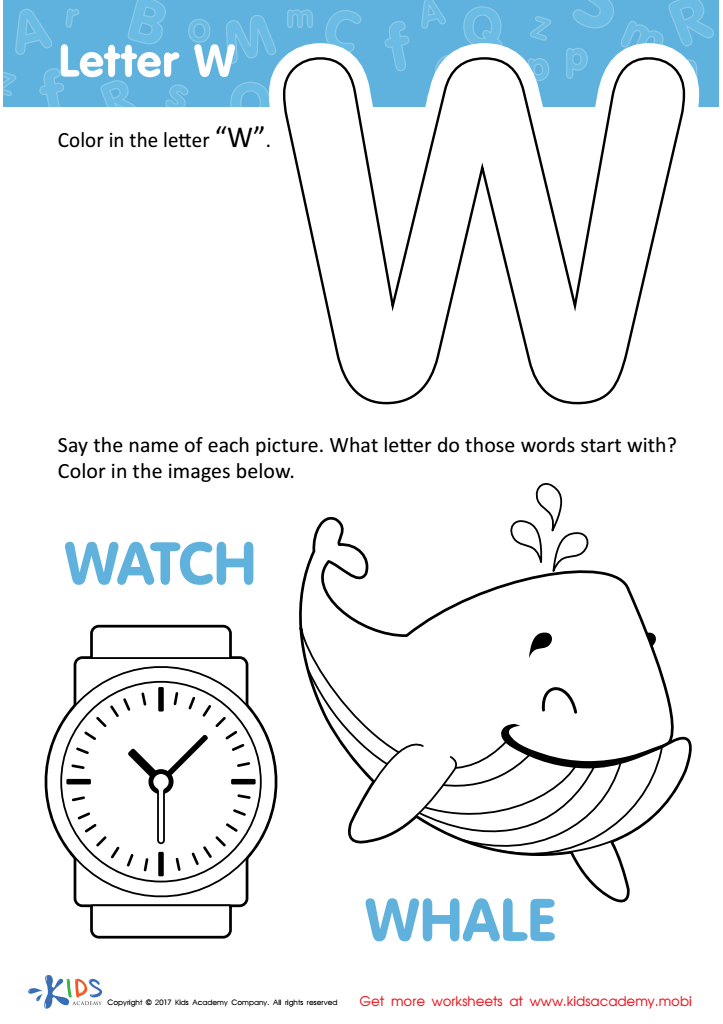
Letter W Coloring Sheet
 Assign to My Students

Find Uppercase Letters V, W, X Worksheet
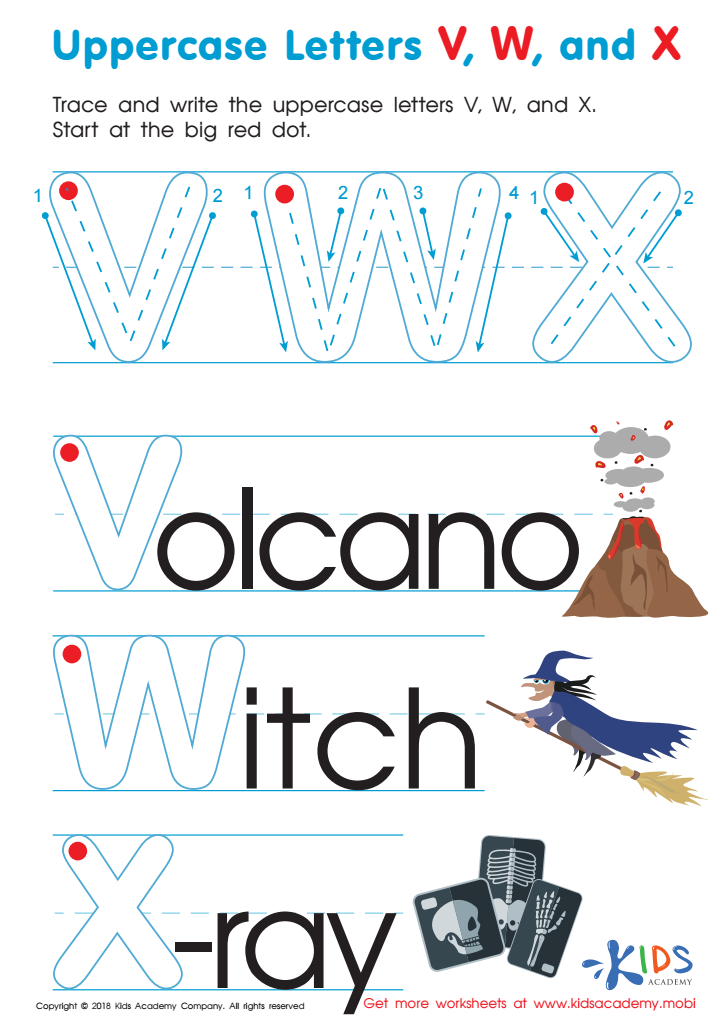
Uppercase Letters V, W, and X Worksheet




Fine motor skills involve the coordination of small muscles, particularly in the hands and fingers, critical for tasks like writing, buttoning a shirt, and manipulating objects. For children ages 3-7, honing these skills through activities such as fine motor exercises centered around the Letter "W" holds significant benefits.
During early childhood, the brain is highly adaptable and responsive to learning new skills. Activities focused on the Letter "W" can include tracing, drawing, and coloring within lines, which are great for improving hand-eye coordination, finger strength, and dexterity. This fine-tuning of motor control not only paves the way for more legible handwriting but also boosts overall self-esteem and independence as children find it easier to perform daily tasks.
Moreover, development in this area enhances cognitive skills, such as attention to detail and problem-solving, which are pivotal for academic achievement across subjects. Activities featuring the Letter "W" can also subtly introduce phonemic awareness and alphabetical knowledge, laying the groundwork for reading and language proficiency.
For parents and teachers, prioritizing these activities is a proactive approach to fostering balanced developmental growth, ensuring that fine motor skills support broader educational outcomes and daily life skills. Igniting this growth early can significantly impact a child's journey toward becoming a competent and confident learner.