Color Identification Phonics Worksheets for Ages 3-7
4 filtered results
-
From - To
Discover our engaging Color Identification Phonics Worksheets designed specifically for children aged 3-7! These interactive resources combine color recognition with phonics, making learning fun and effective. Each worksheet features vibrant illustrations that spark curiosity while helping young learners develop important literacy skills. Children will practice identifying colors and associating them with letters and sounds, reinforcing their understanding of language in a playful way. Perfect for homeschooling, preschool activities, or classroom use, our worksheets are easy to download and print. Dive into a colorful world of learning and watch your little ones grow in confidence as they master essential phonics skills!
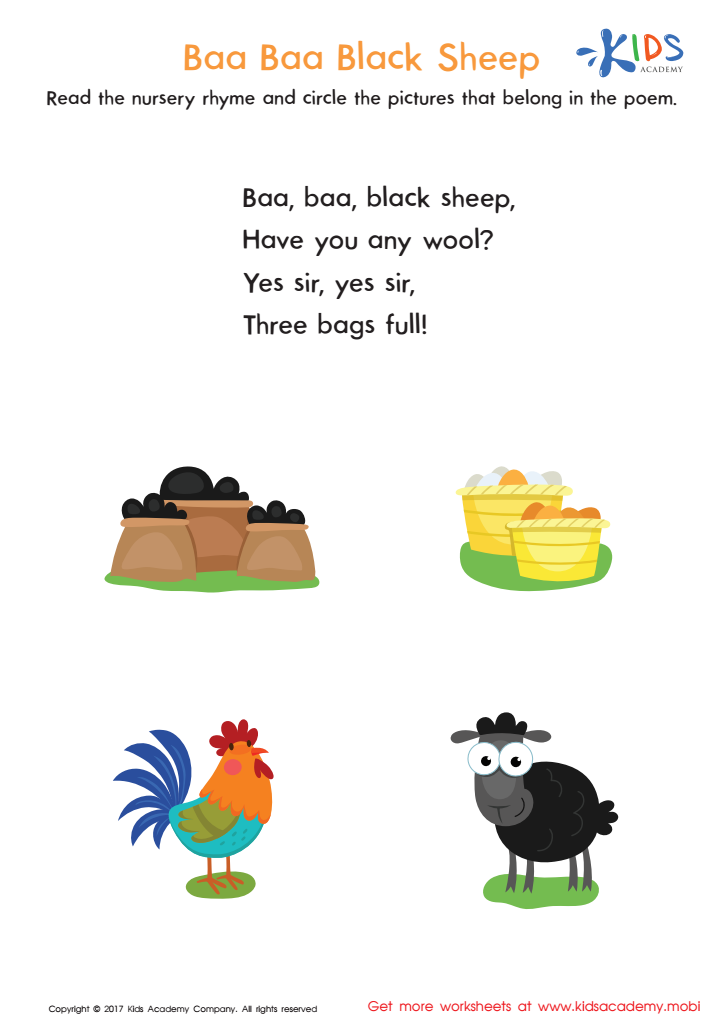
Baa Baa Black Sheep Printable
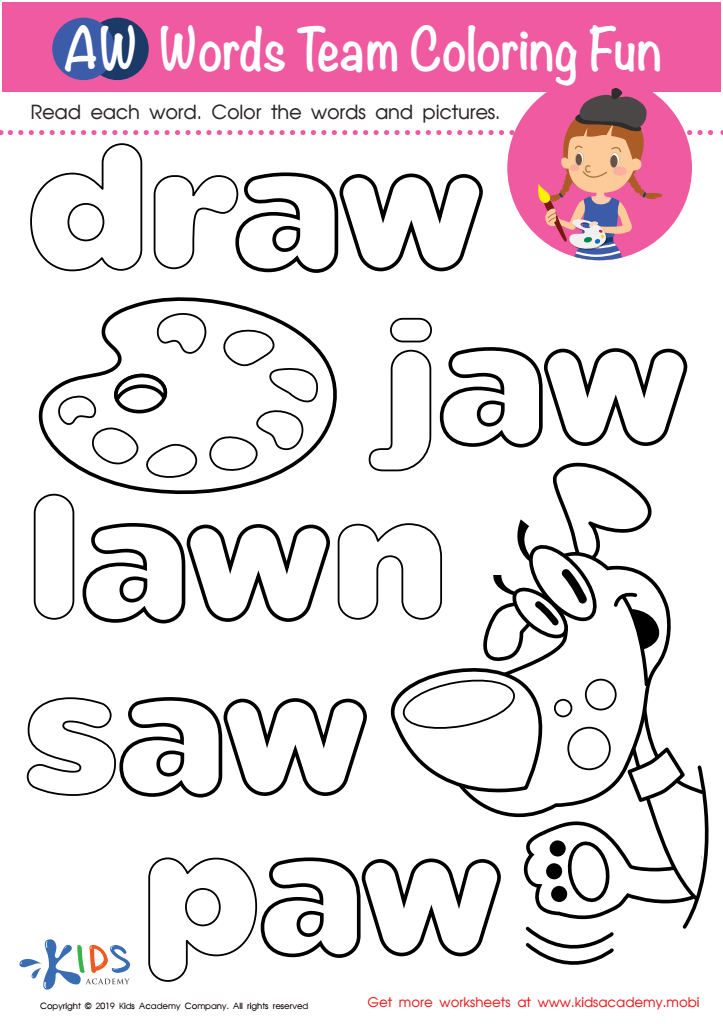
AW Words Team Coloring Fun Worksheet
 Assign to My Students
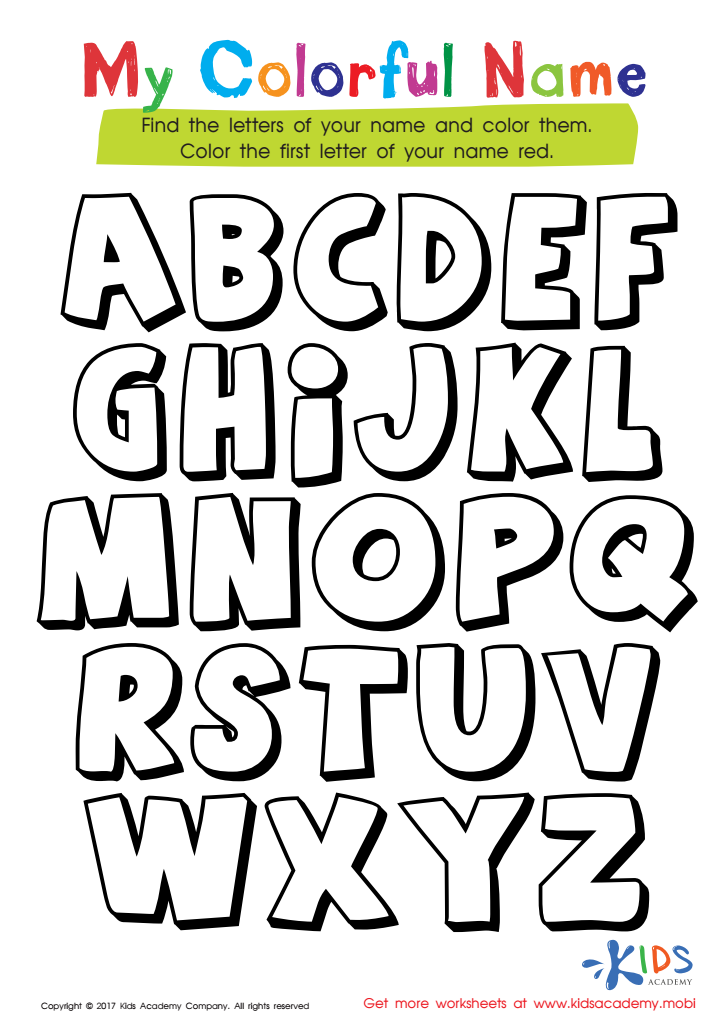
My Colorful Name Worksheet
Assign to My Students
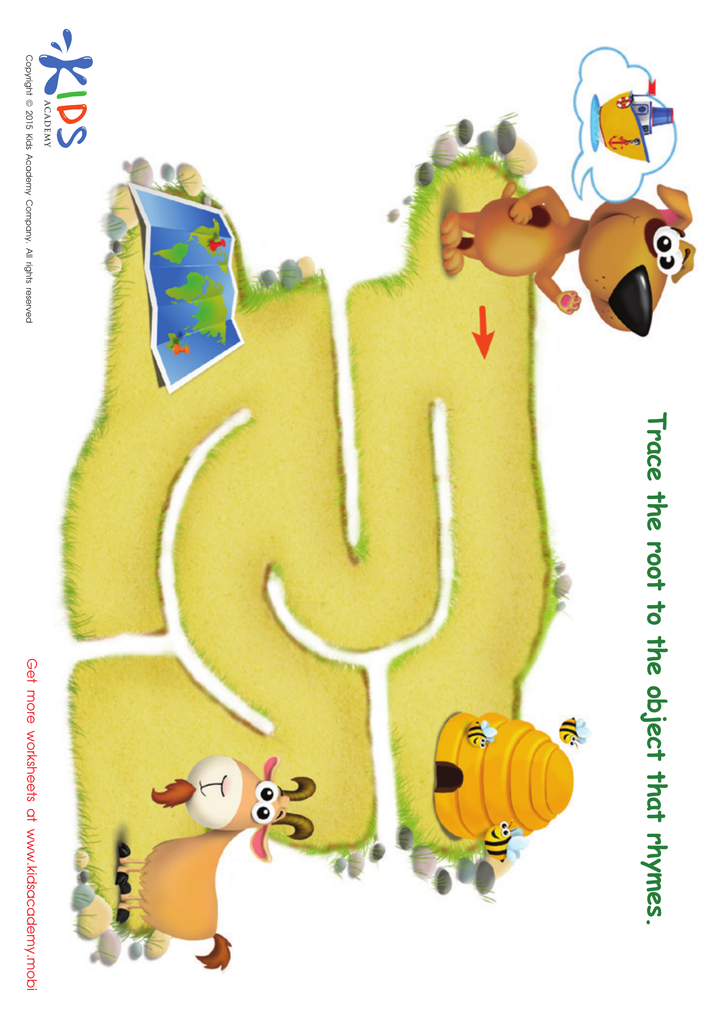
Boat Rhyming Words Worksheet








Color Identification Phonics serves as a foundational tool for literacy development in children aged 3 to 7. Understanding color recognition is essential for young learners as it not only enhances their cognitive skills but also boosts their ability to decode and distinguish sounds associated with letters and words. By integrating colors with phonics, children can create visual associations, making the learning process more engaging and memorable.
Parents and teachers should care about this educational approach because it nurtures critical thinking and creativity. When children learn to identify colors alongside phonetic sounds, they develop a multi-sensory experience that aids memory retention and enhances their overall language acquisition. Furthermore, engaging children in activities that combine colors and phonics can foster collaboration and social skills, as children often work together on projects involving art and reading.
Additionally, embracing Color Identification Phonics promotes an inclusive learning environment that accommodates diverse learning styles. This early intervention lays the groundwork for future academic success, helping children build confidence and a love for learning. Providing children with solid phonics skills at a young age enhances their overall literacy proficiency, preparing them for more complex language tasks in later years. Therefore, both parents and teachers play critical roles in supporting this essential educational development.







