Phonics recognition Phonics Worksheets for Ages 3-7
19 filtered results
-
From - To
Discover our engaging Phonics Recognition Worksheets designed specifically for children ages 3-7! These resources are perfect for supporting early literacy skills while making learning fun. Our worksheets focus on phonics recognition, helping young learners identify sounds, letters, and word formations. Featuring colorful illustrations and interactive activities, each worksheet encourages kids to practice reading through a variety of exercises suitable for their developmental stage. From matching sounds to recognizing letters, our phonics worksheets aim to build a strong foundation for reading success. Explore our collection today and help your child start on an exciting journey into the world of phonics!
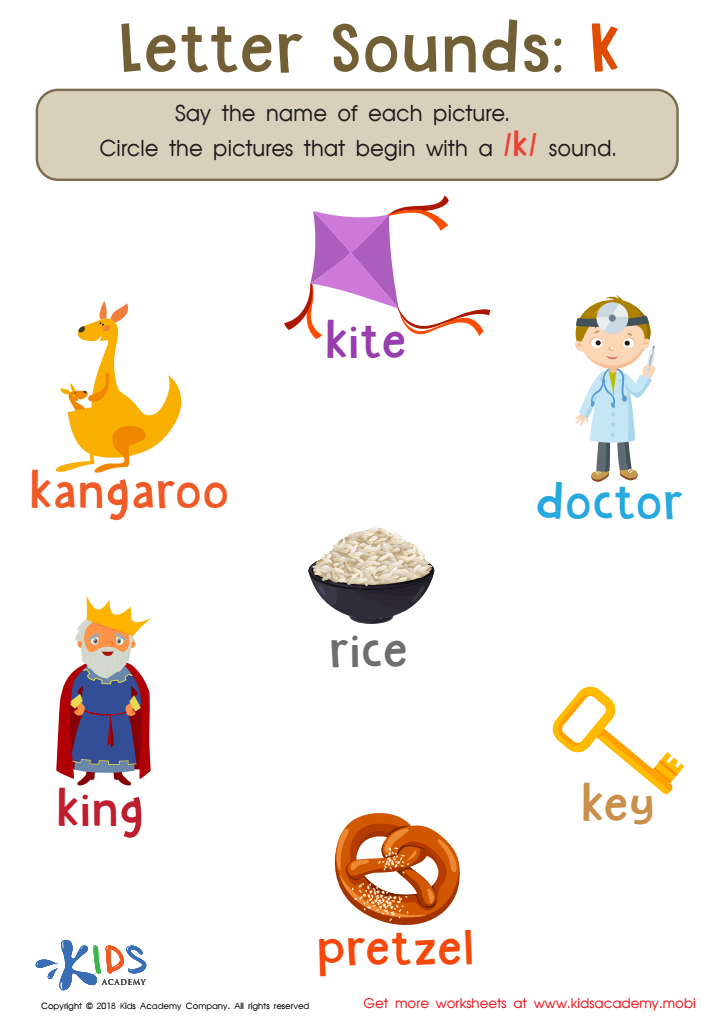
Letter K Sounds Worksheet
 Assign to My Students
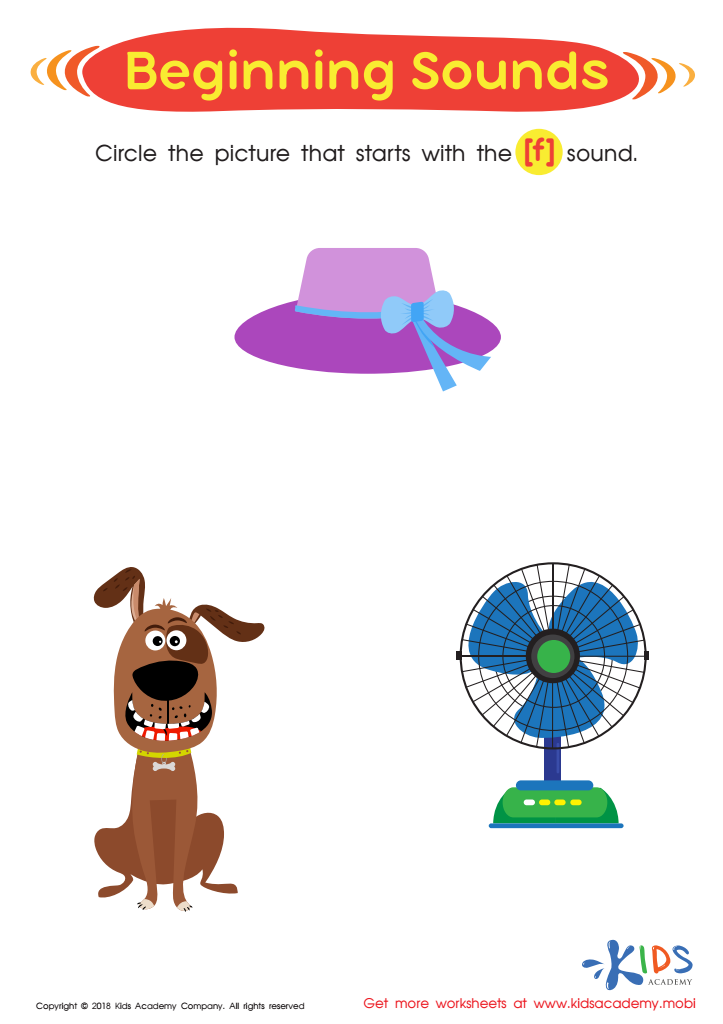
Beginning Sounds Assessment Printable
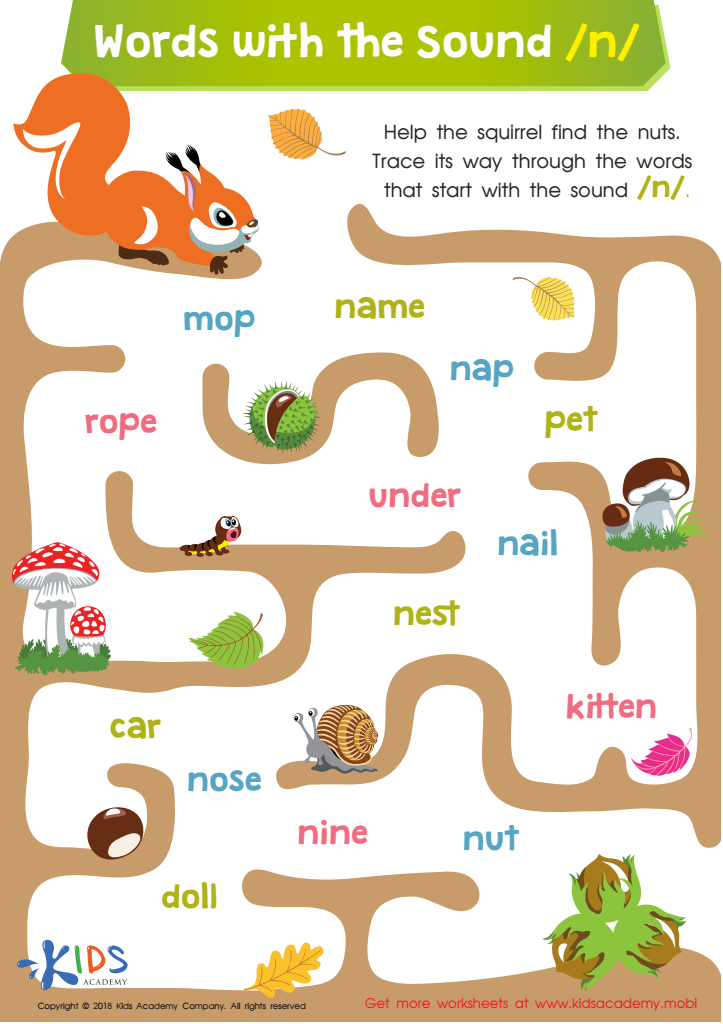
Words with Sound N Reading Worksheet
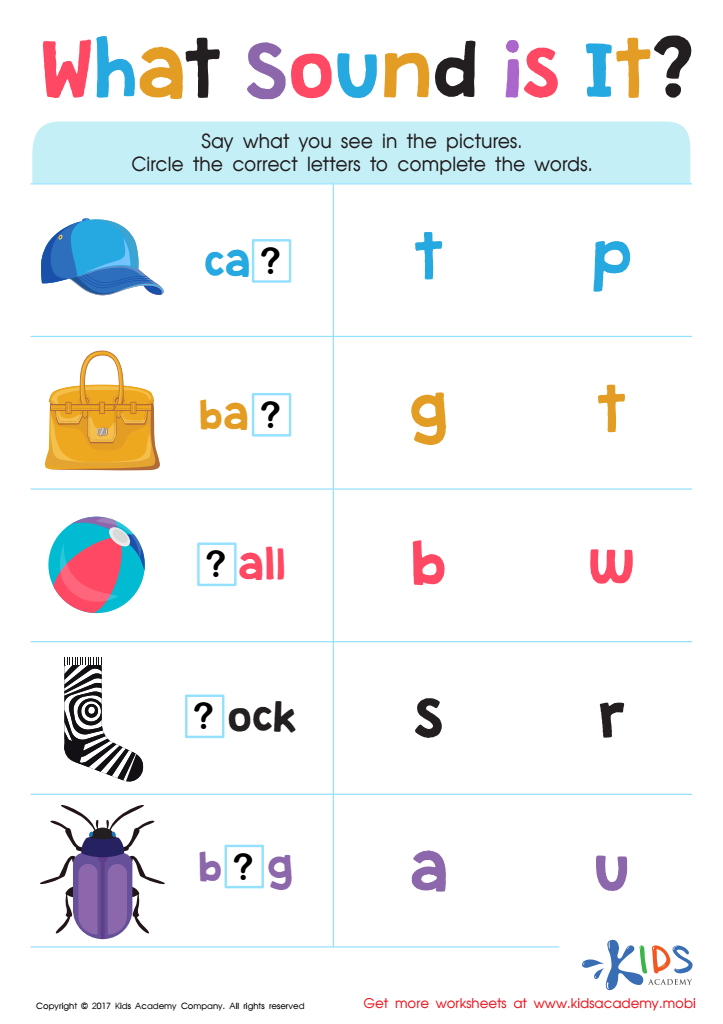
What Sound Is it? Worksheet
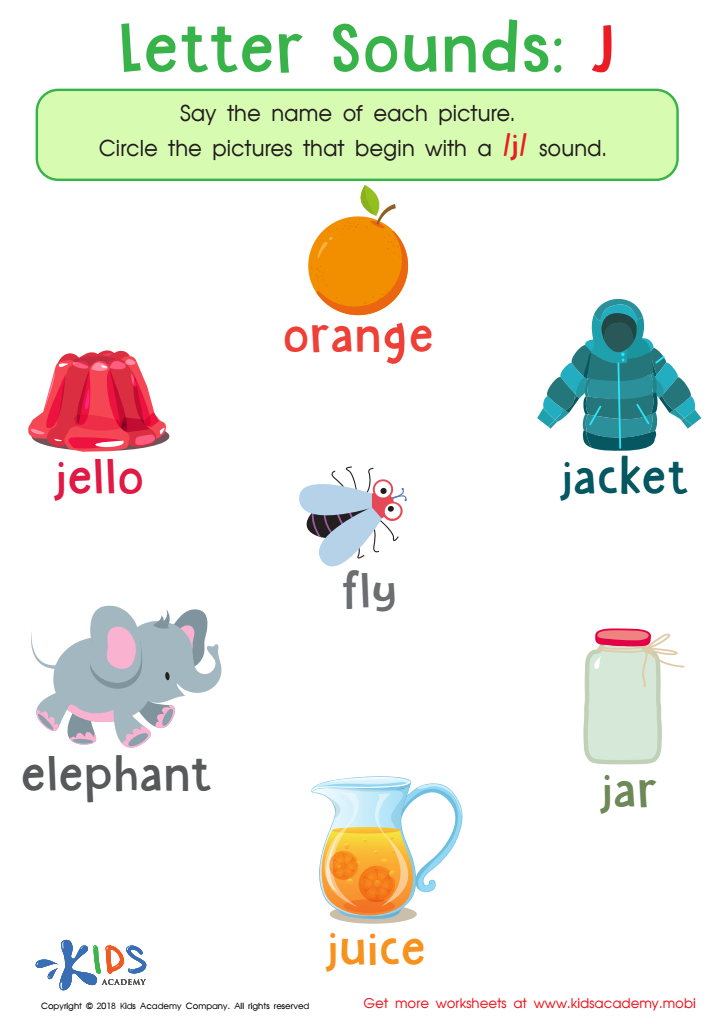
Letter Sounds: J Printable Worksheet
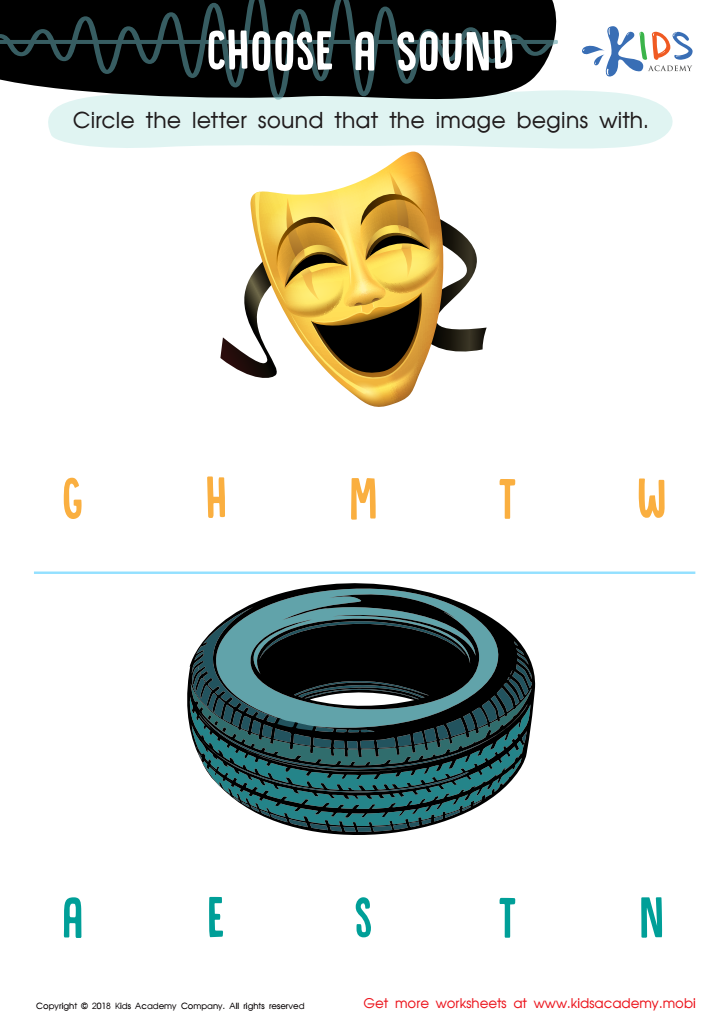
Choose a Sound Worksheet
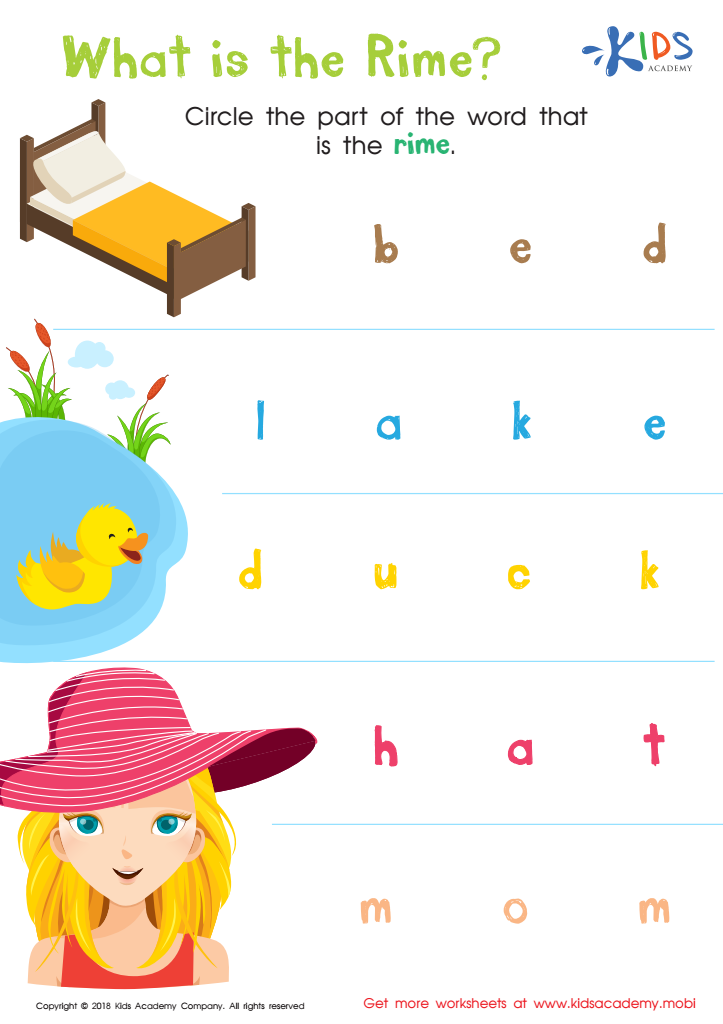
What Is the Rime? Worksheet
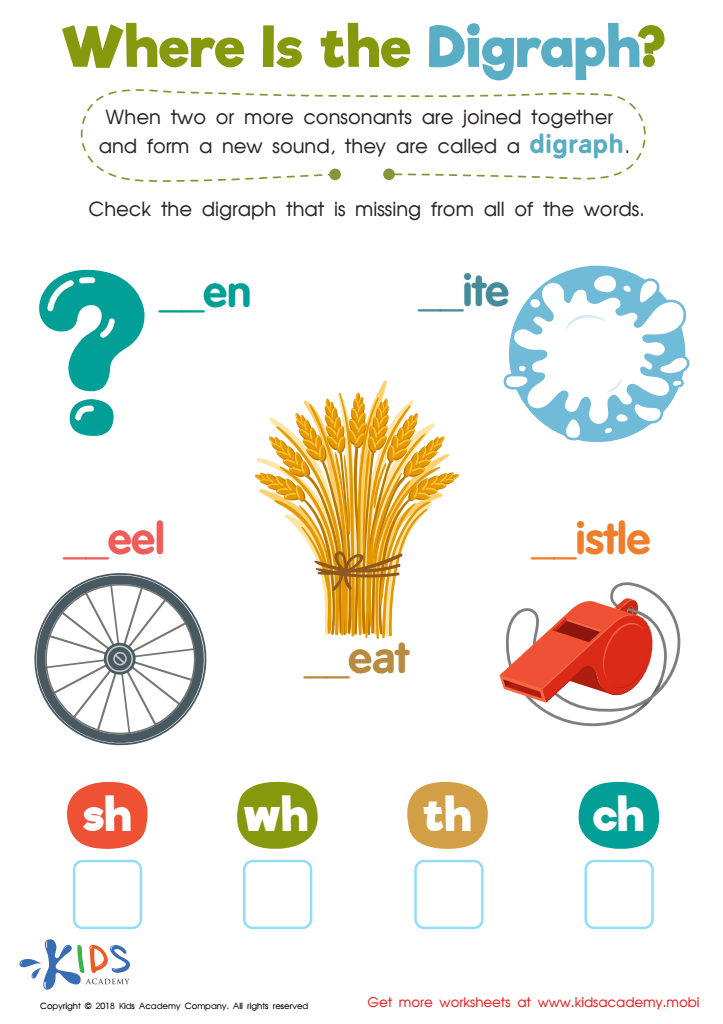
Where Is the Digraph? Worksheet
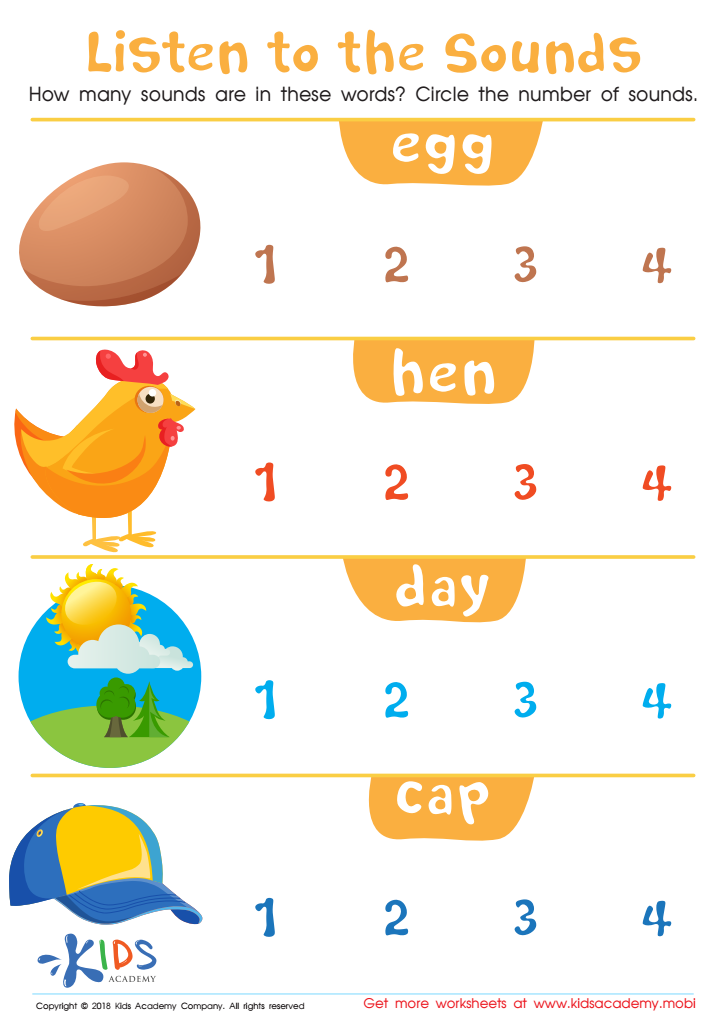
Listen to the Sounds Worksheet
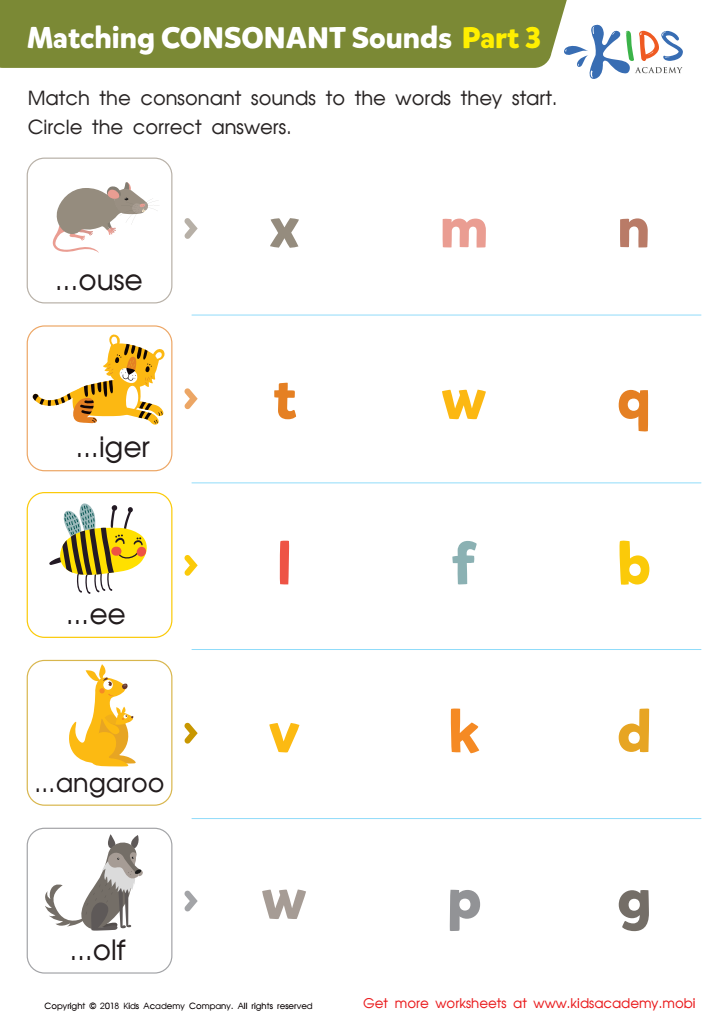
Matching Consonant Sounds: Part 3 Worksheet
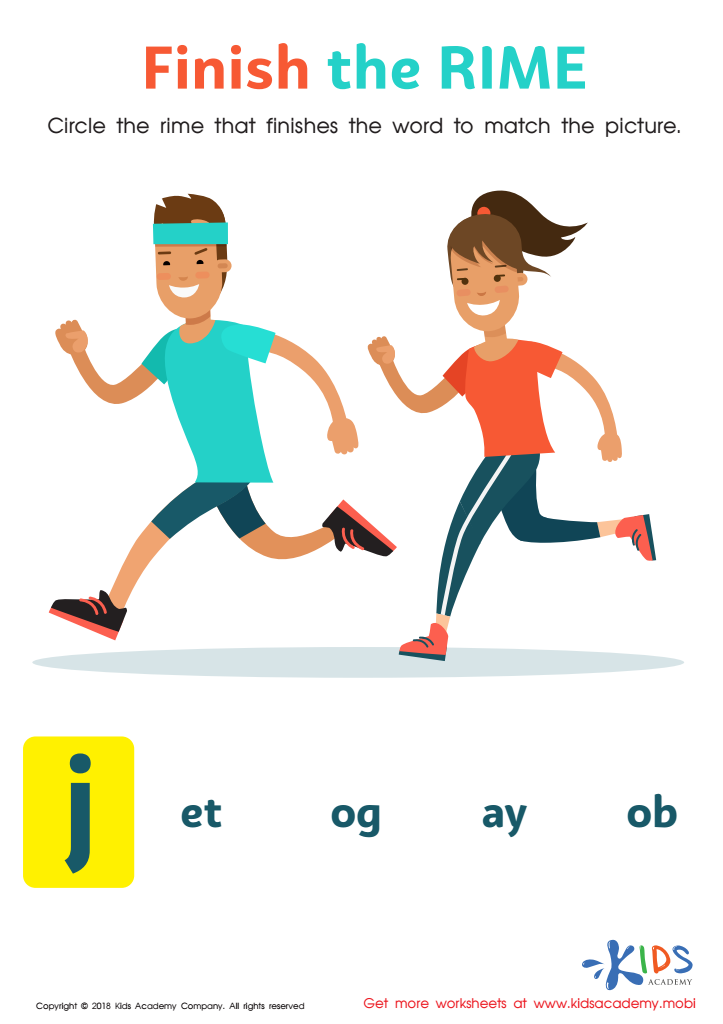
Finish the Rime Worksheet
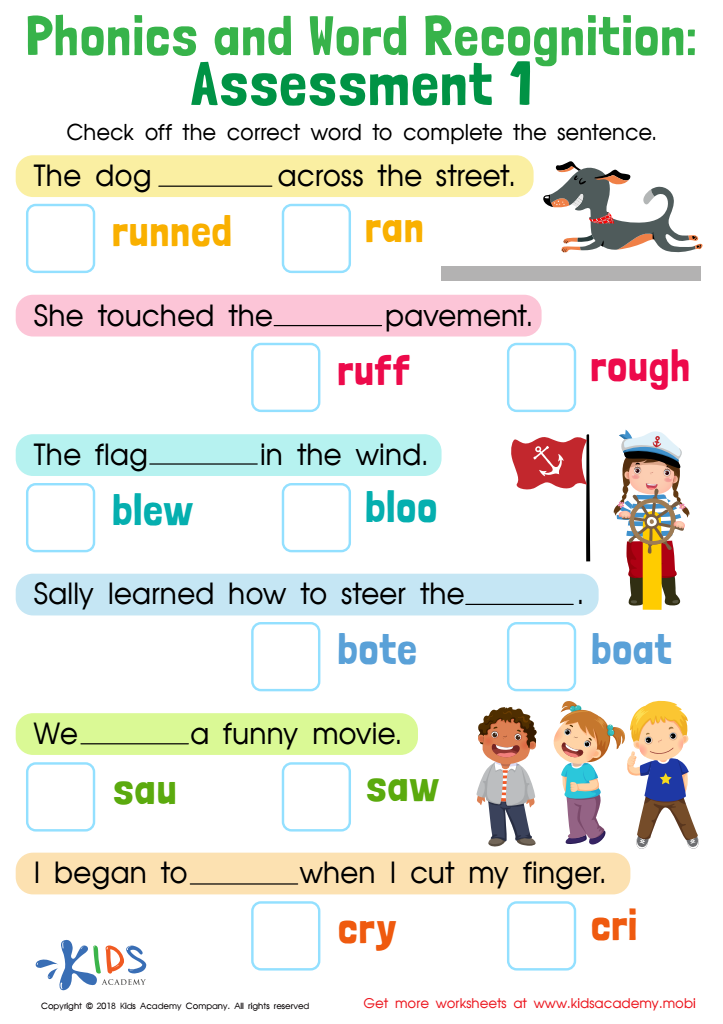
Phonics and Word Recognition: Assessment 1 Worksheet
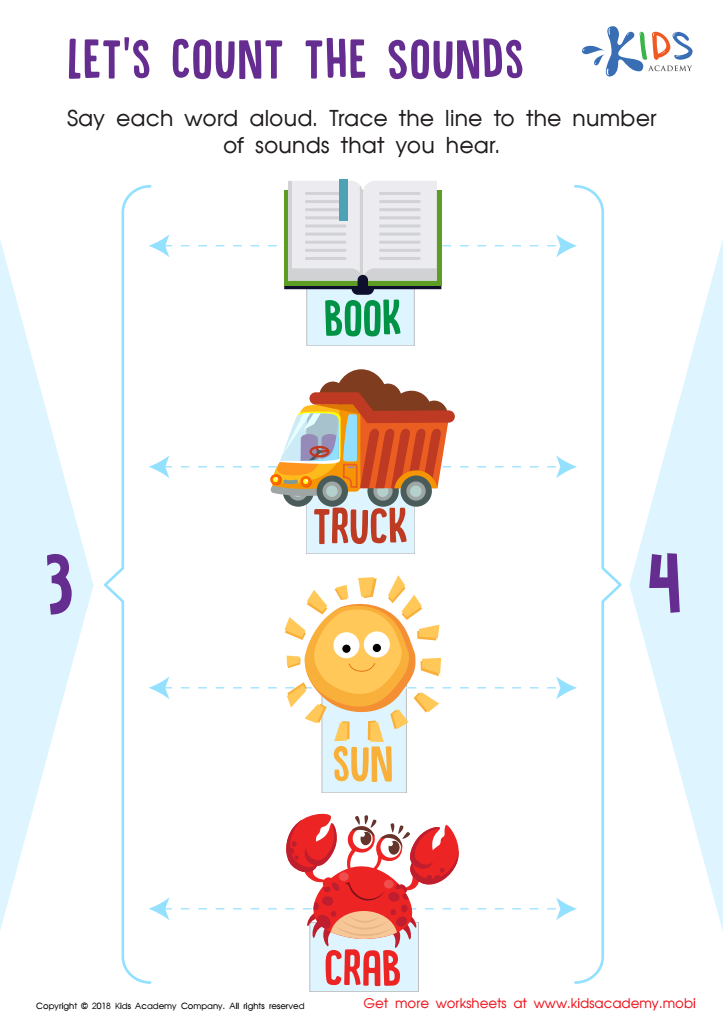
Let's Count the Sounds Worksheet
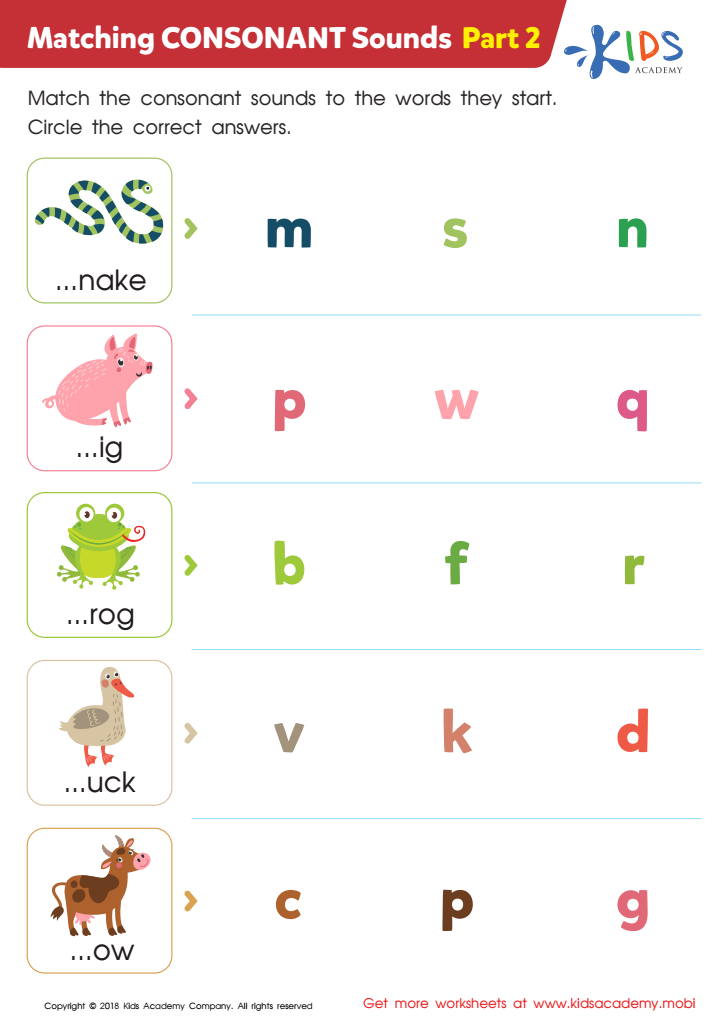
Matching Consonant Sounds: Part 2 Worksheet
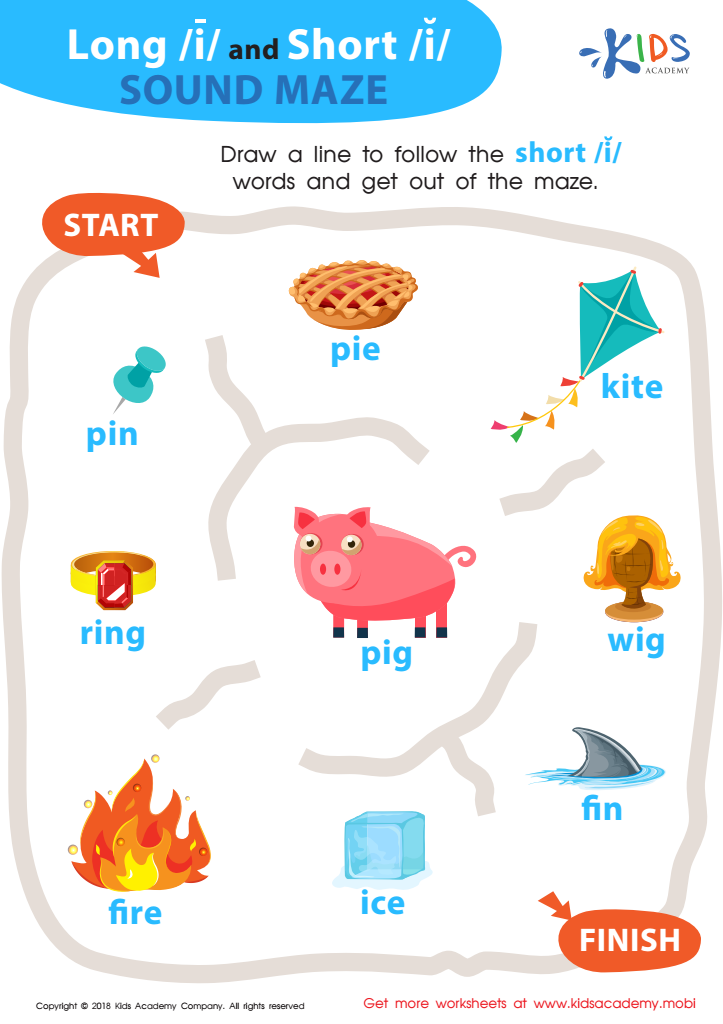
Reading: Long I and Short I Sound Maze Worksheet
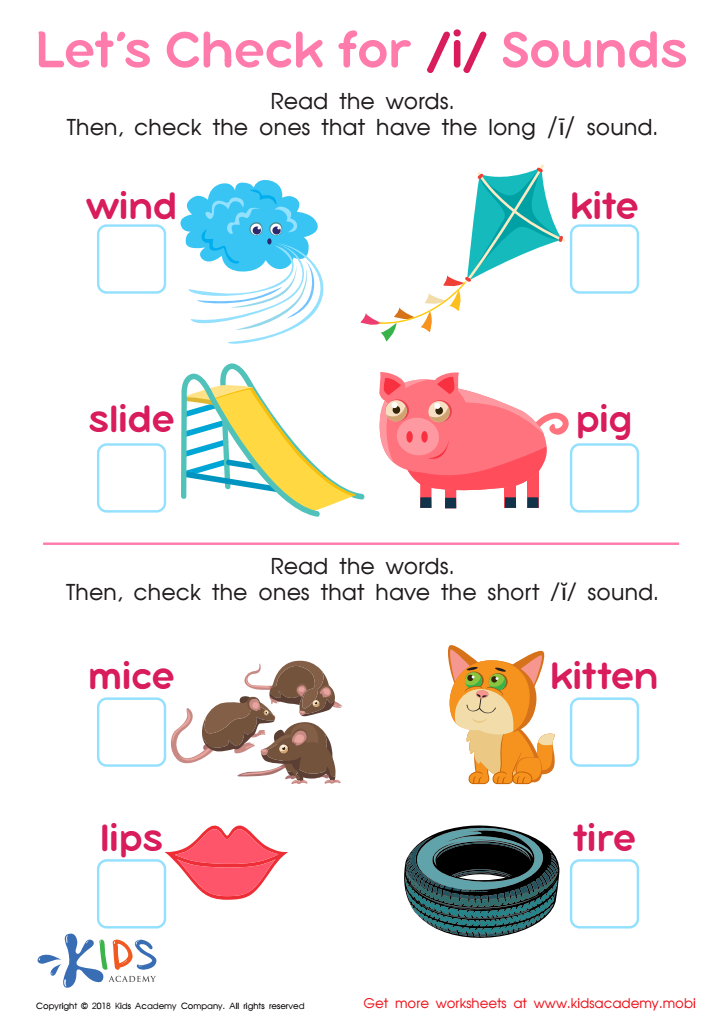
Let's Check for «i» Sounds Worksheet
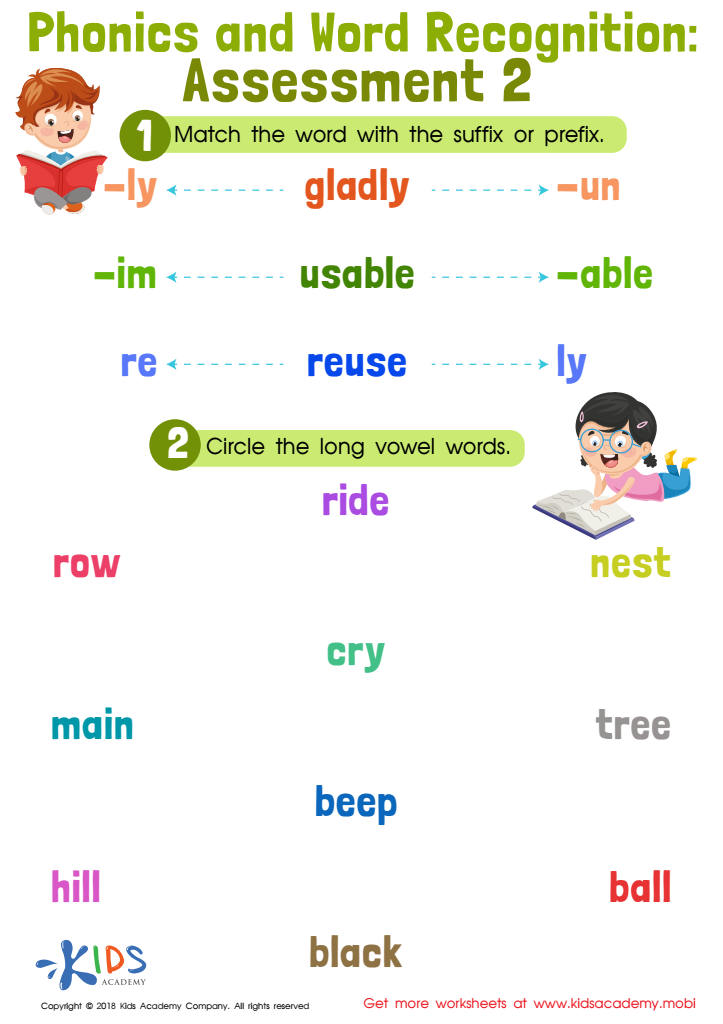
Phonics and Word Recognition: Assessment 2
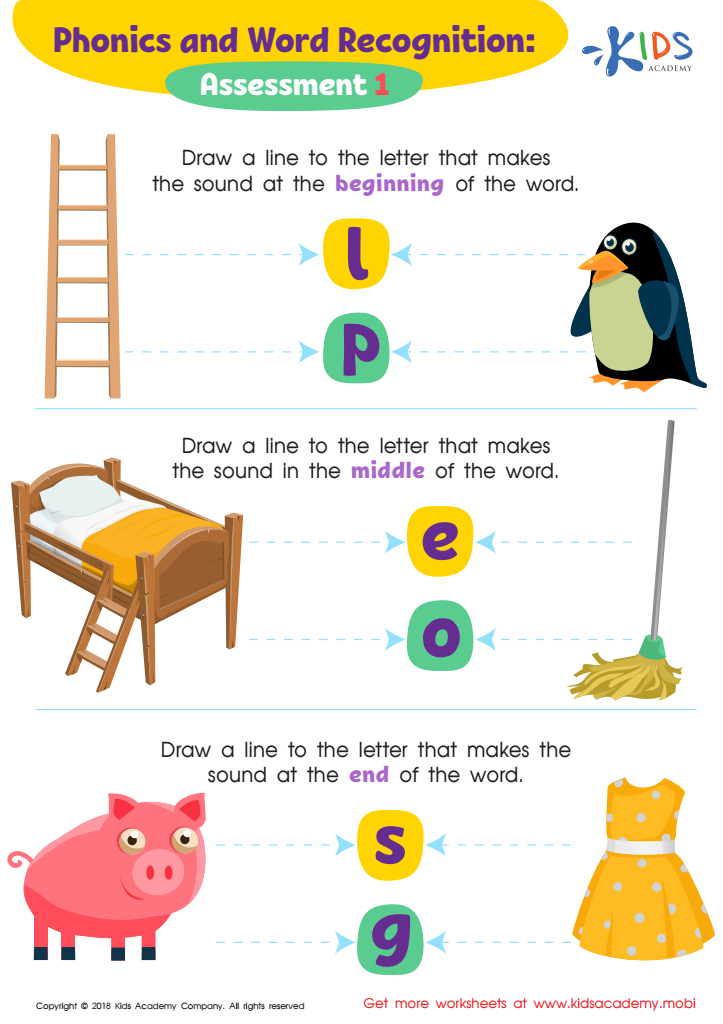
Phonics and Word Recognition: Assessment 1 ELA Worksheet
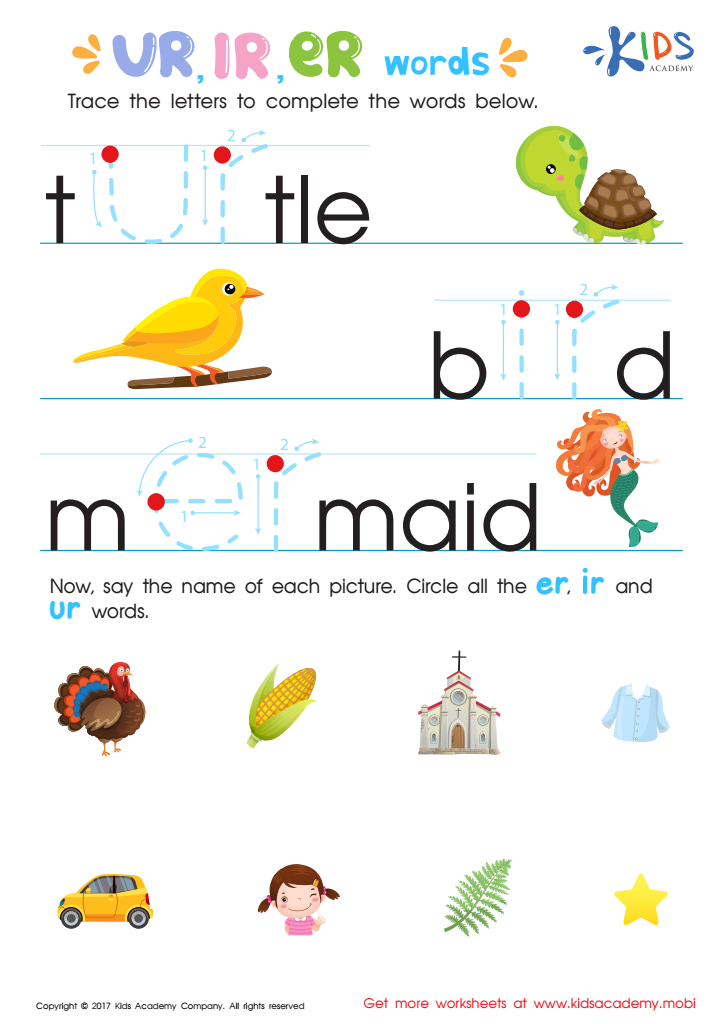
IR UR ER Words Worksheet








Phonics recognition is essential for young learners, particularly those aged 3-7, as it lays the foundational skills necessary for reading and writing. Understanding phonics involves recognizing the relationship between sounds (phonemes) and letters (graphemes), which is vital for decoding words. When parents and teachers prioritize phonics, they help children develop strong literacy skills that can enhance their confidence and foster a love for reading.
At this early stage, children's brains are highly receptive to language patterns. Engaging them with phonics through playful activities and interactive methods makes learning effective and enjoyable. Mastering phonics enables children to sound out unfamiliar words, promoting independence in reading. Moreover, early phonics instruction is linked to improved spelling and comprehension abilities, leading to academic success.
Furthermore, phonics recognition equips children with critical thinking skills as they learn to analyze and manipulate sounds in words. Parents and teachers play a crucial role in creating a supportive environment that encourages phonics learning. Therefore, by investing time and resources into phonics education, they can significantly influence children's long-term literacy outcomes, ensuring they become skilled readers and communicators in the future.







