Filters

7 filtered results

Clear all filters
Favorites
With answer key
Interactive

7 filtered results

Difficulty Level

Grade


Explore our Phonics Skills Development Worksheets designed specifically for ages 3-7! These engaging worksheets blend fun with learning, helping young learners master letter sounds, recognize word patterns, and develop early reading skills. Each activity is crafted by educators to provide age-appropriate, interactive phonics practice. From alphabet recognition to blending sounds, your child will build a solid foundation for reading success. Ideal for parents and teachers seeking effective, printable resources to support phonics education. Unlock your child's reading potential with our expertly designed phonics worksheets and make phonics learning an enjoyable adventure!

Check out this FREE Trial Lesson on Phonics for age 3-7!

Digraphs

Favorites
With answer key
Interactive
  • 3-7
  • Phonics skills development
  • Phonics
Ew words worksheet
Ew words worksheet

EW Words Worksheet

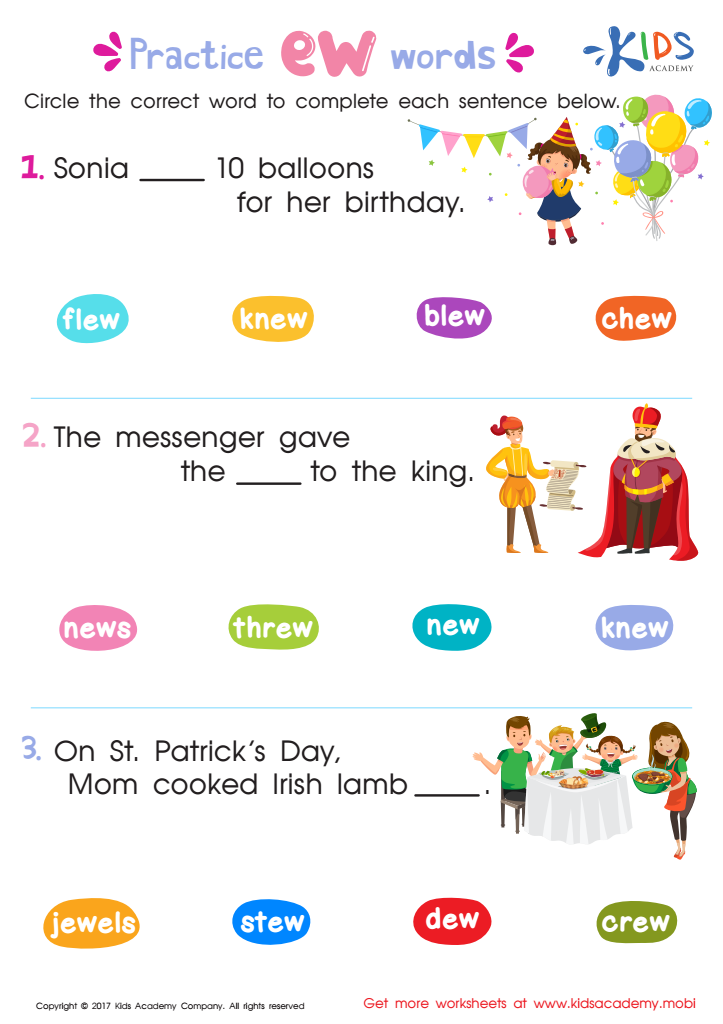
Practice the diphthong ew and boost your child's vocabulary with this fun ew words worksheet! Filled with illustrations, it will help your child hone their reading and spelling skills. Plus, the tricky words will make it both enjoyable and rewarding!
EW Words Worksheet
Worksheet
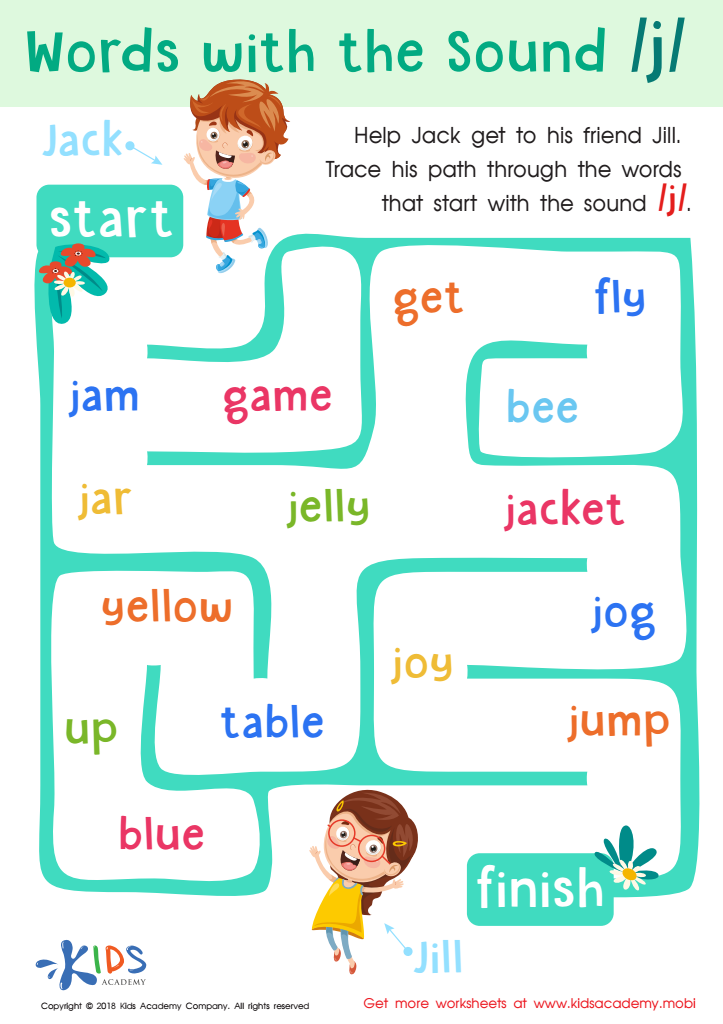
Words with sound j Reading Worksheet

Words with sound j Reading Worksheet

Don't be fooled: The letter J sounds like G in this letter sounds maze! Kids will enjoy helping Jack find Jill by listening to beginning sounds and tracing a path to the exit. Choose words that start with the letter J sound to complete the challenging maze!
Words with sound j Reading Worksheet
Worksheet
Words with Sound Q Reading Worksheet

Words with Sound Q Reading Worksheet

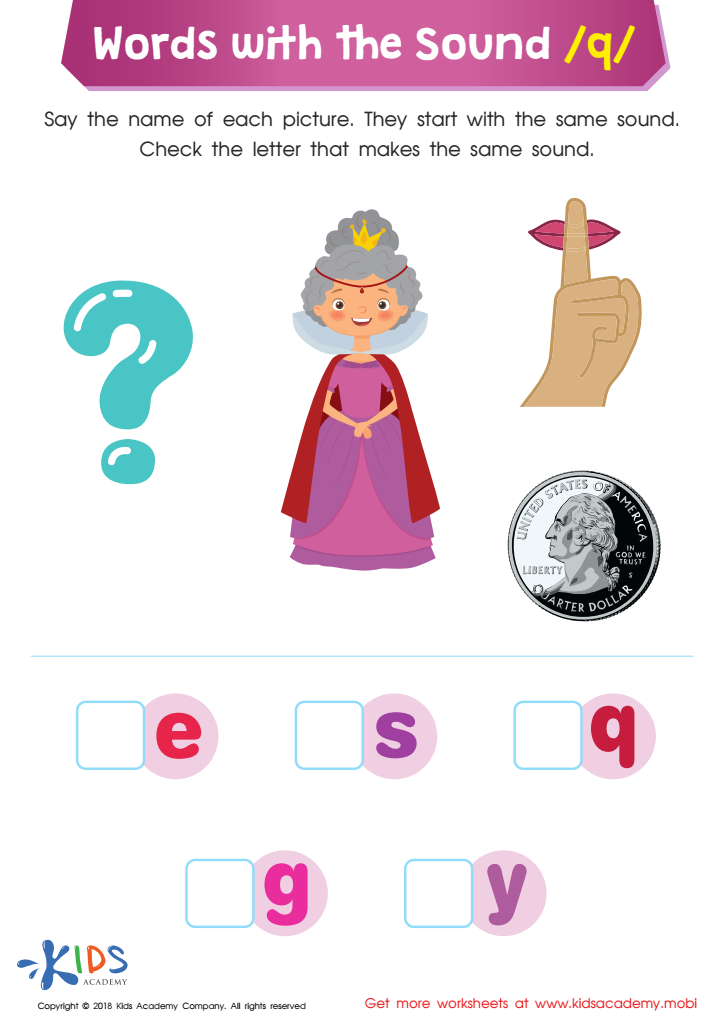
Beginning readers will love this free PDF worksheet! Bright colors and familiar pictures make it fun, as they say the name of each image and work on fine motor skills. Letters “q” is featured among others, helping to recognize and isolate its sound, which is often seen with a “u” behind it.
Words with Sound Q Reading Worksheet
Worksheet
Phonics for Kids | Short Vowel Sound U | PDF Worksheet 2

Short Vowel Sound U Worksheet

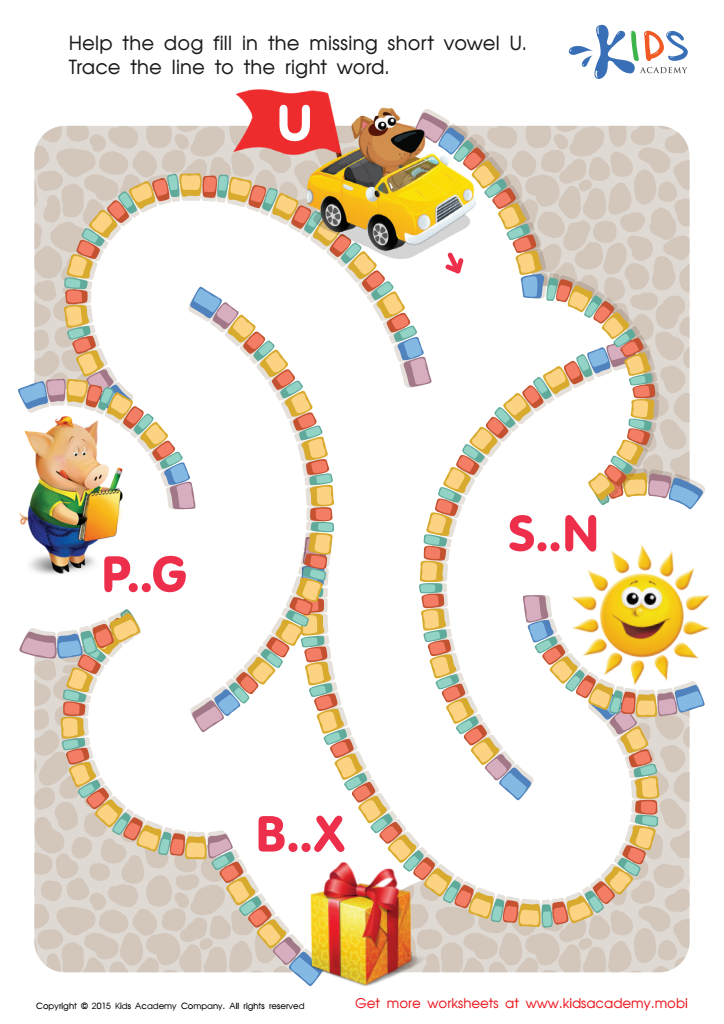
Practice abc phonics to help young learners link sounds to letters. This free printable phonics worksheet helps your kid learn the short vowel sound U. Guide them through the maze to help the dog complete the word "sun". Make sure they say the word out loud to emphasize the short U sound. Check out more phonics worksheets with mazes here.
Short Vowel Sound U Worksheet
Worksheet
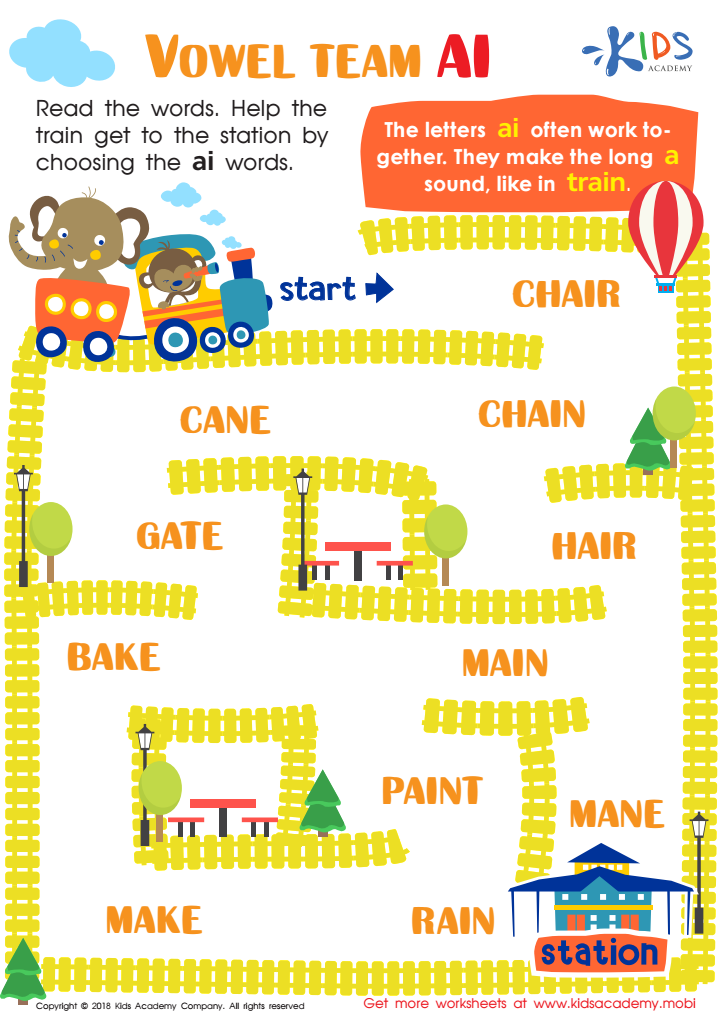
Vowel team ai Worksheet

Vowel team ai Worksheet

Kids will have a blast learning about the -ai digraph with this fun worksheet. They'll read words with it and practice their motor skills as they help the animal duo get back to the train station. With success, they'll smile and enjoy the activity!
Vowel team ai Worksheet
Worksheet
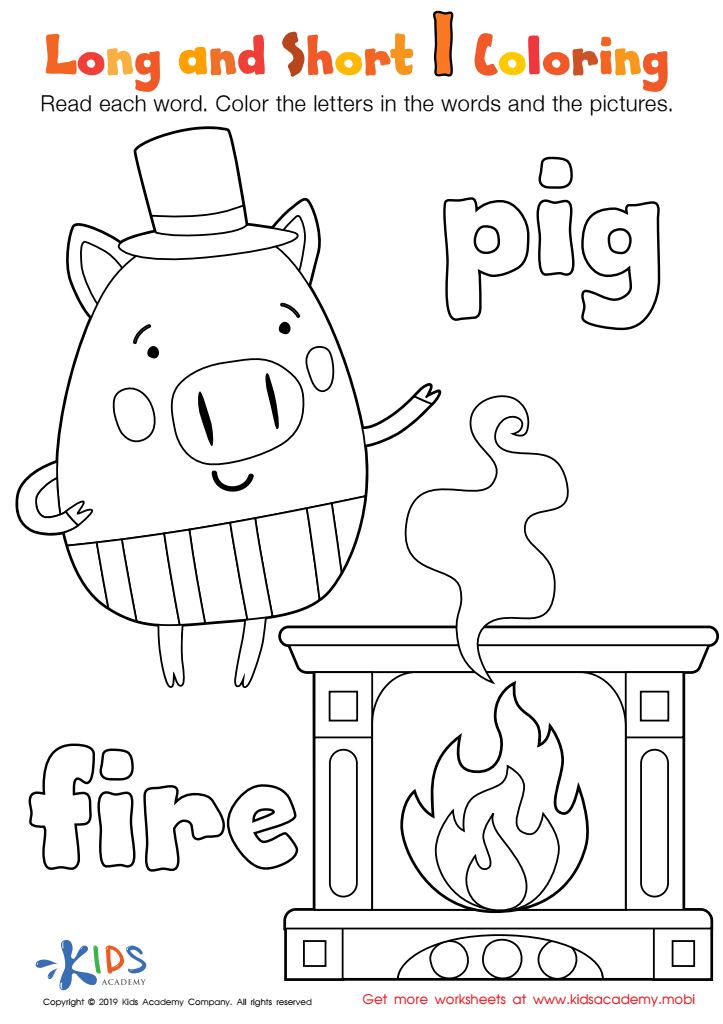
Long and Short I Worksheet

Long and Short I Worksheet

Print the worksheet and have the students read "pig" and "fire". Check for understanding the difference between long and short vowels. Color in words and pictures to make learning phonics fun! This exercise is perfect for introducing the topic to your students.
Download (PDF)
Assign to My Students
Long and Short I Worksheet
Worksheet
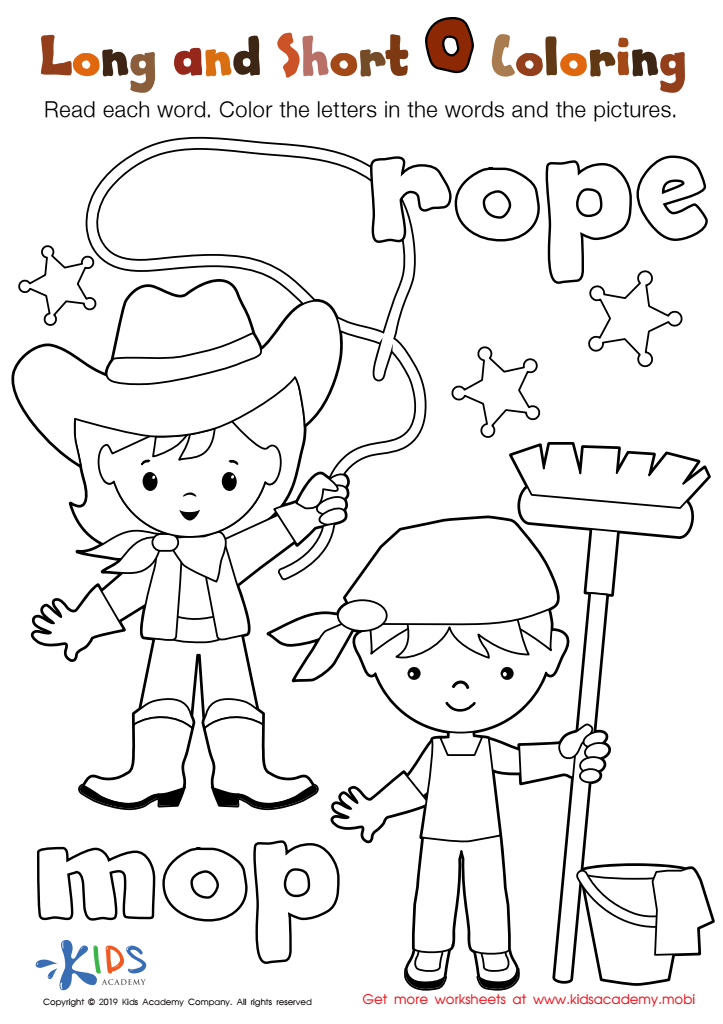
Long and Short O Worksheet

Long and Short O Worksheet

Help your students recognize the difference between long and short «Os» with this fun printout. Let them read and color-in "rope" and "mop" simultaneously. Listen to the different sounds, then color the words and pictures. Great for classes, it'll make your phonics lesson memorable and enjoyable.
Download (PDF)
Assign to My Students
Long and Short O Worksheet
Worksheet


Phonics skills development is crucial for children ages 3-7, as it forms the foundation for their reading and writing abilities. Phonics teaches children the relationships between letters and sounds, enabling them to decode words accurately and fluently. When parents and teachers prioritize phonics instruction, they empower children to become confident readers who can comprehend and enjoy texts. This early reading proficiency, in turn, supports academic success across all subjects, as literacy skills are fundamental in understanding new content.

Furthermore, strong phonics skills contribute to a child’s vocabulary and language development. As children learn to decode new words, they naturally encounter and understand more complex vocabulary, which enriches their spoken and written language.

Phonics also fosters a love for reading by making the process of learning to read less frustrating. When children can sound out words and recognize patterns, they gain a sense of achievement and are more likely to engage with books positively. This early enthusiasm for reading instills lifelong learning habits and curiosity.

Additionally, early phonics instruction addresses potential learning difficulties, such as dyslexia, by providing targeted strategies that can help these children catch up to their peers. Therefore, investing time in phonics skills development sets a strong educational foundation and opens the door to lifelong literacy and learning.