Vocabulary expansion Phonics Worksheets for Ages 3-7 - Page 3
55 filtered results
-
From - To
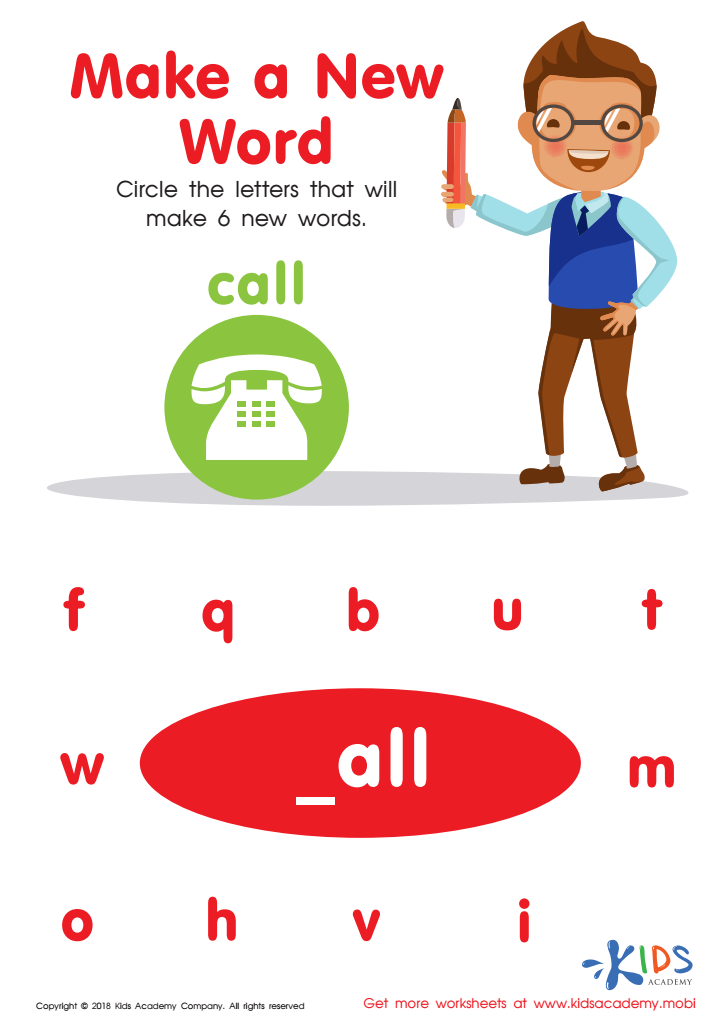
Make a New Word Worksheet
 Assign to My Students
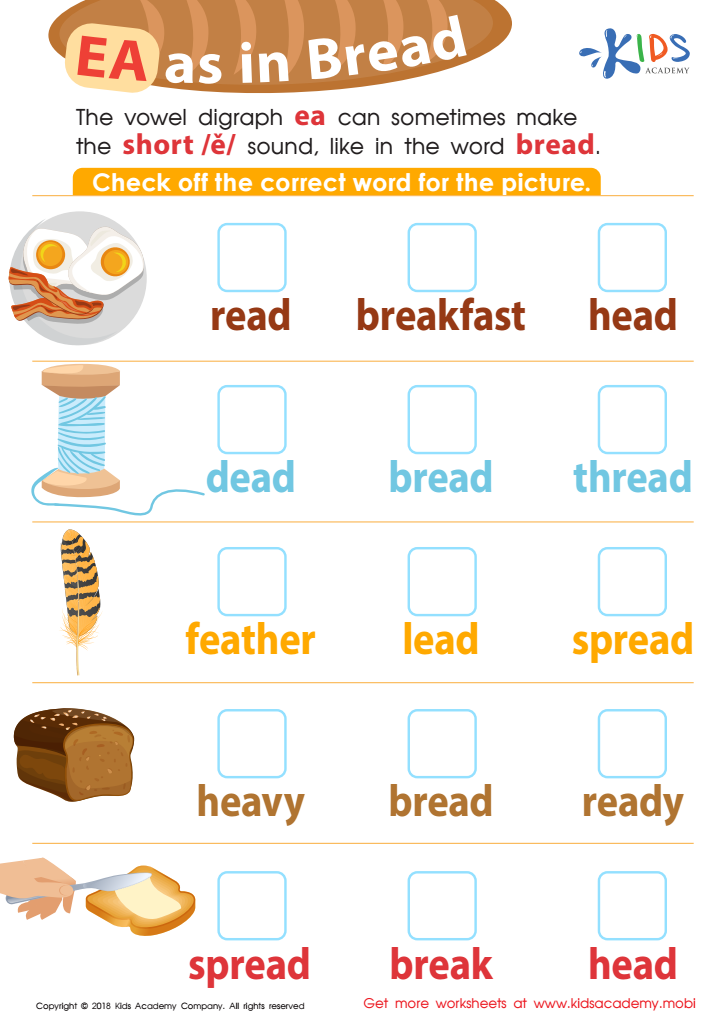
Reading: EA as in Bread Worksheet
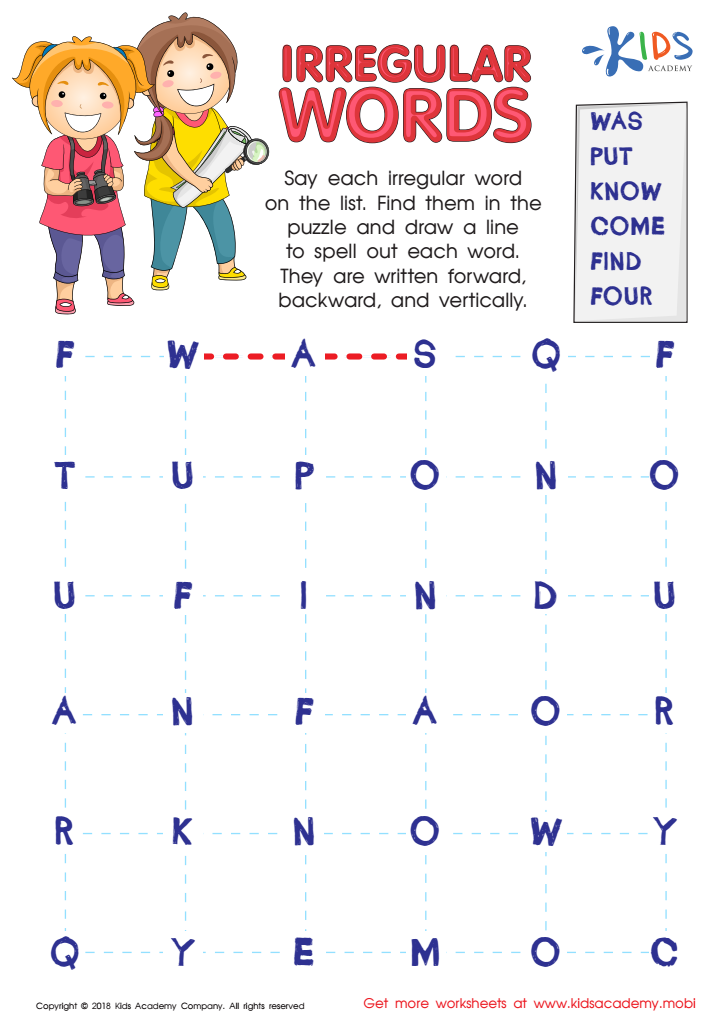
Irregular Words Worksheet
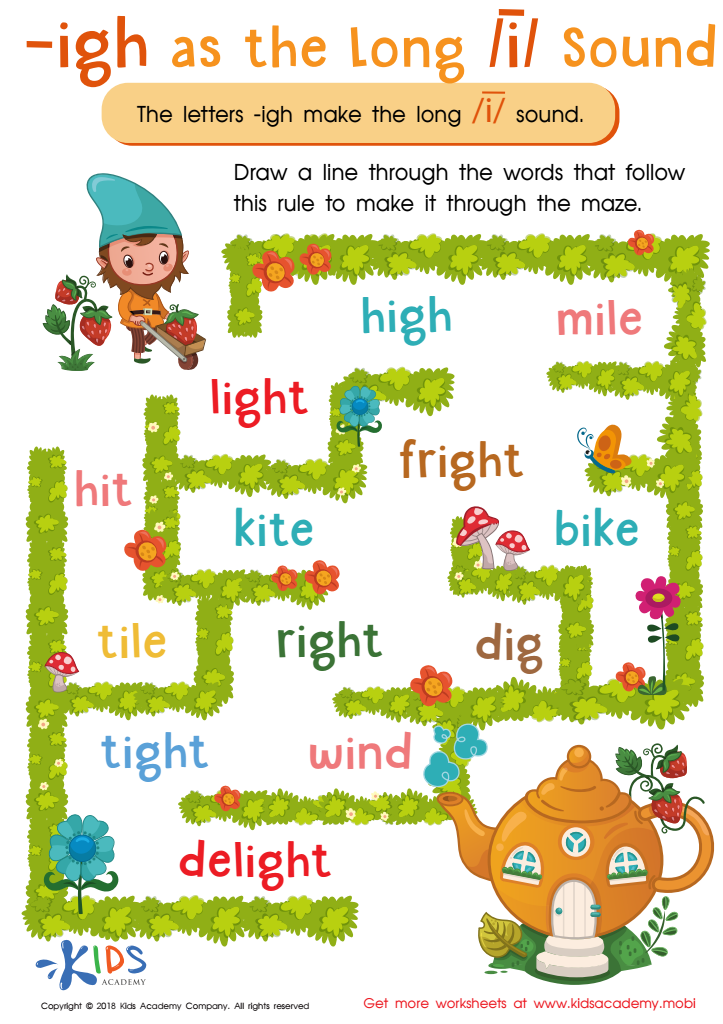
Reading: IGH as Long I Worksheet
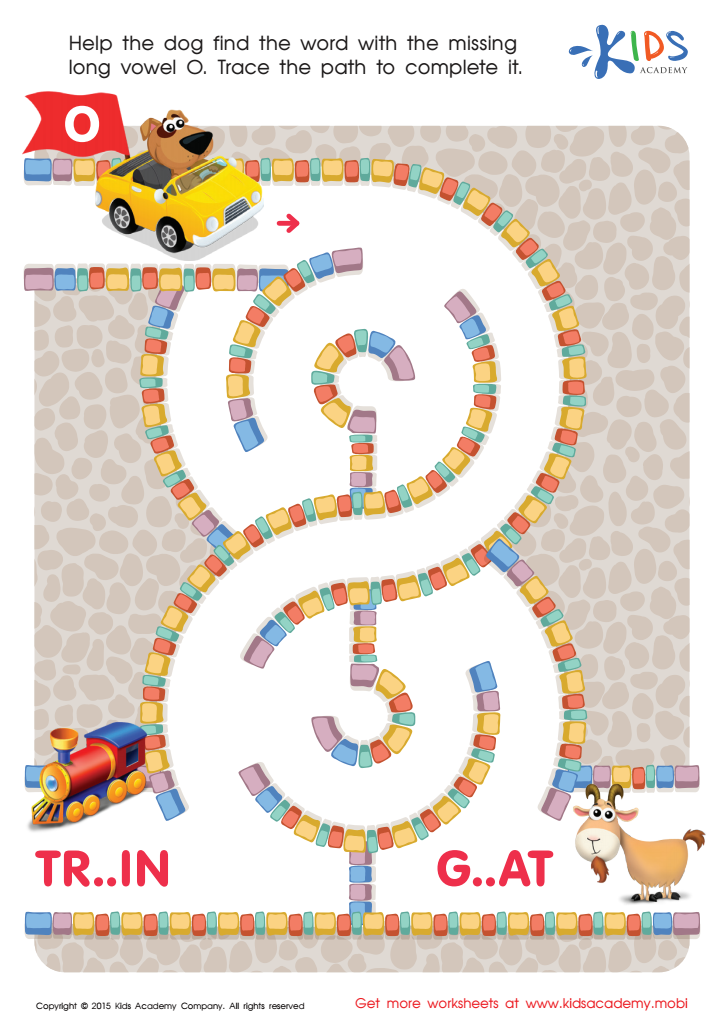
Long Vowel Sound O Worksheet
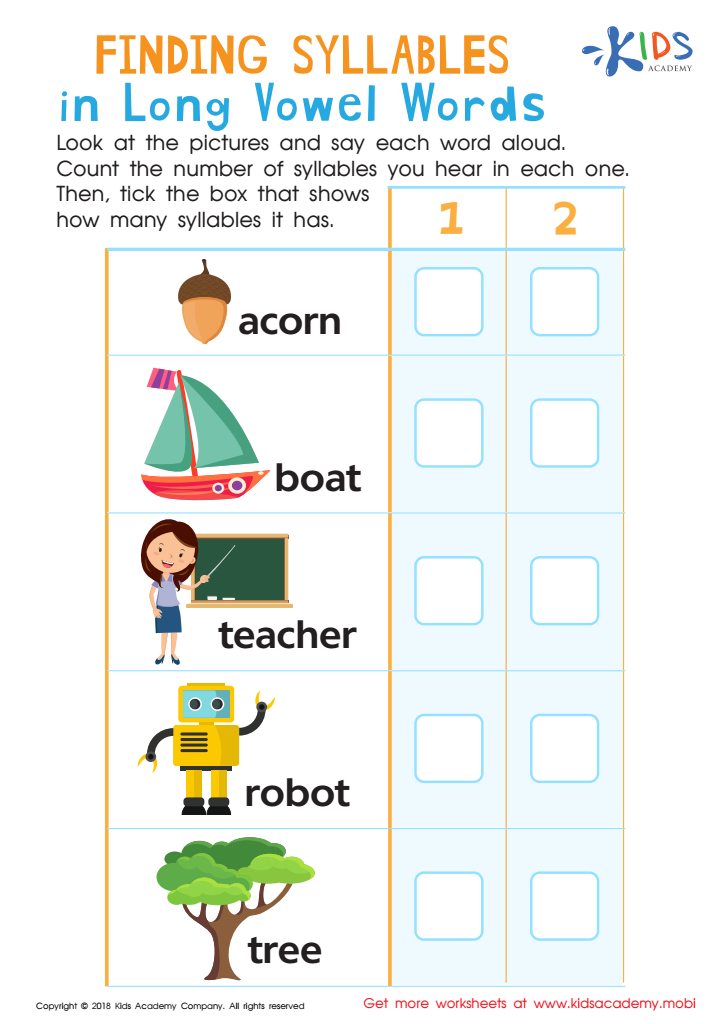
Finding Syllables in Long Vowel Words Worksheet
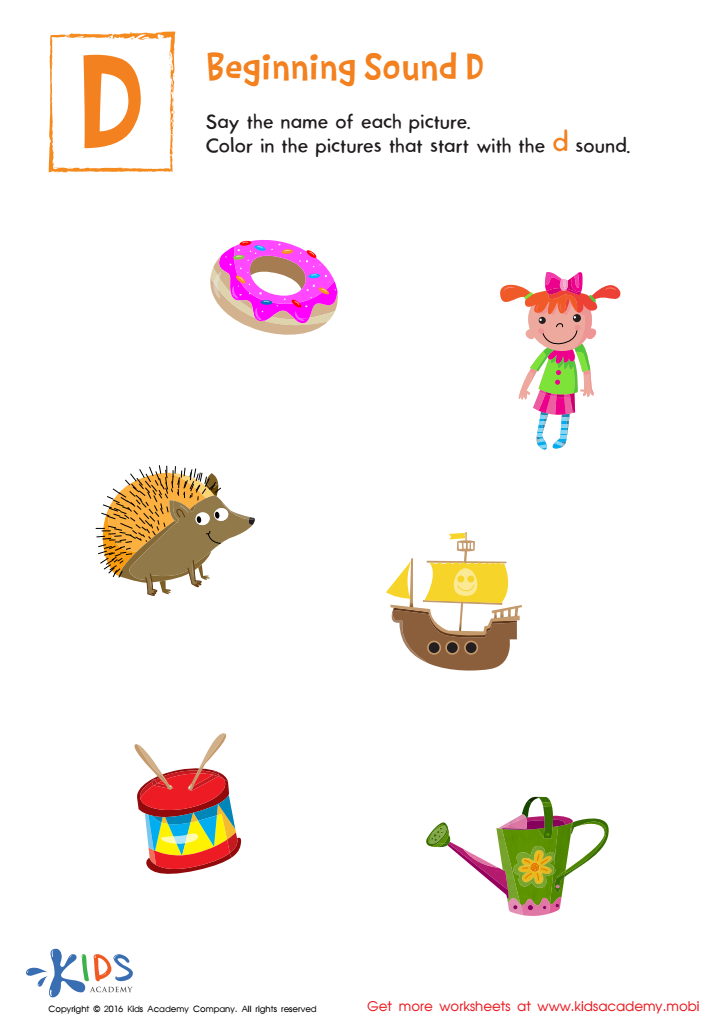
Beginning Sound D Worksheet








Understanding the importance of vocabulary expansion and phonics education for children ages 3-7 is crucial for parents and teachers because these foundational skills are essential for literacy and overall academic success. At this developmental stage, children's brains are exceptionally receptive to learning language. Early exposure to a rich vocabulary enhances language skills, improving their ability to express thoughts, understand others, and engage meaningfully in classroom activities.
Phonics—the relationship between letters and their sounds—forms the basis for decoding new words. Proficient phonics skills enable children to read independently, fostering a love for reading and opening doors to a vast array of knowledge. When children learn to recognize and decode words efficiently, they can focus more on comprehension rather than struggling with word recognition. This early literacy foundation supports future learning across all subjects, as reading is integral to most educational activities.
Moreover, a robust vocabulary and strong phonics skills contribute to a child's social development. Effective communication enhances interactions with peers and adults, building confidence and social competence. In essence, investing time and resources into vocabulary expansion and phonics during early childhood sets the stage for continuous learning, academic achievement, and social-emotional well-being, thereby preparing children for a successful future.







