Alphabet Recognition Tracing Letters Worksheets for Ages 3-7 - Page 2
28 filtered results
-
From - To
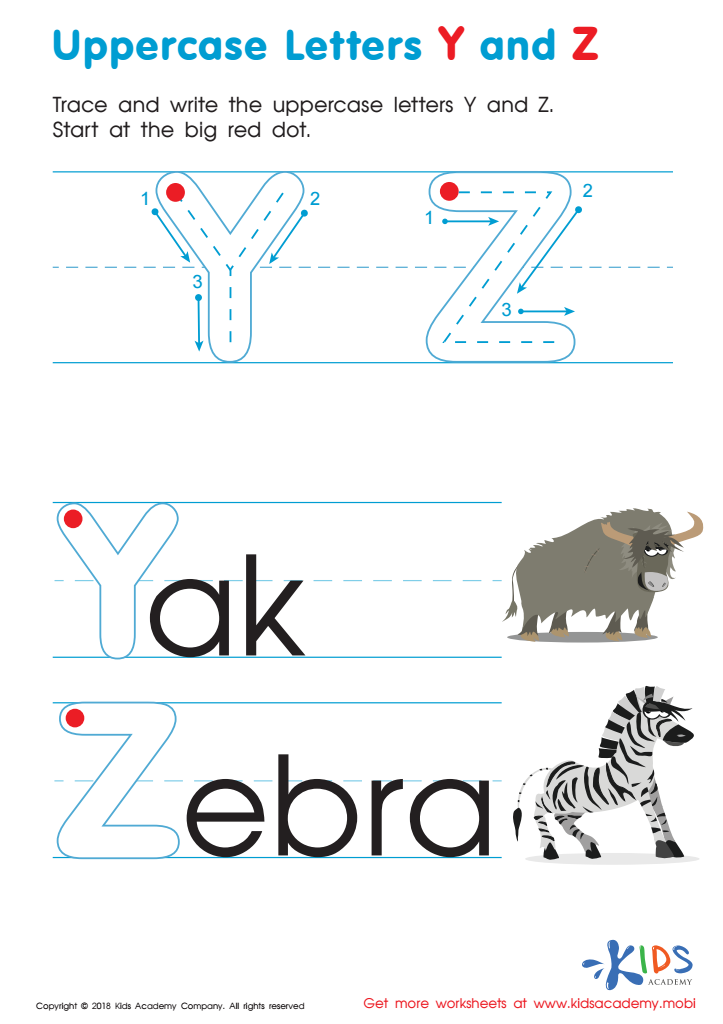
Uppercase Letters Y Z Worksheet
 Assign to My Students
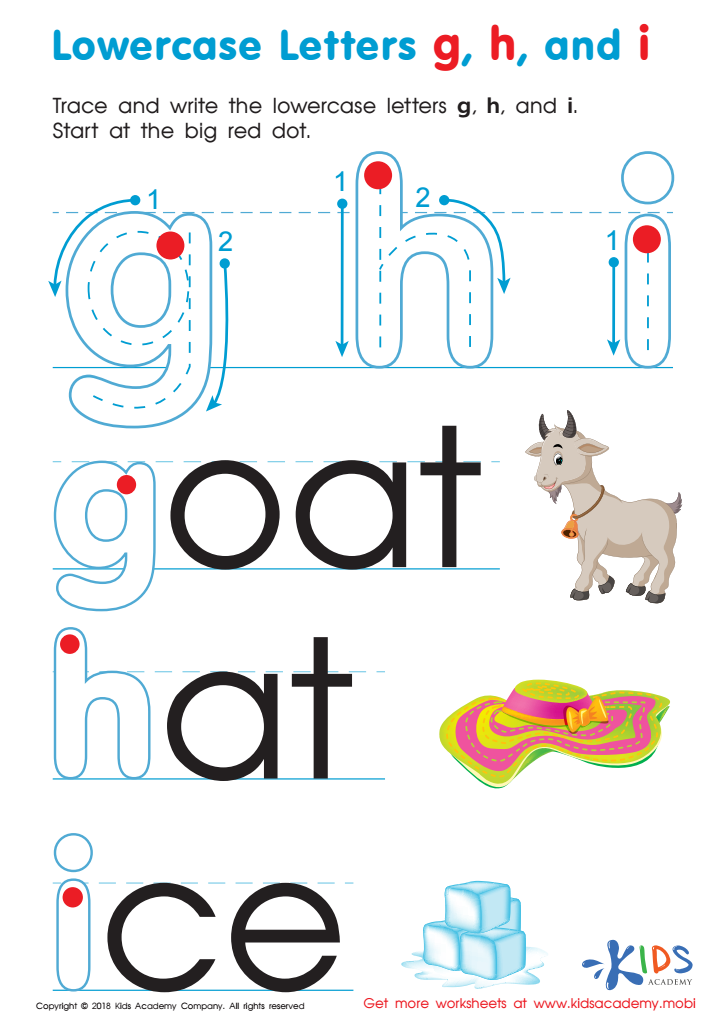
Lowercase Letters g h i Worksheet
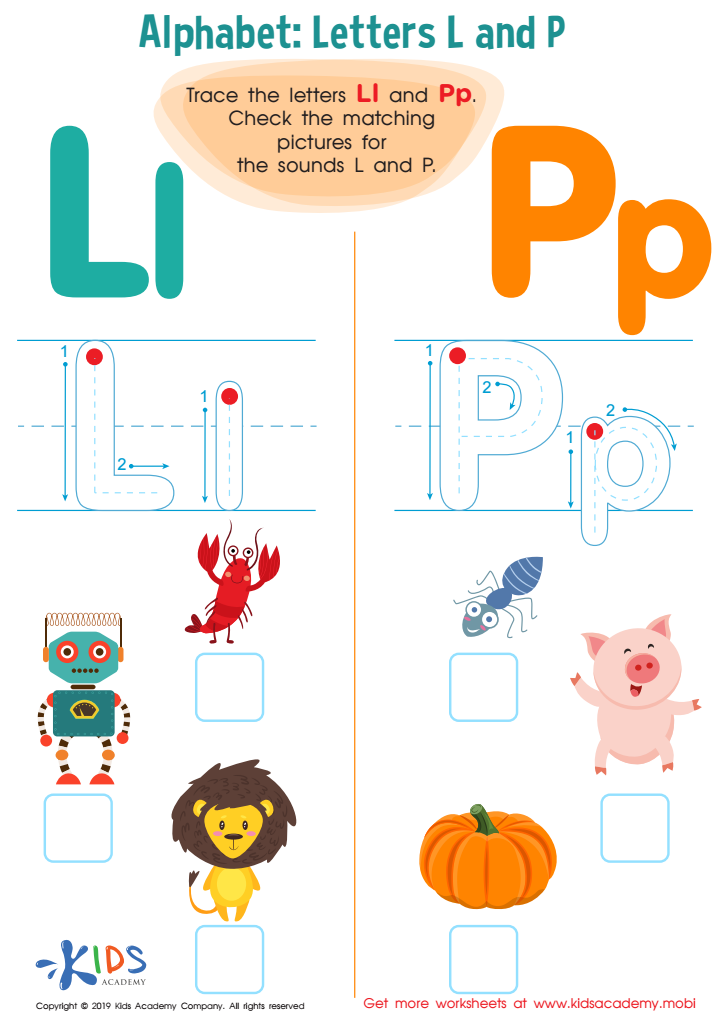
Letter L and P Tracing Worksheet
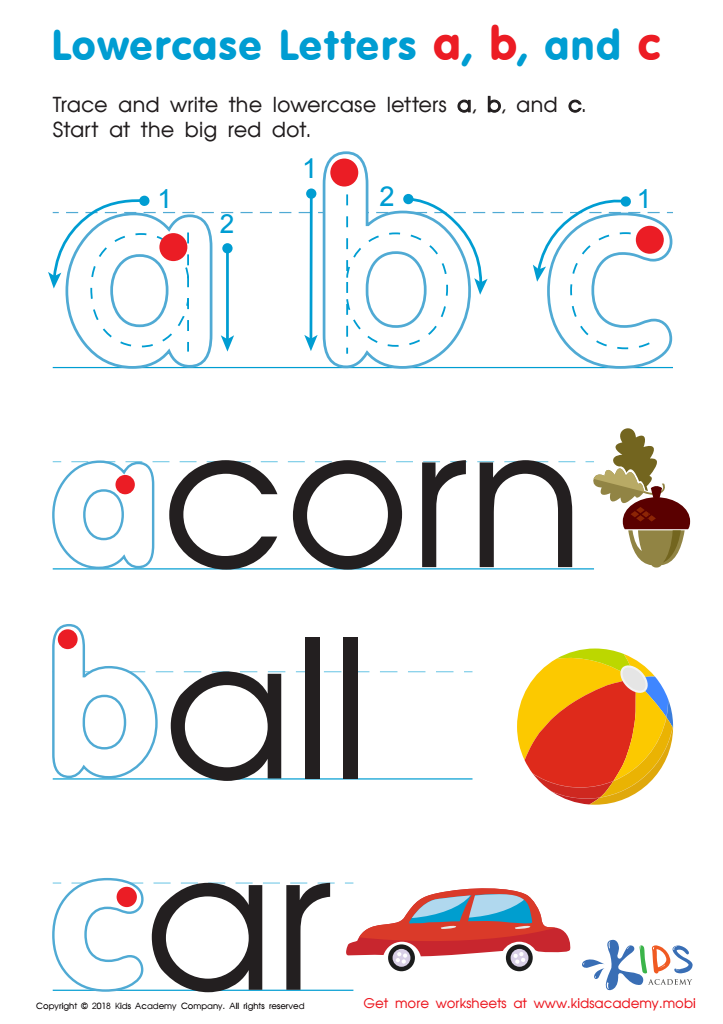
Lowercase Letters a b c Worksheet








Alphabet recognition and letter tracing are fundamental components of early literacy skills crucial for children ages 3-7. Parents and teachers should care about these activities because they lay the foundation for reading and writing. When children recognize letters and can trace them, they develop a strong understanding of the alphabet, which is essential for phonics instruction and developing spelling skills.
Furthermore, early exposure to letter tracing reinforces fine motor skills, crucial for handwriting. As children practice tracing, they strengthen the muscles in their hands and improve their hand-eye coordination, which will serve them well in almost all areas of learning. Engaging in these activities also sparks children’s interest in language and letters, fostering a love for reading and writing from an early age.
Additionally, mastering alphabet recognition can boost children's confidence, helping them feel more prepared as they enter formal education. Parents and teachers can utilize fun interactive games and activities to make this learning process enjoyable, ensuring that children stay motivated. Ultimately, prioritizing alphabet recognition and letter tracing is an investment in children's educational journey, equipping them with essential skills for future academic success while promoting a lifelong love for literacy.








