Handwriting Skills Tracing Letters Worksheets for Ages 3-7
9 filtered results
-
From - To
Discover our engaging Handwriting Skills Tracing Letters Worksheets, specially designed for children aged 3-7. These worksheets provide a fun and effective way to introduce young learners to the basics of letter formation and handwriting. Each worksheet features clear, easy-to-follow tracing patterns that help develop fine motor skills, strengthen hand-eye coordination, and enhance visual recognition of letters. Perfect for preschoolers and early elementary students, our worksheets support foundational literacy skills while keeping kids entertained. Download our printable resources today and set your child on a path to confident handwriting and academic success! Explore learning through play and creativity!
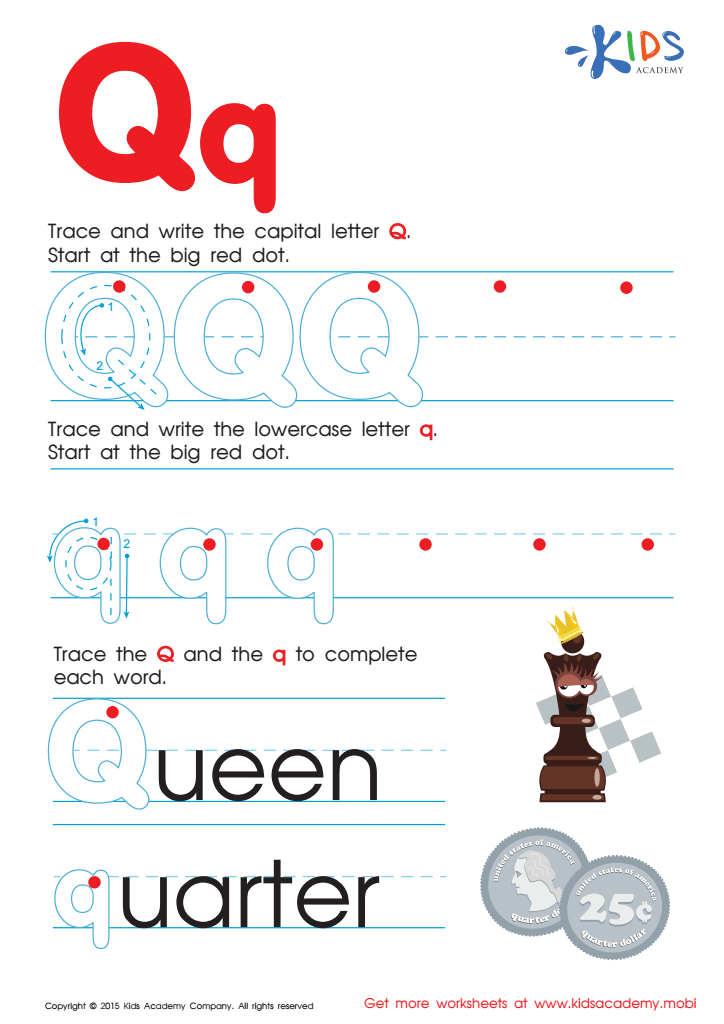
Letter Q Tracing Page
 Assign to My Students
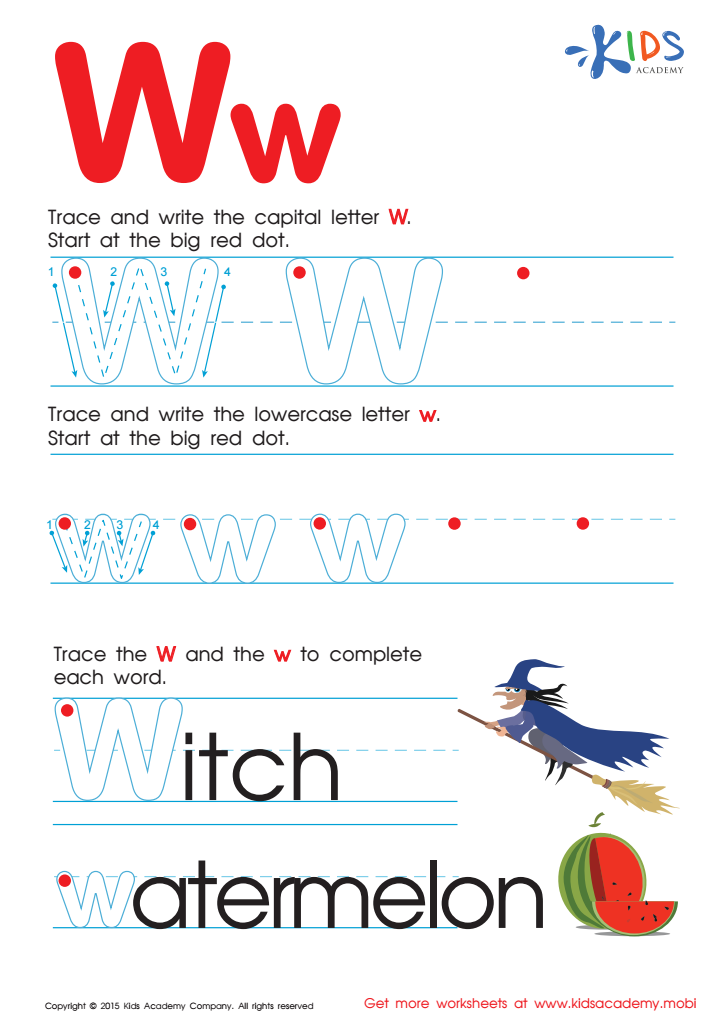
Letter W Tracing Page
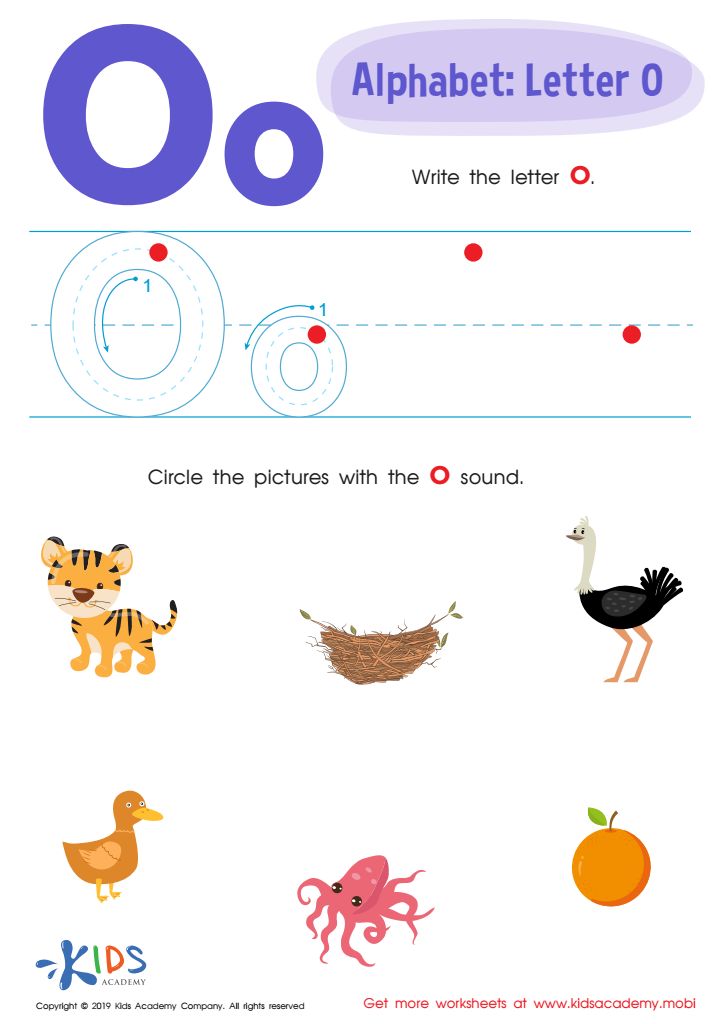
Letter O Tracing Worksheet
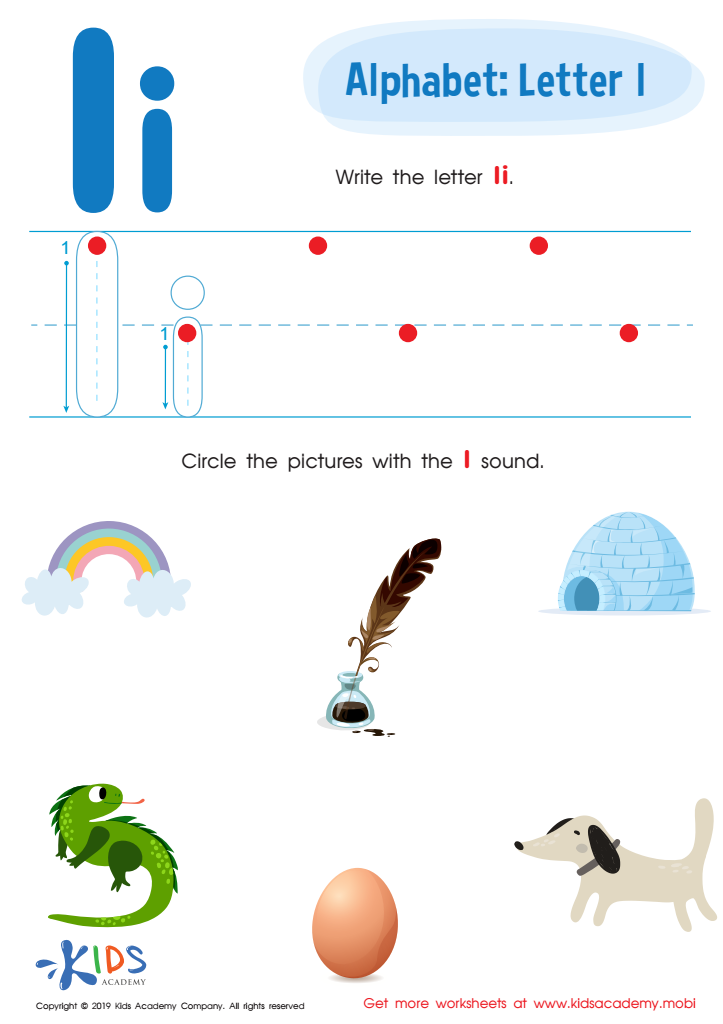
Letter I Tracing Worksheet
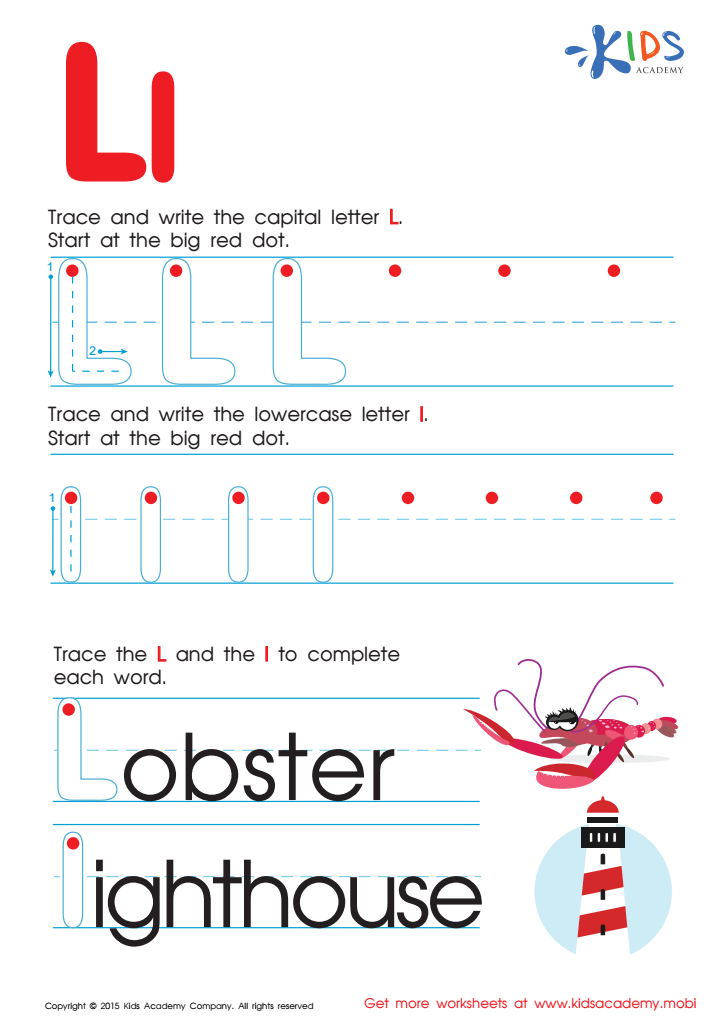
Letter L Tracing Page
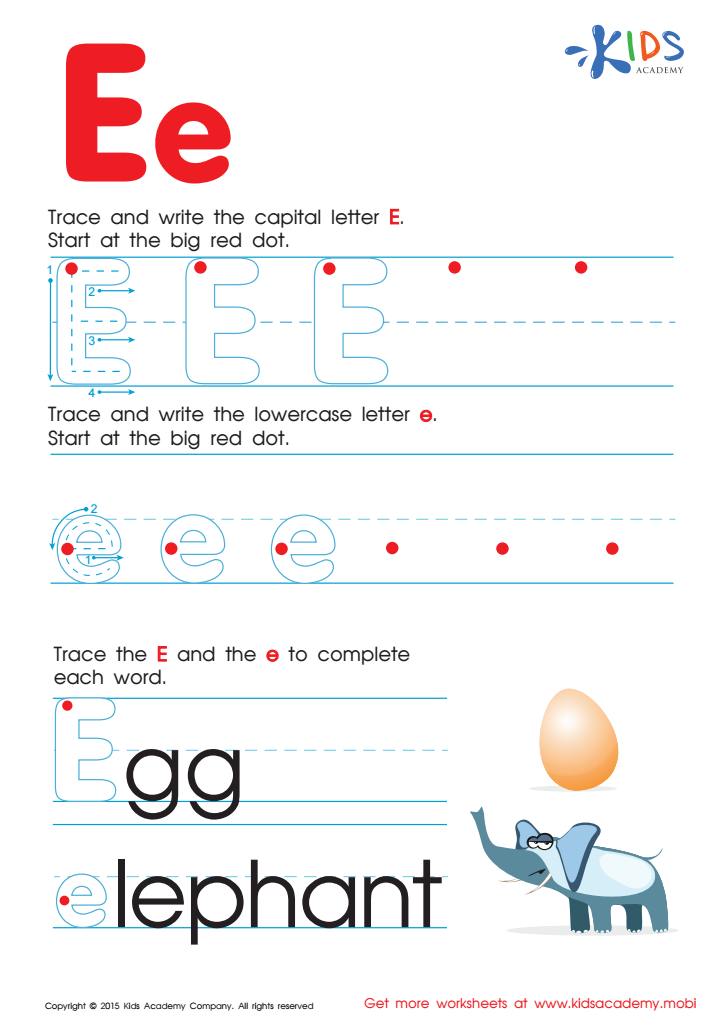
Letter E Tracing Page
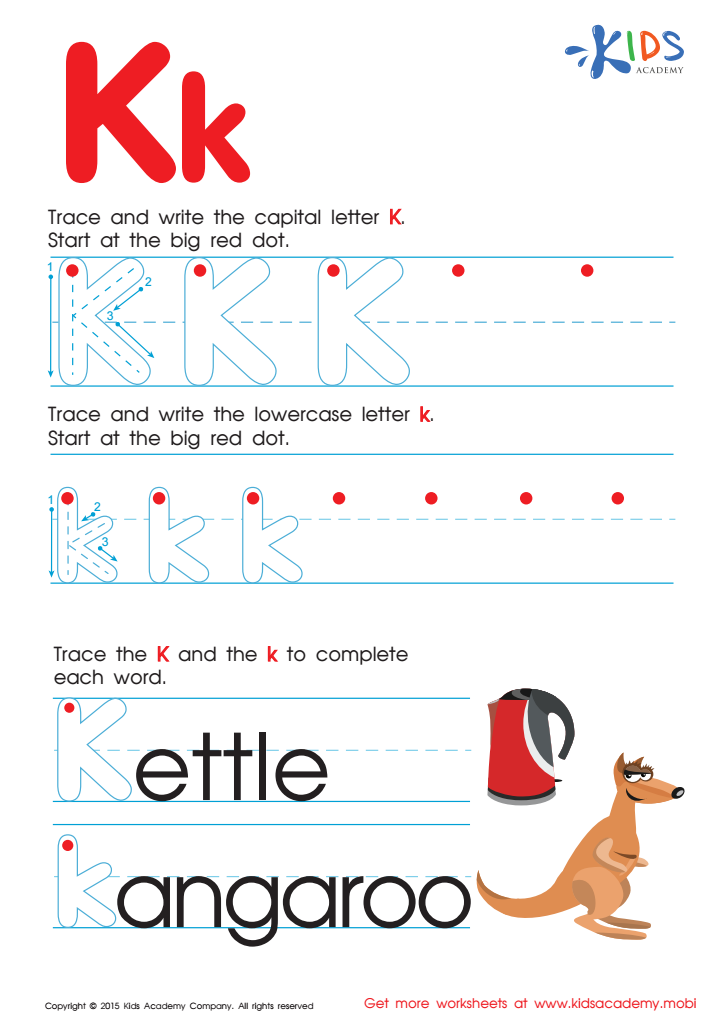
Letter K Tracing Page
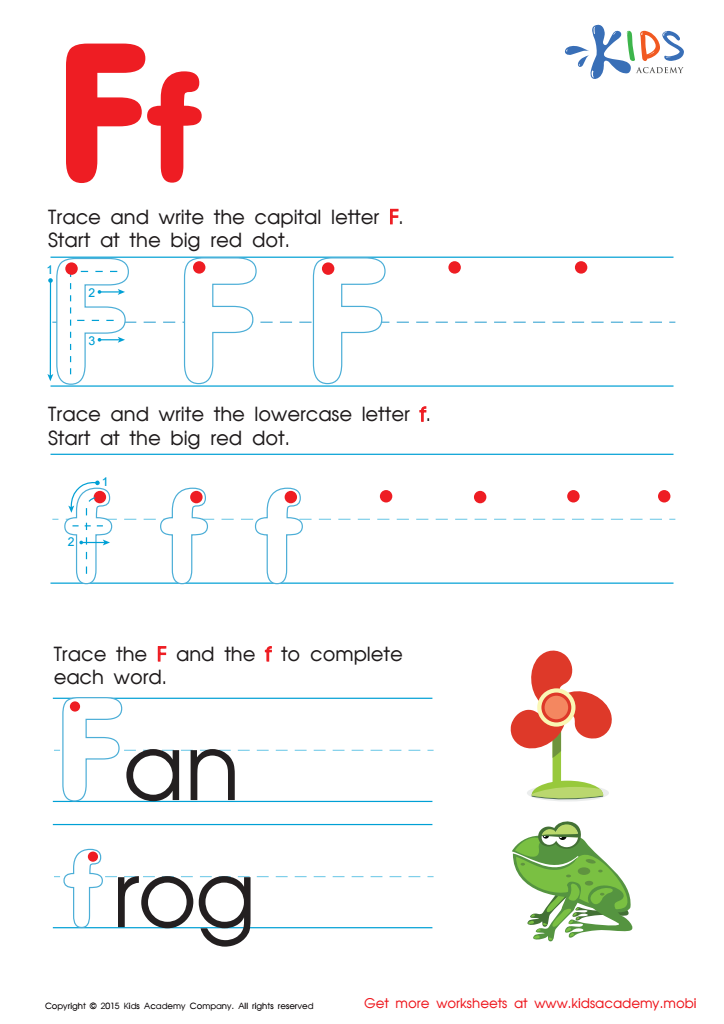
Letter F Tracing Page
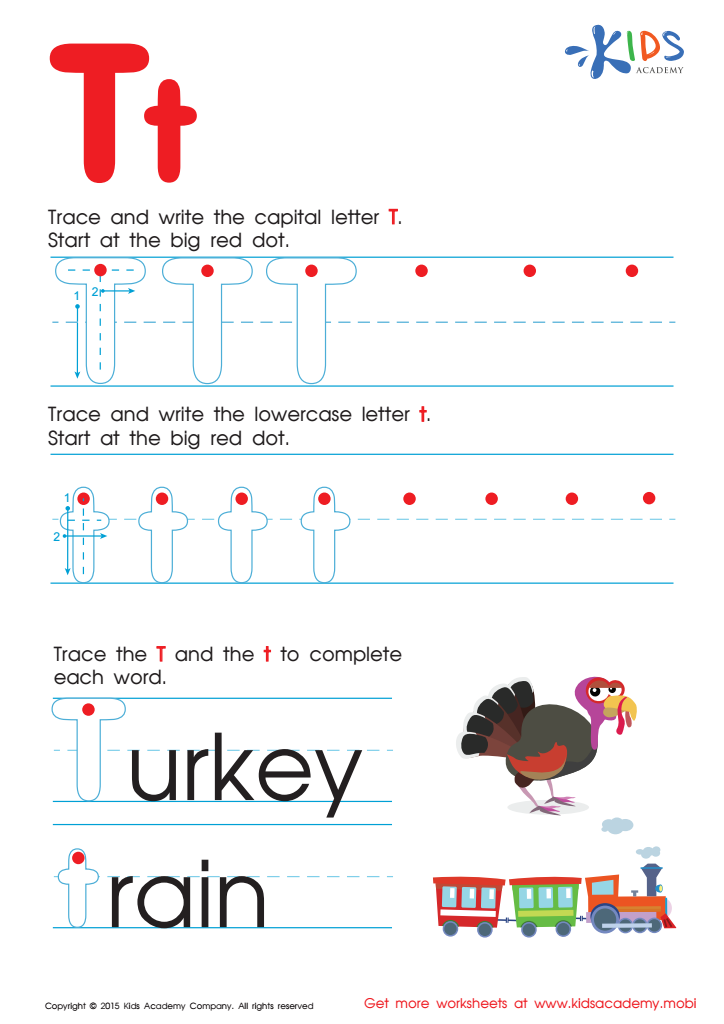
Letter T Tracing Page








Handwriting skills, especially tracing letters for children aged 3-7, are crucial for several reasons. Firstly, early handwriting development lays the foundation for effective communication. As children learn to form letters correctly, they begin to understand how written language works, enhancing their literacy skills. Tracing letters helps improve fine motor skills, which are essential for a variety of everyday tasks, not just writing. The coordination required to hold a pencil and control hand movements benefits their overall physical development.
Furthermore, tracing activities foster concentration and focus. Children develop their ability to pay attention to details and follow instructions, essential skills for learning in and out of the classroom. These experiences also promote self-confidence. As children master each letter, they gain a sense of achievement, encouraging them to take pride in their work and embrace learning challenges.
Additionally, handwriting helps with cognitive development; it engages multiple brain pathways that enhance learning across subjects. Parents and teachers should care about handwriting skills not only as a means of expression but also as a foundational element for academic growth and motor skills development. Investing time in tracing and letter formation profoundly impacts a child's overall development during these formative years.








