Problem-solving skills development Chess Worksheets for Ages 3-7
3 filtered results
-
From - To
Unlock your child's potential with our engaging Chess Worksheets for ages 3-7, designed to develop critical problem-solving skills. Through fun, interactive puzzles and exercises, kids will learn strategic thinking and improve their cognitive abilities. Each worksheet introduces chess concepts tailored to young learners, making complex strategies simple and understandable. Ideal for beginners and budding young grandmasters alike, our program fosters creativity and enhances concentration in an enjoyable and educational way. Prepare your child for future academic and life success—start their journey with our expertly crafted chess worksheets today! Explore now on Kids Academy.
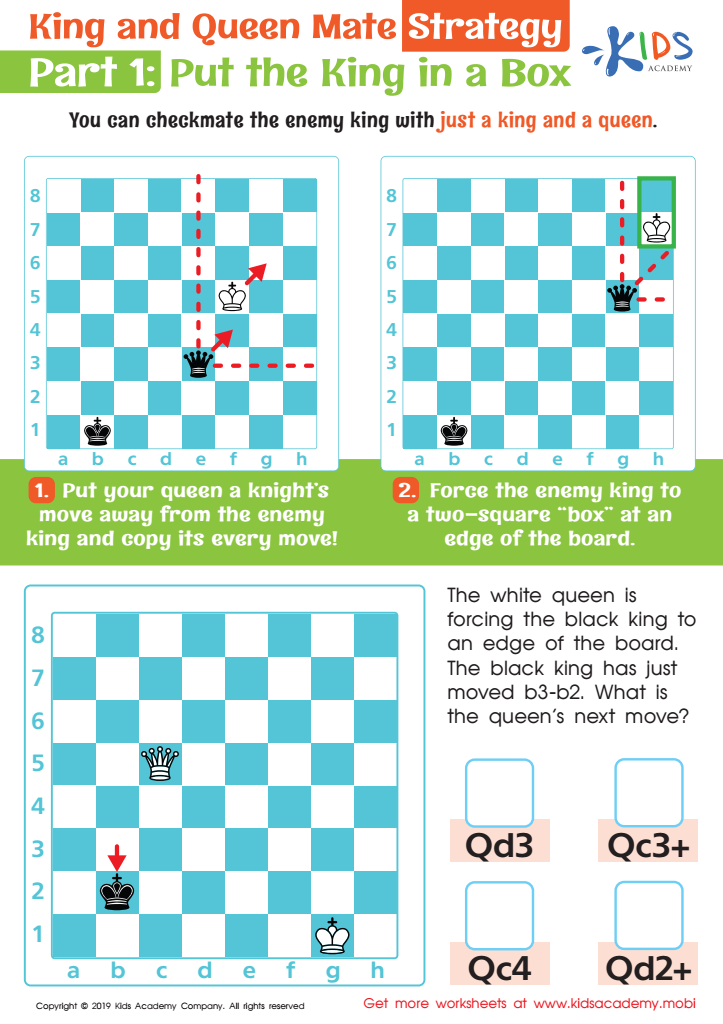
King and Queen Mate Strategy: Part 1 Worksheet
 Assign to My Students
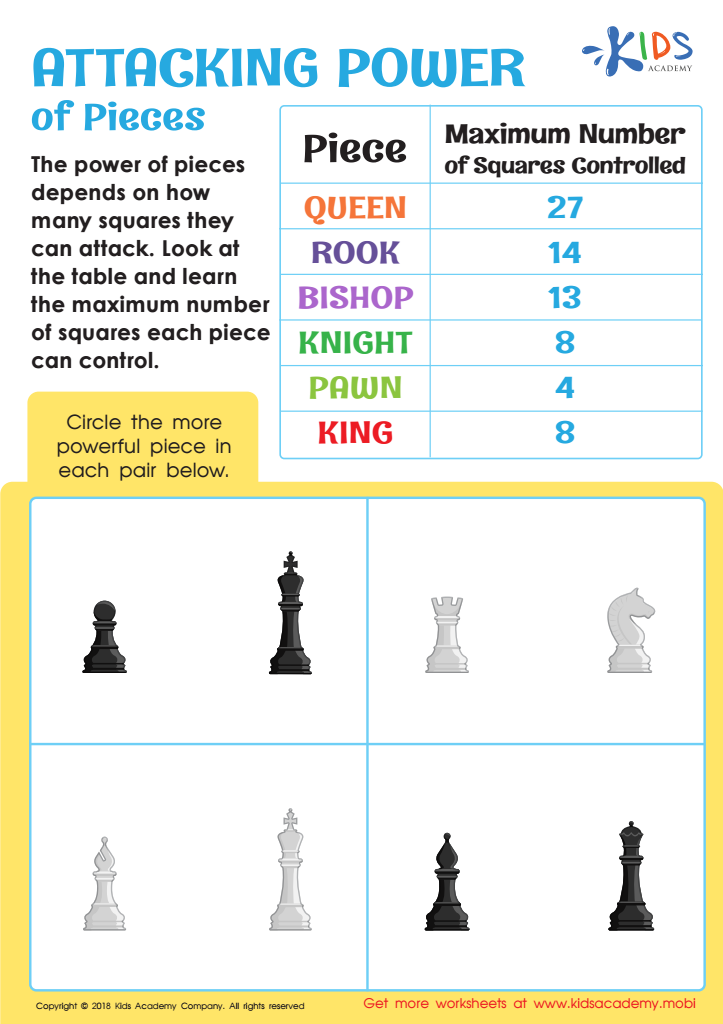
Attacking Power of Chess Pieces Worksheet
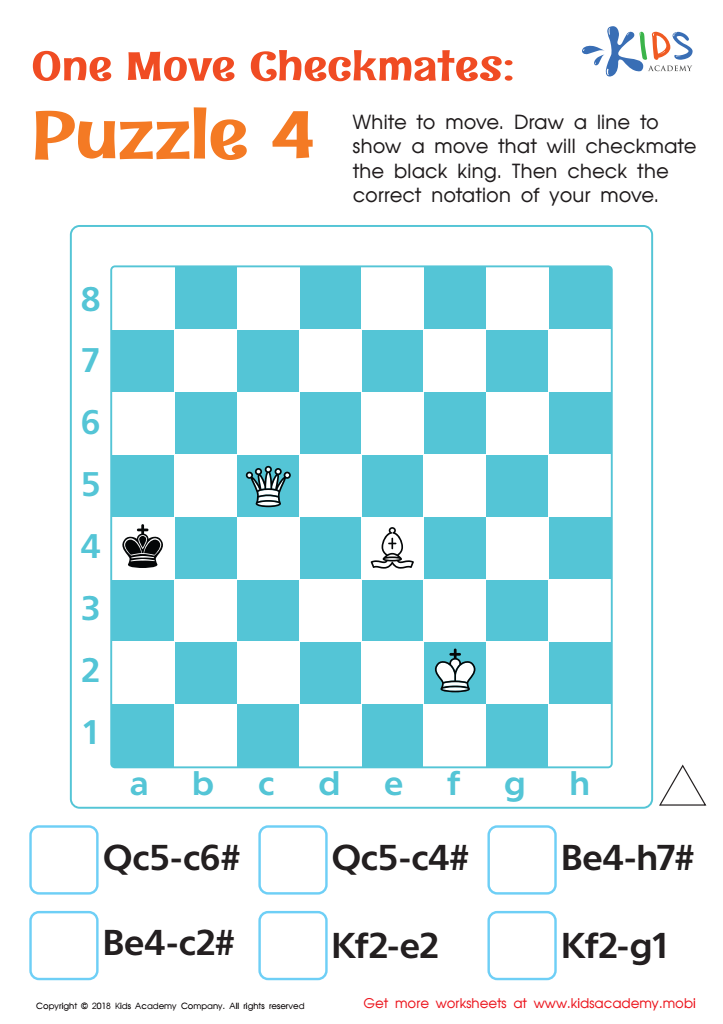
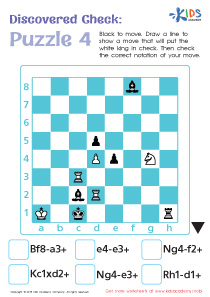
One Move Checkmates: Puzzle 4 Worksheet




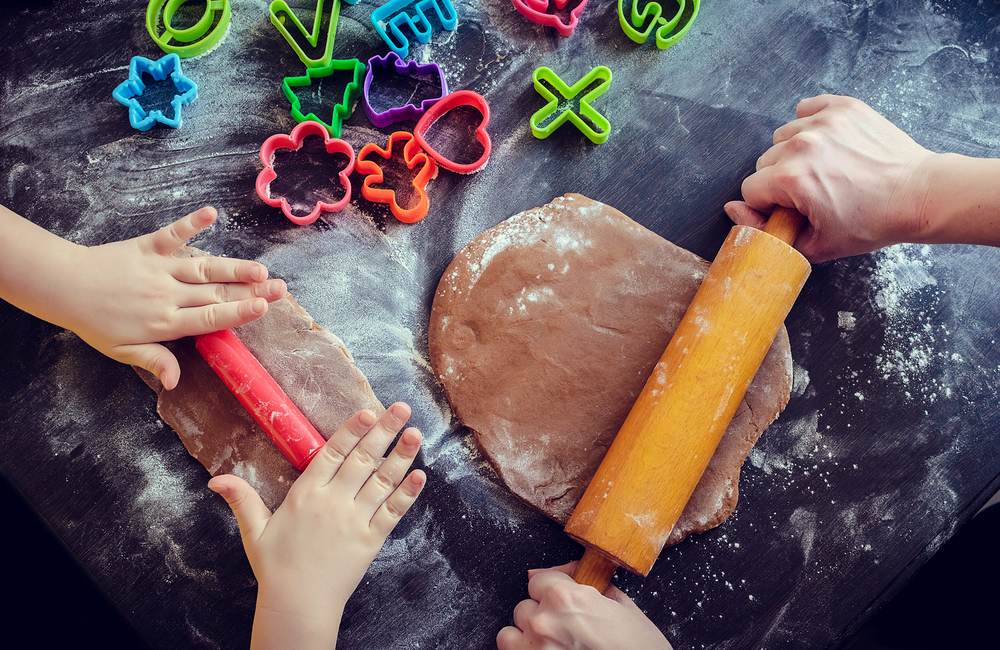

Problem-solving skills are fundamental for young children's cognitive growth, and chess is an excellent, engaging tool for fostering these abilities in children aged 3-7. Early exposure to chess offers numerous benefits that significantly shape a child's intellectual and social capabilities.
Firstly, chess enhances critical thinking and reasoning skills. Each move in chess must be carefully considered, encouraging children to anticipate potential challenges and outcomes. This fosters an analytical mindset crucial for academic success, especially in subjects like math and science. Chess also promotes creative problem-solving as children devise innovative strategies to win the game.
Secondly, playing chess improves concentration and patience. Young children often have short attention spans; however, focusing on a game of chess helps them develop the ability to concentrate on a task for an extended period. Patience grows as they learn to think ahead rather than making impulsive moves.
Furthermore, chess is a social game that subtly develops interpersonal skills. Children learn sportsmanship, taking turns, and the significance of both winning and losing gracefully. These lessons are essential for emotional development and building constructive relationships with peers.
Finally, chess can boost confidence as children achieve small wins and improve their gameplay. This confidence is transferable to other areas of learning and life. Overall, by integrating chess into early childhood education, parents and teachers pave the way for a lifetime of improved problem-solving abilities.