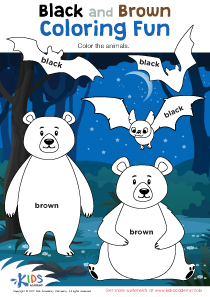
Hand-eye Coordination English for Beginners Worksheets for Ages 3-7
15 filtered results
-
From - To
Welcome to our collection of Hand-eye Coordination English Worksheets for Beginners, designed specifically for children ages 3-7! These engaging and interactive worksheets merge language learning with essential motor skills development. Our worksheets feature fun activities that promote hand-eye coordination while introducing simple vocabulary and sentence structures. From tracing and coloring tasks to matching games, each worksheet aims to make learning English enjoyable and effective. Perfect for at-home practice or use in the classroom, our resources will help your child build confidence in their language abilities while honing their motor skills. Discover the joys of learning with our thoughtfully crafted worksheets!
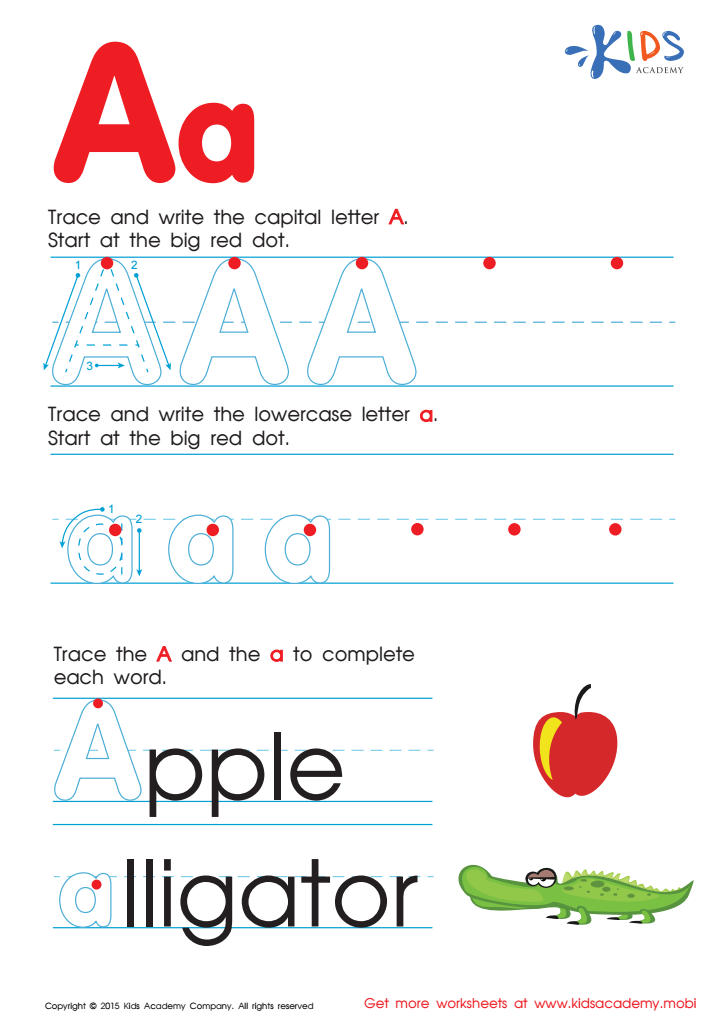
Letter A Tracing Page
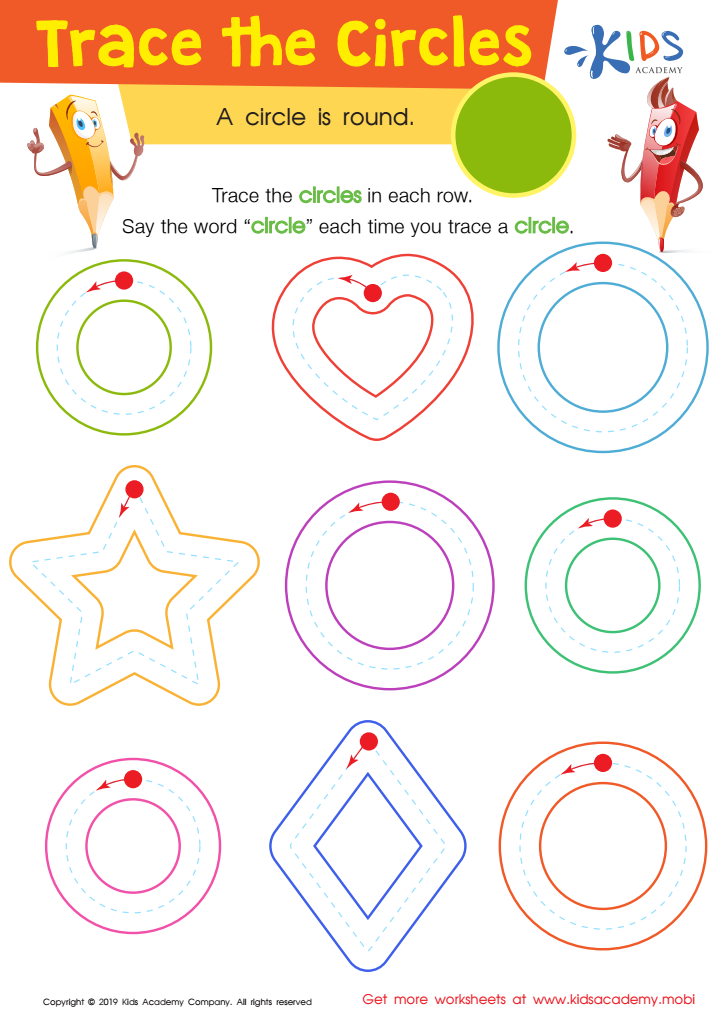
Trace The Circles Worksheet
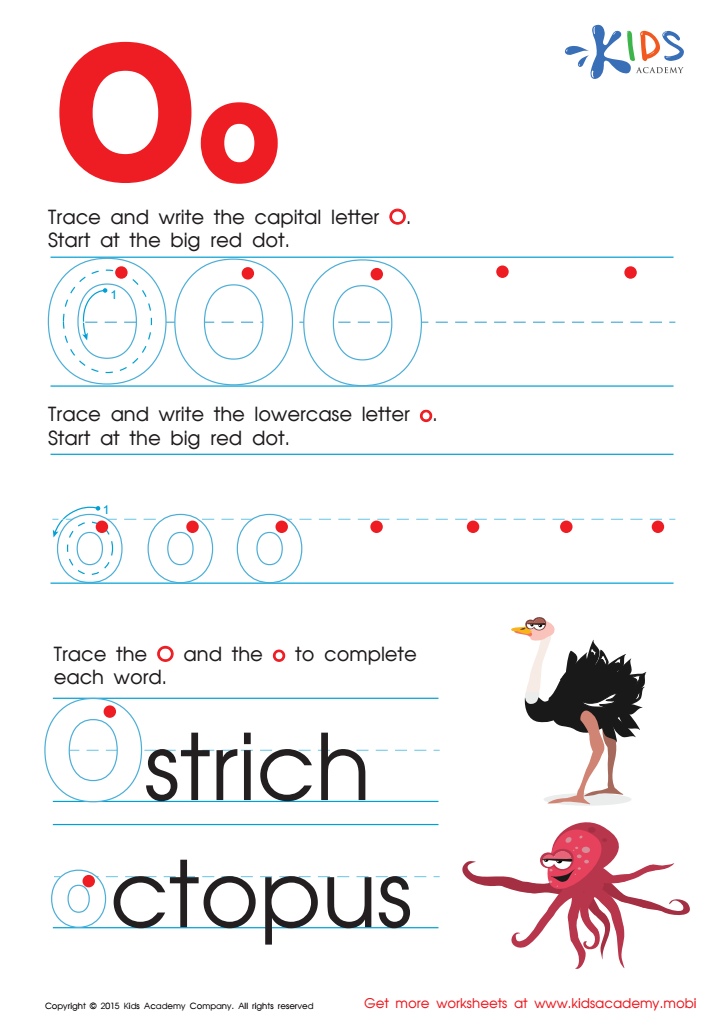
Letter O Tracing Page
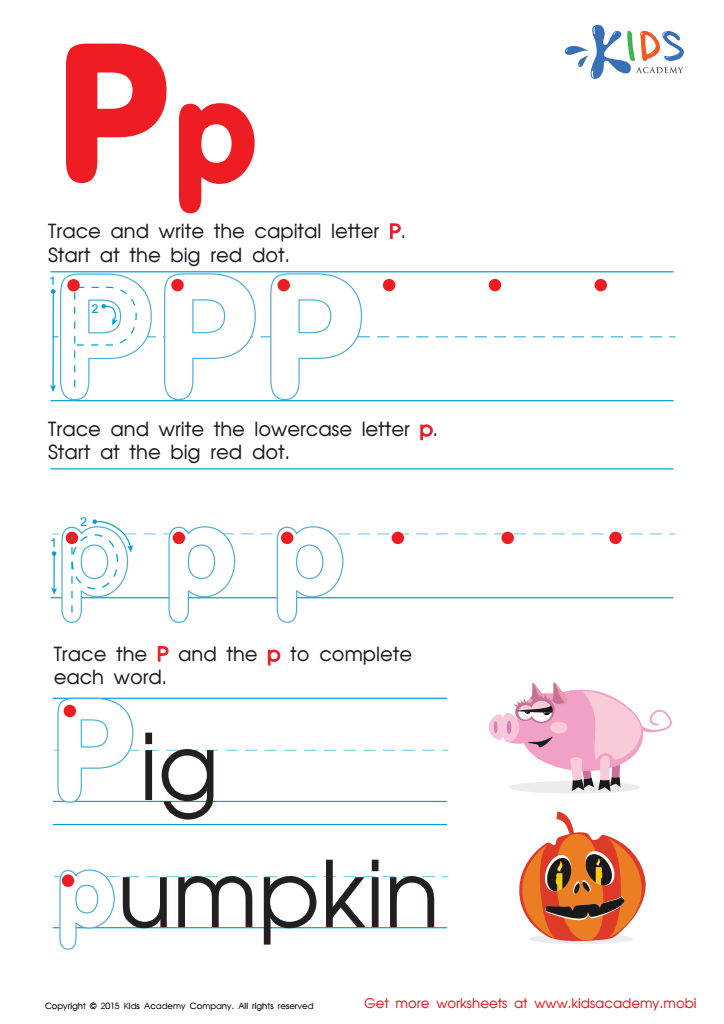
Letter P Tracing Page
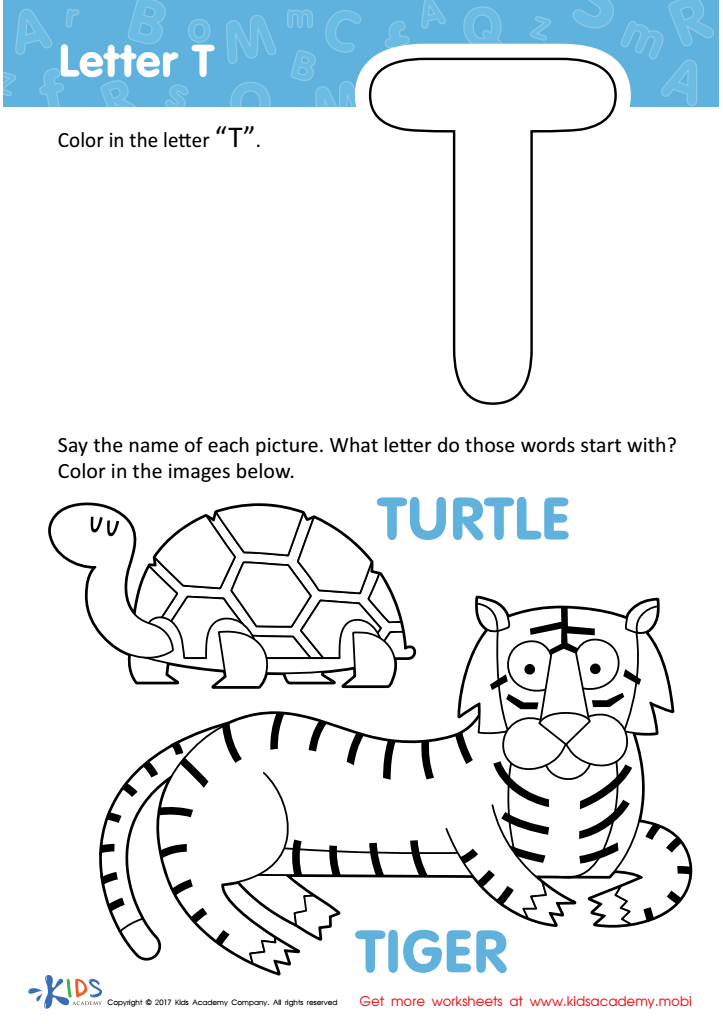
Letter T Coloring Sheet
 Assign to My Students
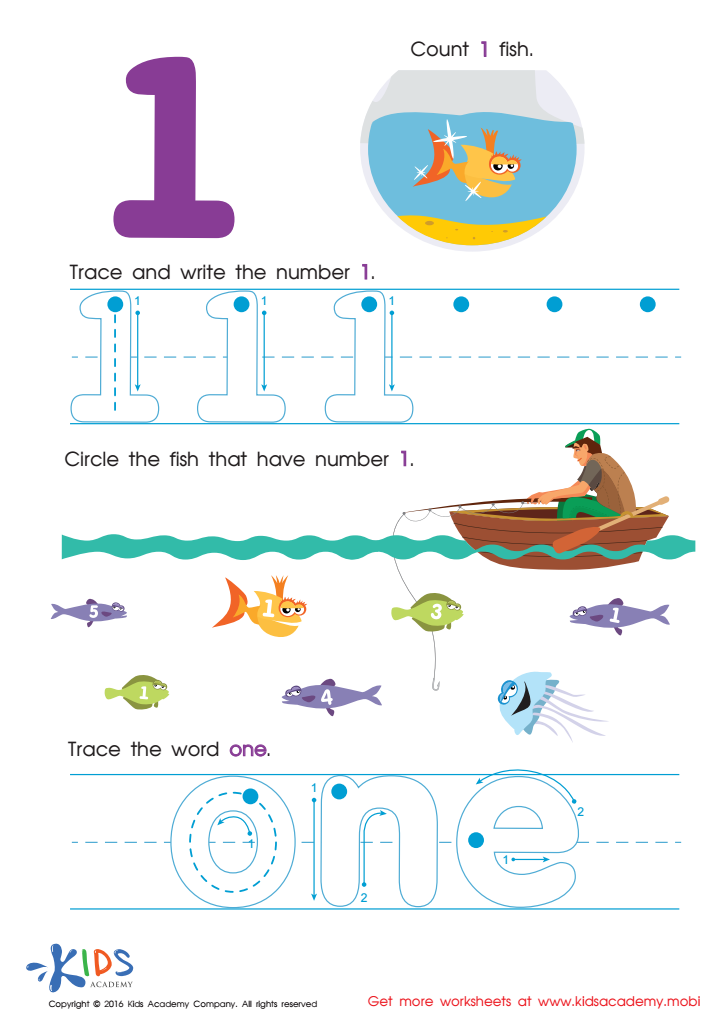
Learning to Write 1 Worksheet
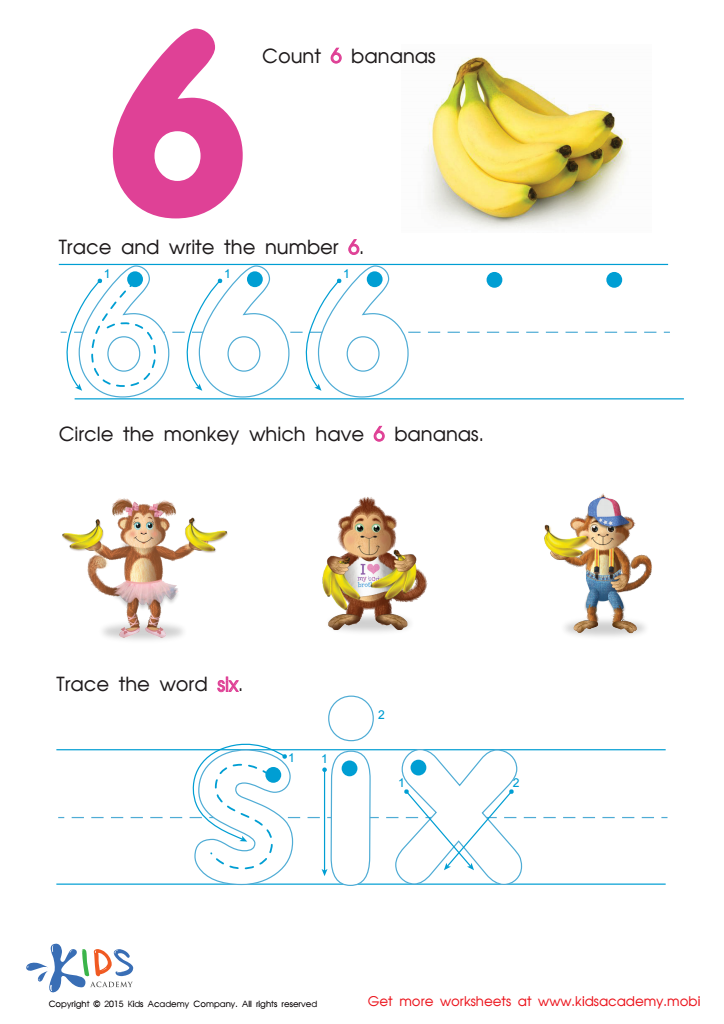
Tracing And Writing Number 6 Worksheet

Letter H Tracing Page
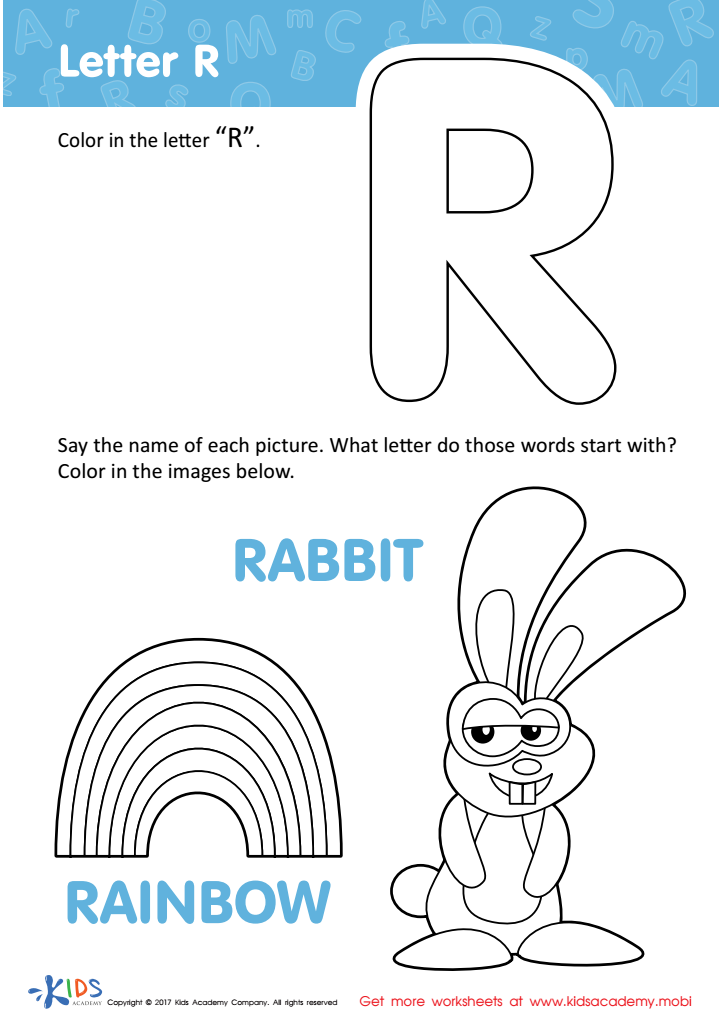
Letter R Coloring Sheet
Assign to My Students

Long and Short U Worksheet
Assign to My Students
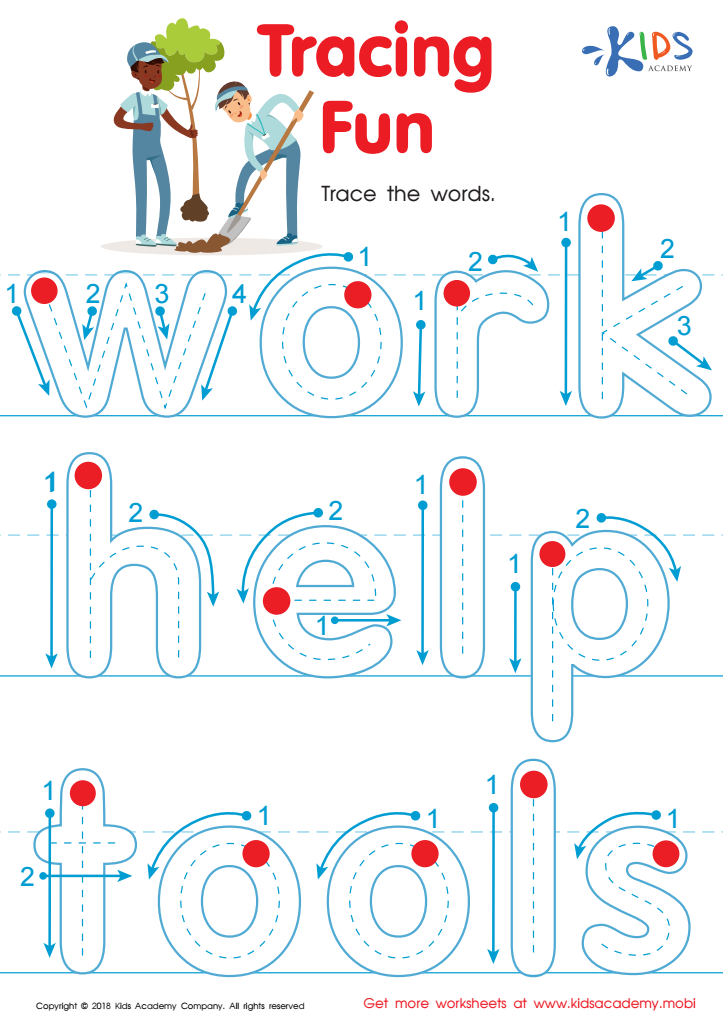
Tracing Fun Worksheet
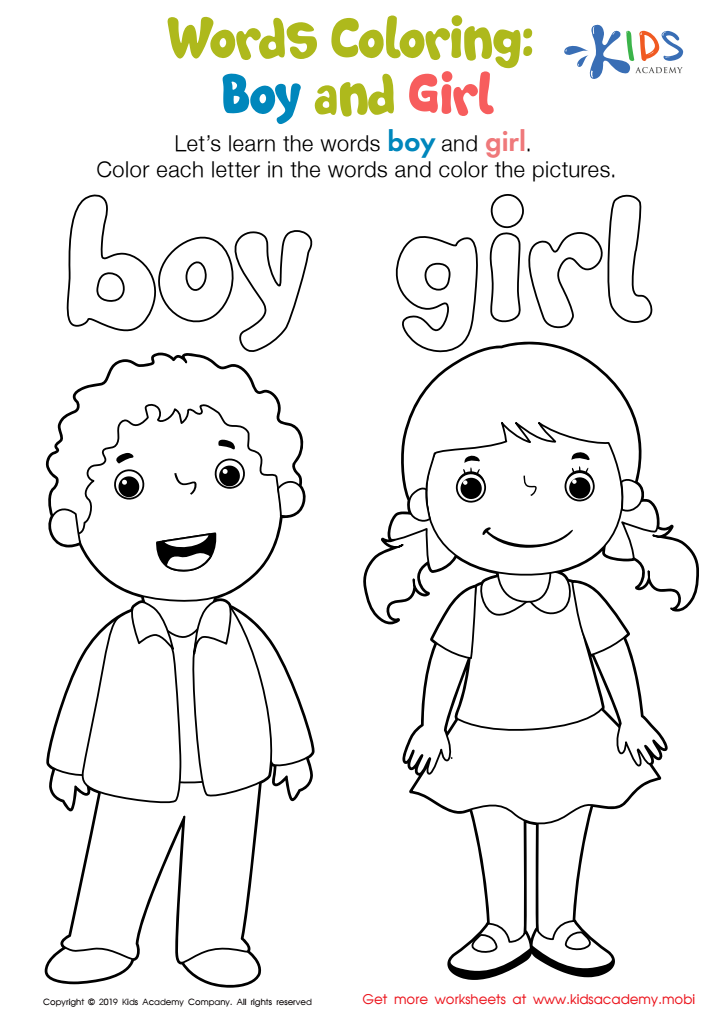
Boy and Girl Words Coloring Worksheet
Assign to My Students
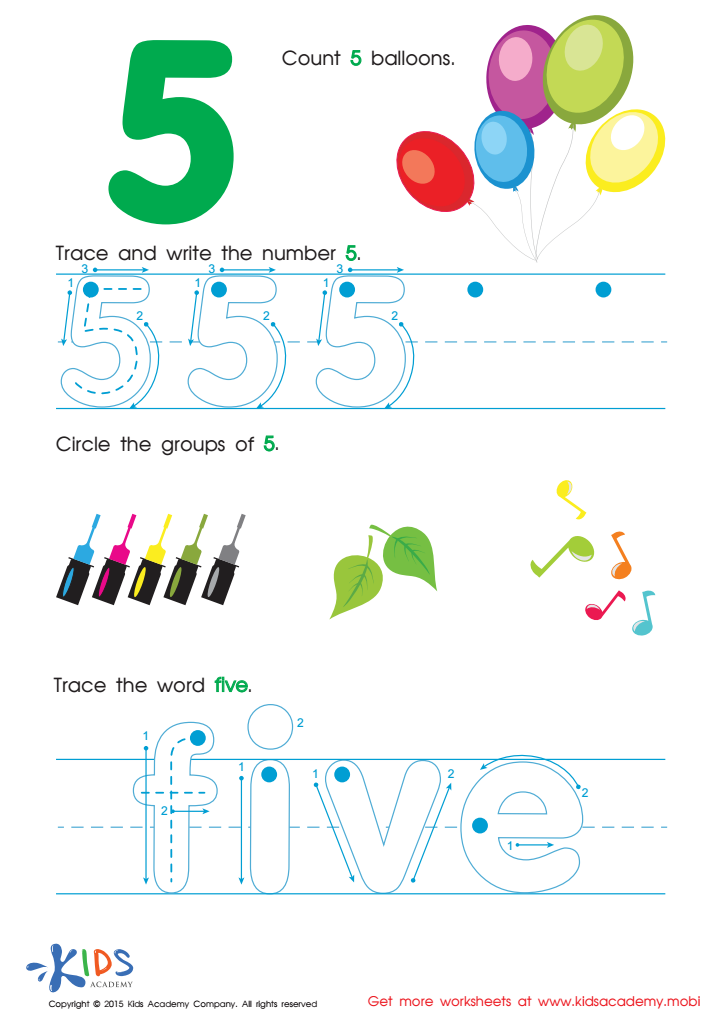
Practice Writing Number 5 Worksheet

Long and Short E Worksheet
Assign to My Students

Letter D Tracing Page





Hand-eye coordination is a fundamental skill that plays a crucial role in a child's overall development, especially for ages 3 to 7. For parents and teachers, fostering this skill is essential because it serves as a foundation for various learning experiences. Children with strong hand-eye coordination can efficiently engage in everyday tasks, from drawing and writing to playing sports and completing puzzles.
Incorporating activities that improve hand-eye coordination helps develop fine motor skills, enhances concentration, and supports cognitive growth. These activities can include simple tasks like stacking blocks, threading beads, or playing catch, which not only strengthen motor skills but also promote teamwork and social interaction.
Furthermore, developing hand-eye coordination significantly impacts literacy and numeracy skills. For example, writing letters and numbers becomes easier when coordination is refined. This connection between physical skills and academic learning highlights the importance of these activities in preparing children for future educational settings.
Overall, parents and teachers should prioritize hand-eye coordination activities in early childhood education, as they are instrumental in fostering independence, creativity, and a love for learning in young children. By caring about these developmental aspects, they contribute to building a strong foundation for their children's future success.