Letter Tracing Practice English for Beginners Worksheets for Ages 3-7
3 filtered results
-
From - To
Boost your child's writing skills with our "Letter Tracing Practice English for Beginners Worksheets for Ages 3-7". These engaging and interactive printables are perfect for young learners keen on mastering their ABCs. With guided tracing exercises, children will develop fine motor skills, learn proper letter formation, and gain confidence in handwriting. Ideal for preschoolers, kindergarteners, and early elementary students, these worksheets combine fun activities with essential educational content. Foster a strong foundation in English literacy from the start and watch your child's enthusiasm for learning grow! Download now and start tracing towards success.
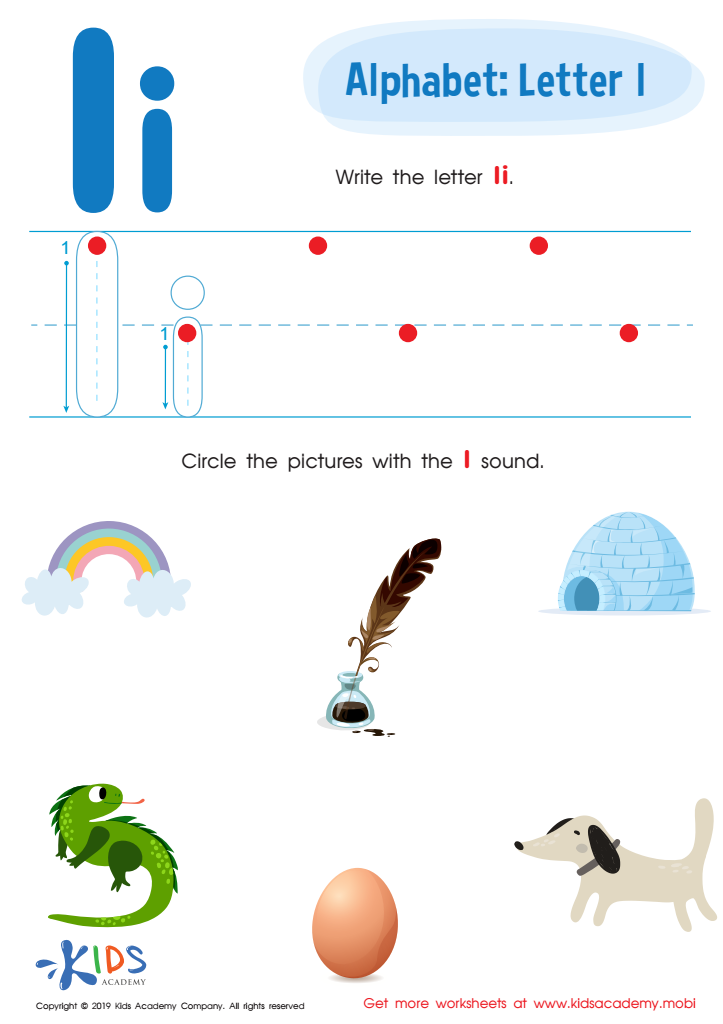
Letter I Tracing Worksheet
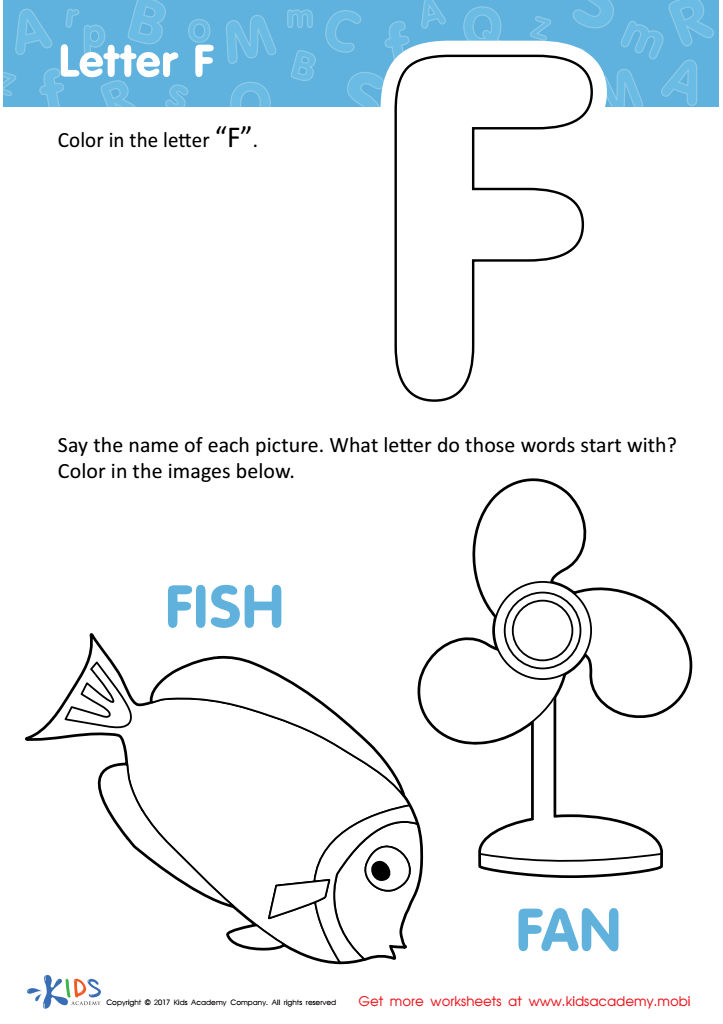
Letter F Coloring Sheet
 Assign to My Students
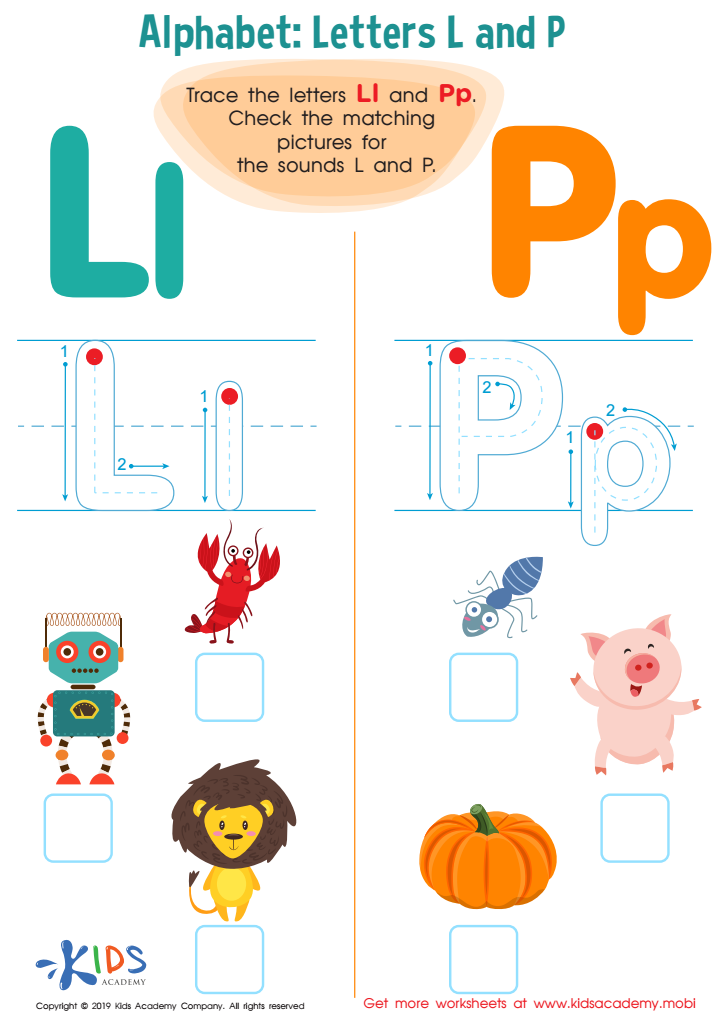
Letter L and P Tracing Worksheet





Parents and teachers should prioritize Letter Tracing Practice for children ages 3-7 because it lays the foundational skills essential for reading and writing proficiency. During these early years, children's brains are highly receptive to new information, making it an ideal period for learning critical literacy skills. Letter tracing helps young learners develop fine motor skills by guiding them in the precise movements required for writing letters. This practice enhances hand-eye coordination and muscle memory, which are crucial for neat and consistent handwriting.
Additionally, tracing helps children familiarize themselves with the alphabet, reinforcing letter recognition and phonics comprehension. This familiarity is vital as letters are the building blocks of words, and understanding their forms and sounds aids in early reading development. Structured tracing exercises also cultivate attention to detail and patience, traits beneficial for all educational pursuits.
By incorporating letter tracing into daily routines, parents and teachers can make learning interactive and fun, boosting children's confidence and enthusiasm for literacy. In turn, this early engagement can foster a lifelong love for reading and writing, sparking curiosity and academic success. In short, letter tracing practice is an investment in a child's future educational journey, making it a crucial activity for early childhood development.