Comparative analysis Worksheets for Ages 3-7
6 filtered results
-
From - To
Explore our engaging Comparative Analysis Worksheets designed specifically for children aged 3-7. These worksheets encourage young learners to develop critical thinking skills by comparing various items, concepts, and pictures. Through fun and interactive activities, kids will practice distinguishing differences and similarities, enhancing their cognitive abilities and vocabulary. Our resources are perfect for home or classroom use, promoting independent learning and classroom collaboration. With various themes and difficulty levels, educators and parents can easily tailor the worksheets to meet each child's unique needs. Start building essential analytical skills today with our thoughtfully crafted printable worksheets!
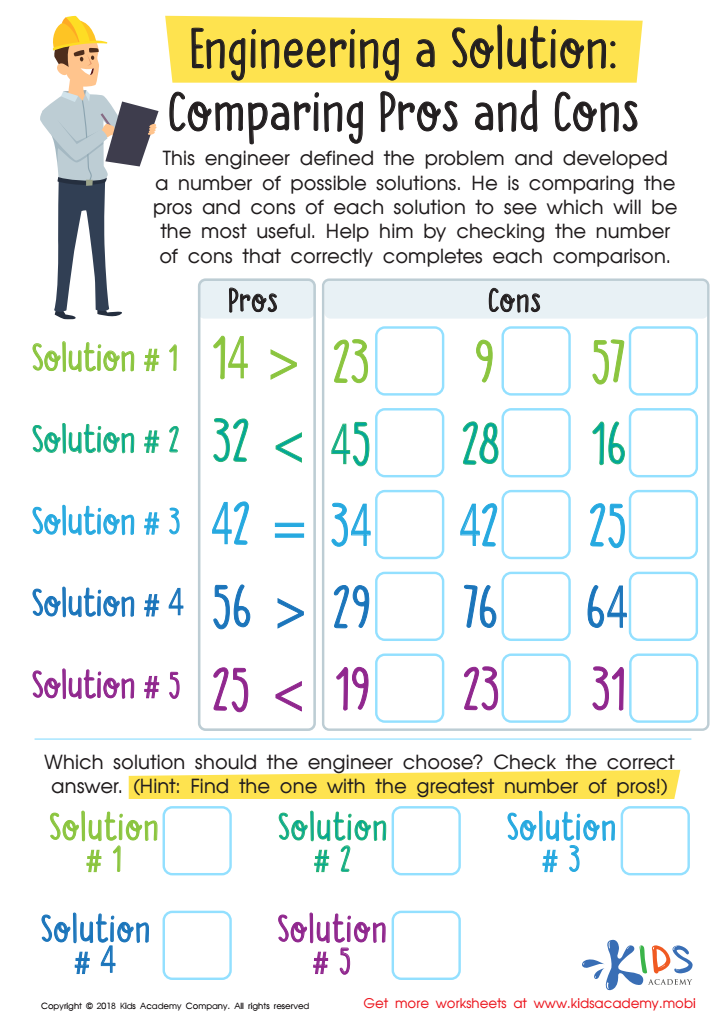
Engineering a Solution: Comparing Pros and Cons Worksheet
 Assign to My Students
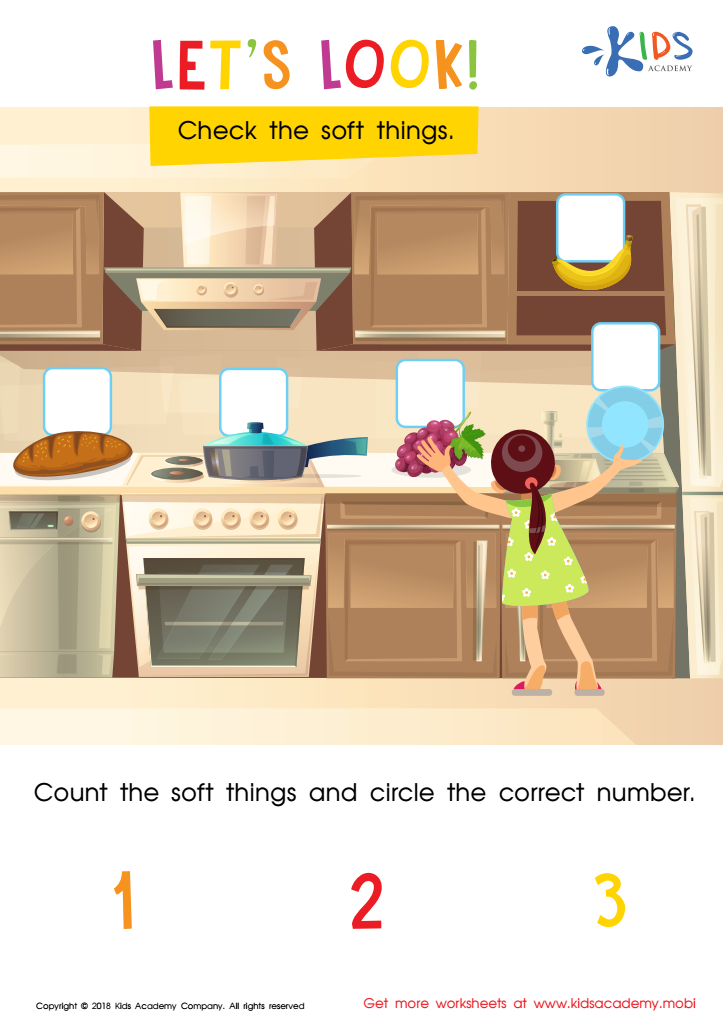
Let's Look! Assessment Worksheet
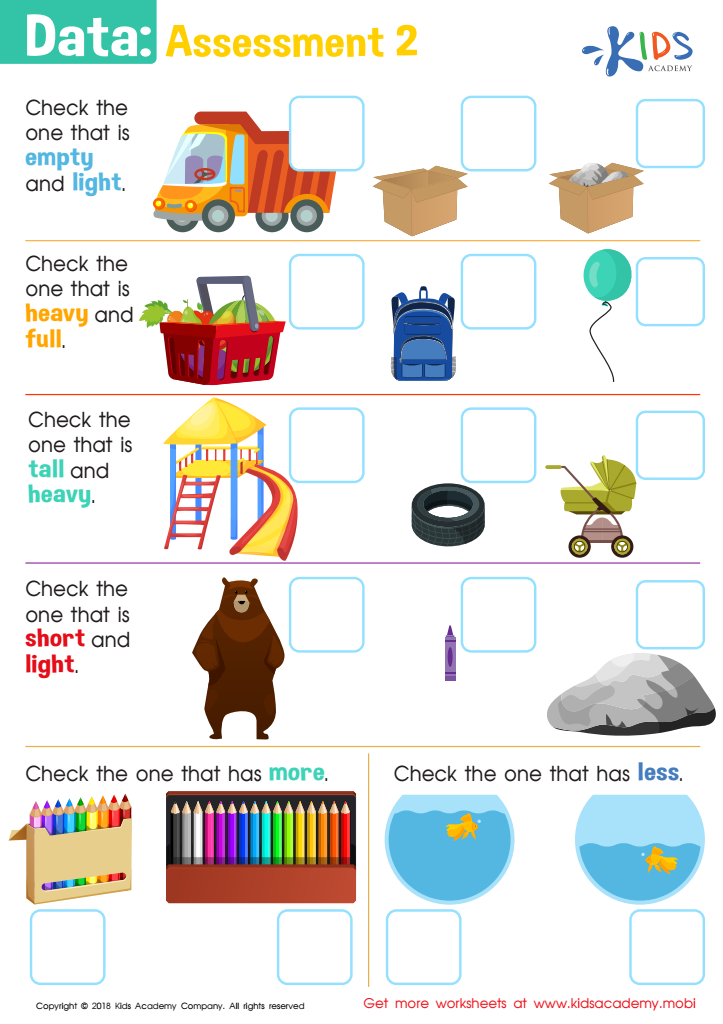
Data: Assessment 2 Worksheet
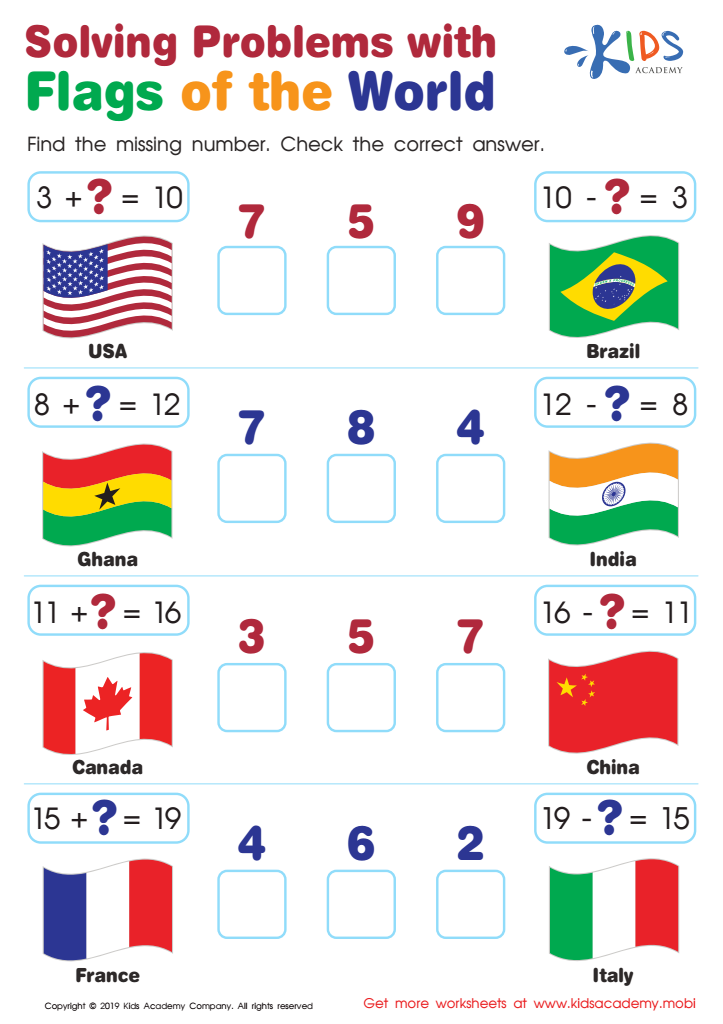
Solving Problems with Flags of the World Worksheet




.jpg)

Comparative analysis for children ages 3-7 is crucial for both parents and teachers as it illuminates differences in developmental milestones, learning styles, and educational strategies. This age bracket is pivotal for cognitive, emotional, and social development, and understanding variations among children can greatly enhance their educational experience.
For parents, comparative analysis can provide insight into their child's growth compared to peers, enabling them to tailor support and expectations accordingly. This knowledge also helps in identifying any potential learning difficulties early on, allowing for timely intervention.
Teachers, meanwhile, can utilize comparative analysis to inform curriculum design and teaching methods. Recognizing that children learn differently helps educators create diverse, inclusive classroom environments. By comparing the effectiveness of various instructional strategies, teachers can adjust their approaches to better meet the needs of all learners, fostering a more engaging and supportive atmosphere.
Ultimately, comparative analysis empowers both parents and teachers to make informed decisions that support each child's unique path to learning and development, ensuring that they reach their fullest potential during these formative years. Such attention to individual growth can foster a lifelong love for learning, benefiting both the child and society as a whole.








