Comparing quantities Worksheets for Ages 3-7
15 filtered results
-
From - To
Introducing our "Comparing Quantities Worksheets for Ages 3-7," an essential resource for early learners to develop foundational math skills. Our engaging worksheets help young children understand basic concepts of quantity comparison such as more, less, large, small, and same. Tailored to children ages 3 through 7, these activities promote critical thinking and problem-solving abilities. Perfect for both classroom settings and at-home practice, our visually appealing and interactive worksheets make learning enjoyable and effective. Equip your child with the skills they need to confidently compare numbers and quantities, setting them up for future mathematical success. Explore and download now!
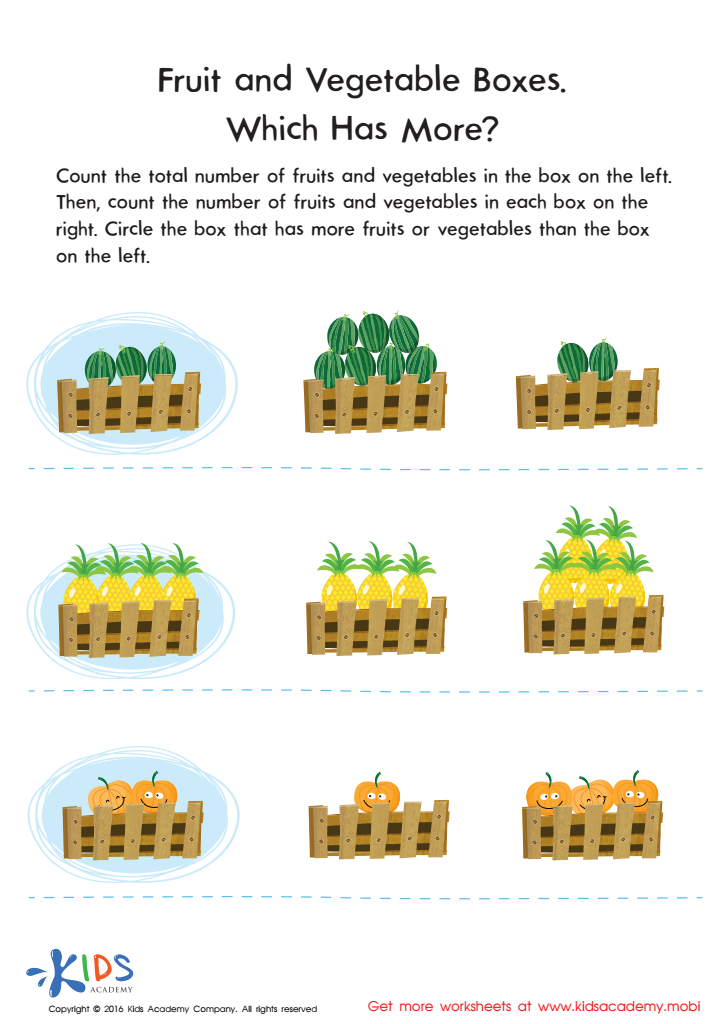
Which Has More? Size Worksheet
 Assign to My Students
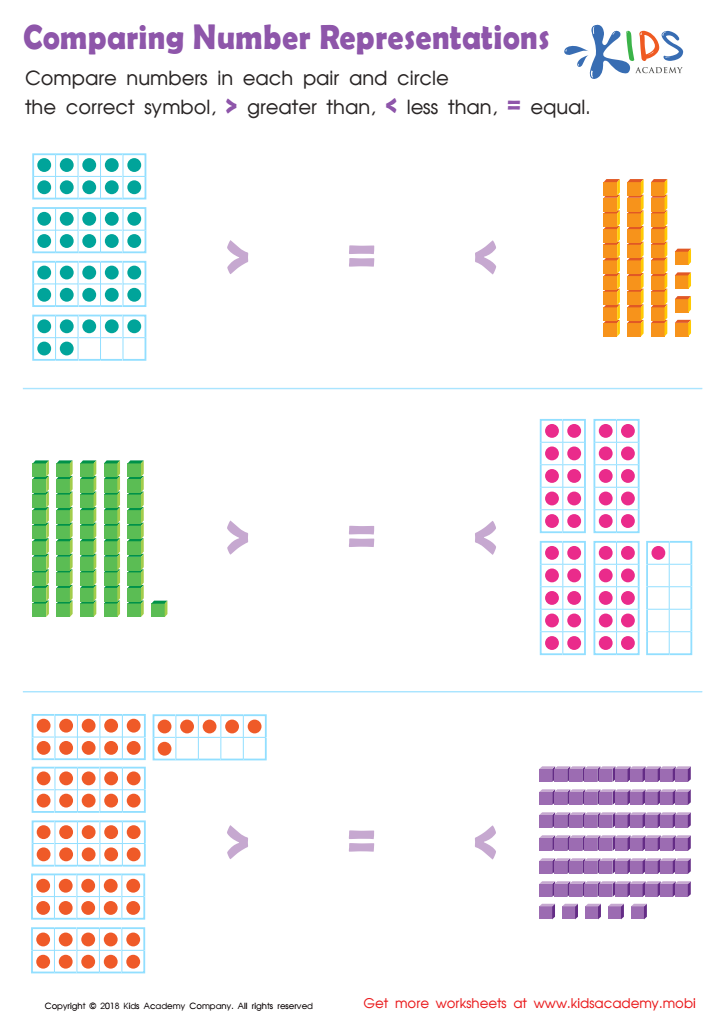
Comparing Number Representations Worksheet
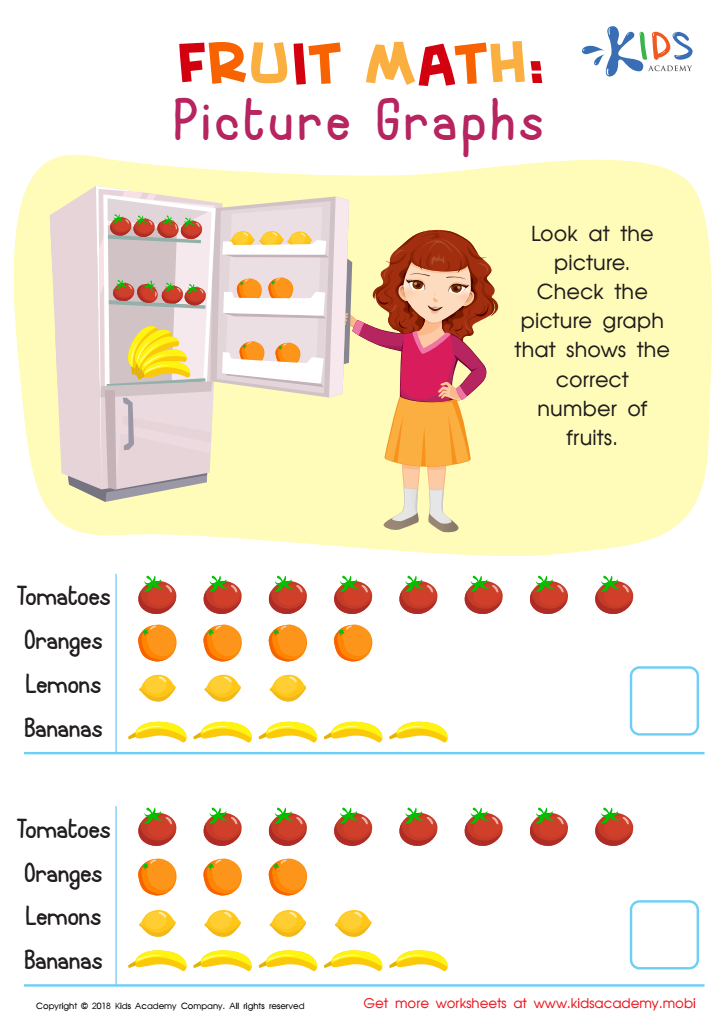
Fruit Math: Picture Graphs Worksheet
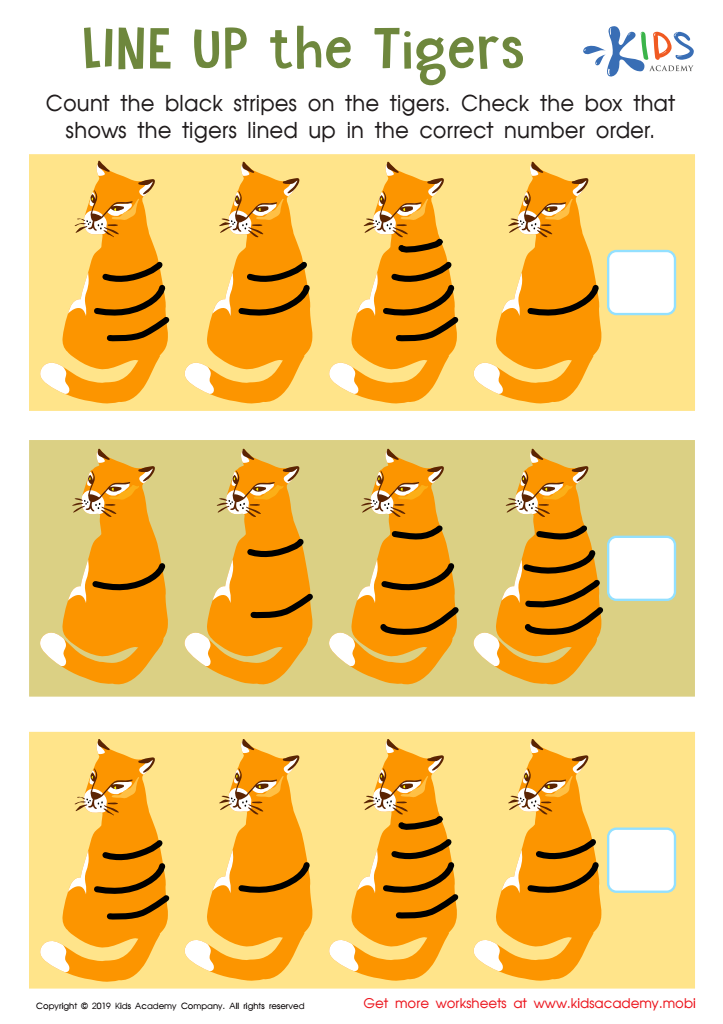
Line up the Tigers Worksheet
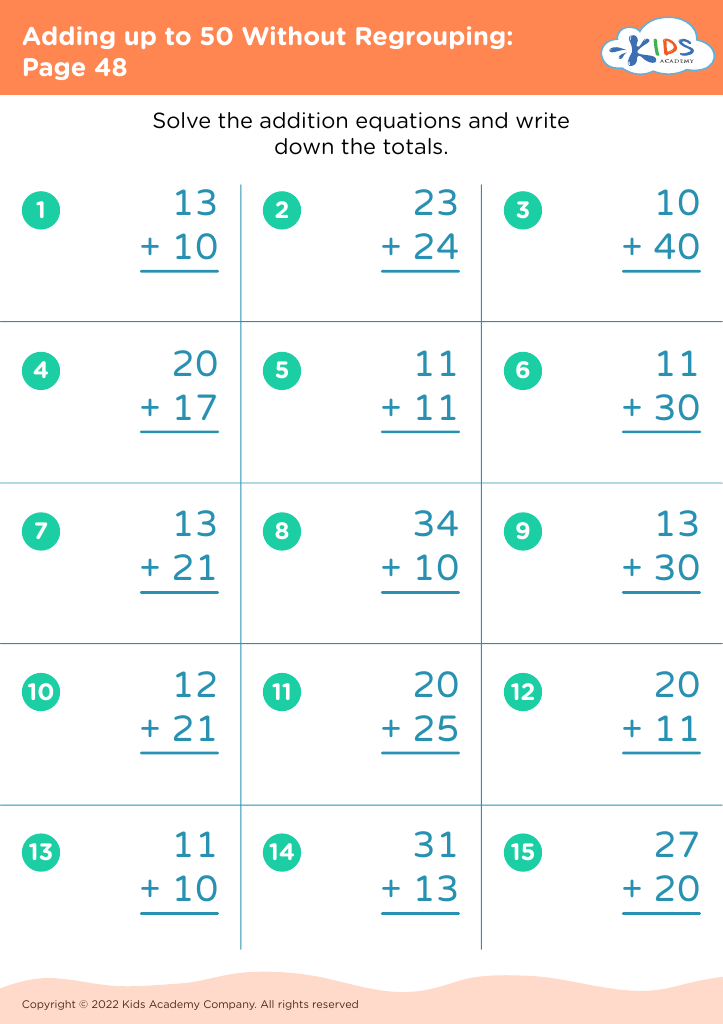
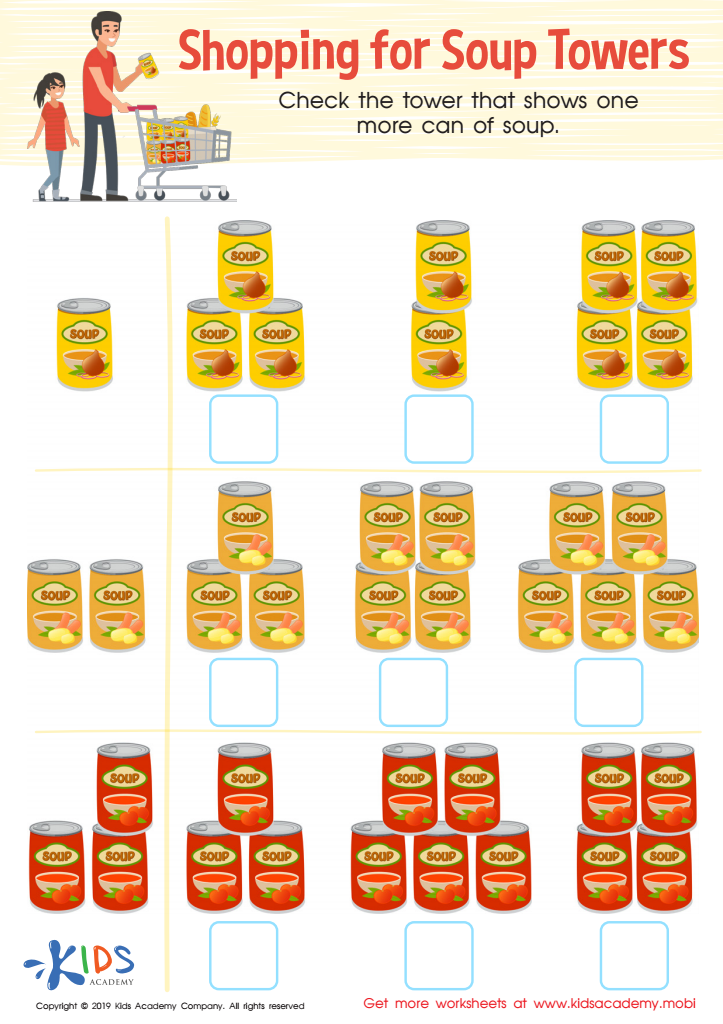
Soup Towers Worksheet
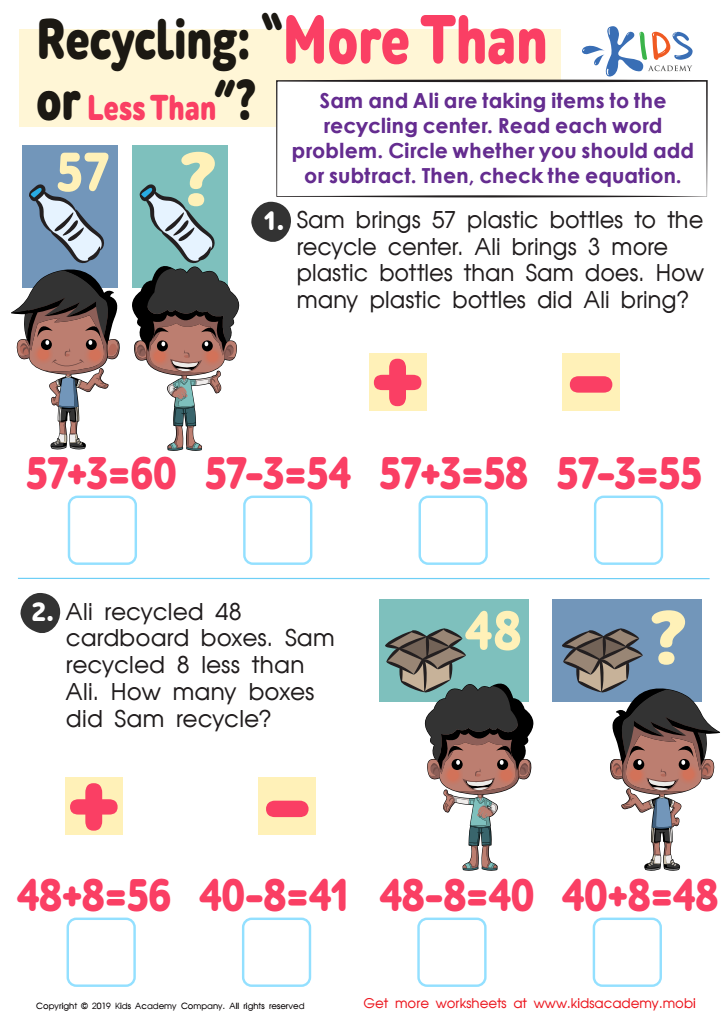
Recycling - More or Less Worksheet
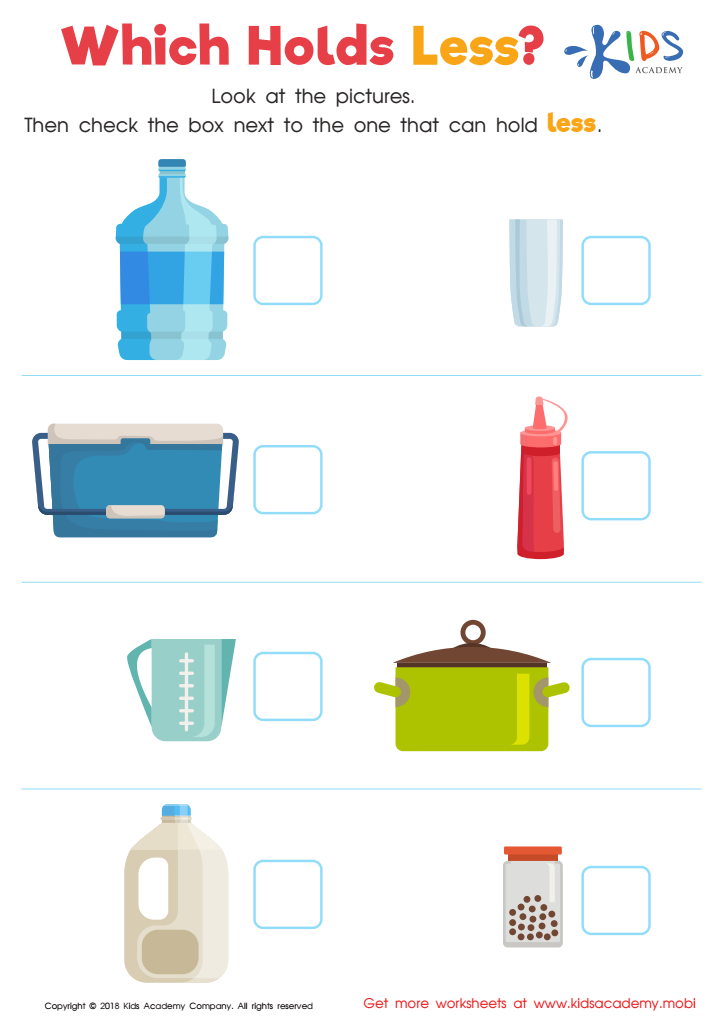
Which Holds Less? Worksheet
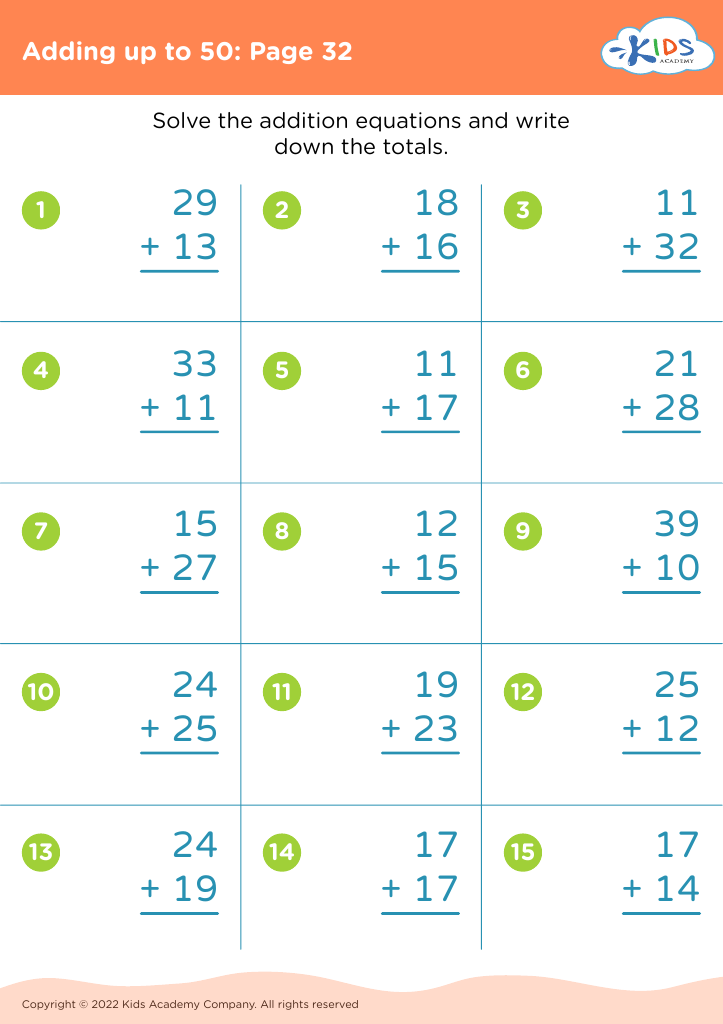
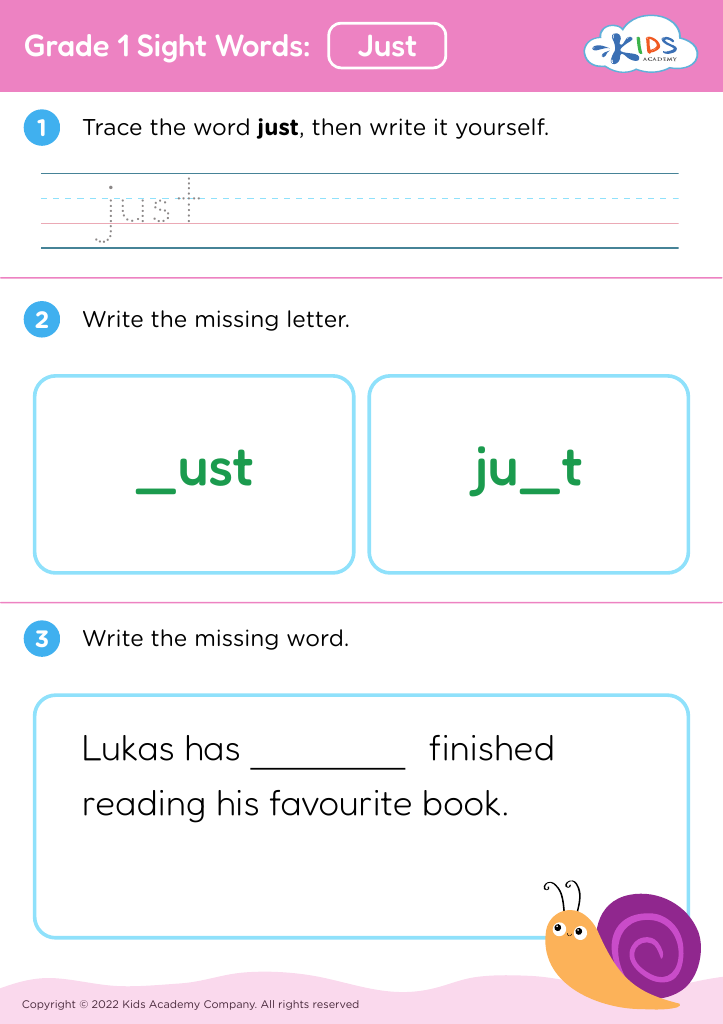
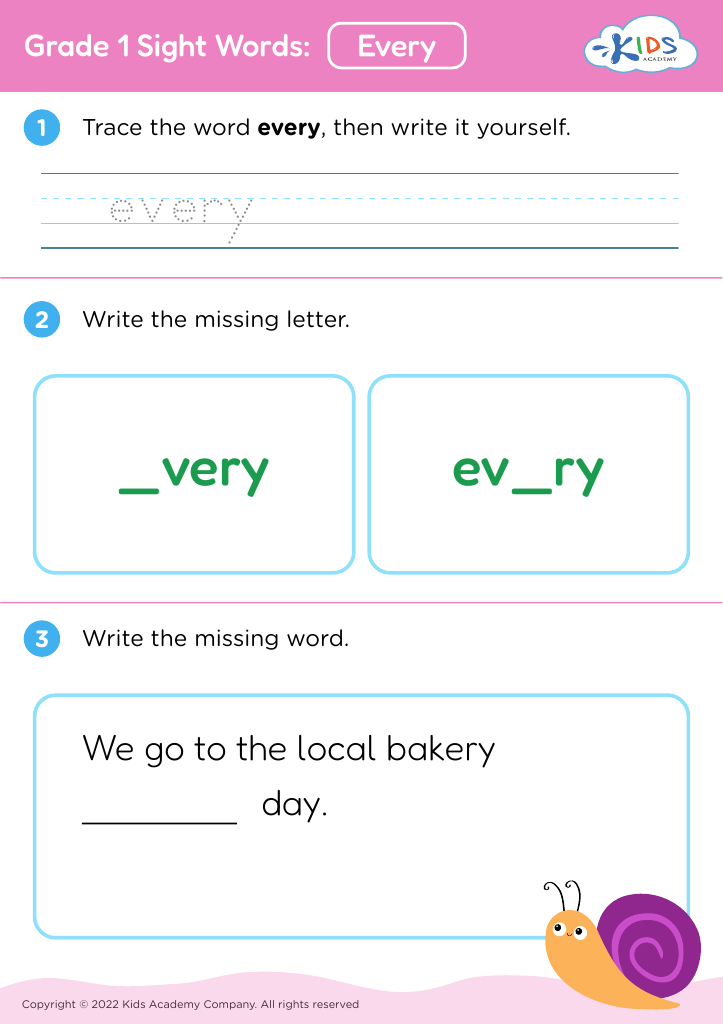





Understanding and comparing quantities in the early years, between ages 3-7, is critical for several reasons. First, it lays the foundation for mathematical thinking. When children compare quantities, they start developing a sense of numbers, which is essential for more complex math concepts they'll encounter later, such as addition, subtraction, and place value.
Second, these activities promote cognitive development. Comparing amounts requires children to observe, analyze, and make decisions, which sharpens their critical thinking and problem-solving skills. It’s not merely about recognizing that five apples are more than three; it's about understanding the relationship between numbers and applying this reasoning in various contexts.
Third, it builds verbal and communication skills. As they articulate their thought process—using terms like "more than," "less than," or "equal to"—children improve their language abilities. This connection between math and language is important for overall academic success.
Finally, it also has practical everyday significance. Comprehending quantities is useful in daily activities like sharing toys, distributing food, or comparing the sizes of groups, which fosters social interactions and cooperative play. Early familiarity with these concepts ensures that children are not only prepared academically but also practically competent, setting a robust groundwork for their future learning and daily life interactions.








