Cultural Understanding Worksheets for Ages 3-7
3 filtered results
-
From - To
Enhance your child's cultural awareness with our engaging Cultural Understanding Worksheets for ages 3-7. Designed to introduce young learners to the rich diversity of global cultures, these resources foster essential social skills and empathy through vibrant activities. From exploring traditional stories and festivals to understanding different customs and practices, each worksheet promotes curiosity and inclusivity. Our user-friendly, printable worksheets are perfect for parents and educators seeking to enrich early childhood education. Cultivate a sense of appreciation for diversity while developing critical thinking and communication skills in your little ones. Join us in nurturing compassionate and globally-minded children!
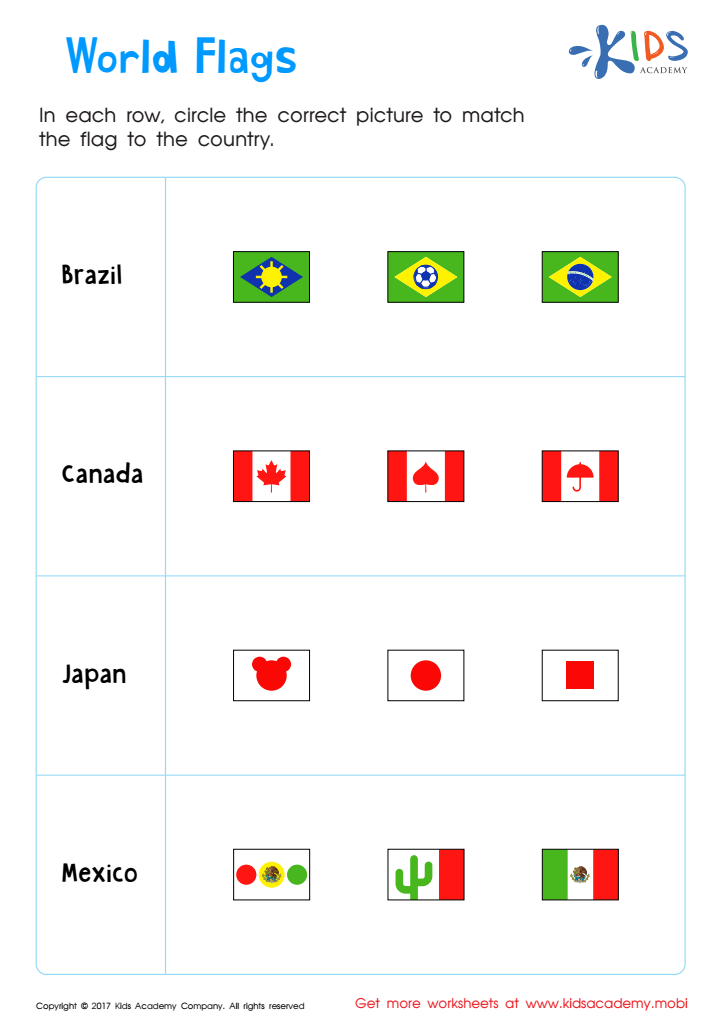
World Flags Printable
 Assign to My Students
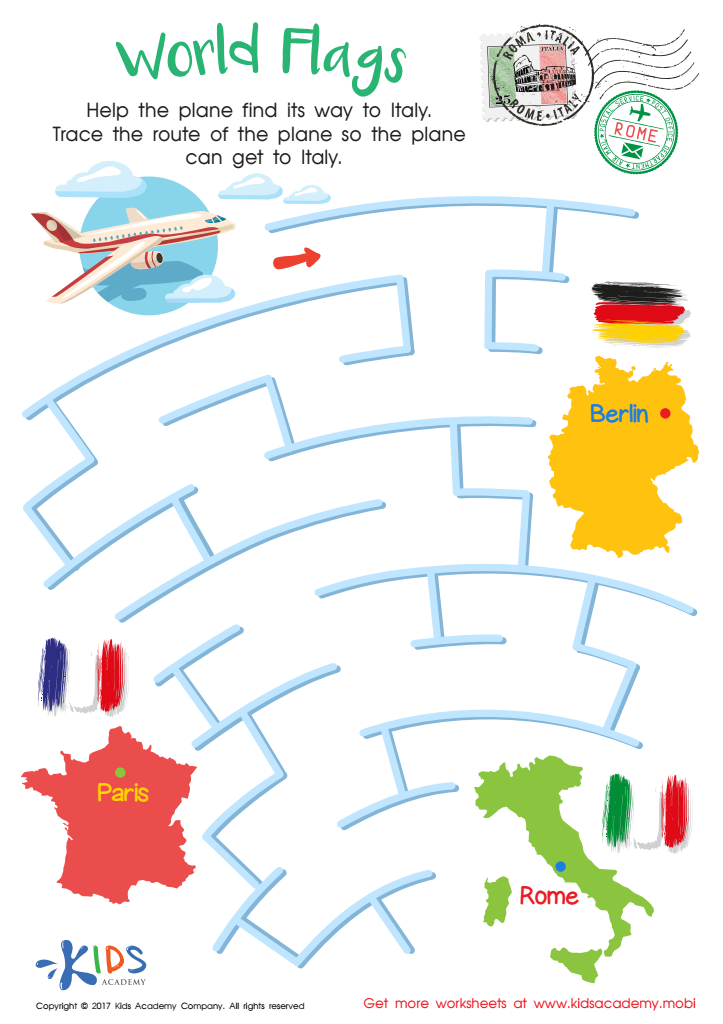
World Flags Maze Worksheet






Cultural understanding is vital for children aged 3-7, as it lays the foundation for empathy, respect, and inclusive behavior. During these formative years, children are like sponges, absorbing beliefs and attitudes from their environment. When parents and teachers prioritize cultural understanding, they help children recognize and appreciate diversity, fostering an atmosphere where differences are celebrated.
Learning about various cultures enriches children's worldviews, encouraging them to engage with peers from different backgrounds positively. This exposure fosters social skills, such as compassion and cooperation, essential for healthy interpersonal relationships. Moreover, understanding cultural norms promotes cognitive development, as children encounter varied perspectives, enhancing critical thinking and problem-solving skills.
Teachers and parents can incorporate cultural understanding through engaging activities such as storytelling, music, and art from various cultures. Such experiences not only make learning enjoyable but also instill a sense of belonging and acceptance among children. As they grow in a multicultural society, these early lessons in cultural appreciation will equip them to navigate a diverse world with confidence, kindness, and respect. In summary, embracing cultural understanding in early childhood education is crucial for nurturing well-rounded, empathetic individuals ready to contribute positively to a global community.








